Aura Aero Completes First Flight of X-Volt, a Modified Cessna 337 Skymaster Acquired from VoltAero
Why It MattersThe transfer shows how a failed hybrid-electric startup's flight-test hardware and flight hours can be repurposed by a rival to shortcut certification timelines for a new regional aircraft program.
What happened
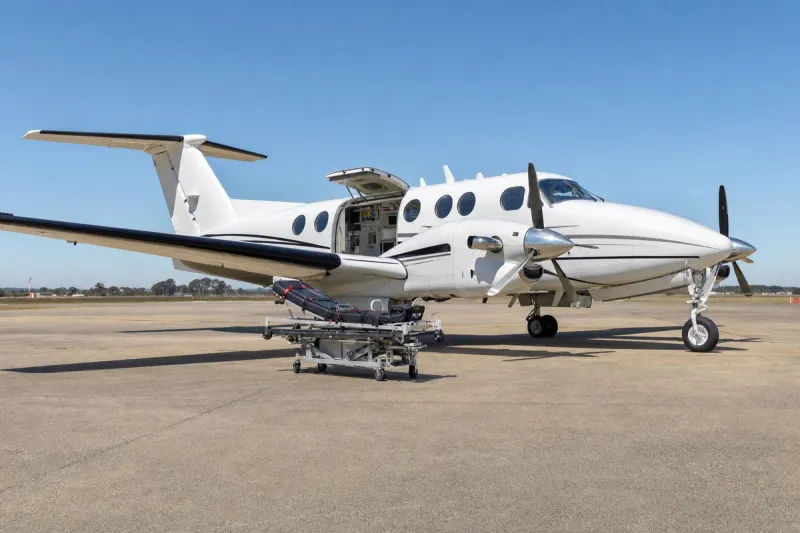
Aura Aero announced on September 16 that its X-Volt technology demonstrator, a modified Cessna 337 Skymaster formerly flown by VoltAero, had completed its first flight under its new ownership. Flight tracking data showed the aircraft, registered F-WOLT, flying a local sortie from Rochefort in western France, the former headquarters of VoltAero.
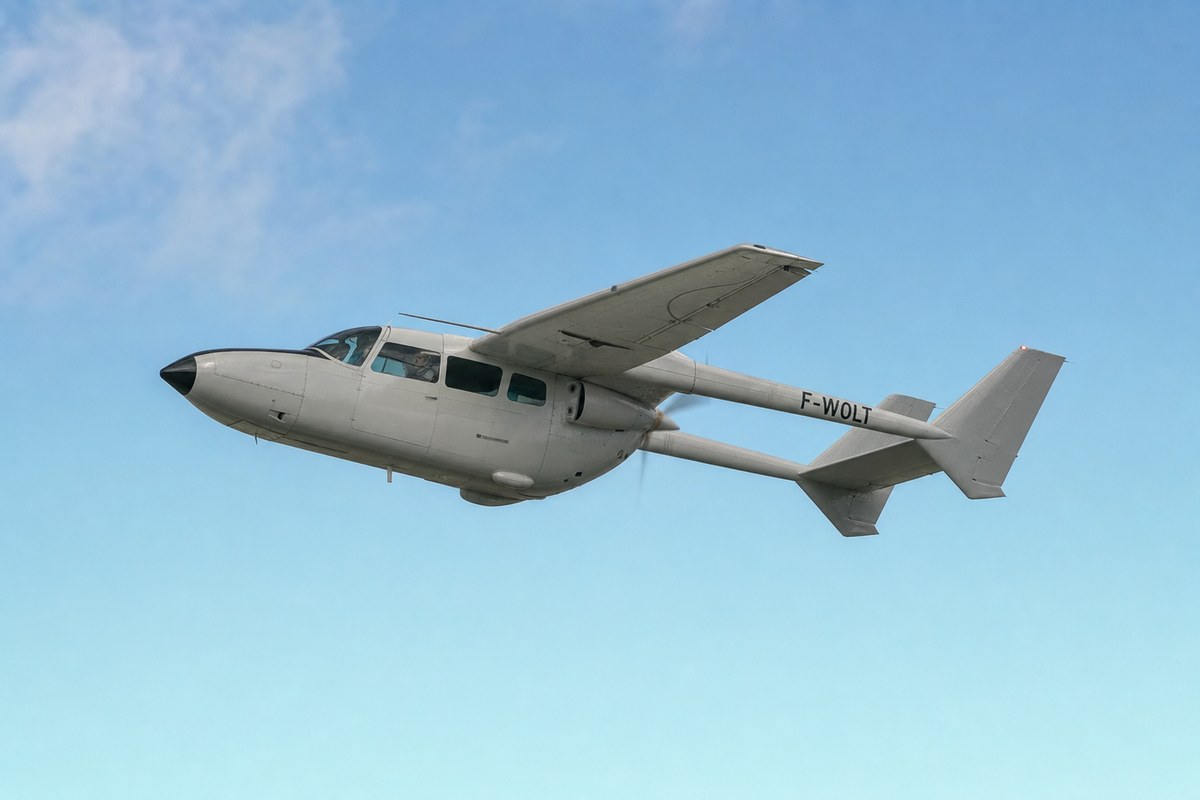
The twin-boom, pusher-configuration aircraft is being used by Aura Aero to support development of its 19-seat ERA regional airliner. The company says it has now completed more than 350 hybrid-electric and all-electric flights across the X-Volt and its two-seat all-electric trainer, the Integral E, which it is targeting for 2027 certification.
As VoltAero's flying testbed, the Cessna 337 Skymaster first flew in October 2020. Its modifications included a new propulsion system in a pusher configuration in the aft fuselage and a pair of wing-mounted Safran EngineUs electric motors. The platform had been intended to inform the powertrain for VoltAero's Cassio family of aircraft, the first of which — the hybrid-electric Cassio 330 — was planned to begin flight testing in the first half of 2026.
VoltAero ran out of funds after approximately $5.8 million in equity capital promised by France's ACI Group was not delivered, and the company filed for insolvency in October 2025. In January 2026, Toulouse-based Aura Aero announced the acquisition of VoltAero's assets, including what it described as proven hybrid-electric technologies and rare experience in applicable architectures. At the time of acquisition, Aura Aero stated that the X-Volt had completed 270 flights and covered approximately 25,000 kilometers under a variety of operating conditions, describing it as a direct catalyst for its electric and hybrid-electric development programs.
Industry impact & what to watch
This case illustrates a recurring outcome when an electric or hybrid-electric aircraft developer runs out of capital: the flight-test asset itself, along with the accumulated flight hours behind it, retains value even after the company that built it fails. Rather than scrapping the hardware, a competitor with an adjacent program can absorb it and inherit years of test data in a single transaction.
How this works economically depends on the specific powertrain overlap. Aura Aero's ERA regional airliner and VoltAero's Cassio family both relied on electric propulsion architectures, which is why the wing-mounted motors and pusher-configuration testbed transferred usefully rather than requiring a rebuild. The prior operator's 270 flights and roughly 25,000 kilometers of testing became a starting point rather than a target to be replicated from scratch.
What remains to be seen is whether Aura Aero's 2027 certification target for the Integral E trainer, and its broader ERA program timeline, will hold now that the X-Volt is generating fresh flight data under new ownership. The next marker will be whether Aura Aero discloses further flight totals or test milestones tied specifically to ERA powertrain validation.