RFDS Queensland to Modernise Air Ambulance Fleet with HeliMods Aeromedical Fit-Out
Why It MattersThe program shows how aeromedical fleet renewal depends on pairing an airframe order with a specialised local completions partner to deliver mission-ready capability rather than a stock aircraft.
What happened
The Royal Flying Doctor Service (Queensland Section) is modernising its fixed-wing air ambulance fleet, contracting Queensland-based HeliMods to design and install a bespoke Aeromedical Mission System in the new aircraft. RFDS Queensland CEO Meredith Staib said the organisation will take delivery of King Air aircraft from Textron Aviation over the next four years.
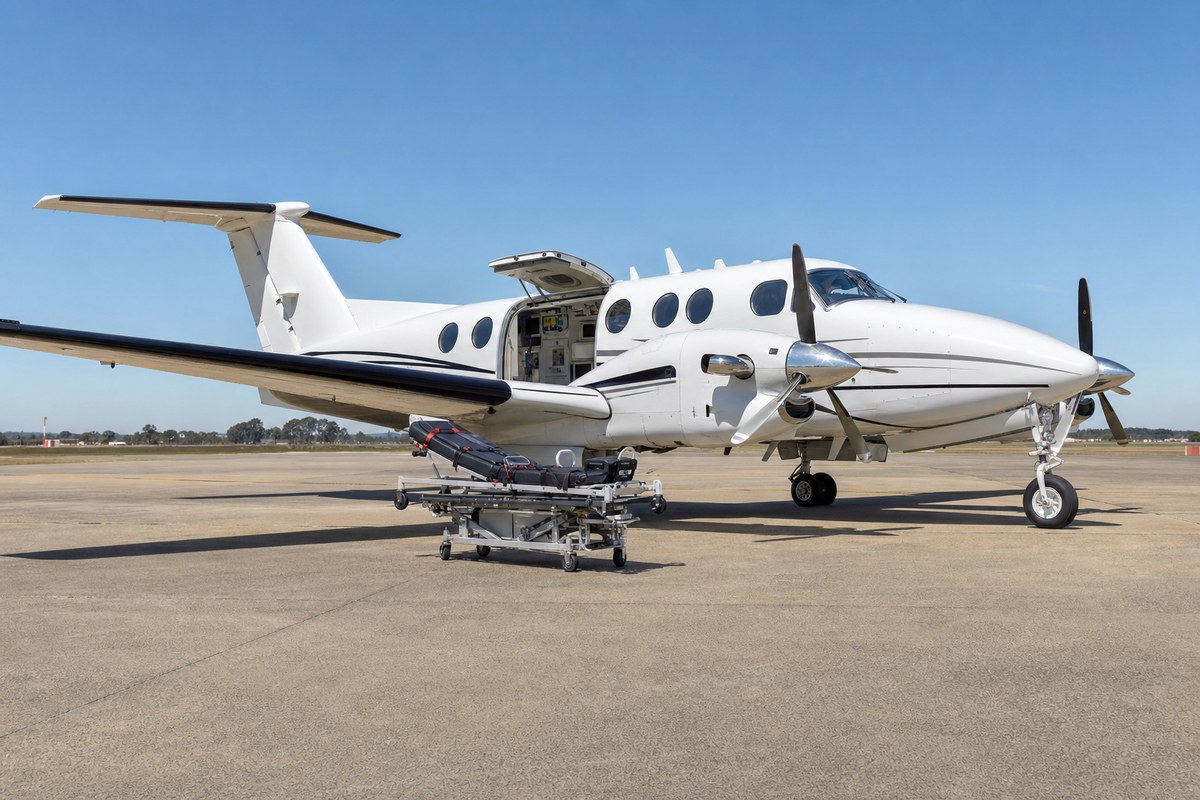
The first aircraft, a King Air 260C fitted with a full HeliMods aeromedical configuration, is expected to arrive in 2028, timed to coincide with the organisation's centenary. HeliMods has previously modified six Beechcraft King Air B360s for the RFDS into advanced air medical aircraft, incorporating stretchers, integrated oxygen systems, and digital connectivity.
Staib said HeliMods "has been a valued partner of the RFDS for many years," adding that the two organisations are "developing an advanced aeromedical fit-out that will support our crews to deliver the highest standard of care, enhance operational capability, and help ensure Queenslanders can access critical healthcare no matter where they live."
Industry impact & what to watch
This deal illustrates how aeromedical operators renew capability in two linked steps: an airframe commitment to an OEM like Textron Aviation, paired with a dedicated completions specialist who turns that airframe into a functioning flying ICU. The King Air platform recurs here because RFDS Queensland has already run six B360 conversions with HeliMods, giving both parties a track record on stretcher, oxygen and connectivity integration to build the next configuration from.
Fleet modernisation on this timeline also shows how aeromedical providers plan around multi-year delivery schedules rather than single-aircraft purchases, with the King Air 260C arriving first in 2028 ahead of the rest of the order over the following years. Watching how the remaining aircraft in the four-year delivery run are configured, and whether the AMS design used on the 260C is standardised across the fleet, will indicate how much of this program is genuine capability expansion versus like-for-like replacement of the existing King Air fleet.