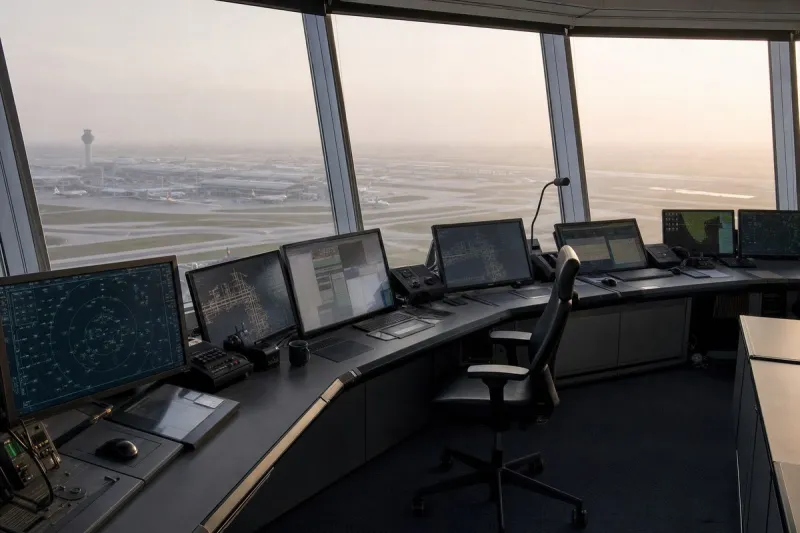
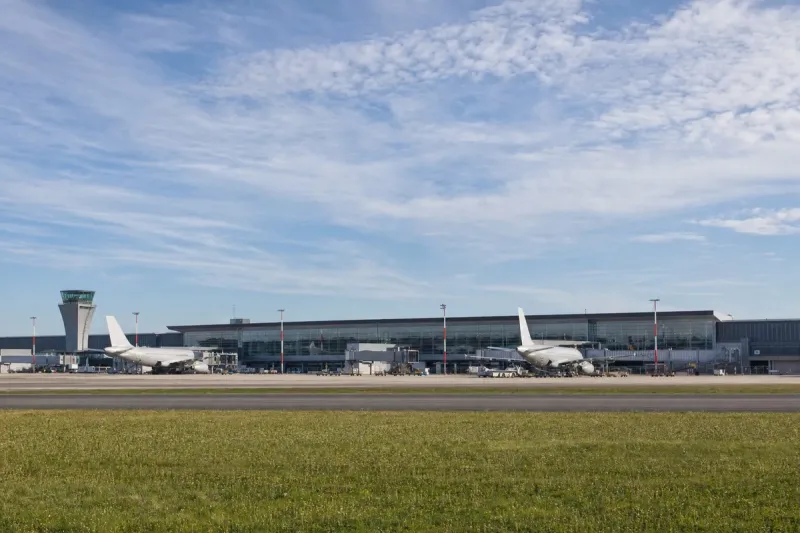
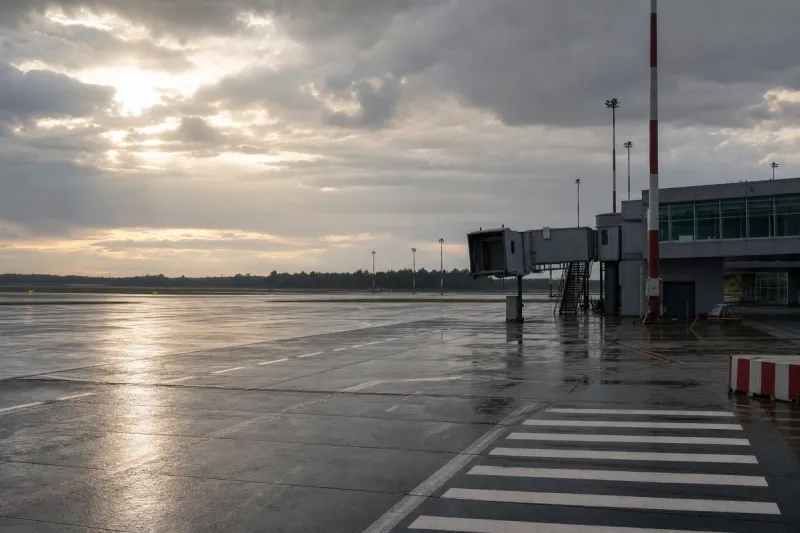
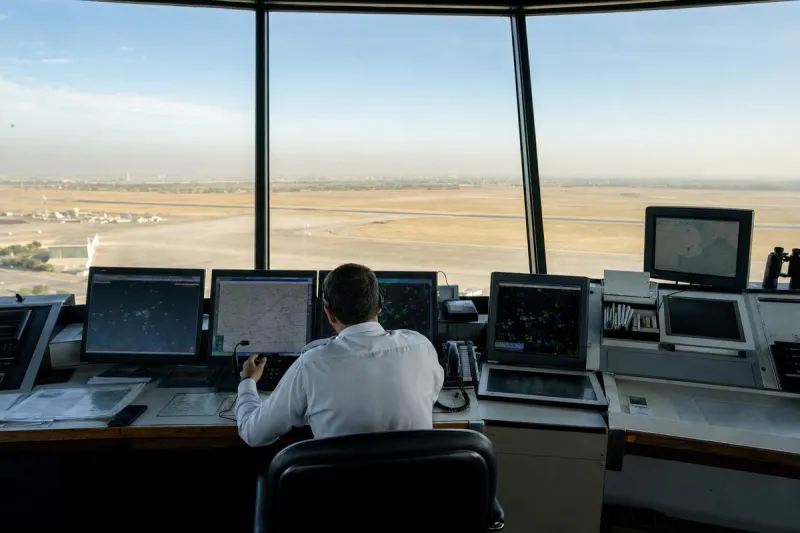
SFO's Runway 1 Right to Reopen Sept. 29, Three Days Ahead of Schedule
Why It MattersThe closure shows how tightly spaced parallel runways constrain arrival capacity independent of a single runway's status, since FAA visual-approach rules cut throughput even before the pavement work began.
What happened
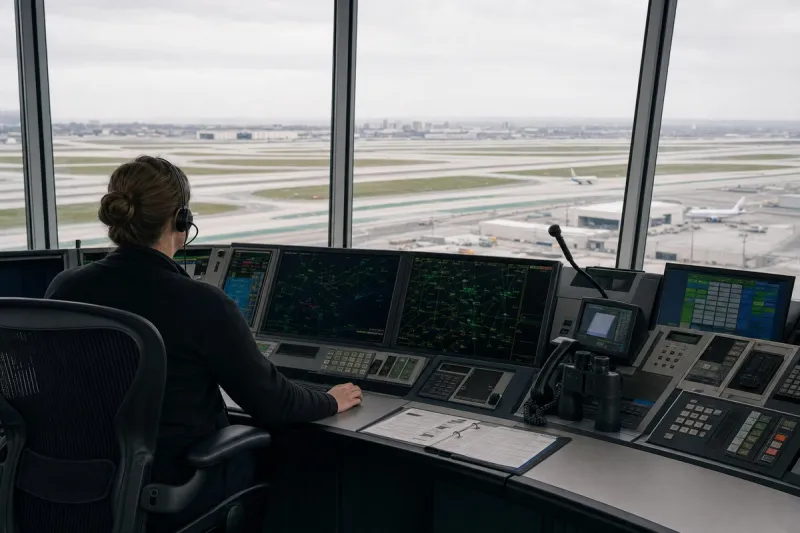
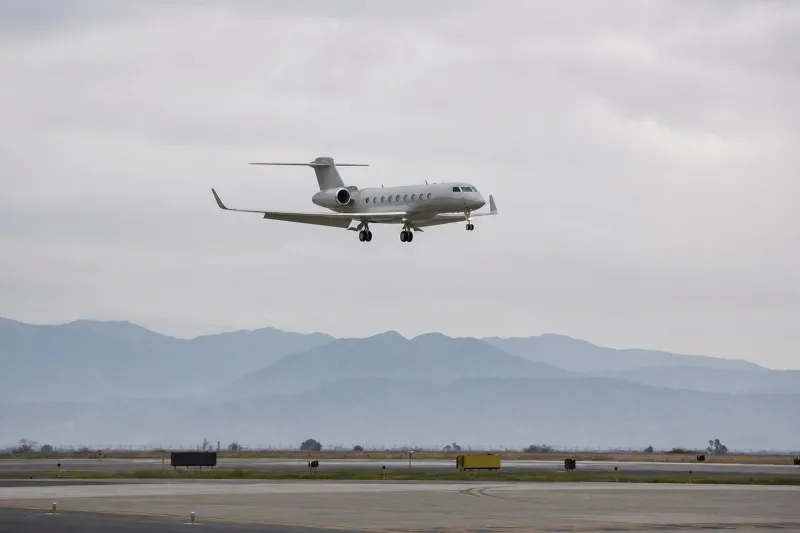
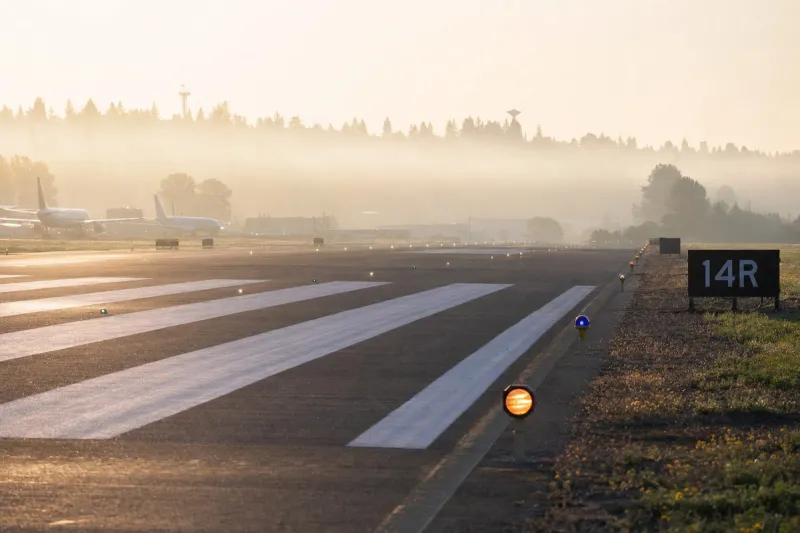
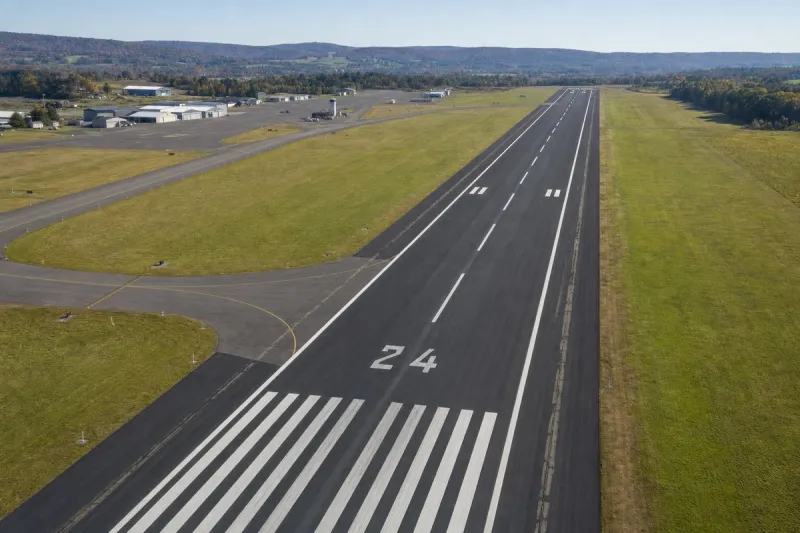
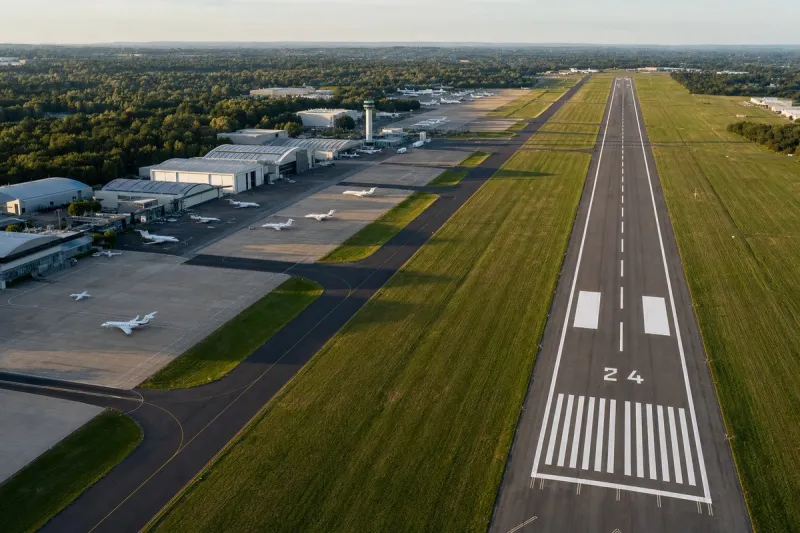
San Francisco International Airport's Runway 1 Right is expected to reopen on September 29, three days ahead of its originally scheduled October 2 completion date, airport officials have announced.
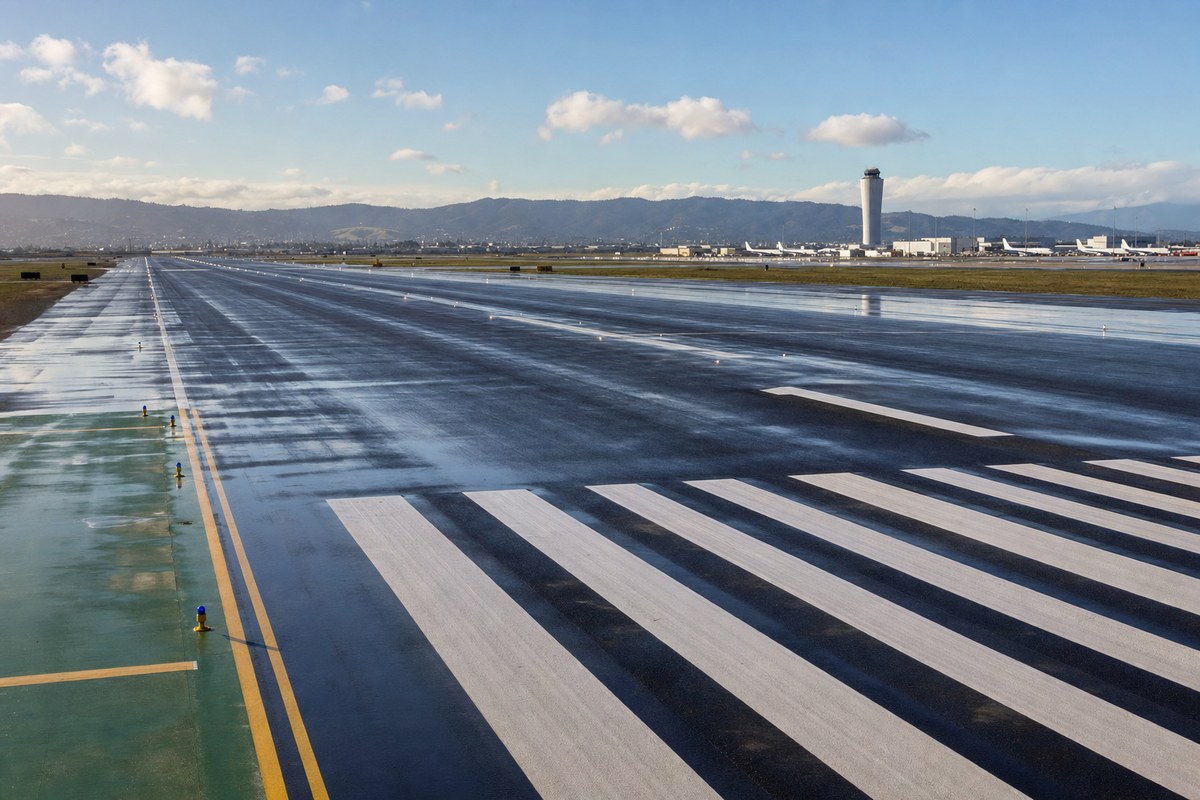
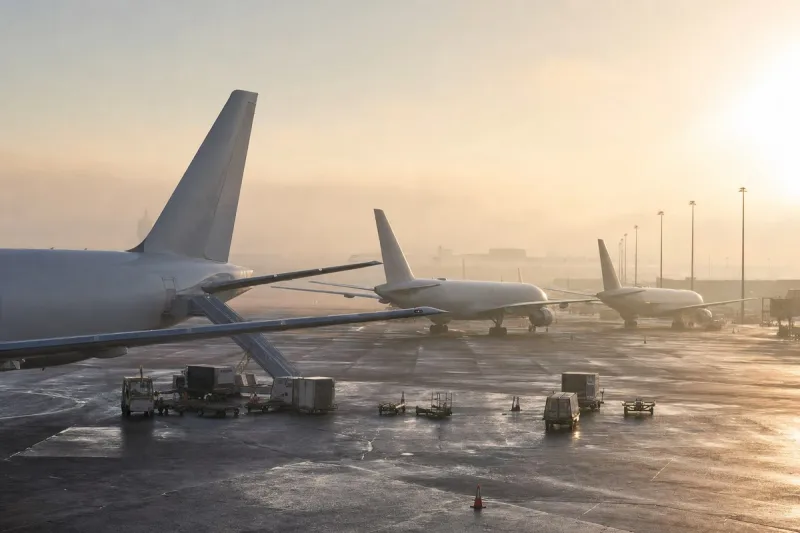
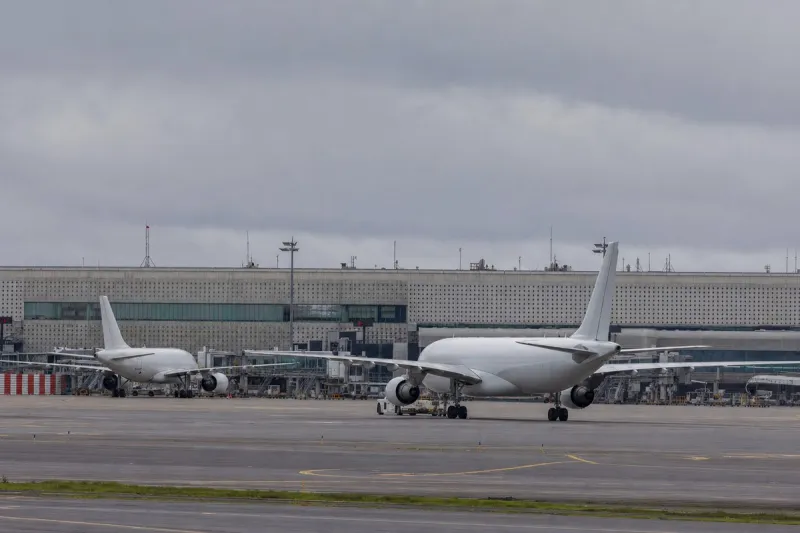
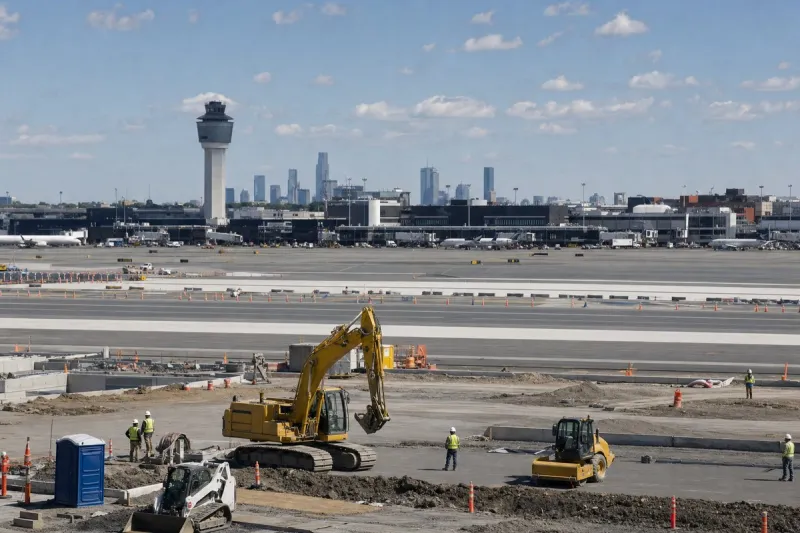
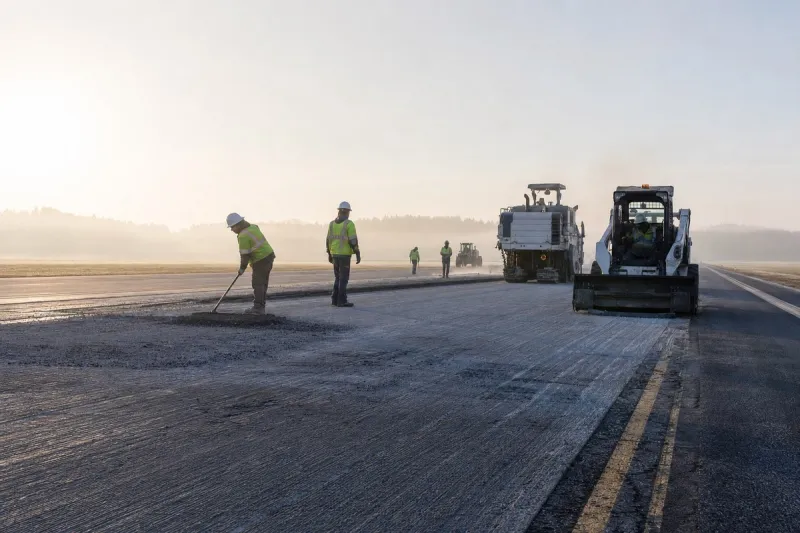
The runway has been closed since March 30 while crews repaved the surface, rebuilt portions of nearby taxiways, upgraded lighting and replaced pavement markings. The project is being built by Granite Construction, which was awarded the contract in May 2025. The total project cost is approximately $215 million, including $92.1 million in FAA funding, up from SFO's initial estimate of $180 million. During the closure, SFO shifted arrivals and departures to Runways 28 Left and 28 Right, while Runway 1 Left was used as a taxiway to reduce congestion near the construction zone.
With the runway back in service, SFO expects to handle about 45 to 48 arriving aircraft per hour, depending on weather and operating conditions. Airport spokesperson Doug Yakel said 48 arrivals per hour would essentially return the airport to normal operations, noting that while SFO's maximum capacity was 54 landings per hour, that figure was rarely reached in practice.
In March, the FAA stopped allowing side-by-side visual approaches to SFO's closely spaced east-west runways, cutting the clear-weather arrival rate from 54 aircraft per hour to about 36. In August, the FAA began permitting staggered parallel approaches, raising the rate to roughly 40 arrivals per hour. A San Francisco Chronicle analysis found that average flight delays at SFO rose to about 20 minutes between April 1 and June 10, compared with roughly 5 minutes during the same period a year earlier, and the share of flights delayed 15 minutes or more more than doubled. As of August, about 40% of flights were delayed on average, well above SFO's initial projection that fewer than 15% of flights would be affected by the closure.
Industry impact & what to watch
The episode illustrates how a single runway closure can cascade through an airport's entire arrival structure when its remaining runways are not independent of each other. SFO's 750-foot separation between its east-west runways meant the FAA's parallel-approach rules, not just the construction itself, drove much of the capacity loss, cutting clear-weather arrivals from 54 to 36 per hour before staggered approaches lifted that back to about 40.
That gap between planned and actual disruption, projected delays under 15% versus roughly 40% of flights affected by August, shows how capacity forecasts at slot-constrained airports can be undermined by regulatory changes that have nothing to do with the physical project timeline. Even with Runway 1 Right back in service, SFO's fair-weather ceiling of about 45 arrivals per hour still falls short of the 54-per-hour maximum, and low visibility drops that further to about 36.
What happens with arrival rates once the runway reopens on September 29, and whether the FAA revisits its parallel-approach restrictions now that repaving is complete, will determine how much of the delay pattern built up this year persists into the fall schedule.