Iraq returns western airspace to civilian control, ending military restrictions in place since 2016
Why It MattersReopening long-restricted airspace lets a civil aviation authority redesign routings across a wider area, a structural change that can ease congestion and route efficiency well beyond the country itself.
What happened
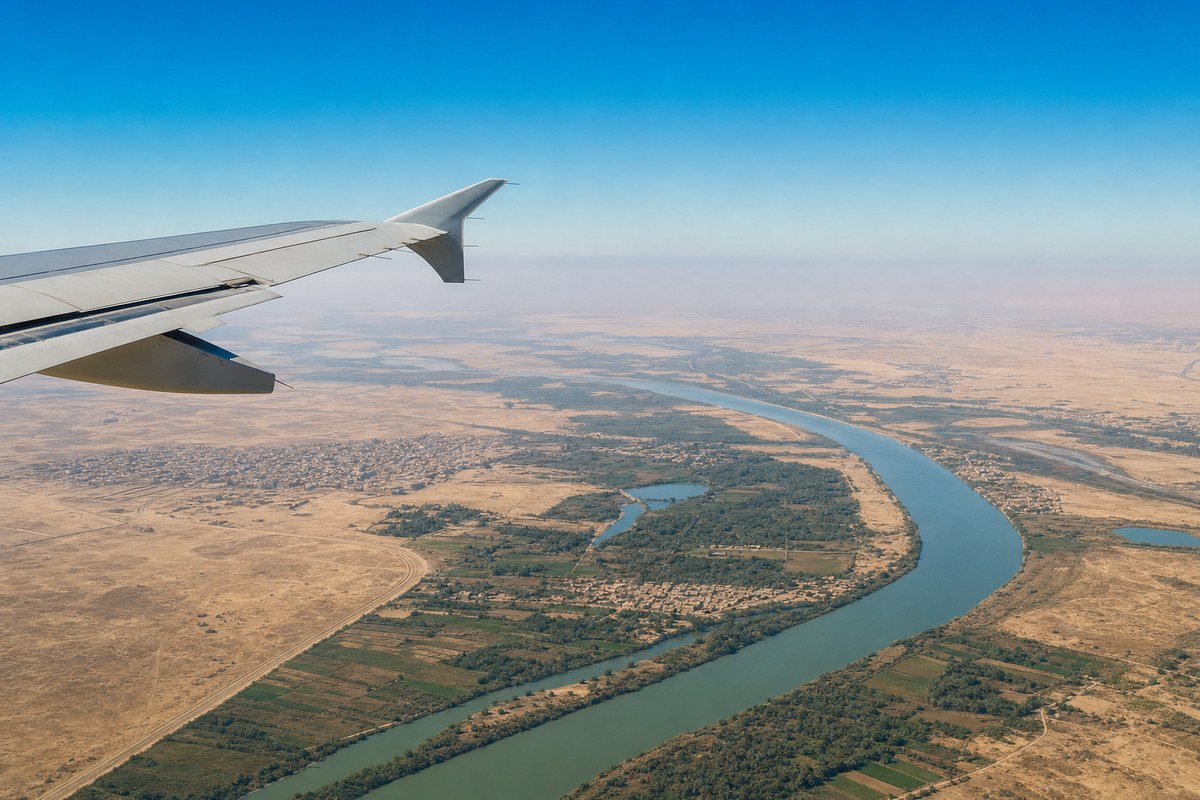
Iraq announced on Friday that restricted airspace across the western part of the country has been handed over to civilian authorities, ending limits that had been in place since 2016 for military operations against the Islamic State group. The transport ministry said all previously reserved zones stretching across western Iraq from north to south had been transferred to the authority responsible for airports and air navigation for use by civil aviation.
Ehab Saad Karim, director of the General Company for Airports and Air Navigation Management, confirmed at a press conference that military air zones listed in the Iraqi aeronautical guide are no longer being used for military operations. He said the decision followed years of technical and institutional work aimed at improving the efficiency and flow of air traffic, and that reopening the routes would boost revenue, improve civilian air traffic flow and support the national economy. Transport Ministry spokesperson Hussein Ahmed told Reuters that the technical and regulatory steps required to complete the handover would be finished by October 1.
The restricted areas had been designated for military operations against the Islamic State group in 2016 and 2017, when large parts of Iraq's western desert were used as bases for those operations. The ministry said the lifting of the military-zone restrictions was also part of withdrawal procedures as Iraq and the United States implement arrangements for the departure of remaining troops from the US-led international coalition.
Industry impact & what to watch
Handing military-reserved zones back to civil control is a familiar pattern after a conflict-driven airspace closure ends: the underlying corridors did not disappear, they were simply unavailable for routing decisions made by air navigation authorities for years. Restoring them to civilian management typically lets planners straighten routings that had been forced around the restricted zones, which can shorten flight times and reduce fuel burn for traffic transiting the region.
How much this changes for operators depends on how the General Company for Airports and Air Navigation Management actually redraws the routes once the October 1 handover steps are complete, since a formal transfer of authority does not by itself guarantee new published procedures on day one. The tie to the drawdown of the US-led coalition's remaining troop presence also links the airspace change to a broader withdrawal timeline rather than a purely aviation-driven decision.
The next marker is whether Iraq's aeronautical guide is updated to reflect new civilian routings through the former military zones once the October 1 deadline passes, and whether carriers flying through Iraqi airspace report measurably different routings as a result.