Monmouth Executive Airport to Close Main Runway Sept. 14–Oct. 15 for $1.7M State-Funded Repaving
Why It MattersState infrastructure funding can resolve a stalled airport dispute and reset an owner's investment plans, showing how a single grant decision can determine a general-aviation field's operational trajectory.
What happened
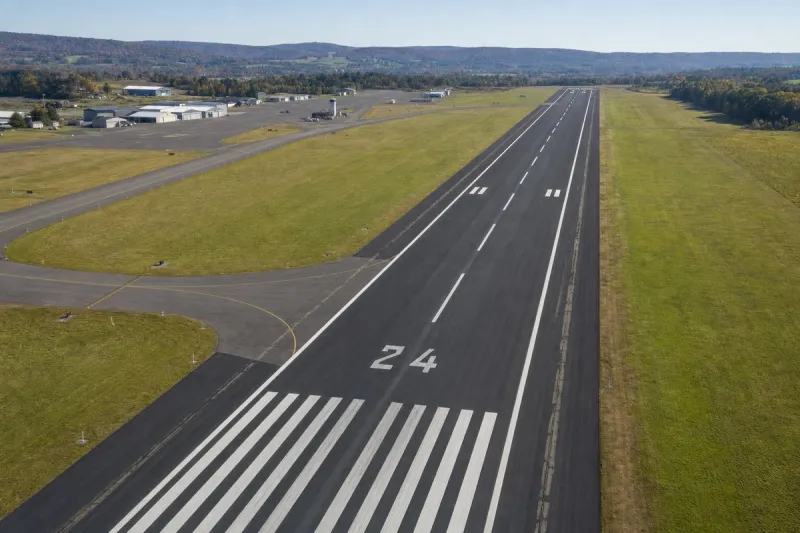
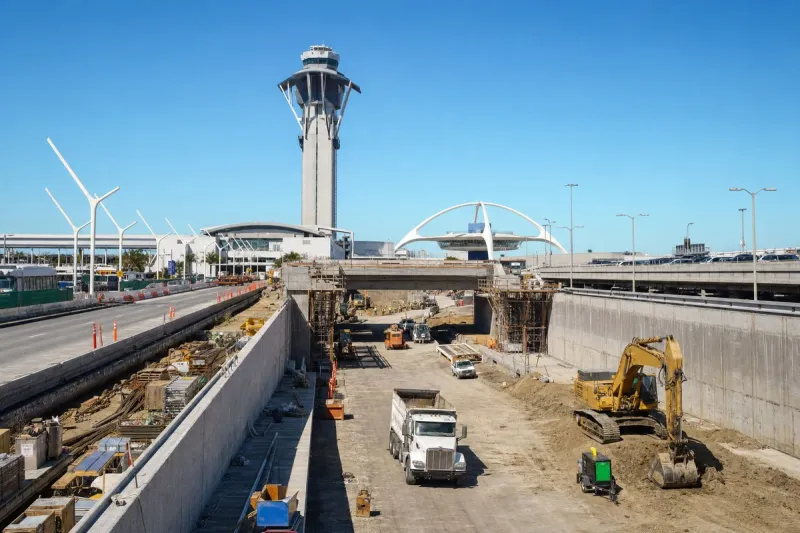
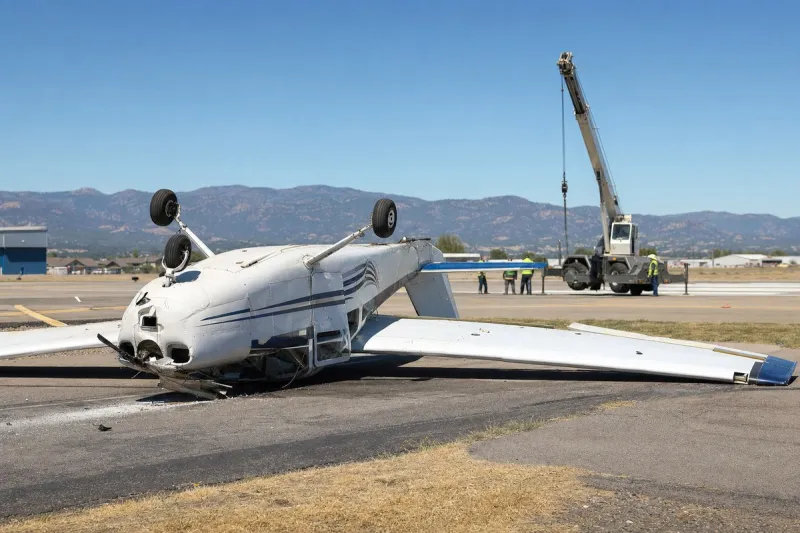
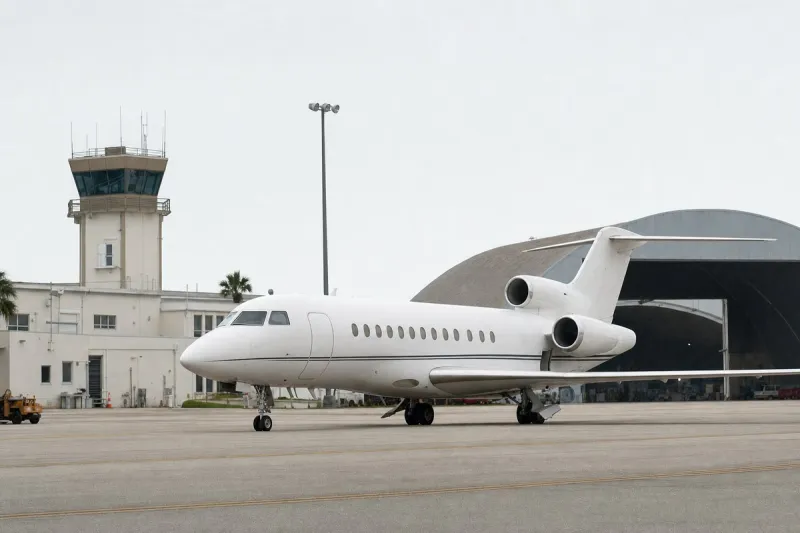
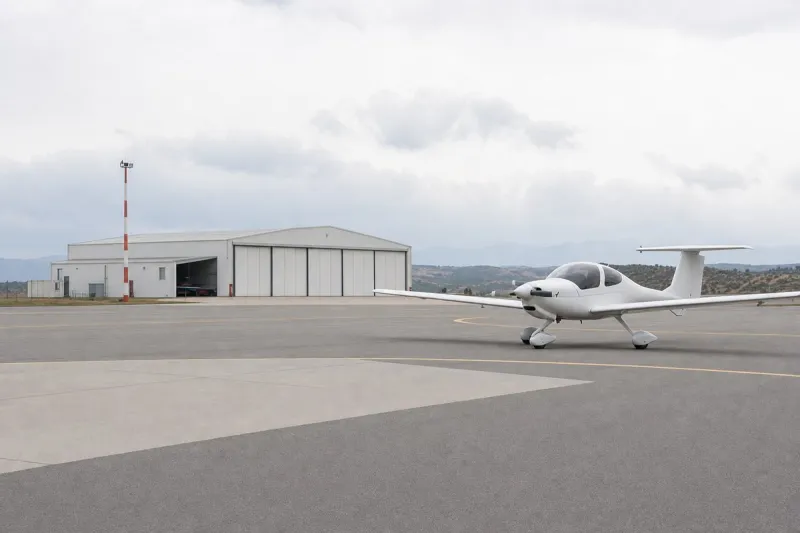
Monmouth Executive Airport in Wall, New Jersey, will shut its sole main runway from September 14 to October 15 for a repaving and resurfacing project, with a groundbreaking ceremony held on the first day of closure. The $1.7 million project is funded in part by a state grant from the New Jersey Department of Transportation, included in New Jersey's 2025 state budget for runway repairs and enhancements. Airport management posted a temporary closure notice confirming helicopter operations and 24/7 hangar access will continue throughout construction.

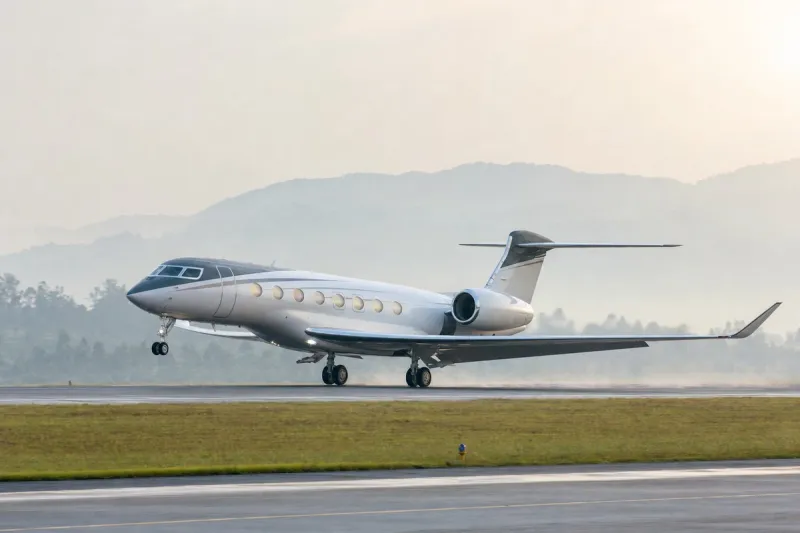
Terminal manager Megan Cook said the timing was chosen to minimize disruption, noting the airport's peak season runs from mid-June to early September, when it handles roughly 45 jet arrivals per day on busy days, with traffic dropping off after Labor Day. Airport owner Alan Antaki, who bought the former Allaire Airport in 2013 through the Wall Herald Corp. from the estate of Ed Brown — a self-taught aviator and Navy pilot who built the airport in 1938 — confirmed on September 1 that the state funding allows him to proceed with the work. He said he was grateful to the Wall Township administration, mayor, and council for assistance with permits.
The grant also played a role in ending a dispute in which Monmouth County had explored acquiring the airport through eminent domain between 2023 and 2025; the state funding dissuaded county officials from pursuing that course. The airport sits on 745 acres, of which approximately 350 are officially zoned as airport land. Antaki said he plans to build additional hangars next, citing nearby developments — including a Netflix film studio planned at Fort Monmouth — as factors in the airport's potential as a regional aviation hub. "The most critical aspect of an airport is its runway," Antaki said.
Industry impact & what to watch
This case shows how a targeted state grant can simultaneously fund physical infrastructure and settle a governance standoff: the same $1.7 million allocation that pays for repaving also removed the county's rationale for pursuing eminent domain against the airport. For a small general-aviation field, ownership certainty and runway condition are linked assets — an owner facing possible county acquisition has limited incentive to invest in hangars or long-term capacity, so resolving the funding question unlocked both the repaving and Antaki's stated plans for additional hangar construction.
Scheduling the closure for the September-to-October window, after the mid-June-to-early-September peak when the airport handles about 45 jet arrivals per day, reflects how single-runway airports manage capital work: with no parallel runway to absorb traffic, the only lever is timing the closure against seasonal demand rather than splitting the work into phases.
What happens after October 15 will depend on how quickly the airport can convert the improved runway into the hangar development and regional-hub positioning Antaki described, particularly given the proximity of large projects like the planned Netflix film studio at Fort Monmouth. Whether the county's interest in acquisition resurfaces once construction concludes is also worth tracking, given how recently that dispute was active.