Egnatia Aviation Inaugurates Lydia Aerodrome in Greece, Marking 20th Anniversary
Why It MattersThe project shows a flight-training academy building and owning dedicated airport infrastructure to control capacity as cadet intake and training-hour volumes keep rising year on year.
What happened
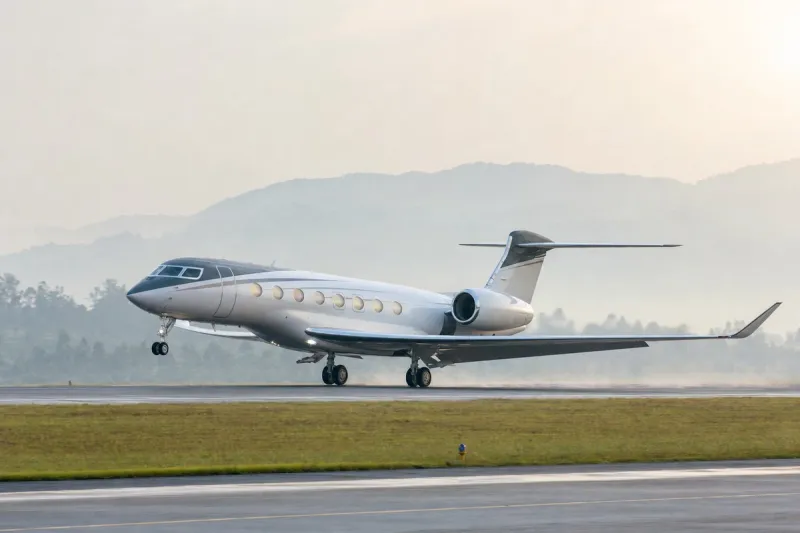
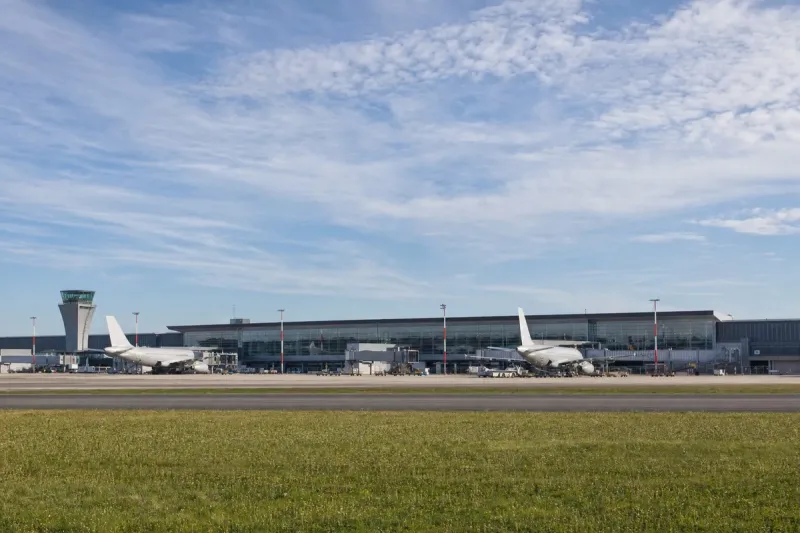
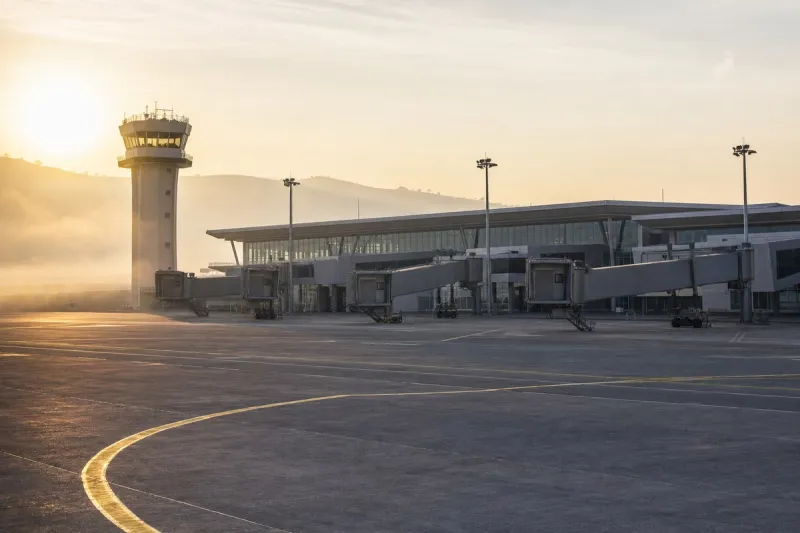
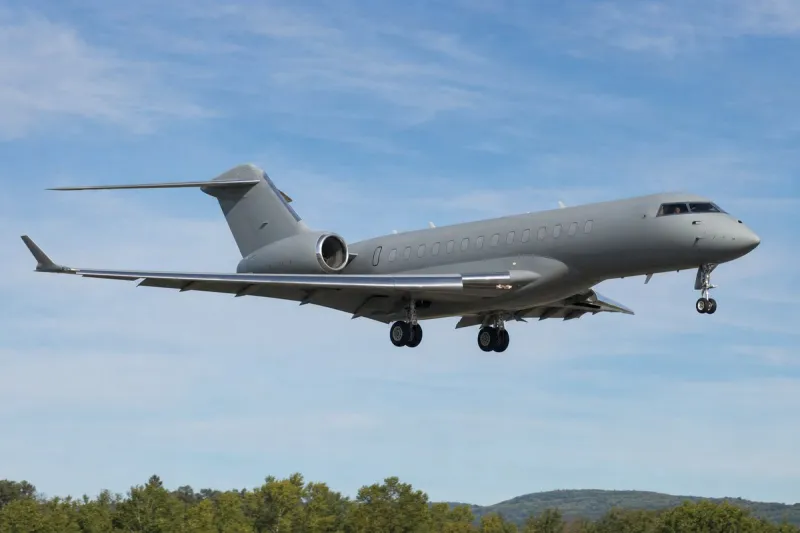
Egnatia Aviation formally inaugurated Lydia Aerodrome in Amygdaleonas, Kavala, northern Greece on September 18, 2026, timed to coincide with the flight-training academy's 20th anniversary since it began commercial pilot training in 2006. The Athens-Macedonian News Agency described Lydia as the first privately owned general aviation airport in Greece. The site, located about 5 km northwest of Kavala, has supported Egnatia's training operations since an Egnatia Diamond DA42 NG named "Lydia First" landed at the reconstructed former Amygdaleonas airfield on January 3, 2023; the September 18 event marked the formal inauguration rather than the start of flight activity.
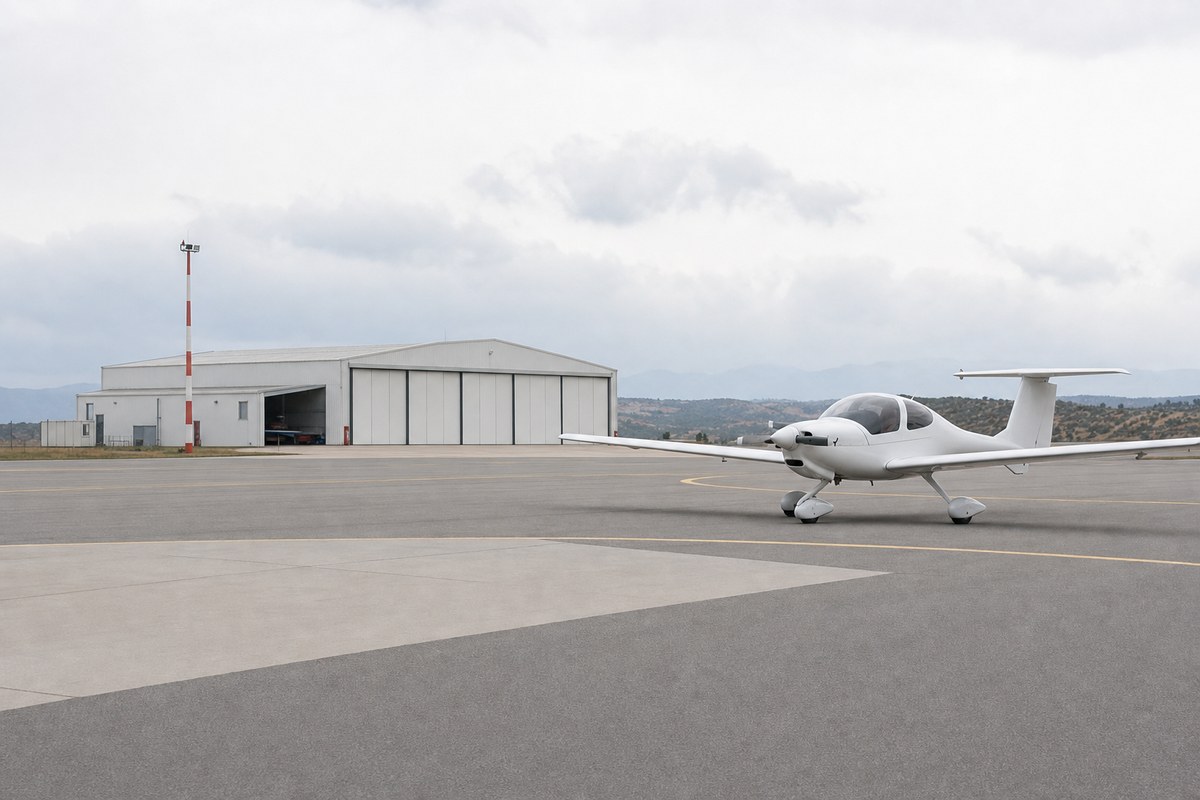
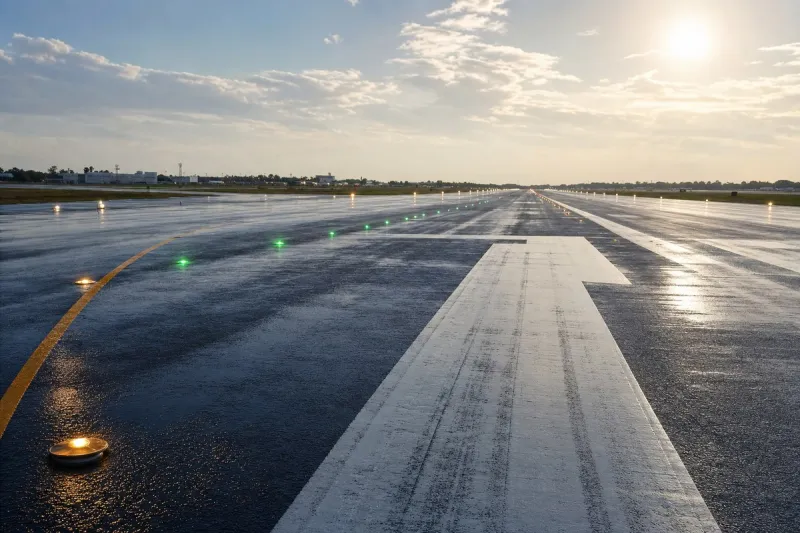
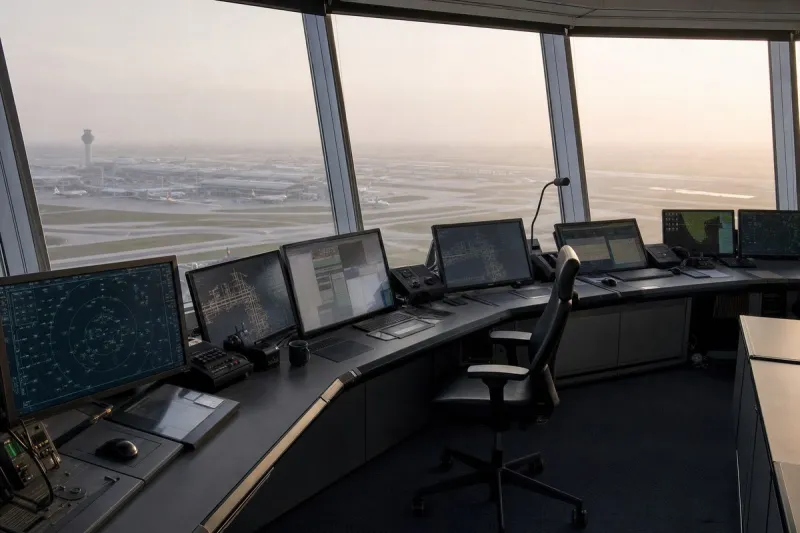
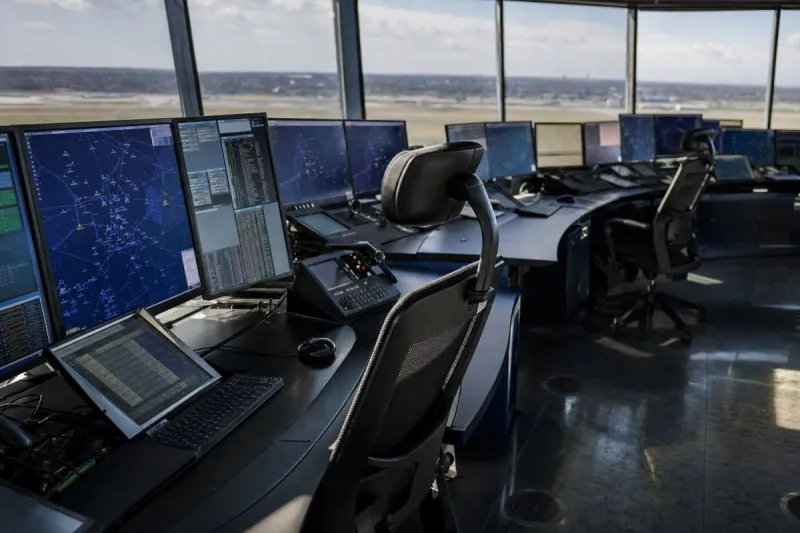
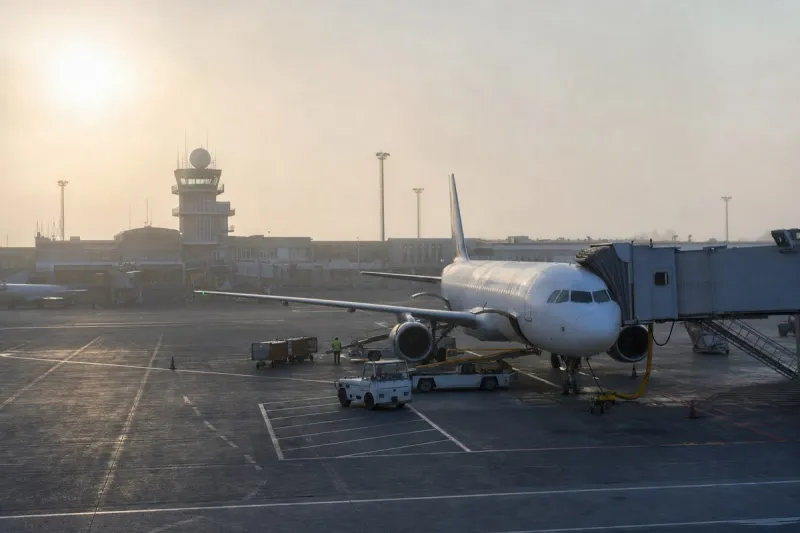
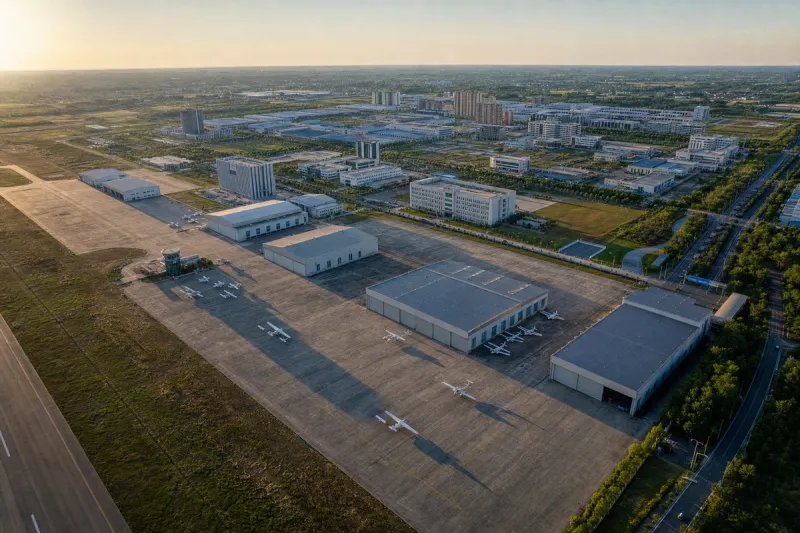
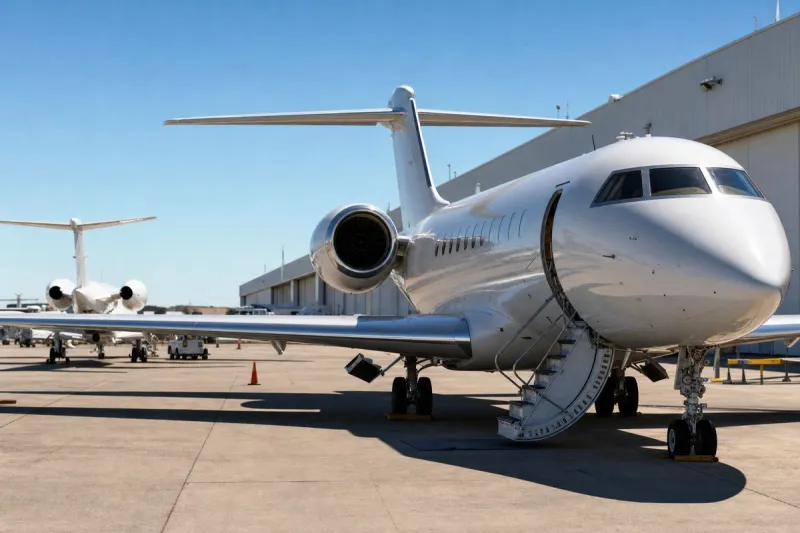
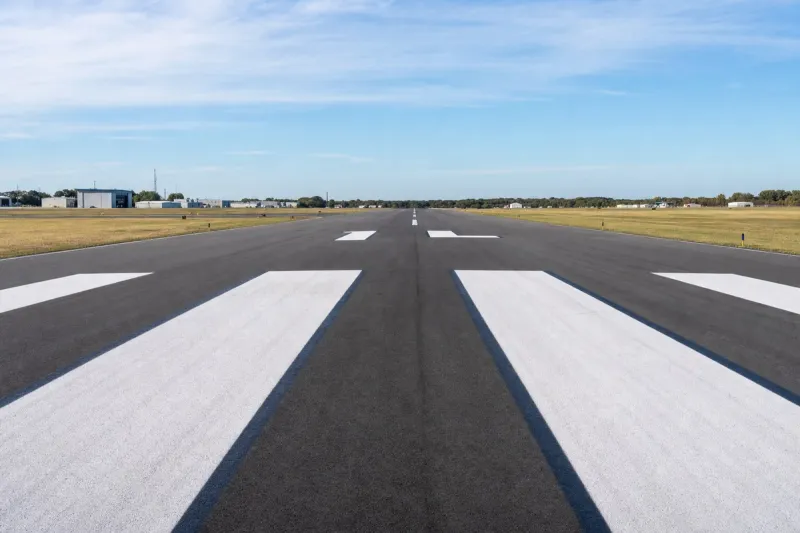
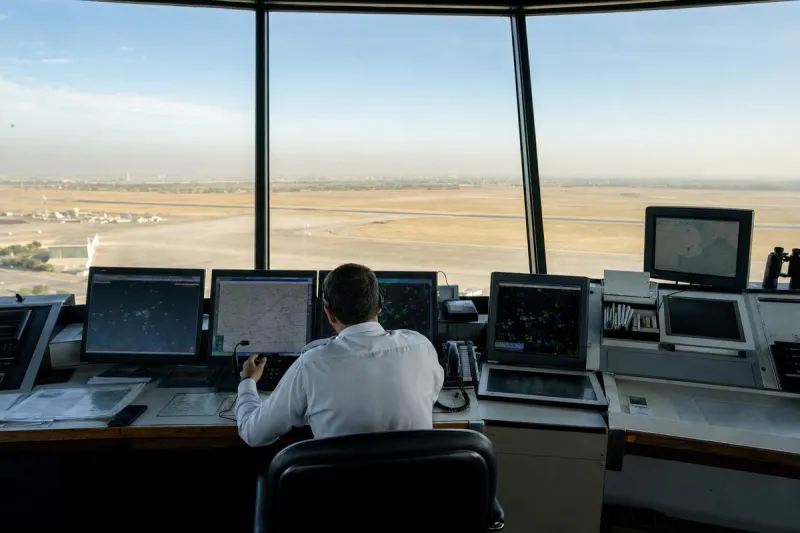
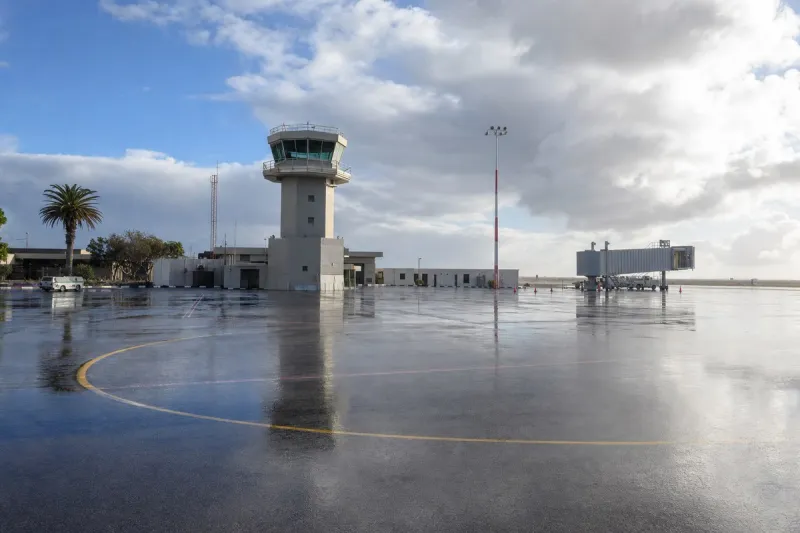
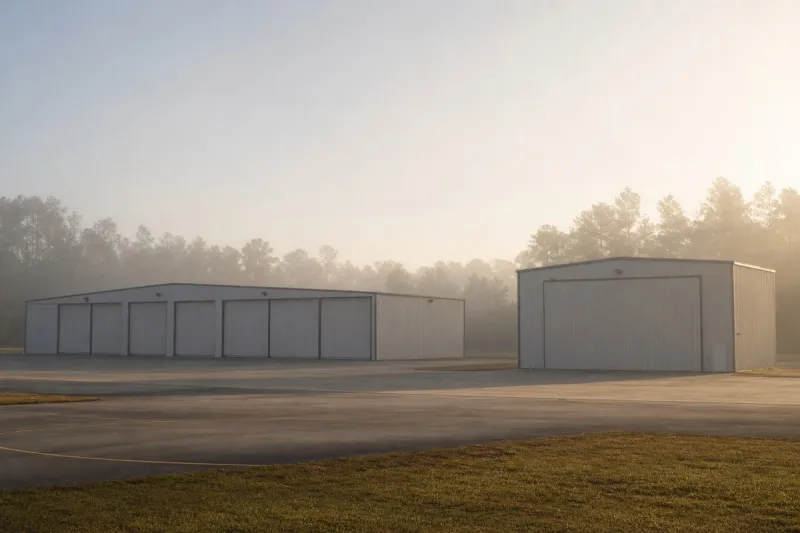
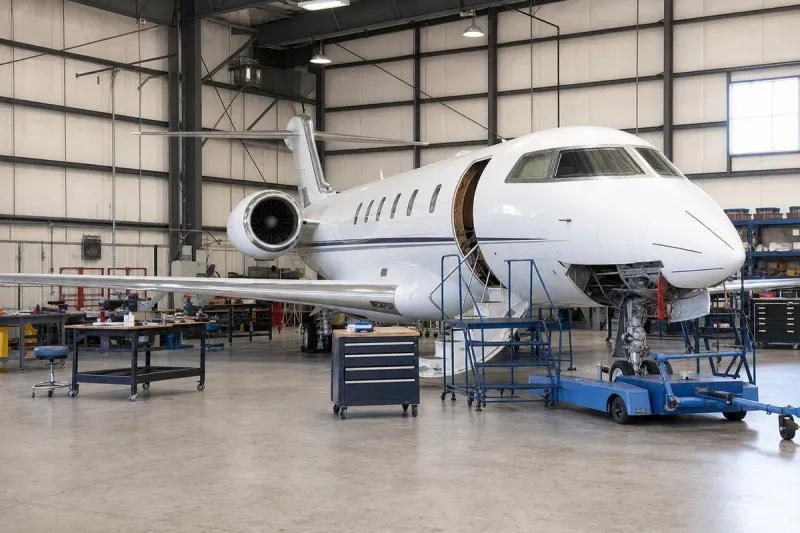
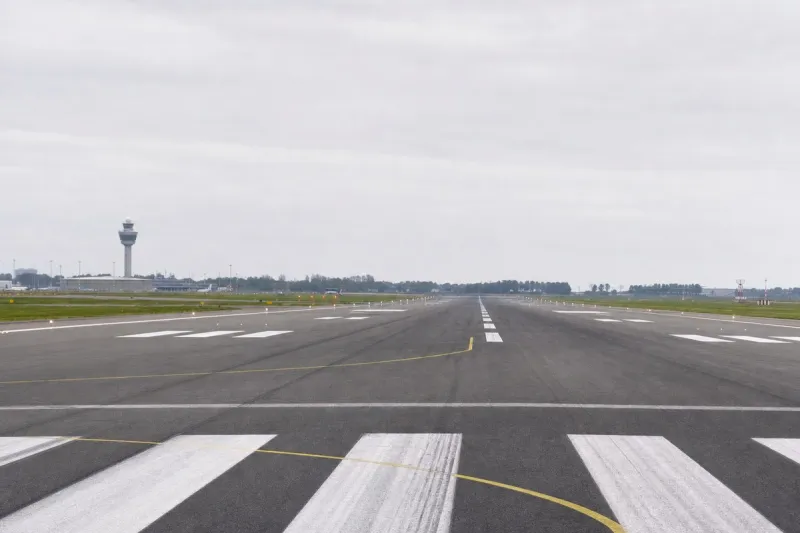
The aerodrome has a 1,330 m × 28 m asphalt runway, 28 aircraft parking stands, an air traffic control tower, a new taxiway system, fuel services, maintenance infrastructure and two dedicated fire vehicles. It is approved for day and night VFR operations, averages 14 operating hours per day across 360 operating days per year, and accommodates aircraft up to 5,700 kg MTOW. It offers Jet A-1, AVGAS 100LL and MOGAS 95UL fuel. In March 2026 alone, Lydia recorded 2,975 movements and 2,325 flight hours, with 116 cadets active on the flight line that month.
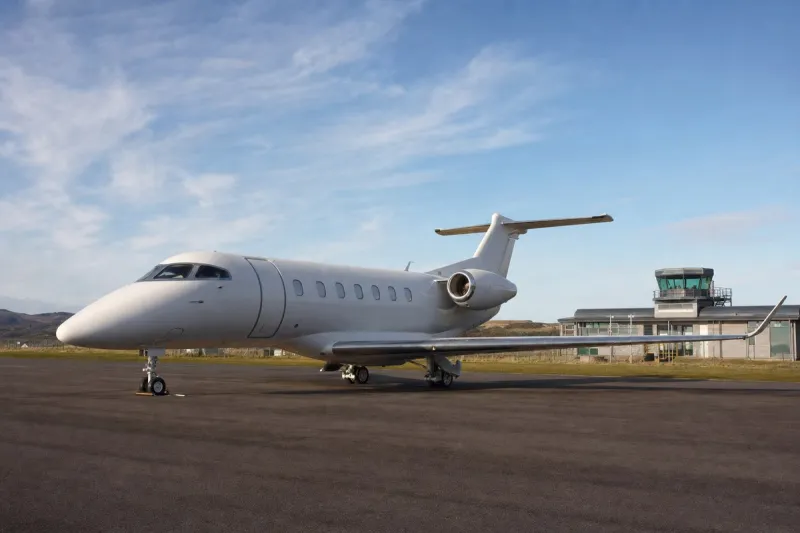
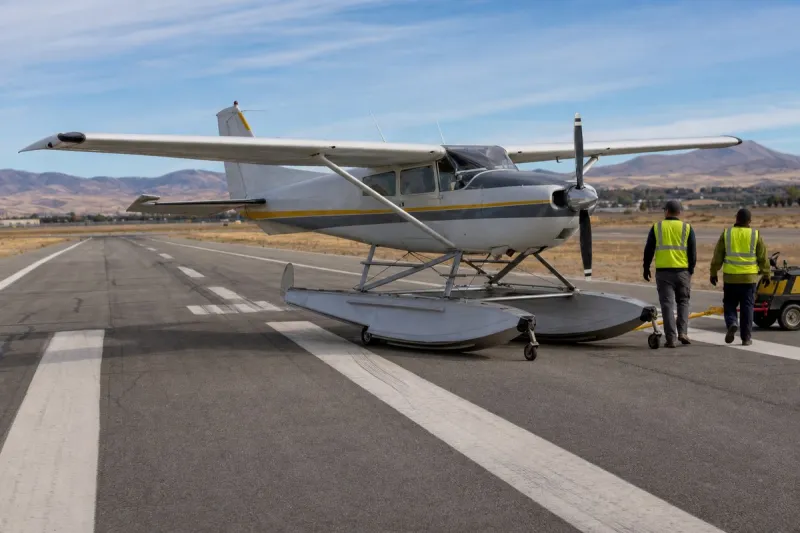
Egnatia's integrated airline pilot programme comprises 226.2 training hours, including 124.7 hours on Elixir and Diamond DA40 single-engine aircraft, 19 hours on the Diamond DA42, 42.5 hours on FNPT II simulators and 40 hours of APS MCC simulator training. Cadet intake grew 18% year-on-year in 2025, while delivered training hours increased 21%. Six Elixir aircraft were added during 2025 and a further nine were on order at year-end. The academy states its graduates are employed by more than 60 airlines, that its aircraft generate more than 25,000 training flight hours annually, and that it has trained students from 57 countries with more than 2,700 working alumni. It is continuing to develop training and management buildings, a terminal and accommodation facilities as part of a wider Kavala training-campus development progressed during 2025.
Industry impact & what to watch
Flight academies have traditionally leaned on shared regional airports for training slots, competing with commercial and general traffic for runway time. Egnatia's move to build and own a dedicated aerodrome removes that constraint directly: with 28 parking stands, 14-hour daily operating windows across 360 days a year, and night VFR approval, the airport is sized specifically around cadet throughput rather than mixed traffic.
The scale only makes sense against the training volumes behind it — 2,975 movements and 2,325 flight hours in a single month, 116 cadets on the line, and double-digit annual growth in both intake and delivered hours. An academy expanding its single-engine fleet with six new Elixir aircraft in 2025 and nine more on order signals that Lydia's capacity is being built ahead of, not in response to, near-term demand.
What comes next is the pace of the wider Kavala campus buildout — the training and management buildings, terminal and accommodation facilities Egnatia says are still in progress. Whether that infrastructure keeps up with cadet growth, and how the academy's more than 60 airline placement partners absorb an expanding graduate pipeline, will determine whether owning the aerodrome outright becomes a model other academies replicate.