FAA Closes $14.5 Billion Airport Infrastructure Program With $870 Million Final Round; LAX Receives $289 Million
Why It MattersWith the formula-driven program concluded, future federal airport capital support depends on new appropriations, and enplanement-based allocation will keep steering the largest shares toward already-growing large hubs.
What happened
The Federal Aviation Administration has closed its five-year, $14.5 billion Airport Infrastructure Grant program, authorized under the 2021 Bipartisan Infrastructure Law, with a final August 4 round of 339 grants totaling $870 million.
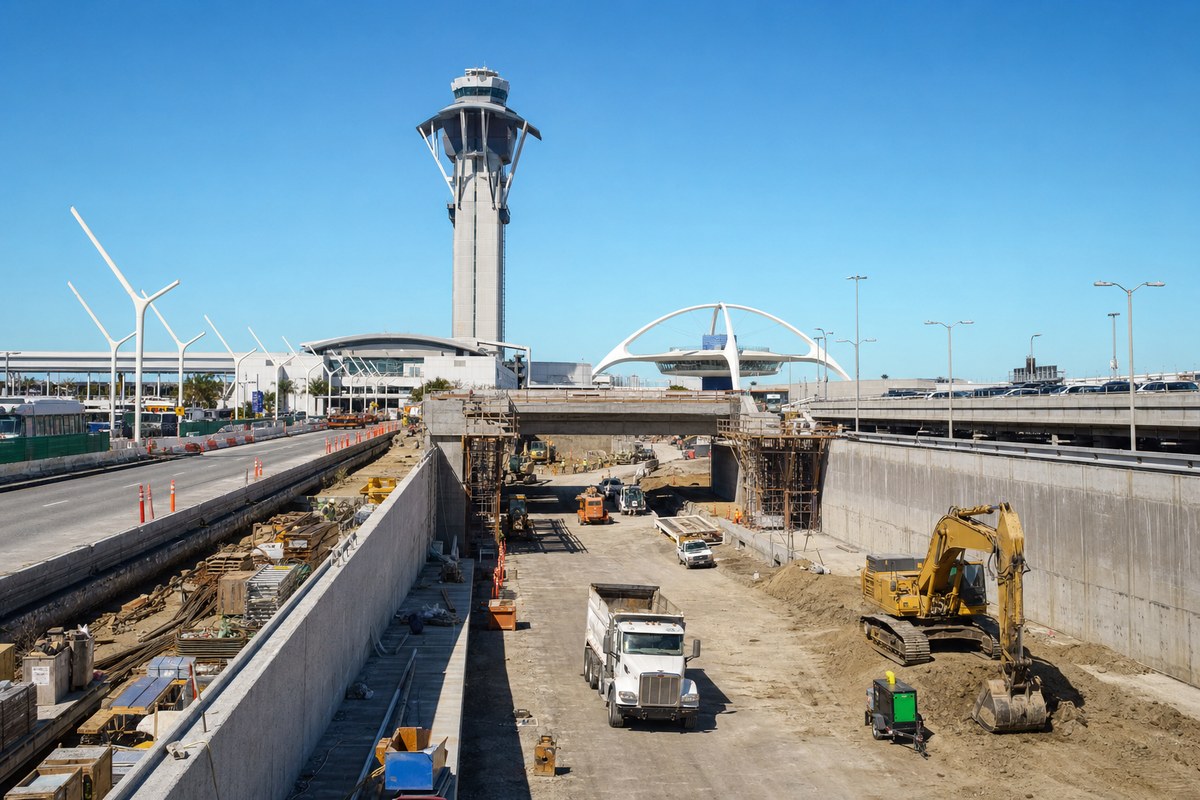
The largest single award in that August round went to Los Angeles International Airport, which received $289 million for a new terminal access road — more than four times the $70 million awarded to Dallas/Fort Worth International Airport in an earlier May 28 round. Denver International Airport received $69.11 million and Chicago O'Hare received $47.89 million for taxiway reconstruction in the same August round, both exceeding the $46.9 million Charlotte Douglas received in May. Smaller grants in the August round also went to airports in Ohio and Alaska.
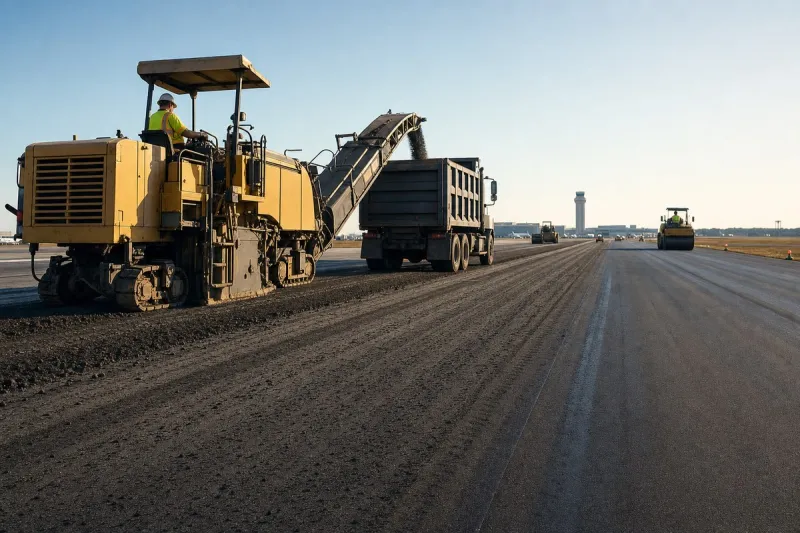
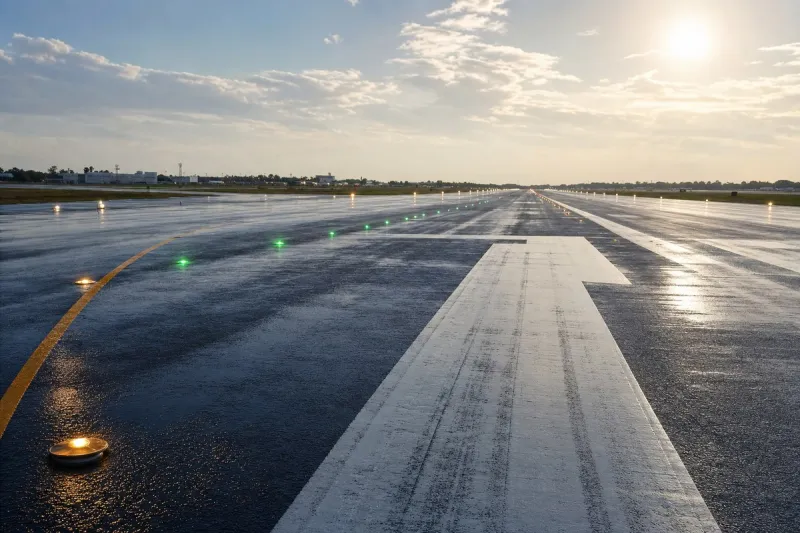
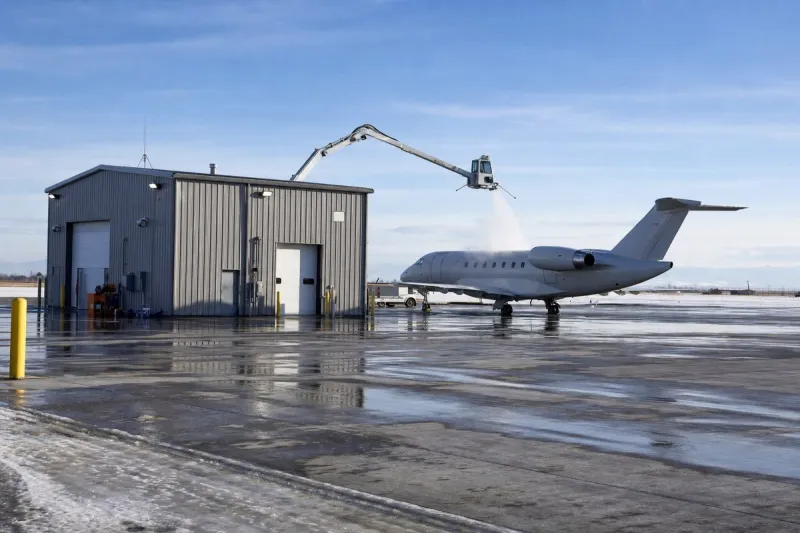
The May 28 round distributed $523 million across 332 grants in 43 states. Headline awards in that round included $70 million to DFW for runway rehabilitation, $46.9 million to Charlotte Douglas for apron expansion, and $41.9 million to Miami International for terminal reconstruction and fuel-farm work. The same round also included $18.7 million to Syracuse Hancock International for deicing-pad reconstruction and $18 million to Philadelphia International for taxiway pavement work. Miami received a second award of $50 million.
FAA Administrator Bryan Bedford said in a July 5 press release: "The FAA is prioritizing improving our nation's airports and ensuring we issue grants quickly and efficiently. This funding does more than just rebuild runways and taxiways, it modernizes the travel experience for American families, ensuring our airports are safe and ready for the future." US Transportation Secretary Sean P. Duffy said at the time of the May announcement: "Upgrading our runway infrastructure is part of our work to usher in the Golden Age of Transportation. American families deserve state-of-the-art runways and infrastructure that will make their travel experience safer, smoother, and more efficient."
How the formula works
Award sizes under the program are determined by passenger enplanement volume and hub classification, not by geographic region. The Airport Improvement Program allocation structure caps large-hub airports at up to 55% of a given funding pool, medium hubs at 15%, and small hubs at 20%, with additional guarantees for non-hub and non-primary airports. DFW, Charlotte Douglas, and Miami are all classified as large hubs with enplanements in the tens of millions.
This formula-driven structure predates the current administration. Charlotte Douglas received a comparable $43 million FAA grant in 2024 under the Biden administration for an end-around taxiway intended to cut air-traffic delays.
Industry impact & what to watch
This closeout belongs to a familiar cycle in federal infrastructure funding: a fixed appropriation gets distributed against a formula until the money runs out, and the program then lapses until a new authorization revives it. The enplanement-and-hub-classification formula, not political priority, decided who got the largest checks in both the May and August rounds — which is why large hubs like LAX, DFW, and Miami captured the biggest individual awards while smaller fields in Ohio, Alaska, and upstate New York received comparatively modest sums.
Because award size tracks passenger volume and hub tier rather than project urgency or geography, airports that keep growing enplanements will keep qualifying for the largest shares of whatever funding follows — a structural continuity that carried over unchanged from the prior administration's 2024 Charlotte Douglas grant into this year's rounds.
With the $14.5 billion program now spent, any further federal capital support for runways, taxiways, terminals, and access roads depends on Congress passing a new appropriation or reauthorizing the underlying framework. Whether that happens, and on what scale, will determine which airports can plan their next capital projects around federal grants rather than local or airline financing alone.