Global General Aviation Market Valued at ~$40B in 2025, Projected to Reach ~$47B by 2035
Why It MattersThe projected decade-long expansion signals sustained investment across business jets, charter, fractional ownership and pilot training as the general aviation sector matures.
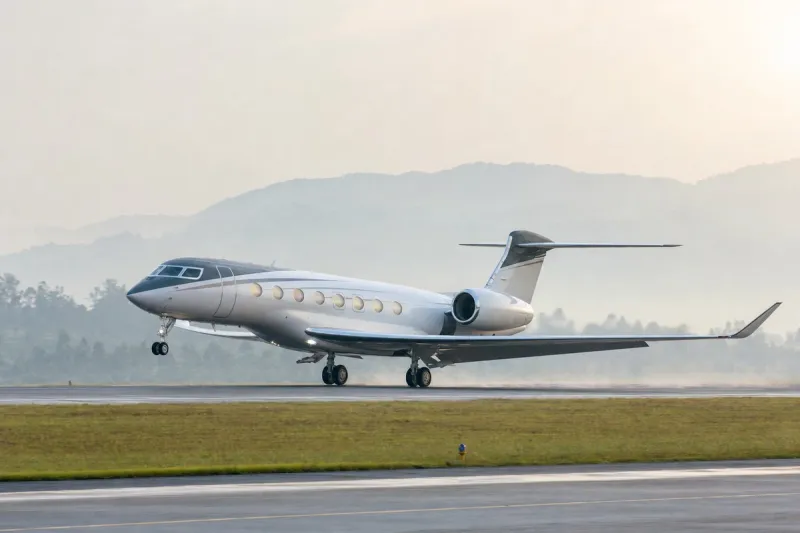
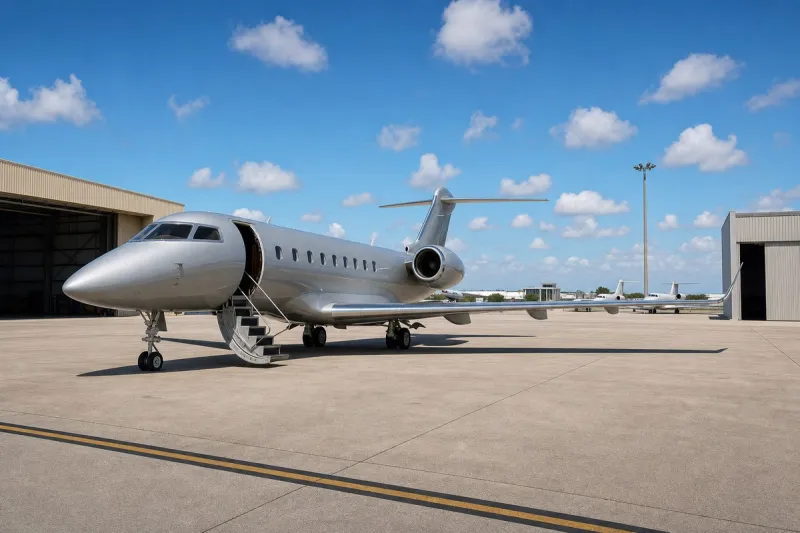
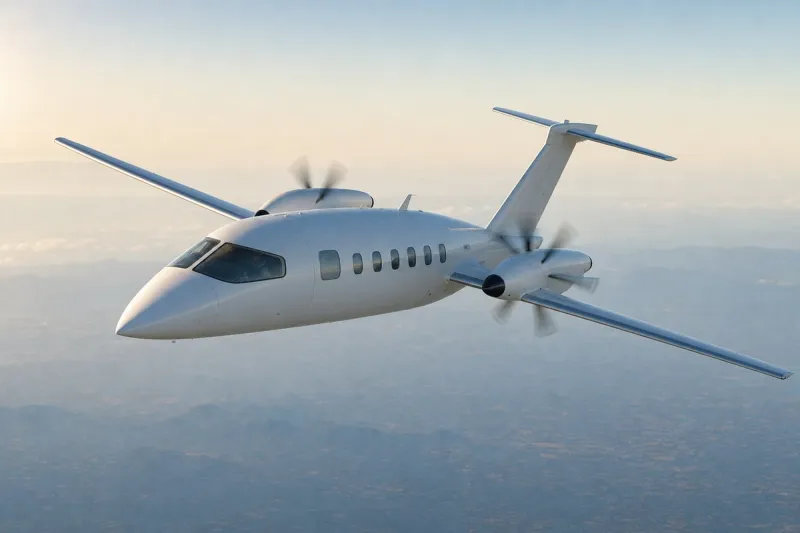
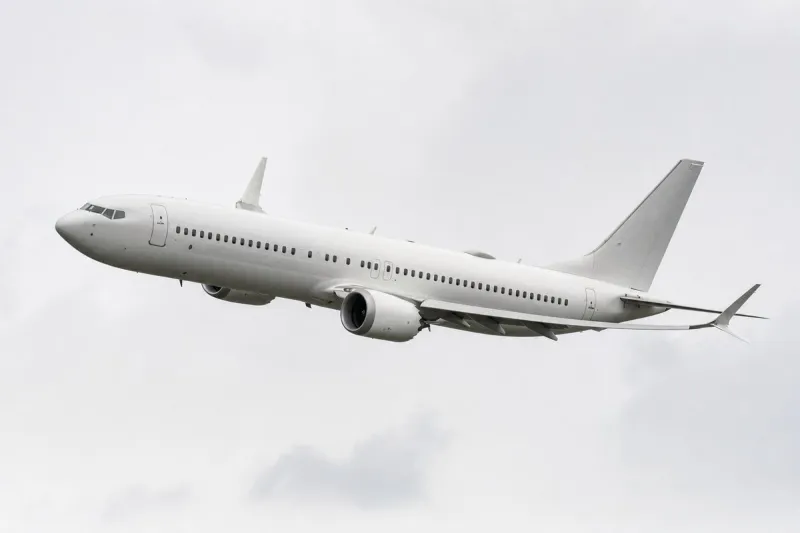
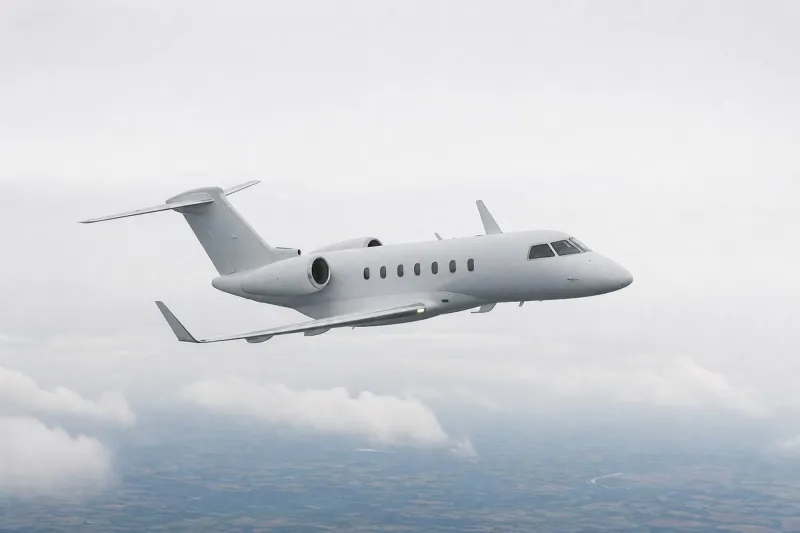
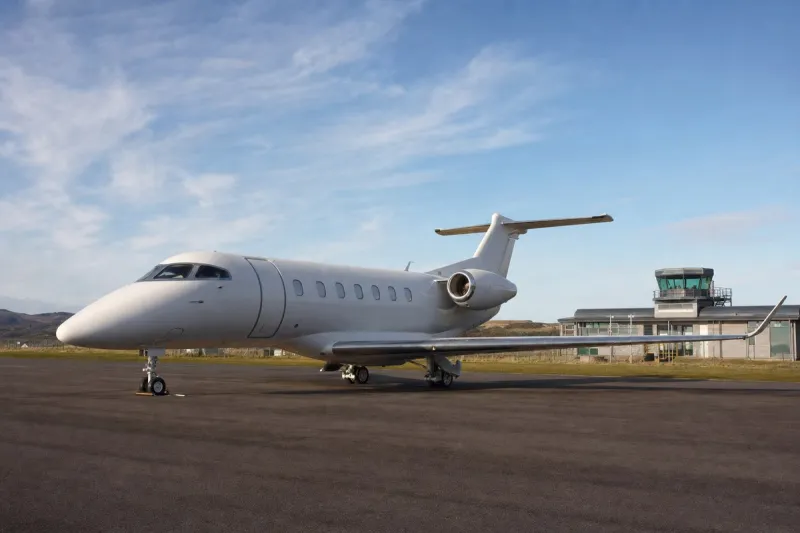
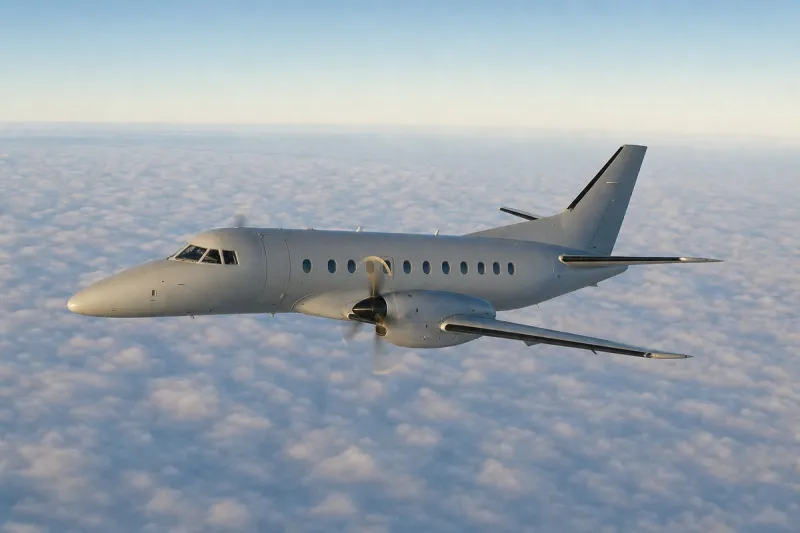
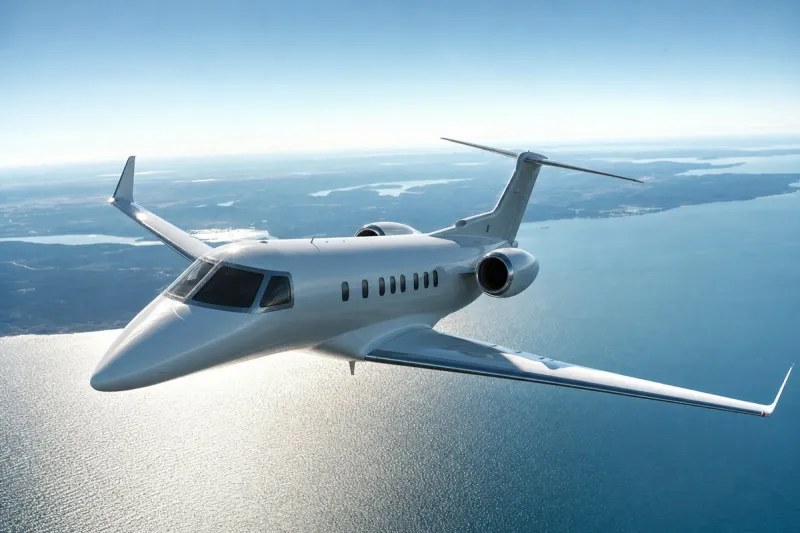
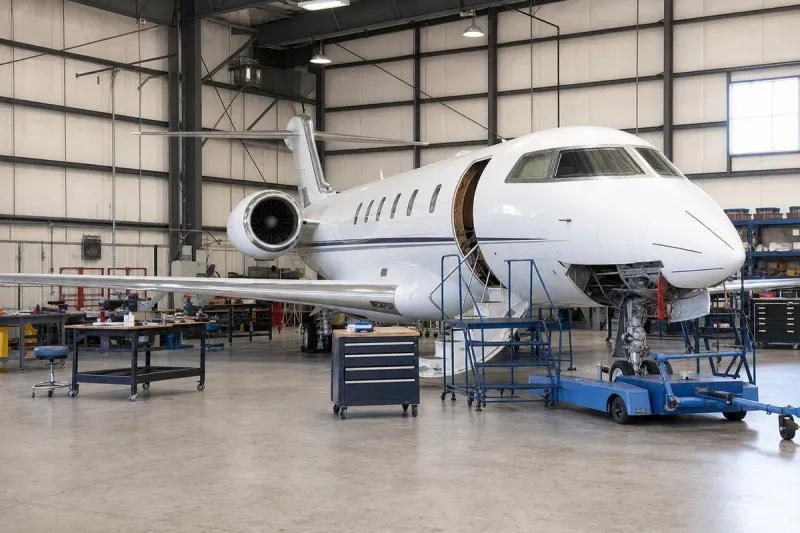
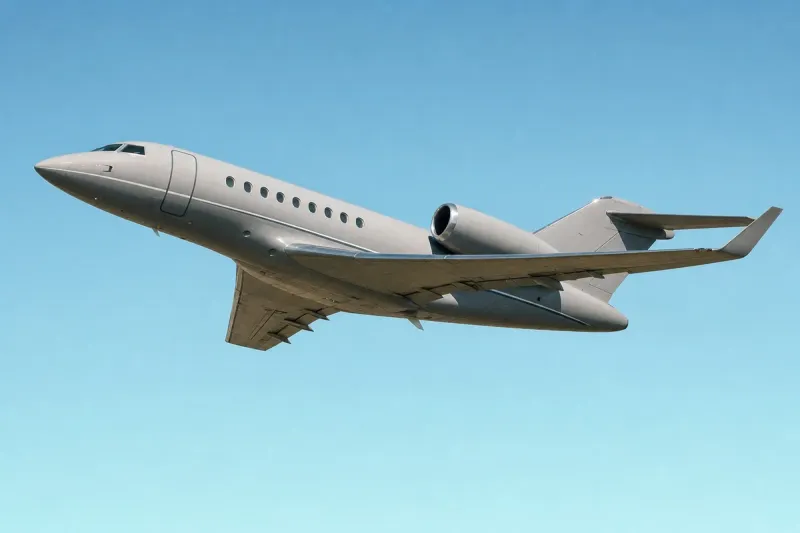
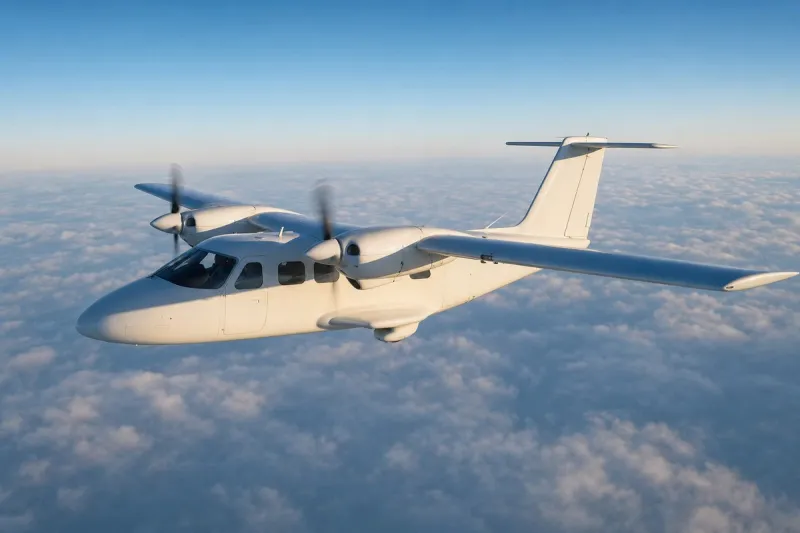
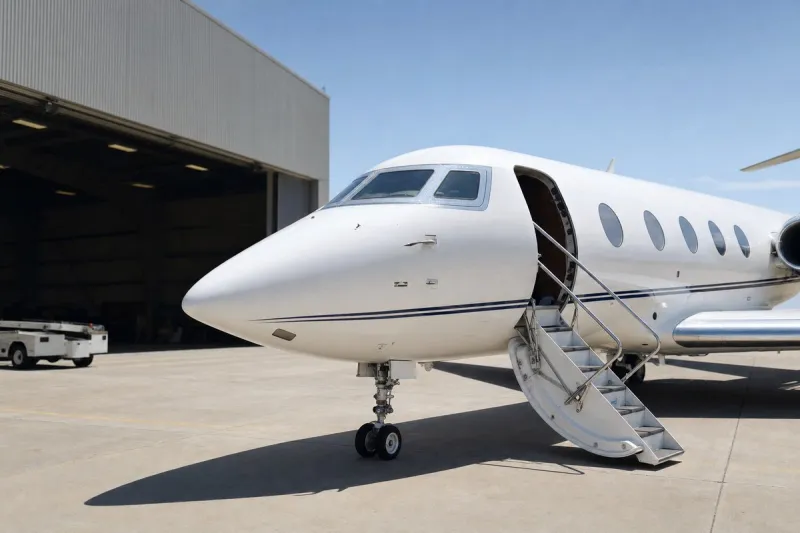
VynZ Research valued the global general aviation market at an estimated $40 billion in 2025, projecting it to reach approximately $47 billion by 2035, with an interim estimate of around $31.80 billion in 2026. General aviation covers civil aviation outside scheduled commercial and military flying, spanning business jets, turboprops, piston aircraft, helicopters, air ambulances, agricultural aviation, aerial surveying, flight schools, recreational flying, and private aircraft ownership.
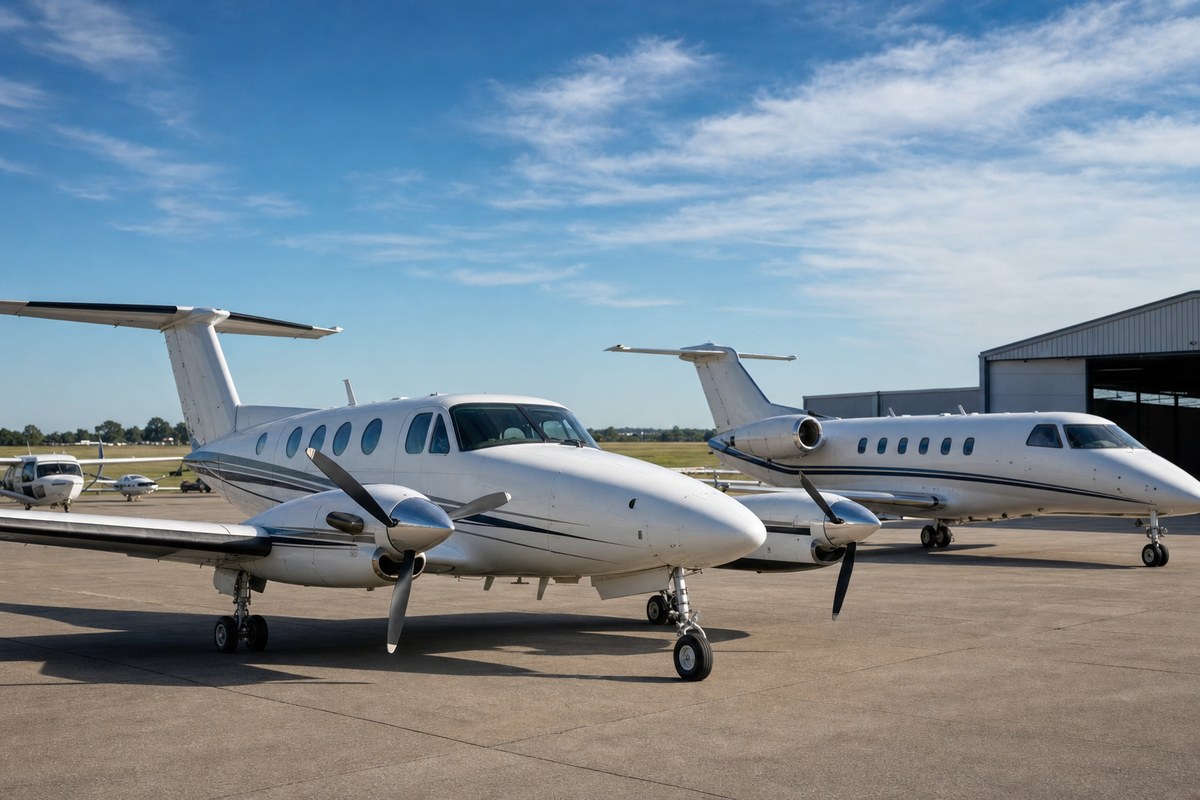
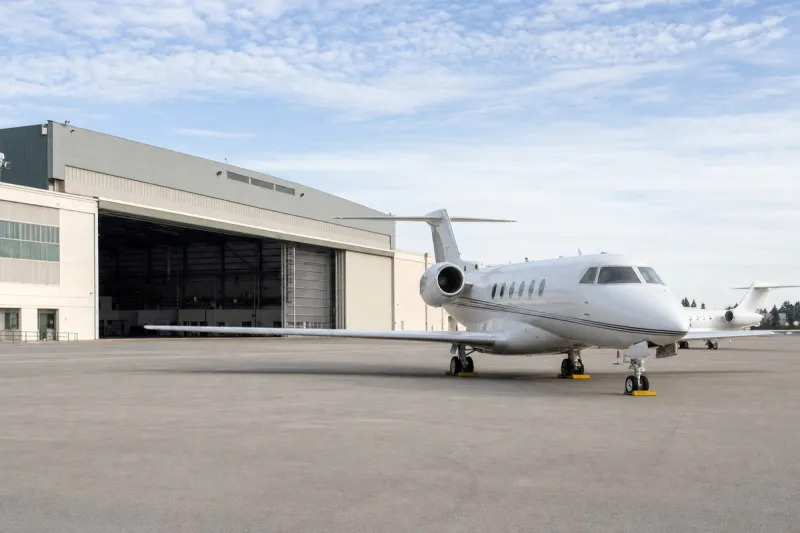
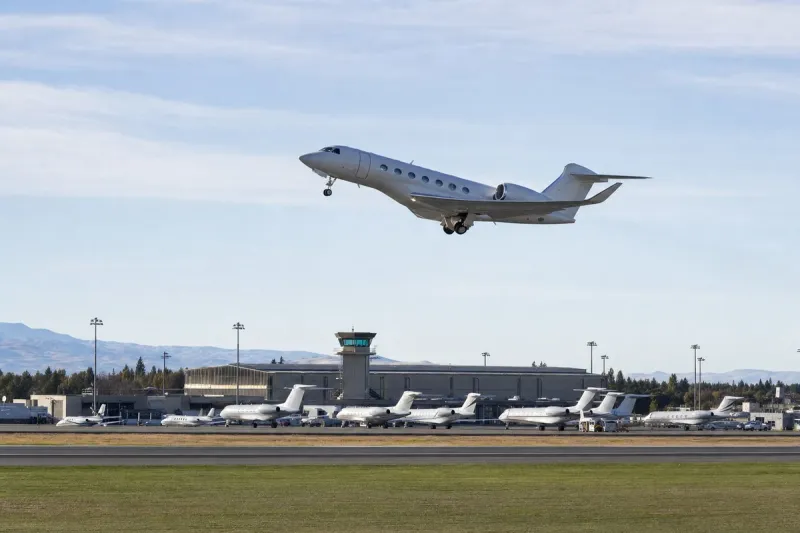
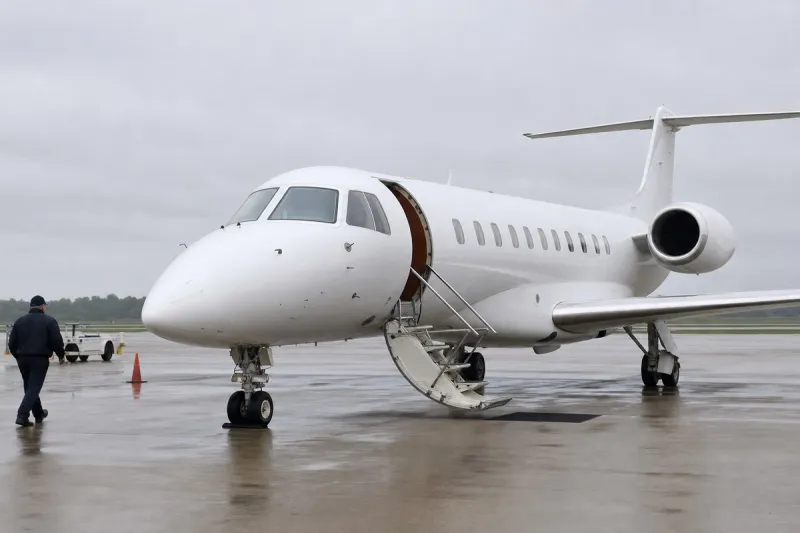
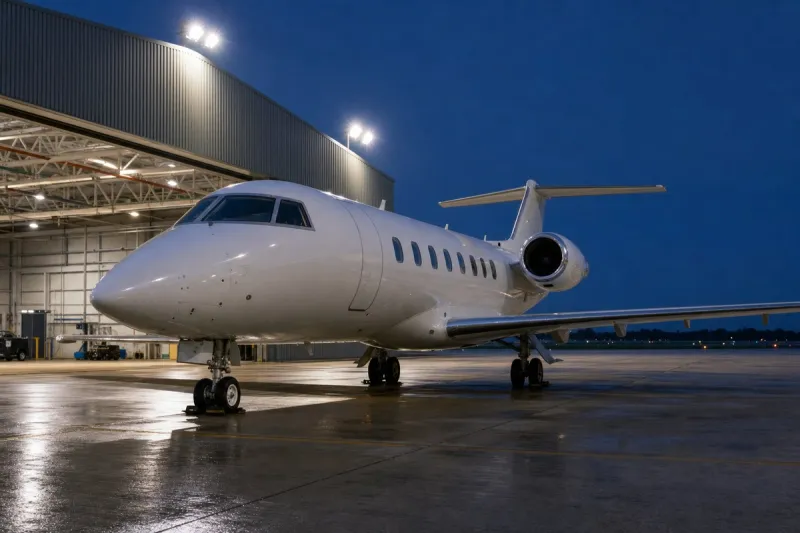
Business aviation held an estimated 42% share of the general aviation market in 2025, driven by corporate travel demand, executive mobility, charter operations, and time-sensitive business activities. Fixed-wing aircraft represented approximately 68% of the aircraft-type segment, while business and corporate applications contributed an estimated 39% share of the application segment. Full aircraft ownership accounted for 57% of the ownership-model segment, and business enterprises and private users made up approximately 61% of the end-user segment.
The flight-training and pilot-school segment is expected to grow at an estimated 6.20% compound annual growth rate from 2026 to 2035, driven by pilot shortages, fleet replacement needs, and rising demand for professional training. Fractional ownership and charter models are projected to expand at approximately 6.00% CAGR through 2035, government, defense-support, emergency-service, and specialized operators at approximately 5.40% CAGR, and rotary-wing aircraft at approximately 4.90% CAGR. North America held an estimated 46% share of the global market in 2025, supported by a large installed aircraft base, established business aviation infrastructure, strong charter activity, and a mature ecosystem.
Growth drivers cited include rising demand for business mobility, increasing charter and fractional ownership activity, expanding pilot-training requirements, aircraft replacement programs, improved avionics, and investments in sustainable aviation technologies. Challenges include high aircraft acquisition and maintenance costs, fuel price volatility, supply-chain constraints, skilled labor shortages, and regulatory complexity.