Whisper Aero Completes First Powered Flights of eQ250-Equipped Glider at Crossville, Tennessee
Why It MattersThe results give electric propulsion developers measured acoustic and endurance data that could shape how regulators and rural communities evaluate quiet-flight standards under emerging airworthiness frameworks.
What happened
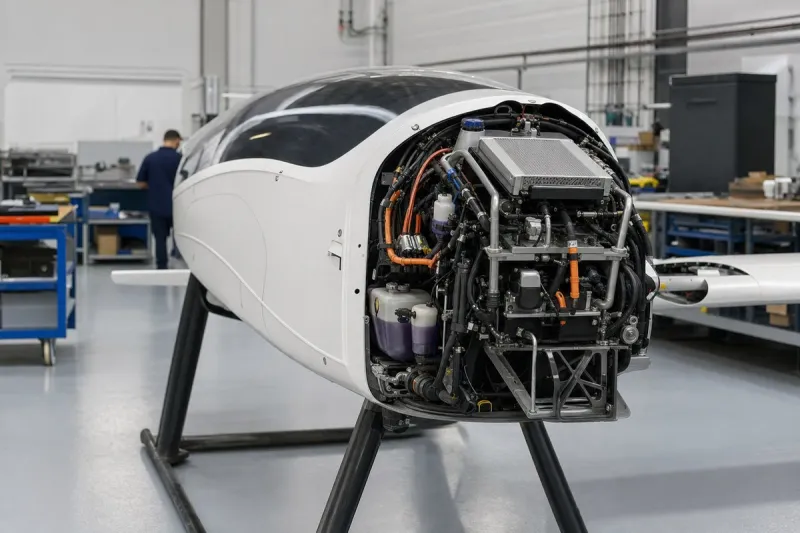
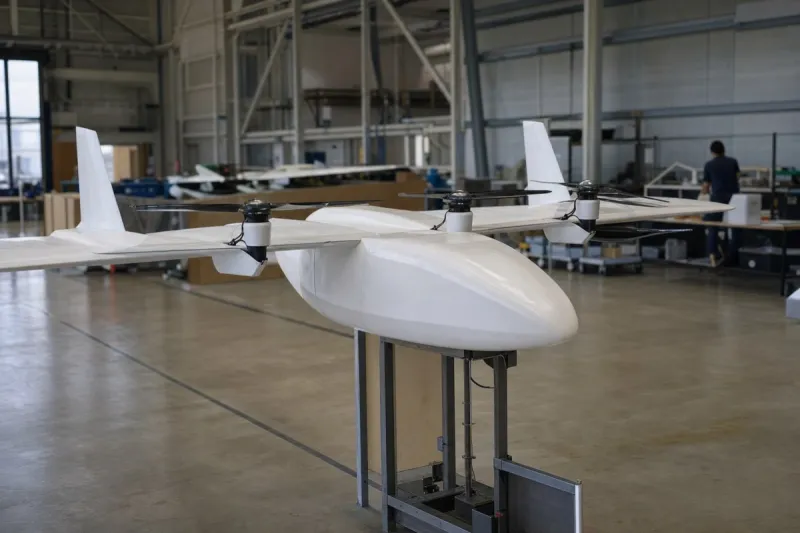
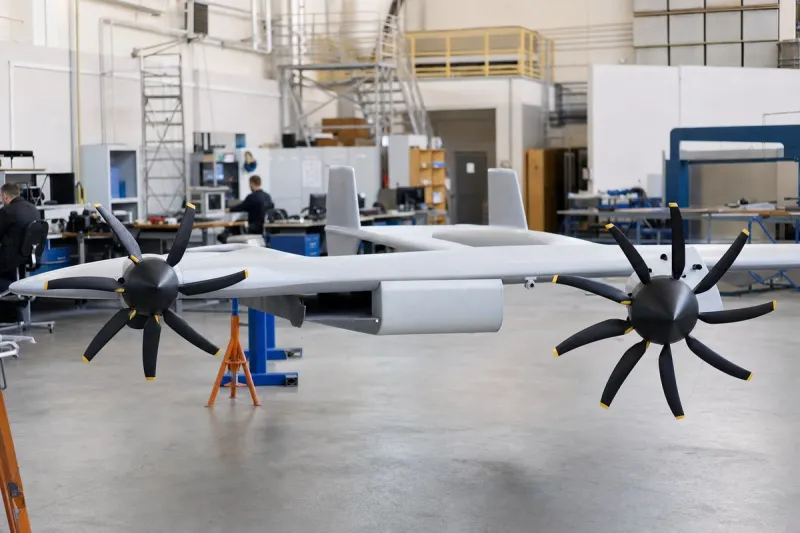
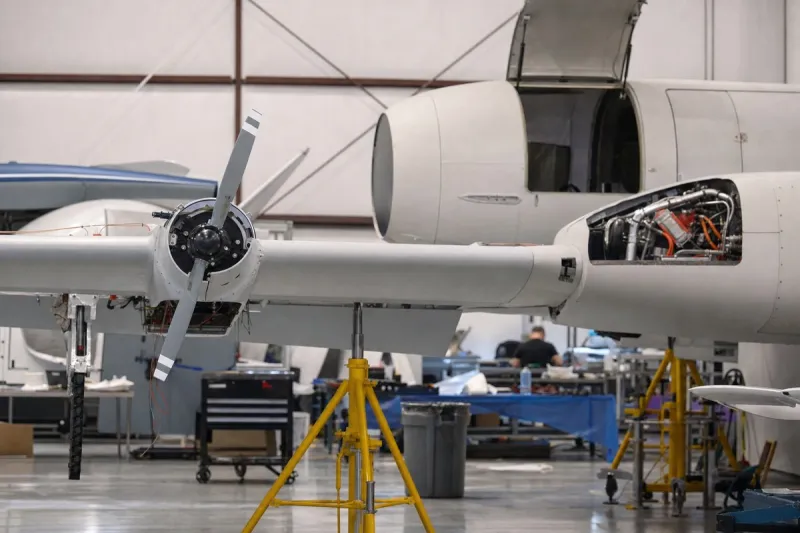
Whisper Aero completed the first powered flights of the Whisper Powered Swift, an experimental aircraft built from a modified Aériane Swift 3 glider fitted with two of the company's eQ250 electric ducted fans. Test pilot Zac Majors flew three flights at Whisper's flight-test facility in Crossville, Tennessee, accumulating more than 130 minutes of flight time, and the company said all planned test objectives were met.
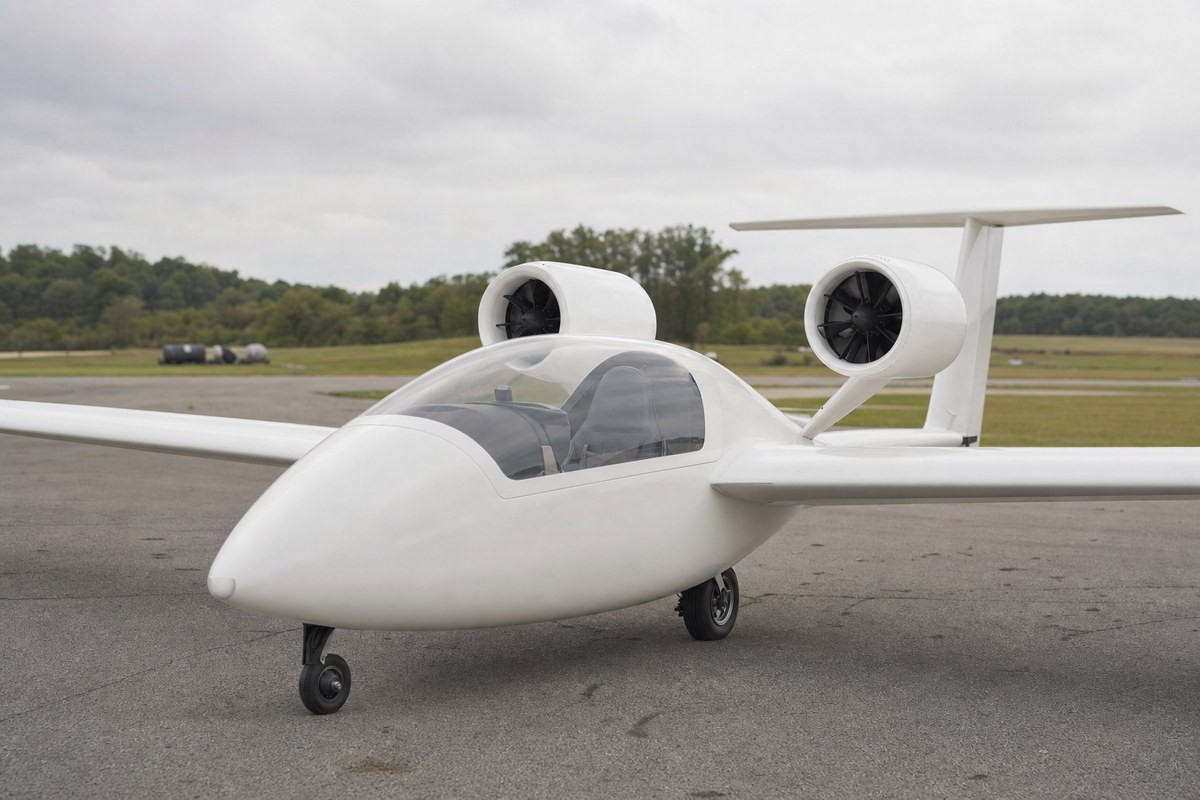
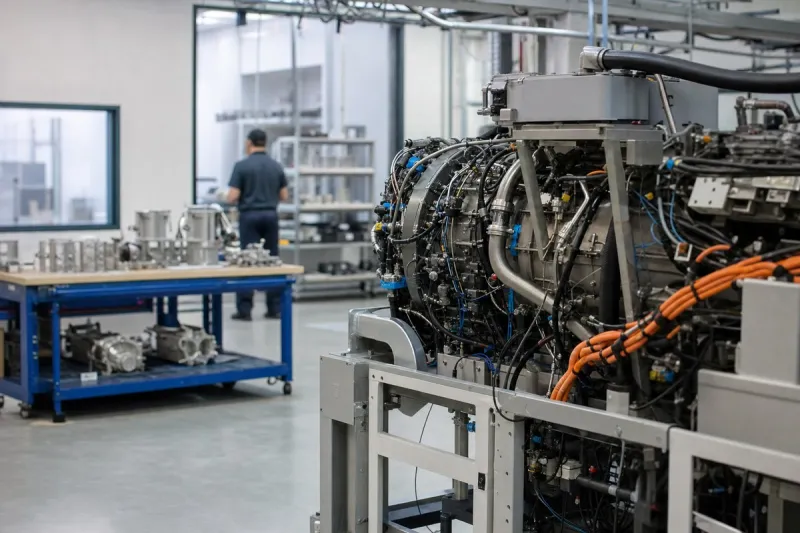
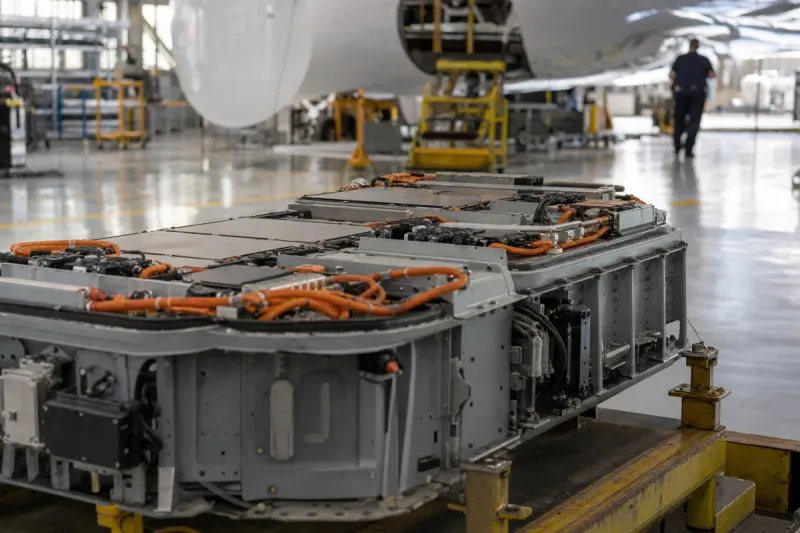
Each eQ250 propulsor is capable of up to 85 pounds of static thrust, with power drawn from five Electric Power Systems Epic 1.0 battery modules. The Aériane Swift 3's 26:1 lift-to-drag ratio, allowing it to travel 26 feet forward for every foot of descent, gave engineers extended time per flight to assess propulsion performance, acoustics, and handling qualities. Because the modified aircraft exceeds the FAA Part 103 empty-weight limit of 254 pounds for powered vehicles, Whisper flew it under an FAA special airworthiness certification instead.
Acoustic measurements showed that, at full throttle and at an altitude of 100 feet, the propulsion system was quieter than the airframe itself. During one early-morning flight, ambient noise measured 34 A-weighted decibels, and the aircraft added only 52 A-weighted decibels. Whisper said that acoustic signature aligns with requirements for operating in rural soundscapes under the FAA's Modernization of Special Airworthiness Certification rule, known as MOSAIC. Preparation for the powered campaign included progressive ballasted glider flights, aircraft integration testing, formal readiness reviews, and 1,000 hours of ground-based propulsion life testing.
Industry impact & what to watch
Electric propulsion programs at this stage typically rely on modified gliders or testbeds to gather acoustic and endurance data before committing to a purpose-built airframe, and Whisper's approach of pairing high lift-to-drag ratios with ducted fans is one route developers use to stretch data collection per flight. The acoustic result, where the propulsion system added less noise than the airframe itself, matters because regulatory pathways like MOSAIC are built around measurable noise thresholds for operation near populated or rural areas rather than thrust or speed alone.
Whisper's position as a propulsion supplier rather than an airframe manufacturer also shapes how this data gets used: the company can apply findings from the Powered Swift program across multiple aircraft platforms and customers, including its defense work with Mach Industries on the Atlas uncrewed strike aircraft, rather than tying the technology to a single certified product.
The next dated milestone is the planned transfer of the Powered Swift to White Sands Missile Range in New Mexico for evaluation with government customers later this year, which will show whether the acoustic and endurance results hold up under a different testing regime and customer scrutiny.