Florida Plans to Redirect $200 Million in Federal EV Charger Funds to eVTOL Air Taxi Infrastructure
Why It MattersThe move signals states may begin diverting federal EV-charging money toward air-taxi infrastructure well before eVTOLs gain FAA certification for commercial passenger service.
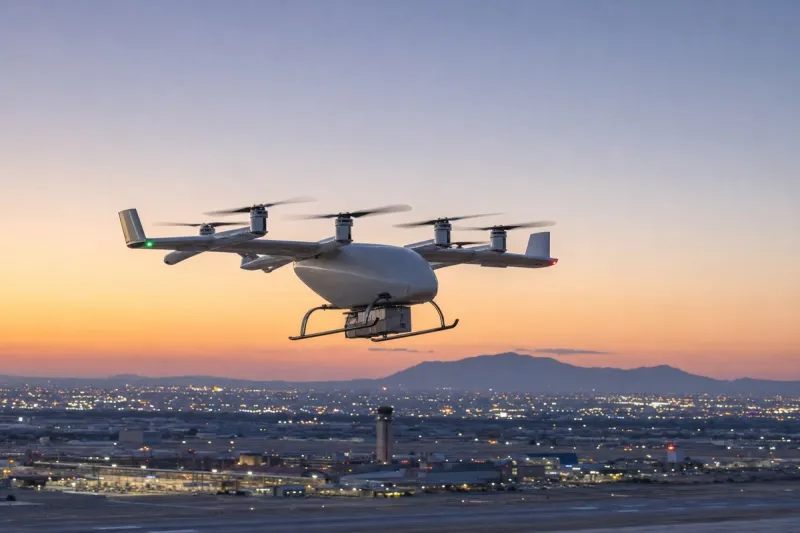
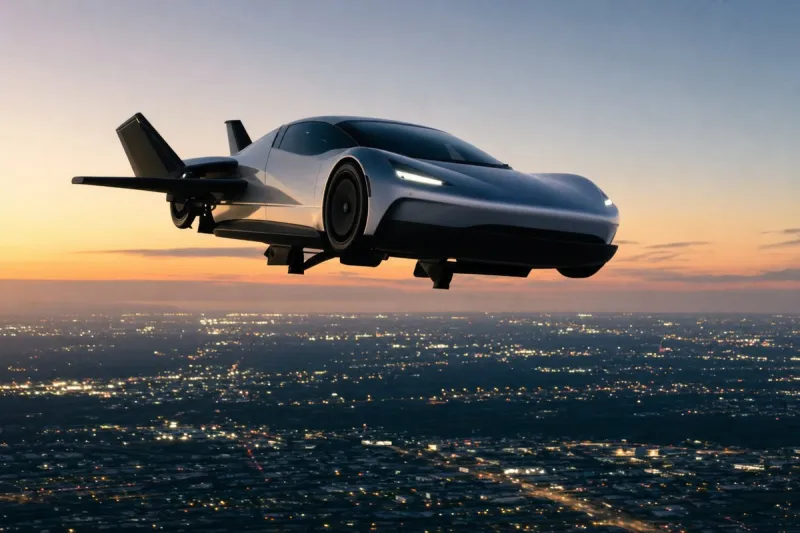
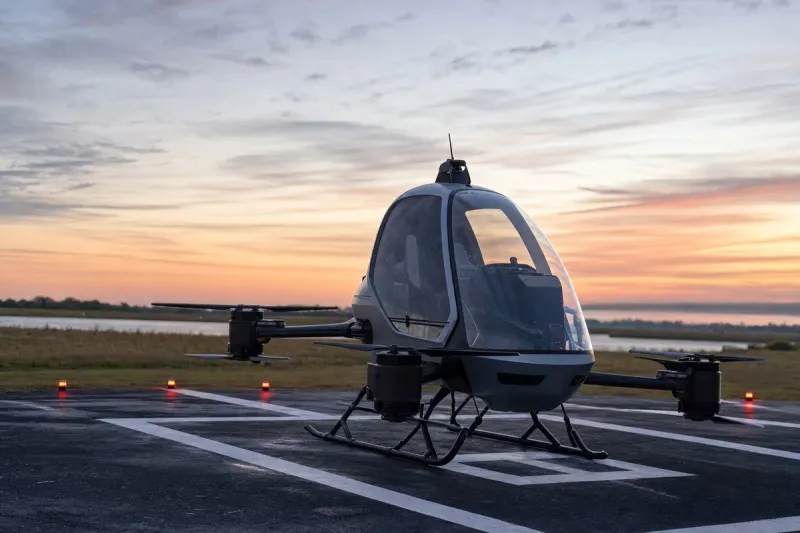
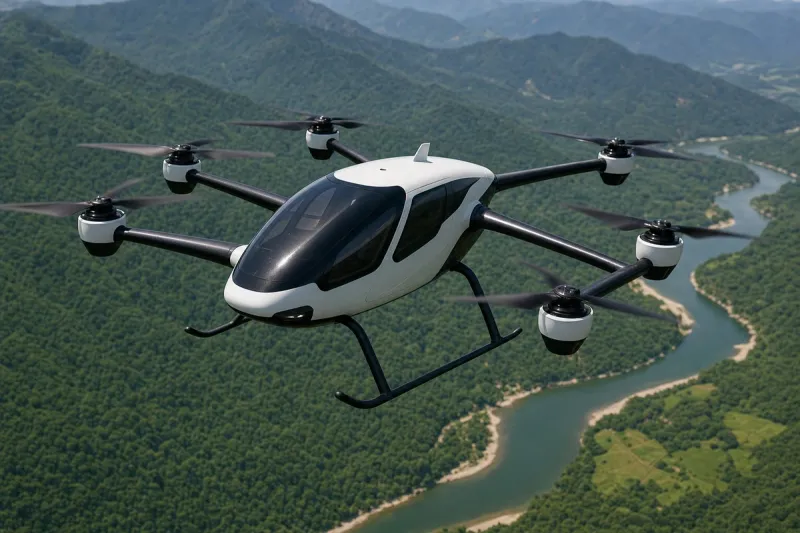
Florida's Department of Transportation (FDOT) is proposing to redirect approximately $200 million in federal funding originally allocated for electric vehicle charging infrastructure under the National Electric Vehicle Infrastructure (NEVI) program toward building a network of charging facilities for electric vertical take-off and landing vehicles, or eVTOLs, commonly known as air taxis. Documents obtained by the Miami Herald show FDOT's plan calls for charging infrastructure at 32 vertiports across the state, each costing roughly $5.6 million, with proposed locations including luxury apartment buildings, golf courses, military bases and airports. FDOT is calling the initiative an Aerial Highway Network, saying it would complement existing transportation and ease congestion.
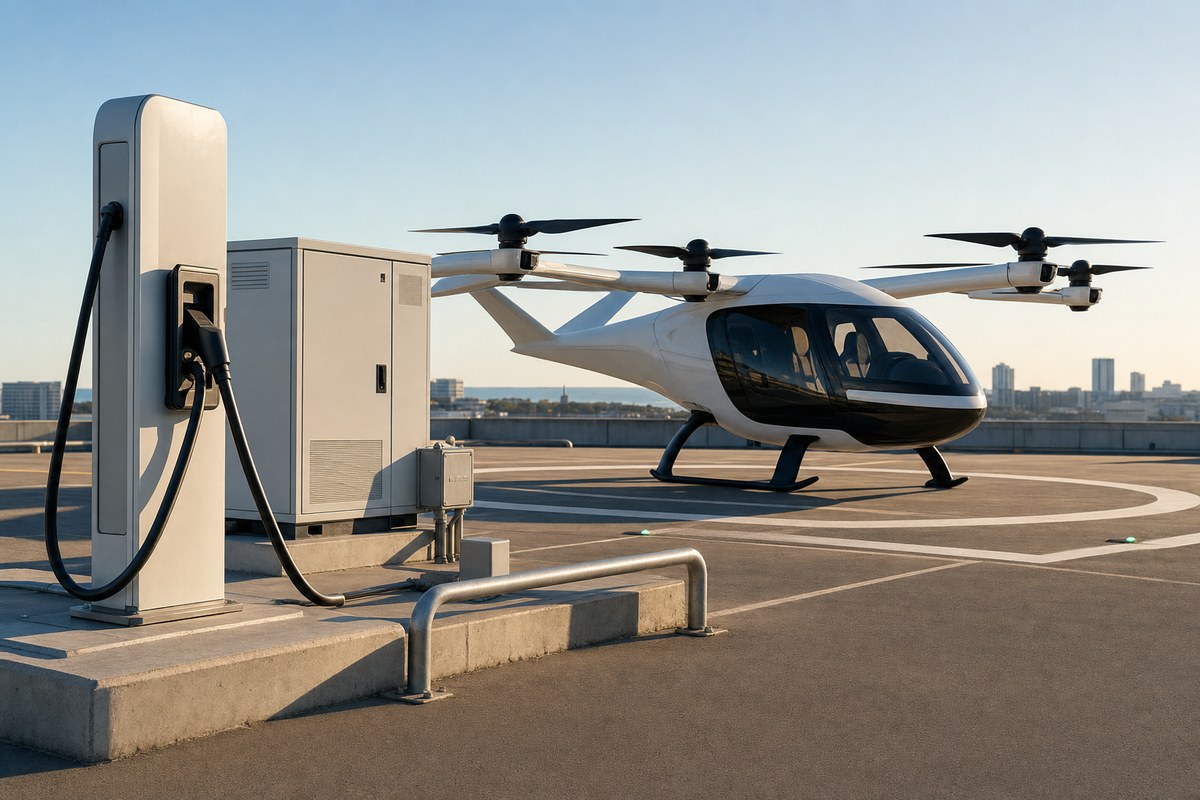
FDOT's justification for bypassing EV chargers is that private companies, including Tesla, Electrify America and ChargePoint, have already expanded much of Florida's public fast-charging network. The agency noted that the number of EV charging ports in Florida has doubled over the past four years, with 452 fast-charging stations now in place, and that the Federal Highway Administration has reviewed Florida's infrastructure along major corridors and approved it as fully built out, a threshold that under NEVI rules allows states to redirect remaining funds to other charging-related needs.
eVTOLs have not received FAA certification for commercial passenger operations anywhere in the United States and have not been commercially deployed as air taxis. Joby Aviation, one of the leading eVTOL developers and backed by Delta Air Lines, conducted week-long test flights in New York City in April 2025. Critics note that the NEVI program was designed in part to serve rural and underserved communities where private companies may not find fast-charging stations profitable, and that Florida has been one of the last states to deploy its NEVI allocation while most other states have already awarded funds to contractors. Florida ranks second only to California in total registered EVs, with more than 450,000 on the road as of 2025, according to the U.S. Department of Energy.