Rolls-Royce and TCS Successfully Run Jet Engine on 100% Hydrogen Across Full Simulated Flight Cycle
Why It MattersHydrogen propulsion moves from isolated combustion trials toward full-cycle validation, but scaling into commercial engine programs still depends on control-system and fuel-system maturity beyond a single demonstrator.
What happened
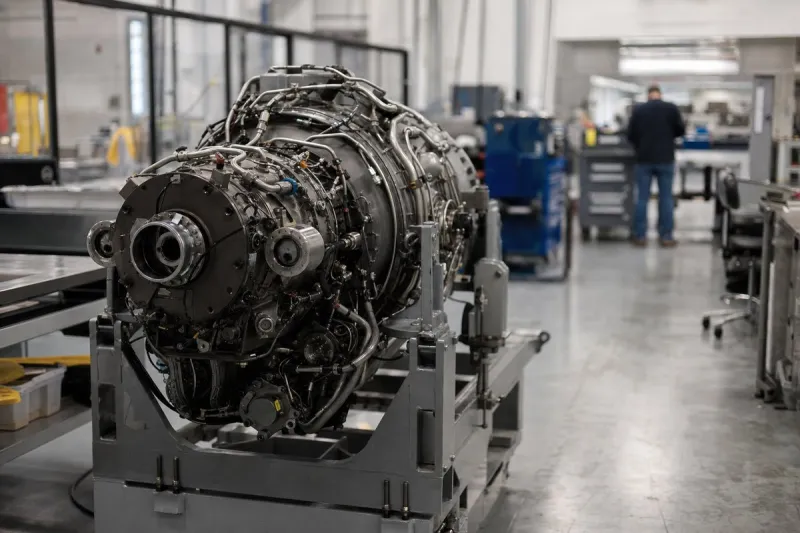
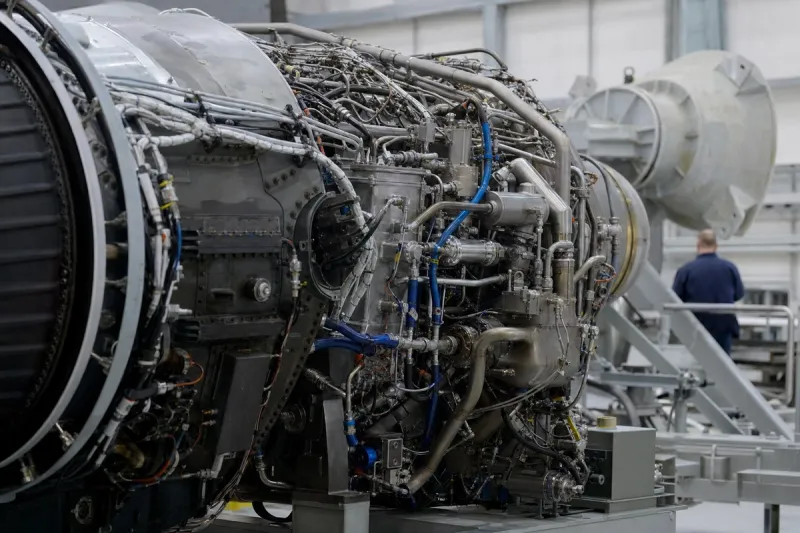
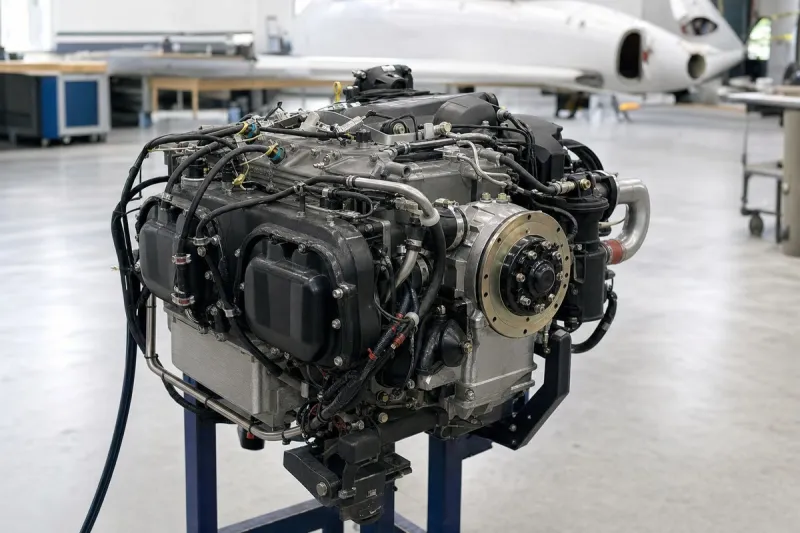
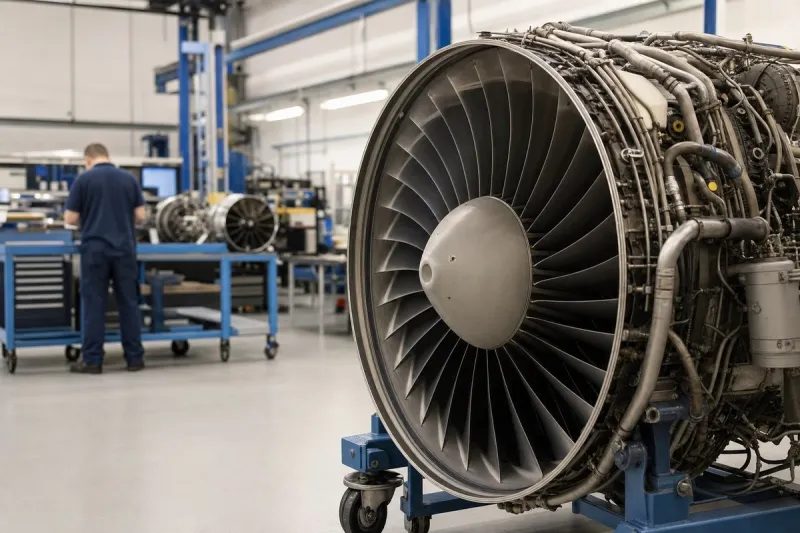
Rolls-Royce and Tata Consultancy Services operated a modern aero gas turbine on 100% hydrogen across a fully simulated flight cycle, covering takeoff, cruise, and landing phases. The test closed out a four-year development program examining hydrogen as a future aviation fuel.
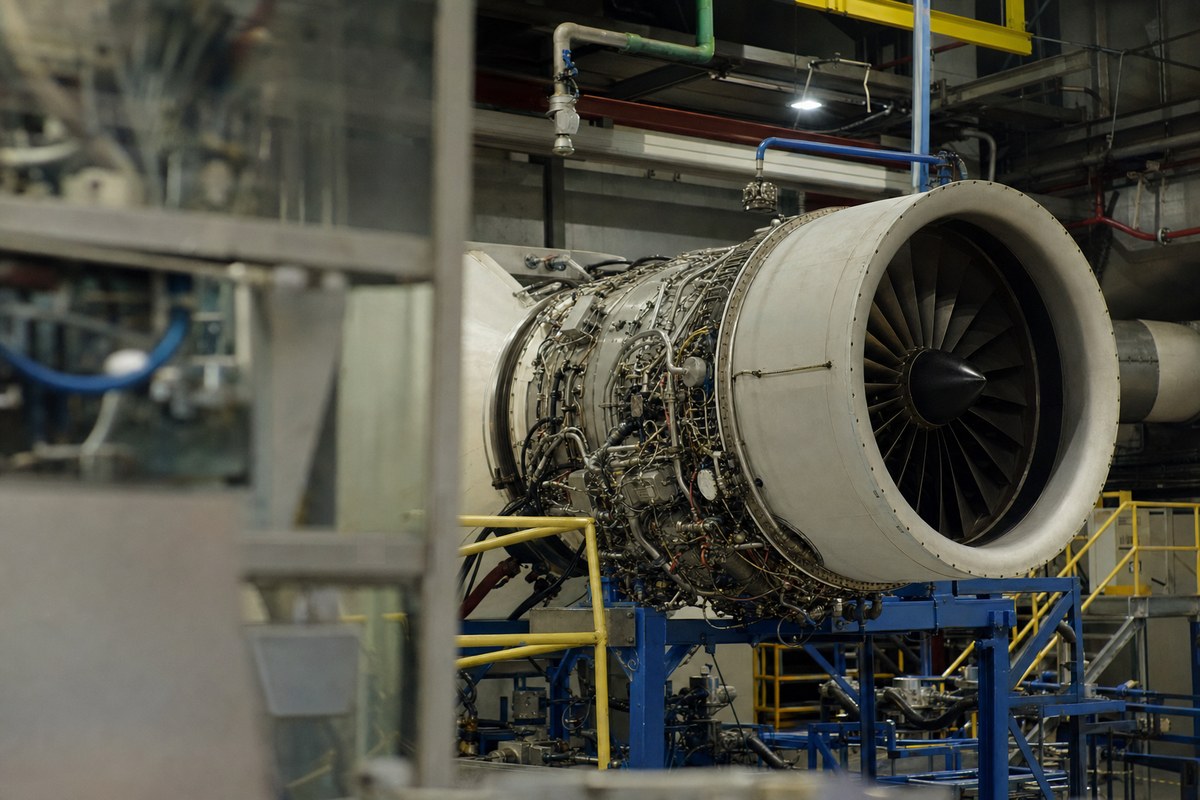
The demonstration validated hydrogen propulsion technologies in three areas: combustion, fuel systems, and engine controls. Rolls-Royce and easyJet first announced the hydrogen demonstrator program in 2022, and TCS joined as an engineering and technology partner in 2024, contributing detailed design, risk management, data analytics, test preparation, validation, and integration work across fuel systems, engine controls, and hydrogen combustion analysis. Adam Newman, Chief Engineer of the Hydrogen Demonstrator Programme at Rolls-Royce, said the team gained insights into how 100% hydrogen behaves in a modern aero gas turbine across a full flight cycle while validating the combustion, fuel and control system technologies. He noted the findings will inform future propulsion work, including Rolls-Royce's UltraFan engine program. Anupam Singhal, President of Manufacturing at Tata Consultancy Services, said the milestone demonstrates "not just the viability of hydrogen, but the industry's readiness to translate ambition into execution."
The program also drew contributions from NASA, the UK Health and Safety Executive, easyJet, and additional aerospace industry partners. Industry data cited by the companies puts aviation's share of global CO2 emissions at approximately 2% to 3%. Rolls-Royce and TCS confirmed they will continue their engineering collaboration to further advance hydrogen-powered aviation technologies.
Industry impact & what to watch
This test belongs to the broader effort by engine makers to prove alternative propulsion chemistries can survive the full operating envelope of a flight, not just isolated combustion or ground runs. Moving from a single-mode rig test to a simulated takeoff-cruise-landing cycle is the step that lets an engine maker claim the technology behaves predictably under changing thrust demand, which is what airworthiness authorities and airline customers ultimately need to see before any commitment to aircraft-level integration.
Hydrogen propulsion for commercial aircraft still requires parallel progress on fuel storage, distribution and airport infrastructure that a demonstrator engine test does not itself address; the companies' own framing ties this result to future programs such as UltraFan rather than to a near-term production engine. The involvement of NASA and the UK Health and Safety Executive points to the safety and regulatory groundwork that runs alongside the engineering work.
The next signal to watch is whether Rolls-Royce translates these combustion, fuel-system and control insights into a specific hardware program or timeline, and whether easyJet or other partners disclose next steps for aircraft-level hydrogen trials.