Air Tanzania Suspends Moscow Flights Citing Russian Airspace Safety Risks
Why It MattersThe suspension shows how war-risk insurance costs and airspace warnings are pushing even carriers that kept flying to Russia toward the same exit already taken by Western airlines.
What happened
Air Tanzania has suspended its flights to Moscow after conducting a comprehensive risk assessment of operating conditions along the route. The state-owned Tanzanian carrier cited growing safety concerns related to Russian airspace during the ongoing conflict between Russia and Ukraine as the reason for the decision.
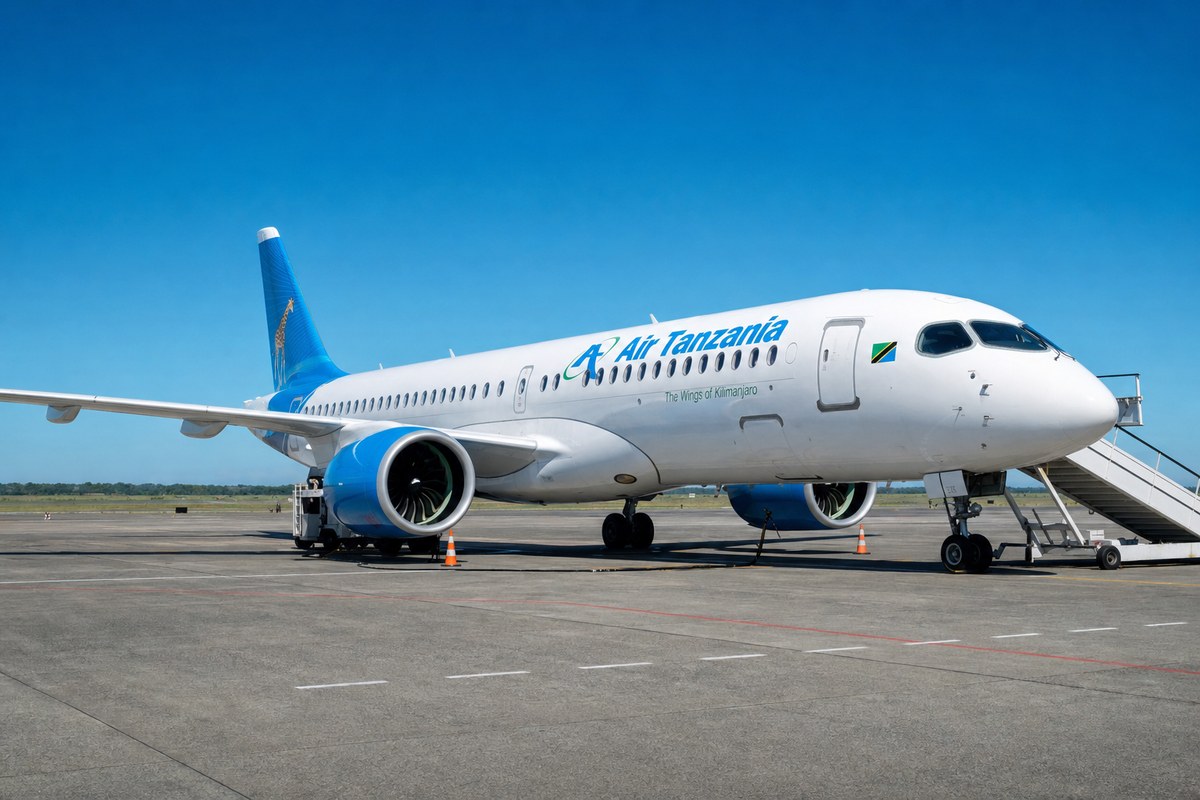
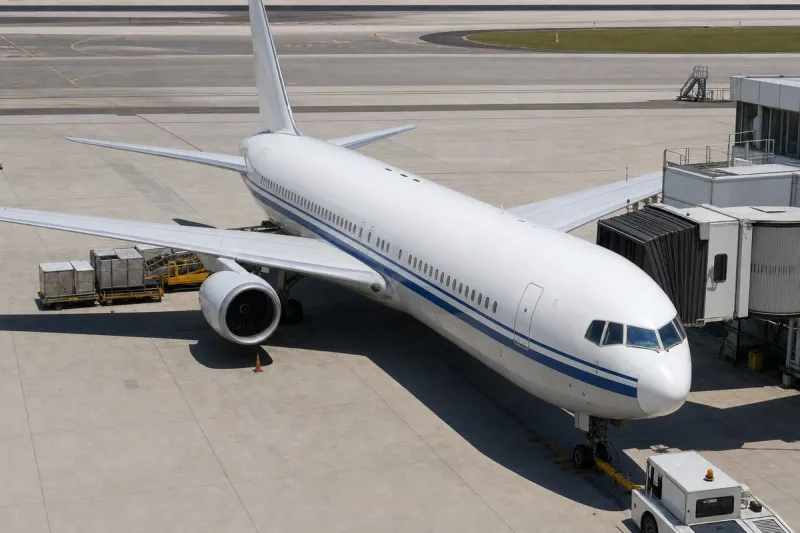
The airline said the suspension was necessary to prioritize the safety of its passengers and crew amid an unpredictable security environment. The move follows warnings from Ukrainian authorities and international aviation bodies about the risk of miscalculations or accidents involving civilian aircraft in Russian-controlled airspace. Air Tanzania operates Boeing 787 Dreamliners on long-haul routes.
The Tanzania Civil Aviation Authority (TCAA) is expected to coordinate with the airline on conditions for a possible resumption of the service. Passengers already booked on the route are expected to receive refunds or be rerouted through third-party carriers via hubs such as Dubai or Doha. Air Tanzania has not specified a date for resuming the service, saying it will continue to monitor the situation and conduct periodic risk reviews.
Industry impact & what to watch
Air Tanzania's decision marks the first time an African carrier has explicitly halted service to Russia in direct response to airspace-volatility warnings tied to the conflict, a step most Western airlines took shortly after the 2022 invasion while several African and Asian carriers continued flying, often with alternative routing around conflict zones.
The calculation behind such a suspension involves more than a single warning: rising war-risk insurance premiums for aircraft operating in high-risk zones raise the cost of continued service, and the potential loss of a high-value asset like a Dreamliner to a navigational error or military incident would be a severe financial blow to a carrier the size of Air Tanzania. That combination of insurance economics and safety warnings is what tends to move a holdout carrier rather than either factor alone.
What happens next depends on the TCAA's coordination with the airline on conditions for resumption, and on whether other African or Asian carriers still serving Russia face similar pressure from insurers or their own regulators. Air Tanzania's periodic risk reviews, rather than a fixed timeline, will determine when or whether Moscow service returns.