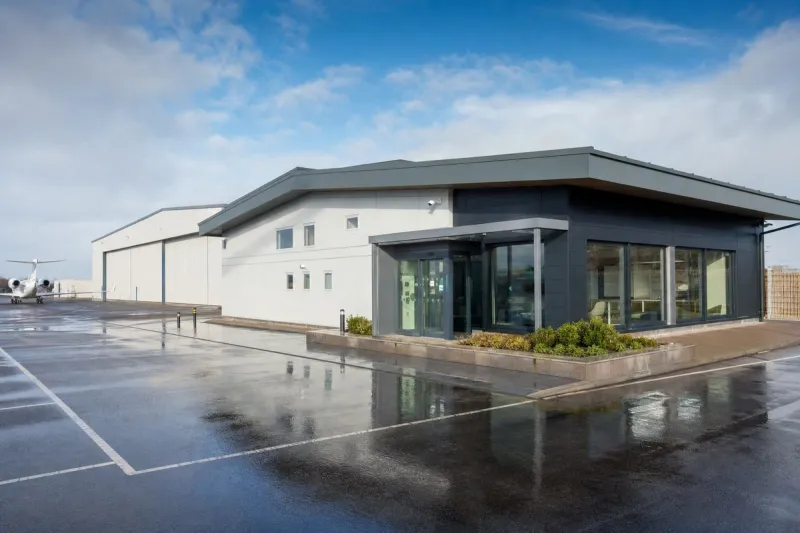
Sky Harbour Breaks Ground on $550M Private Aviation Campus at Chicago Executive Airport
Why It MattersThe project shows how home-base hangar campuses are becoming a distinct capacity model alongside traditional FBOs, expanding as reliever airports near major hubs compete for based-aircraft demand.
What happened
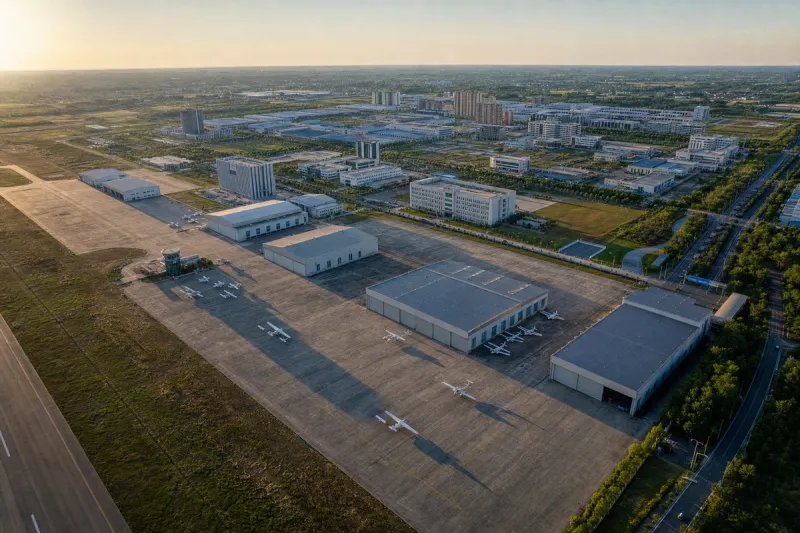
Sky Harbour Group Corporation broke ground September 17 on a 16-acre private aviation campus at Chicago Executive Airport (PWK) in Wheeling, Illinois, at a ceremony attended by Sky Harbour and airport officials. The development is projected to generate up to $550 million in regional economic benefits and is described as one of the largest private infrastructure investments in the airport's history.

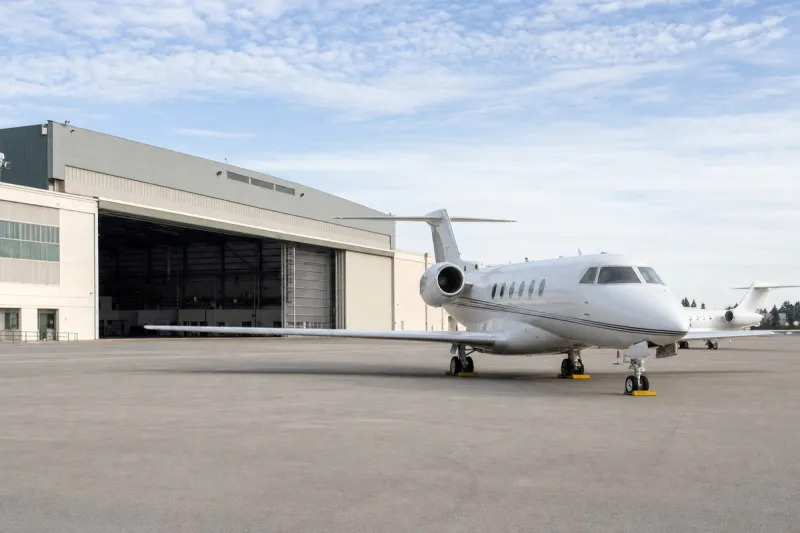
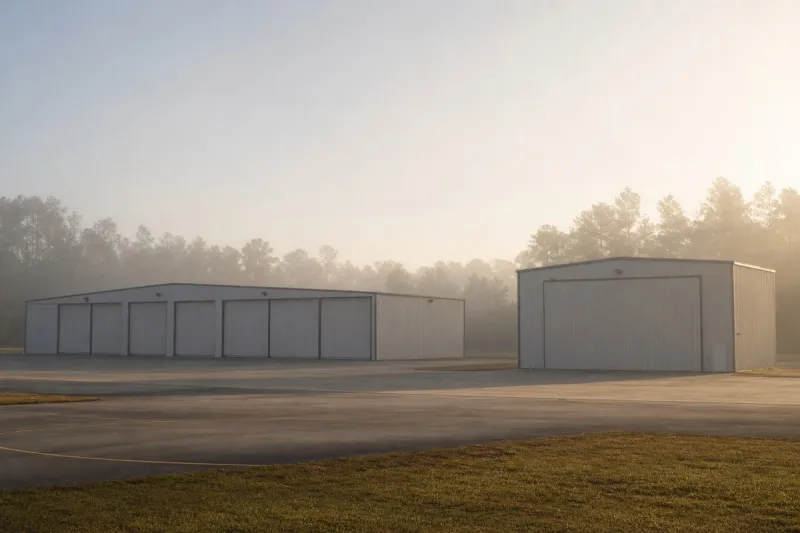
The first phase includes four private hangars ranging from 18,000 to 37,000 square feet, along with adjoining suites, offices, parking, and dedicated fueling and line service for based aircraft. The campus is expected to open in early 2028 and is expected to create or sustain hundreds of local jobs.
Sky Harbour CEO Tal Keinan said, "Chicago is one of the country's most important business aviation markets, and PWK is an exceptionally well-run airport in an ideal location for the Sky Harbour network." Airport Executive Director Jeff Miller said the development will add needed hangar capacity and introduce a new approach to housing private and corporate aircraft at the facility.
Chicago Executive Airport is jointly owned by the Village of Wheeling and the City of Prospect Heights, located approximately 10 miles north of O'Hare International Airport. It handles around 100,000 corporate, charter, and recreational aircraft operations annually, has operated for more than a century, and serves as a reliever airport for O'Hare.
The Home Base Operator model
Sky Harbour describes its facilities as Home Base Operator campuses, distinct from traditional fixed-base operators because they serve only aircraft permanently based at the site rather than transient traffic. The company currently operates eight such campuses nationwide, with 14 additional locations in development.
Industry impact & what to watch
This groundbreaking reflects a broader push by hangar developers to secure long-term, based-aircraft tenants rather than compete purely on transient fuel and ramp services, treating hangar space itself as the core leasable asset. Reliever airports near major hub cities are attractive sites for this model because they combine proximity to business aviation demand with room for large-scale private development that congested primary airports cannot offer.
The economics depend on locking in based tenants across multi-year leases well before hangars are built, which is why Sky Harbour is expanding its network to 14 additional sites in development even as the Chicago campus has yet to open. Whether the projected $550 million in regional economic benefit materializes will depend on tenant occupancy once the facility opens in early 2028, a detail that will only become clear closer to that date.