20th Annual Electric Aircraft Symposium Draws 200 Attendees as Industry Shifts Focus to Certification and Commercial Viability
Why It MattersCertification pathways like MOSAIC and infrastructure gaps at general aviation airports, rather than propulsion breakthroughs alone, now shape when electric and hybrid-electric aircraft reach commercial service.
What happened
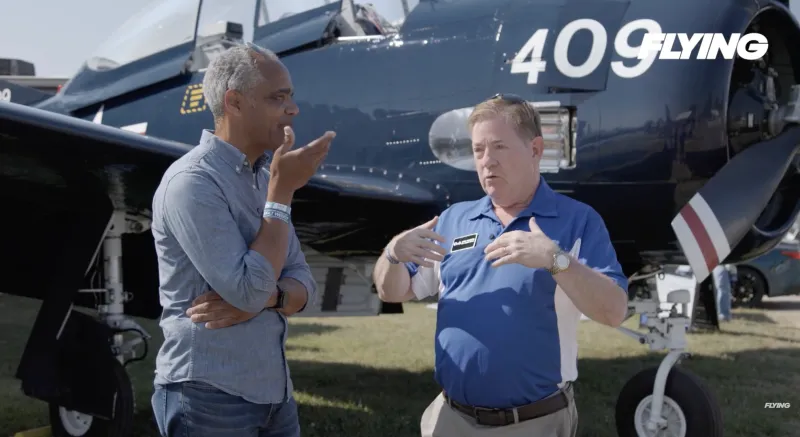
The 20th Annual Electric Aircraft Symposium (EAS 2026) took place on 18 and 19 July 2026 at the University of Wisconsin–Oshkosh, immediately before EAA AirVenture Oshkosh. Attendance reached nearly 200 people in person, with 47 speakers and 12 moderators, and organizers noted attendance was approximately 50% higher than the previous year. More than 100 additional participants registered to access recorded sessions.

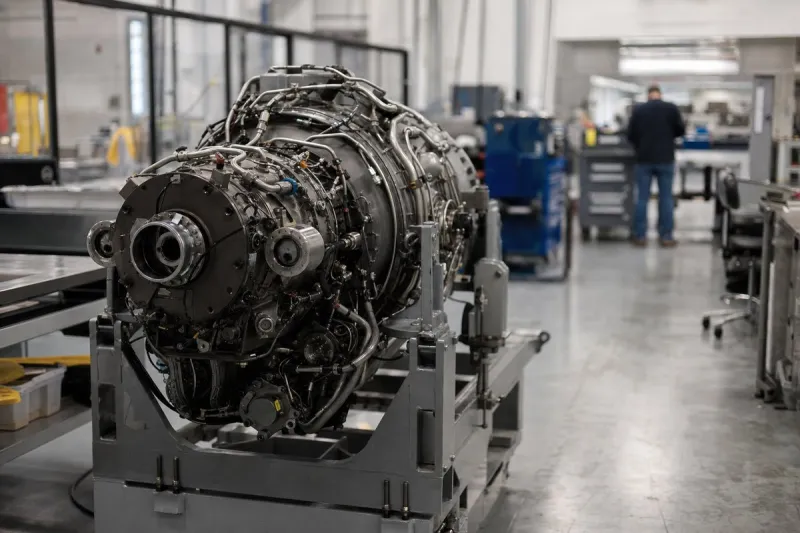
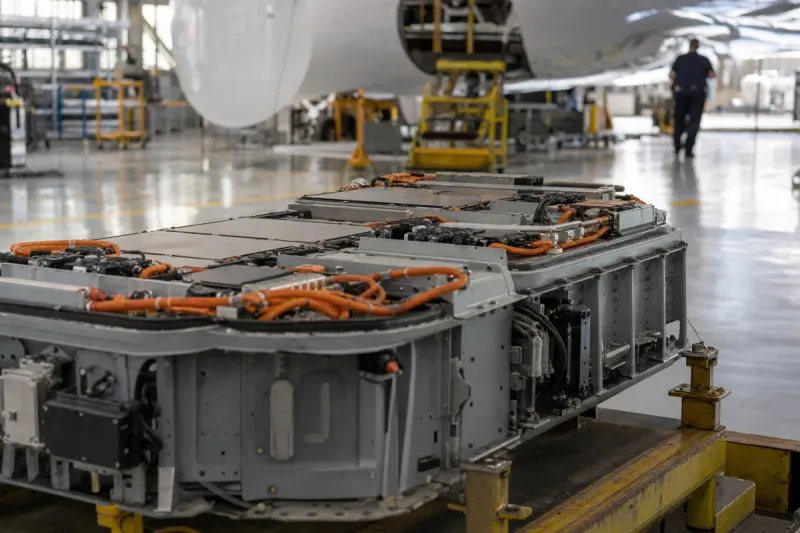
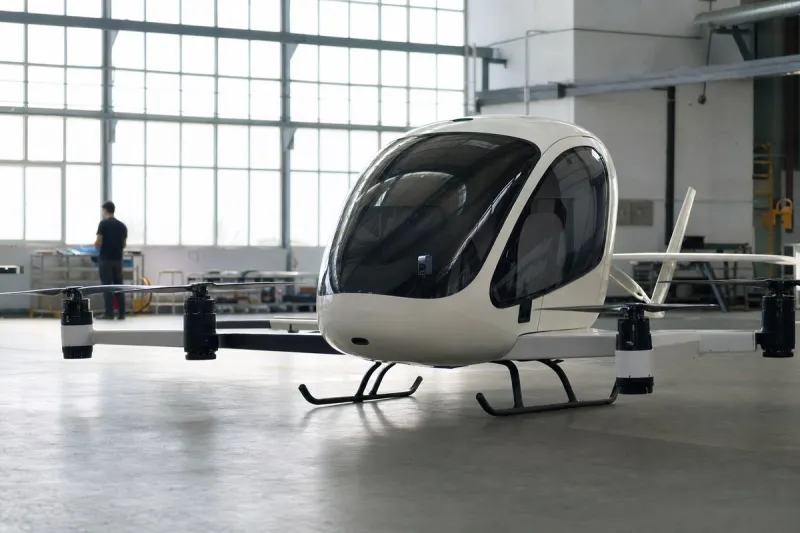
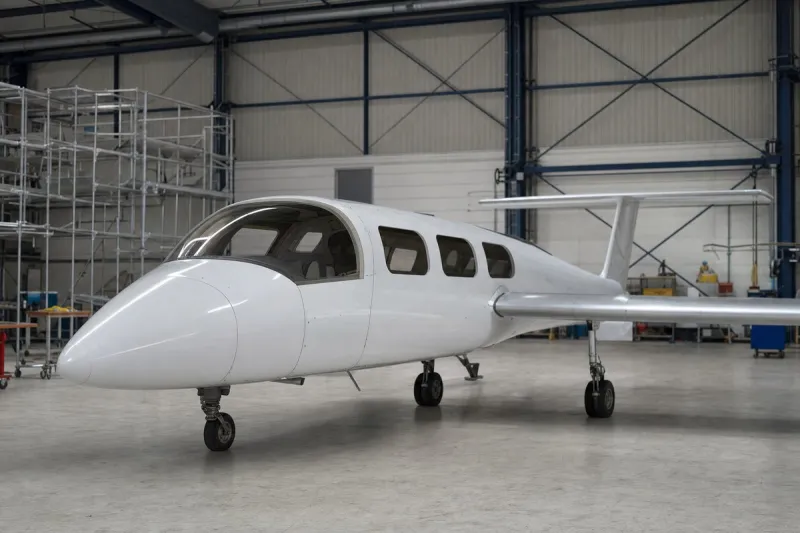
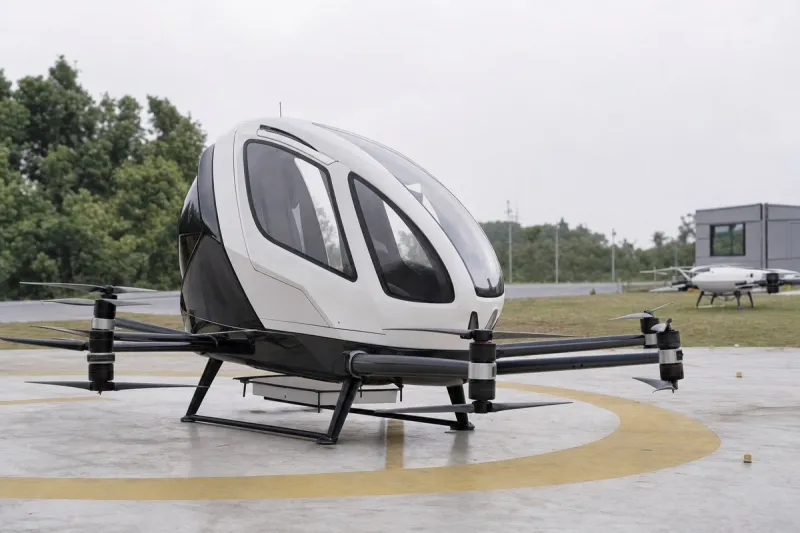
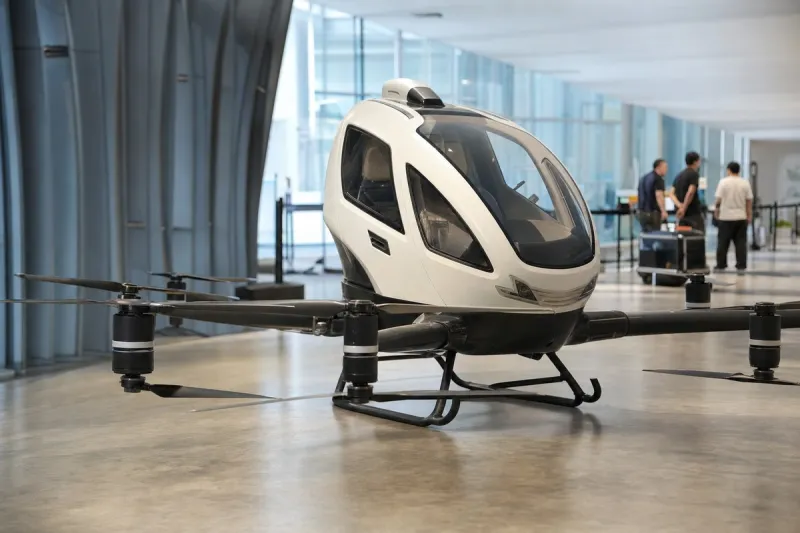
Regulation was a prominent topic, with the FAA's Modernisation of Special Airworthiness Certification (MOSAIC) initiative drawing particular attention for its potential to lower certification barriers for smaller electric and light-sport aircraft. Larger passenger aircraft and powered-lift vehicles were described as facing more demanding requirements covering battery safety, high-voltage systems, propulsion redundancy and thermal management. The FAA's eVTOL Integration Pilot Program, encompassing eight projects across 26 US states, was cited as a step toward operational integration.
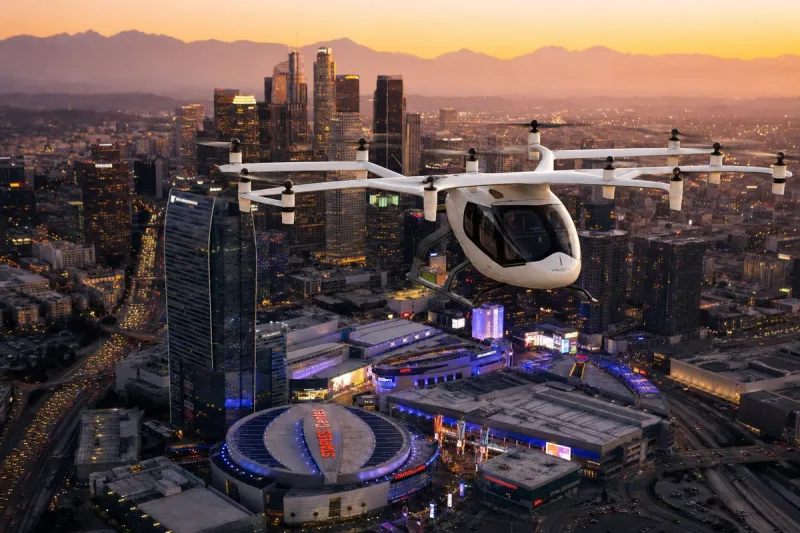
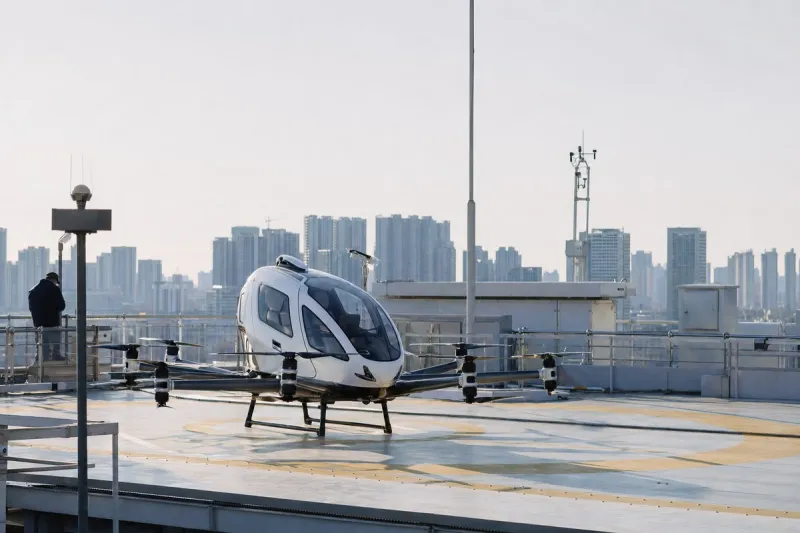
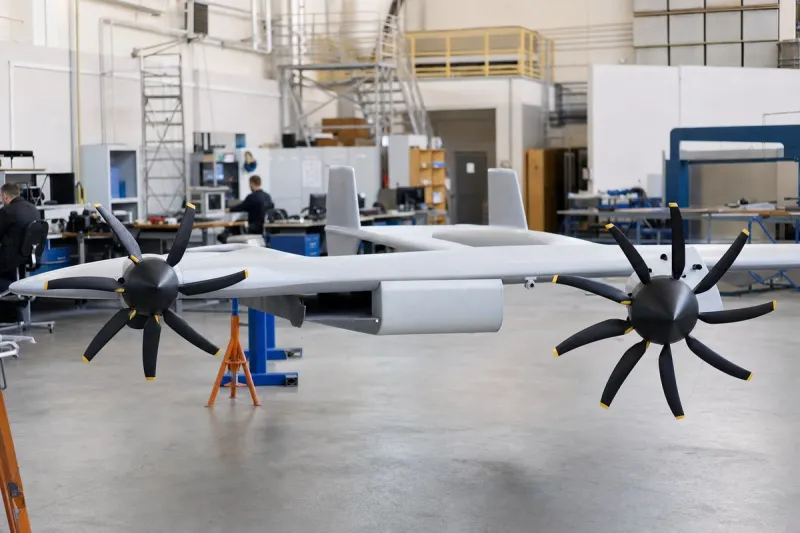
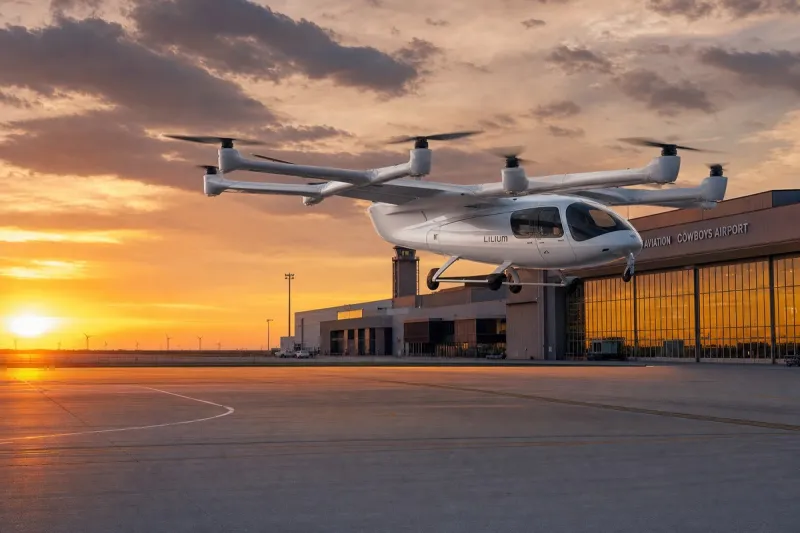
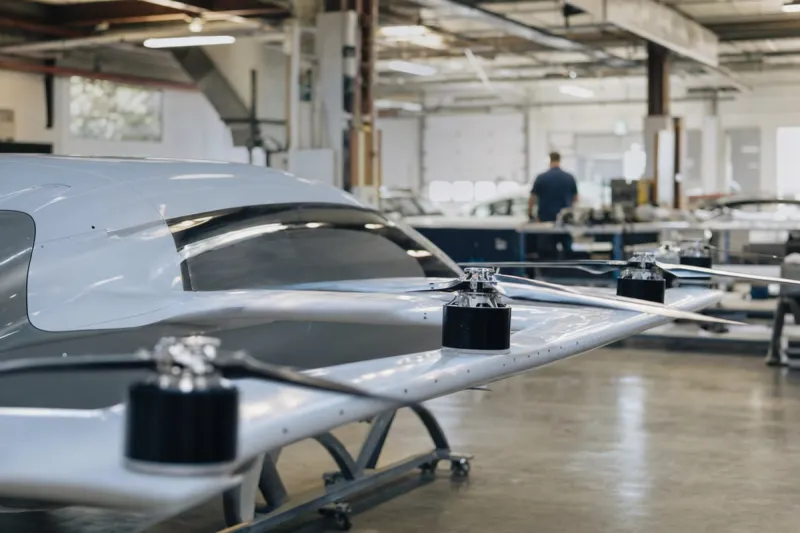
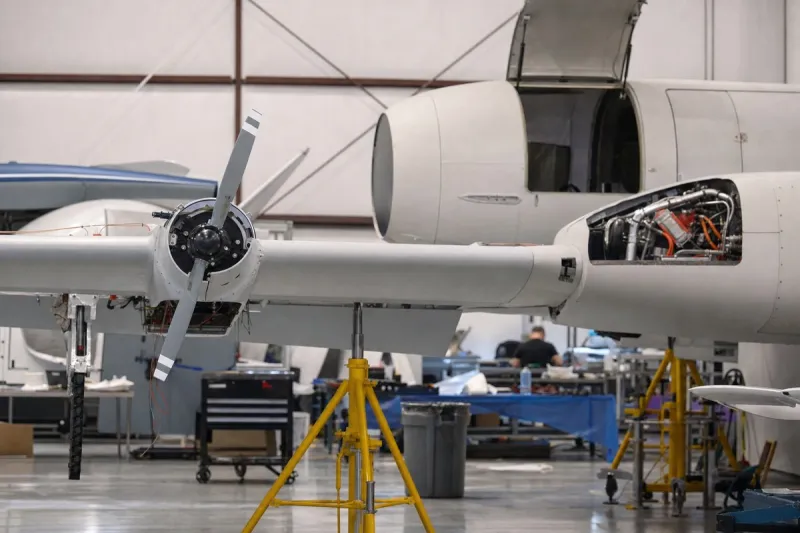
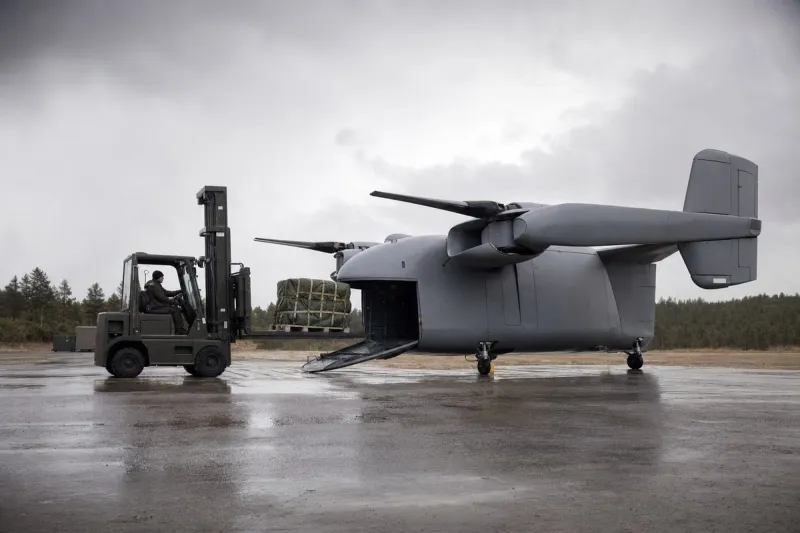
The symposium covered a range of companies and configurations: Ampaire, AURA AERO, Bye Aerospace, Electra, EVIO, Pipistrel and Alphafrog are pursuing electric and hybrid-electric aircraft with conventional and short-take-off-and-landing configurations, while Joby Aviation, Eve Air Mobility, BETA Technologies and Wisk are developing eVTOL aircraft in the Advanced Air Mobility sector. H2FLY and Hydroplane were named as active in hydrogen-electric propulsion research. The event was first established by the CAFE Foundation in 2007 as the world's first technical conference dedicated to electric aviation, and its focus has since shifted from experimental propulsion concepts to certification, commercial operations, airspace integration, energy storage and infrastructure.
Industry impact & what to watch
The shift in focus from experimental propulsion toward certification and commercial viability signals that electric and hybrid-electric aviation is moving out of the demonstrator phase and into the harder work of regulatory approval and airport readiness. Speakers' emphasis on MOSAIC easing rules for smaller electric and light-sport aircraft, while larger passenger and powered-lift vehicles face heavier battery-safety and thermal-management requirements, shows certification difficulty scaling directly with aircraft size and mission rather than with propulsion type alone.
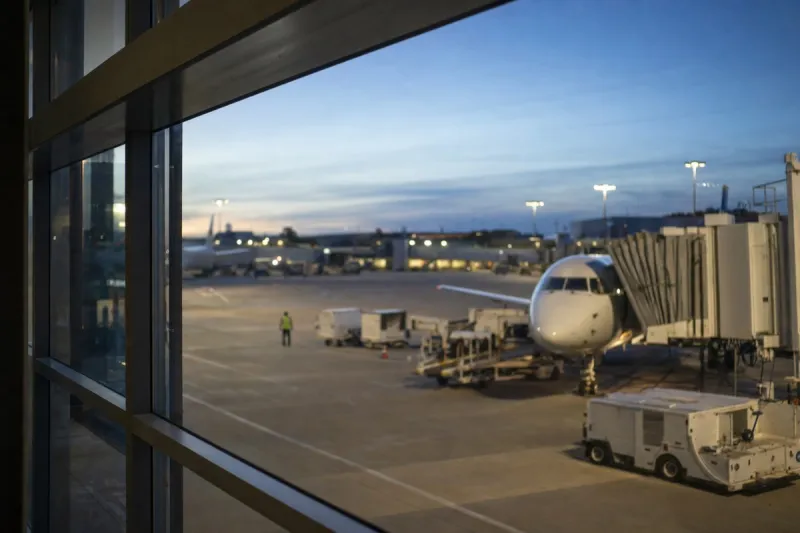
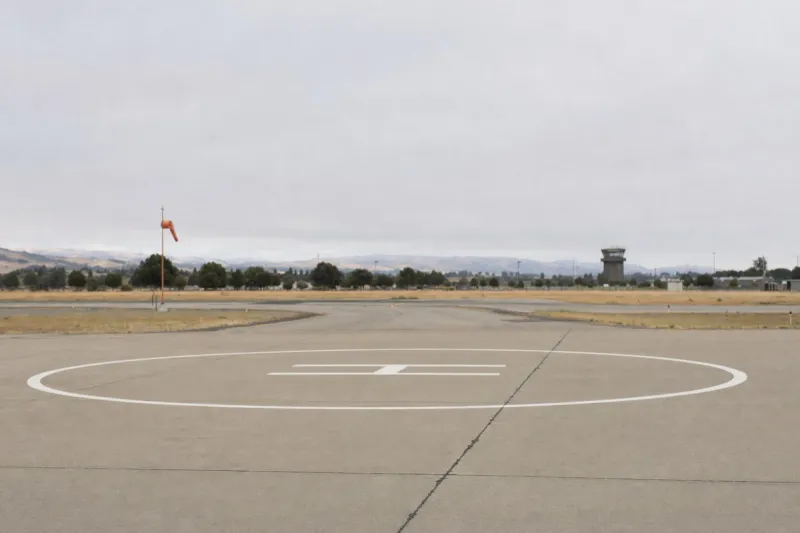
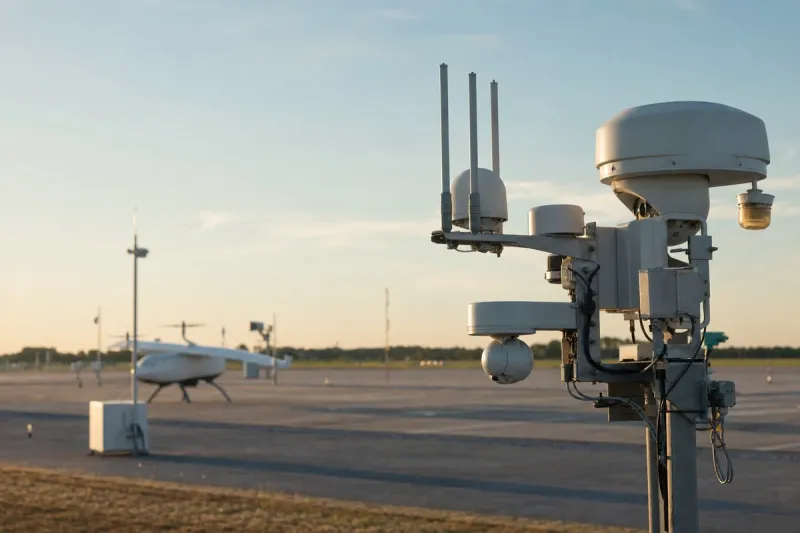
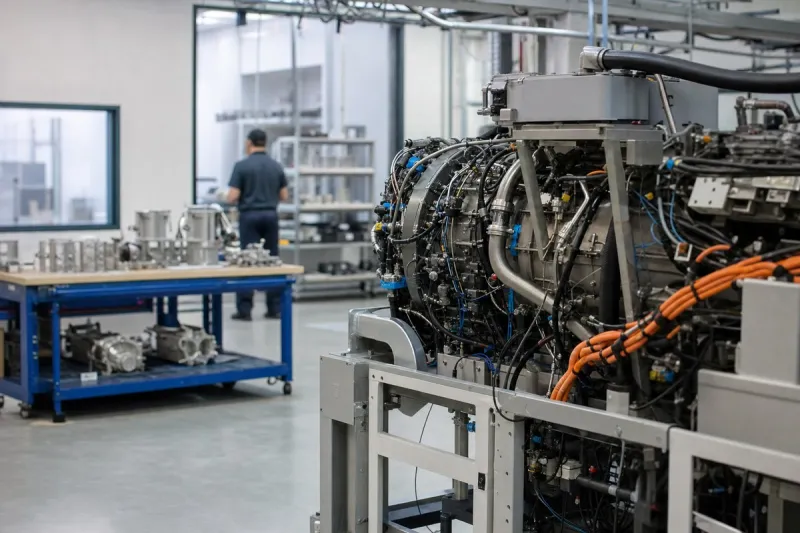
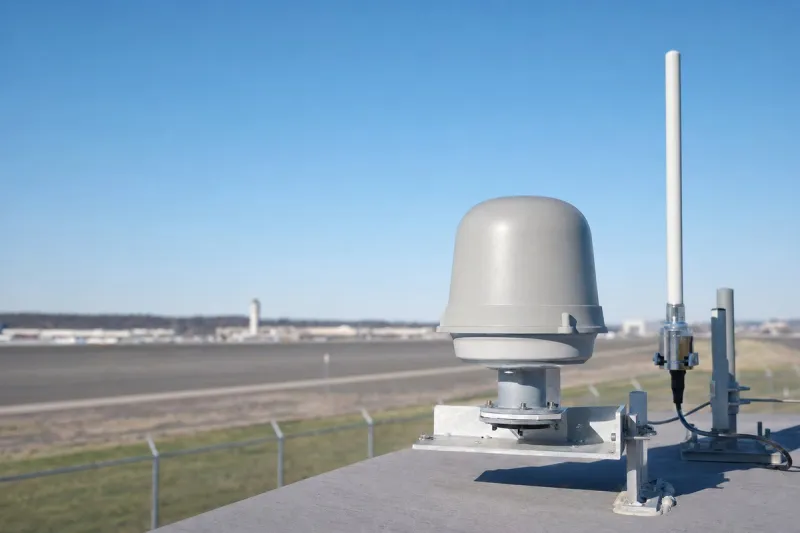
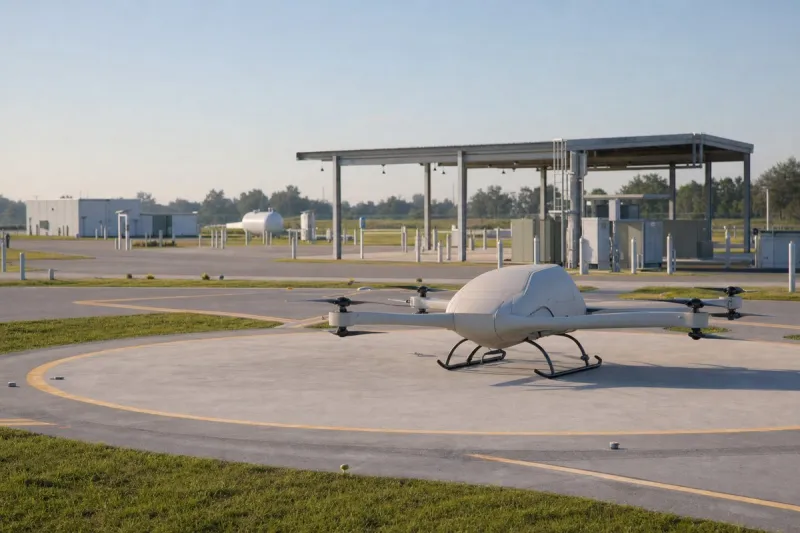
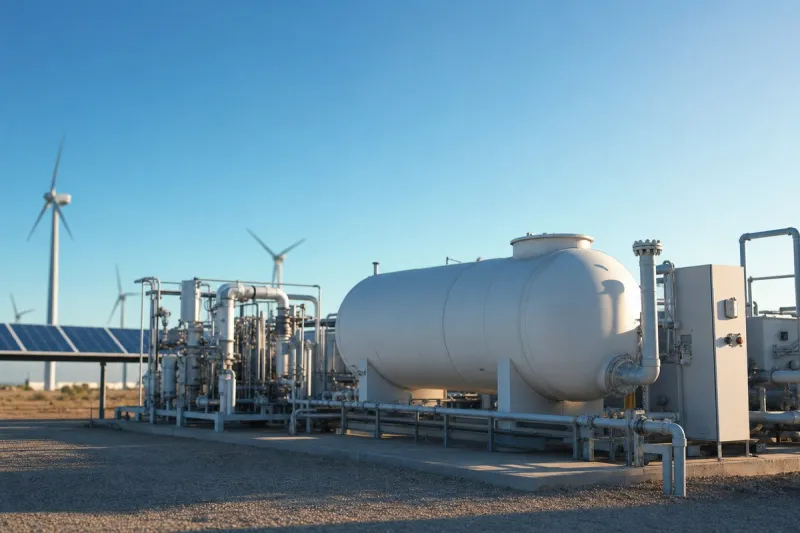
The presence of multiple energy pathways at the same event, battery-electric, hybrid-electric and hydrogen-electric, reflects how this segment is organizing itself around aircraft size and mission profile rather than converging on one dominant technology. Airport infrastructure emerged as a parallel constraint: general aviation airports may need substantial electrical charging capacity or hydrogen supply facilities before any of these aircraft types can operate commercially at scale.
Progress on MOSAIC's rulemaking and the pace of the FAA's eight-project eVTOL Integration Pilot Program across 26 states are the near-term markers that will indicate whether certification and infrastructure keep pace with the aircraft designs already in development.