Pictet Asset Management Visits Beta Technologies, Citing Electric Aviation Investment Case as Beta Targets FAA Certification in 2027
Why It MattersThe visit shows how electric aviation is being framed for investors as an early-stage opportunity whose commercial case rests on certification milestones, charging infrastructure build-out and proving real cargo uses.
What happened
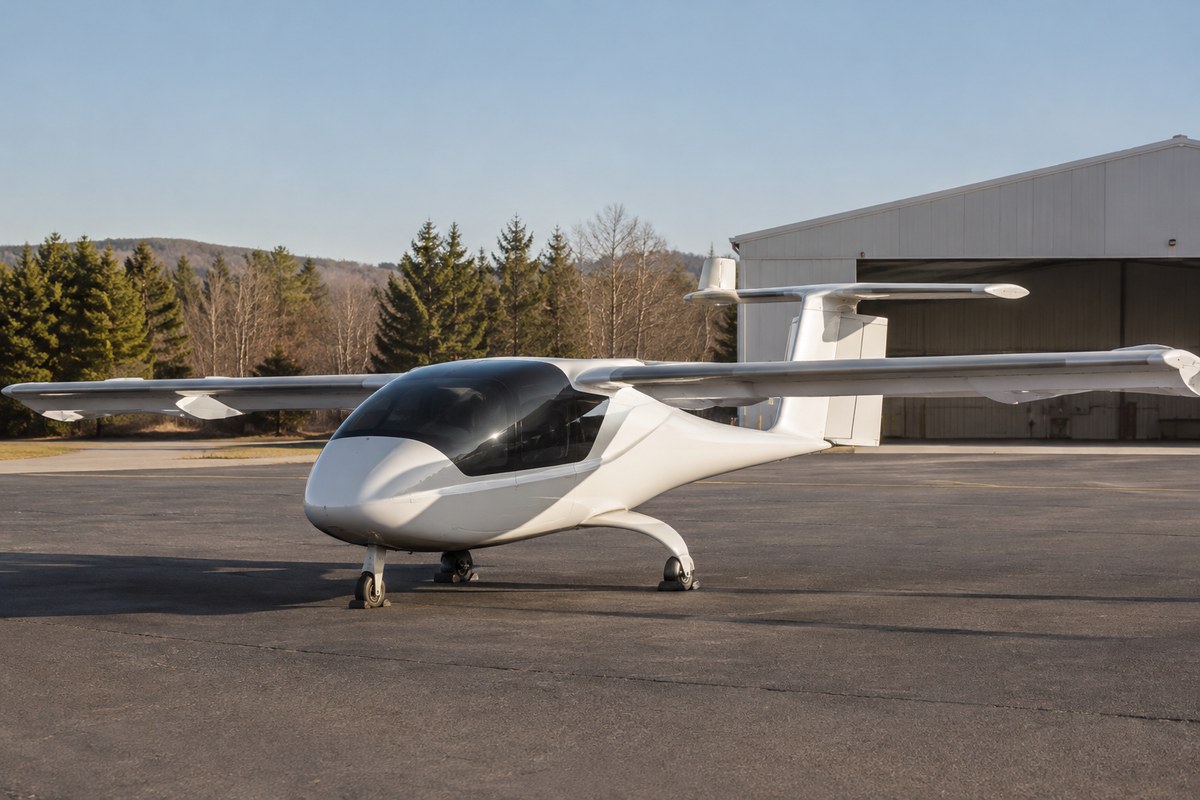
Investment managers from Pictet Asset Management's Clean Energy Transition strategy flew in an electric aircraft while visiting the aerospace company Beta Technologies in Vermont. They say they meet more than 400 companies a year, and that the visit reinforced their view that electrification is a growing investment opportunity in transportation.
The managers state that about 20 million electric cars were sold globally in 2025, a 20% increase on the previous year. They add that aviation, responsible for around 2% of global CO2 emissions, could be one of the next frontiers.
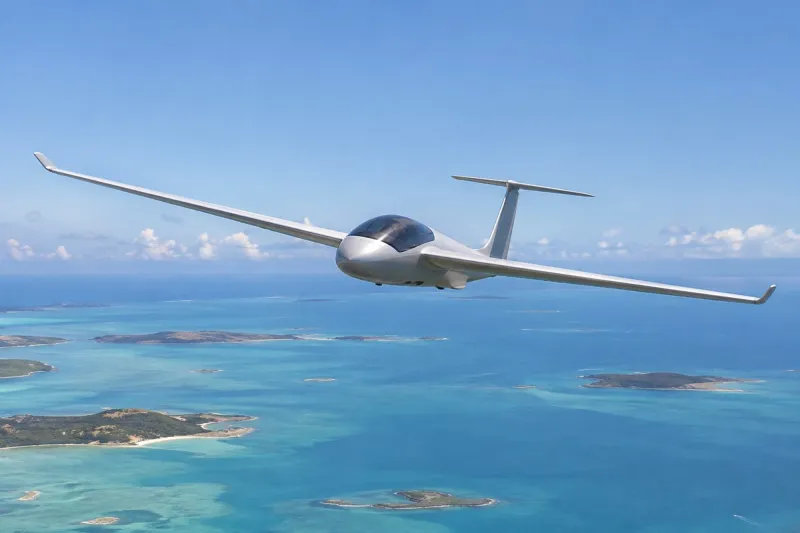
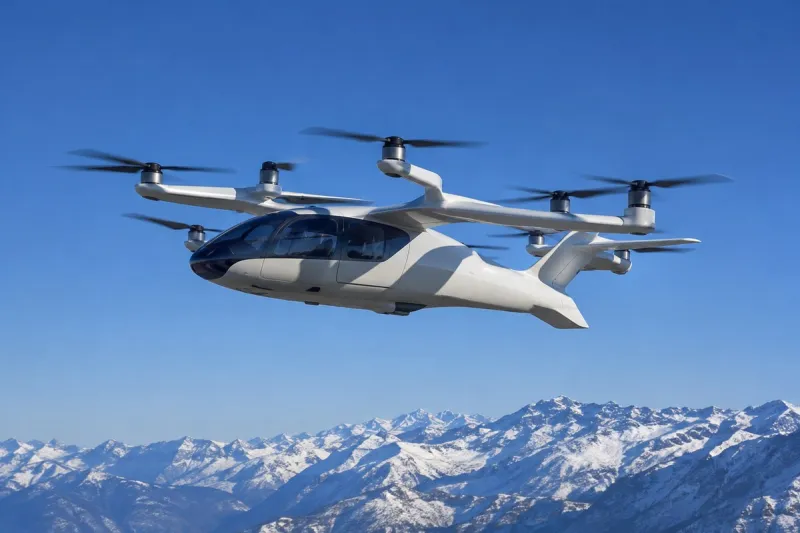
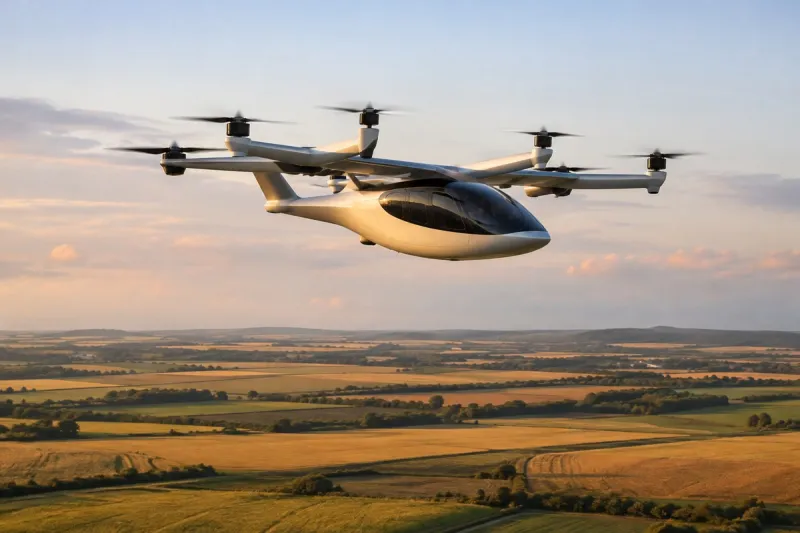
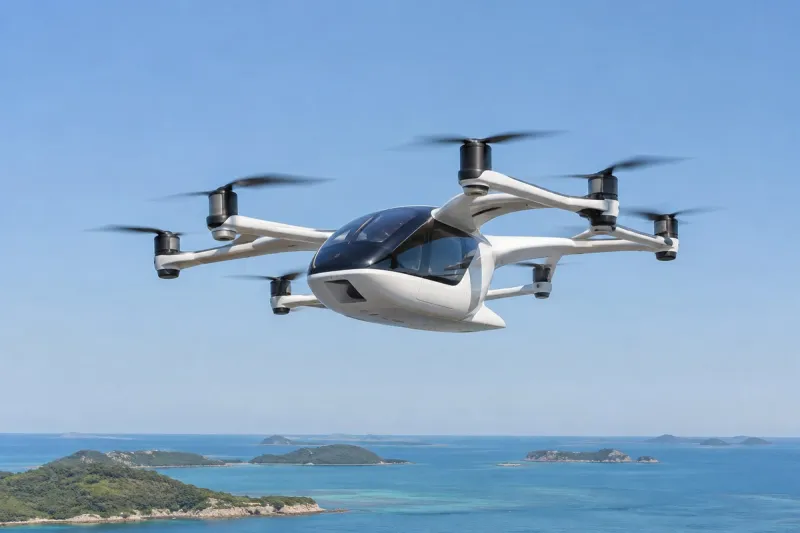
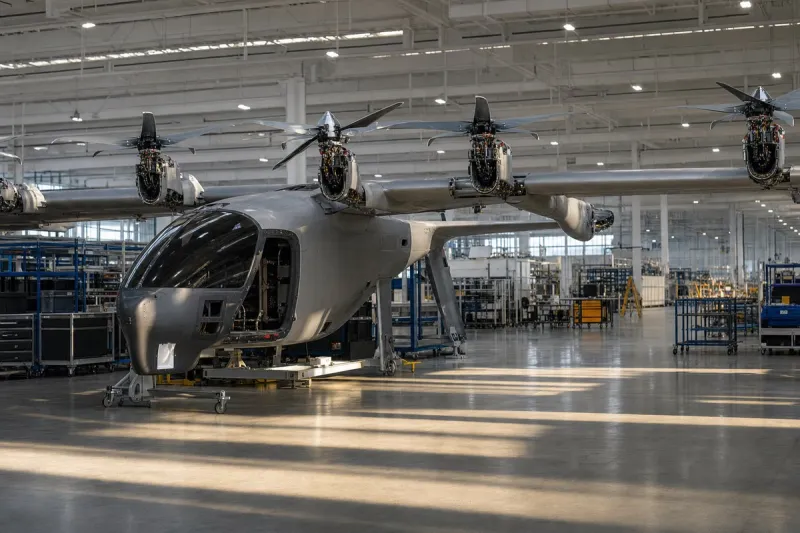
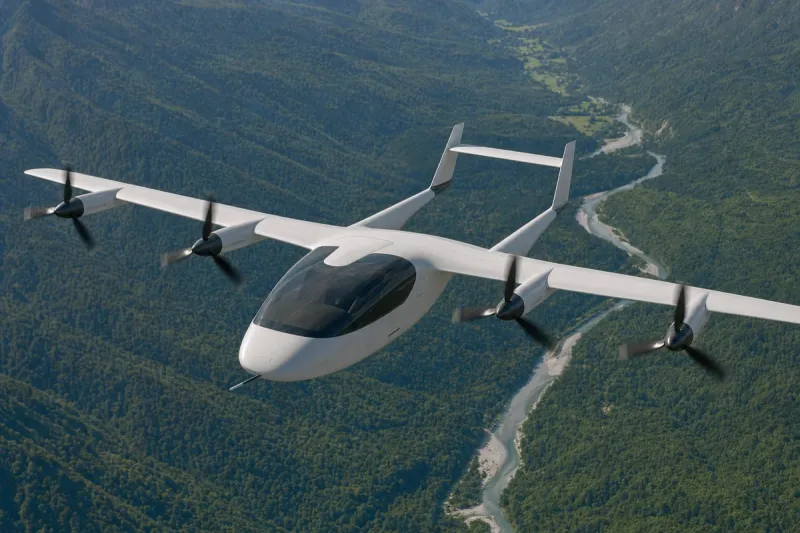
Beta Technologies builds electric aircraft, their propulsion systems and a charging network. Its Alia CTOL aircraft has a maximum demonstrated range of 600 km, roughly the distance between London and Edinburgh, and can carry five passengers or about 6 cubic metres of cargo. Beta's aircraft are conducting test flights of manufactured organs for United Therapeutics, which the authors describe as a key hurdle in proving the viability of both the organs and the transportation.
Beta's charging network spans some 130 sites across the US and internationally. The company has joined forces with Archer Aviation and Macquarie Capital to push towards 250 sites by 2030. Its conventional take-off and landing aircraft is targeting US Federal Aviation Administration certification in 2027, with the vertical take-off version expected to be approved about a year later. Beta has an aircraft order book worth some USD 4 billion, or over USD 10 billion including extra components and after-sale services.
The market forecast behind the thesis
The article cites Fortune Business Insights as forecasting an 11% compound annual growth rate for the global electric aircraft market through 2034. Fortune Business Insights' own published report concerns the 'more electric aircraft' market, which it values at USD 4.95 billion in 2025 and USD 13.04 billion by 2034, a CAGR of 11.37% over 2026-2034.
That report defines more electric aircraft as using electrical power to control non-engine systems such as braking and surface control. The article itself notes the electric aviation industry remains in its early stages and that certification is the key milestone.
Industry impact & what to watch
Asset managers framing electric aviation as the next stage after electric cars shows where the segment's capital story is being written: around a small number of developers that pair aircraft with their own charging infrastructure. Beta's approach of building aircraft, propulsion and a charging network, and linking with Archer Aviation and Macquarie Capital on sites, reflects that the network is treated as part of the product rather than an afterthought.
The market figures need careful reading. The 11% growth rate attributed to the electric aircraft market comes from a report whose subject is the 'more electric aircraft' market, defined by electrically powered non-engine systems, so the forecast describes a different pool of aircraft from fully electric passenger and cargo types like the Alia. Order-book and forecast numbers in this segment therefore do not translate directly into electric-aircraft demand.
The next dated milestones are the ones Beta itself names: FAA certification of the conventional take-off aircraft in 2027, the vertical take-off version about a year after that, and the push from some 130 charging sites toward 250 by 2030.