Helios Horizon Plans Clean-Sheet Electric Aircraft Designed to Carry Three People to 80,000ft
Why It MattersA crewed electric platform for the middle stratosphere would put quiet, zero-emission propulsion into an altitude band now served only by balloons and specialised military aircraft.
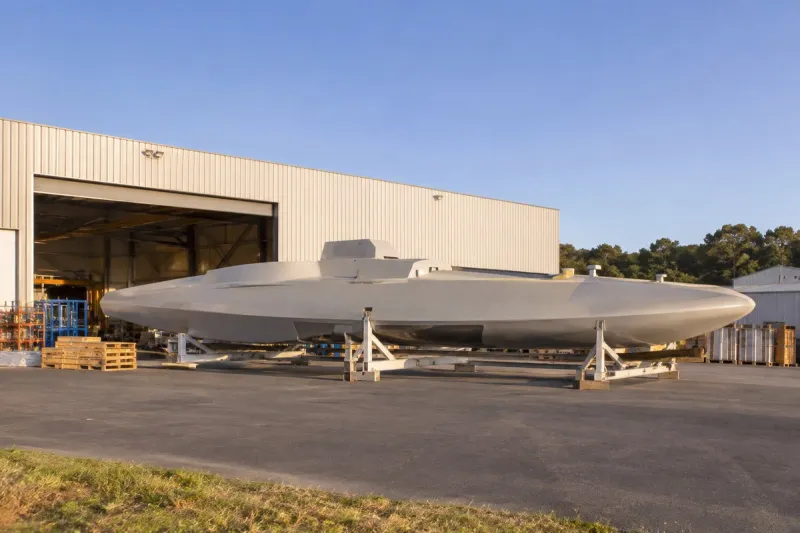
Helios Horizon is preparing to develop Helios Horizon 2, a clean-sheet, pressurised electric aircraft designed to carry up to three people to 80,000ft. The project was originally conceived as an atmospheric research initiative. Founder and chief test pilot Miguel Iturmendi said the design takes aerodynamic inspiration from the Windward Performance Perlan 2 high-altitude research glider but is a completely original design with electric propulsion, and is not being built in partnership with Oregon-based Windward Performance.
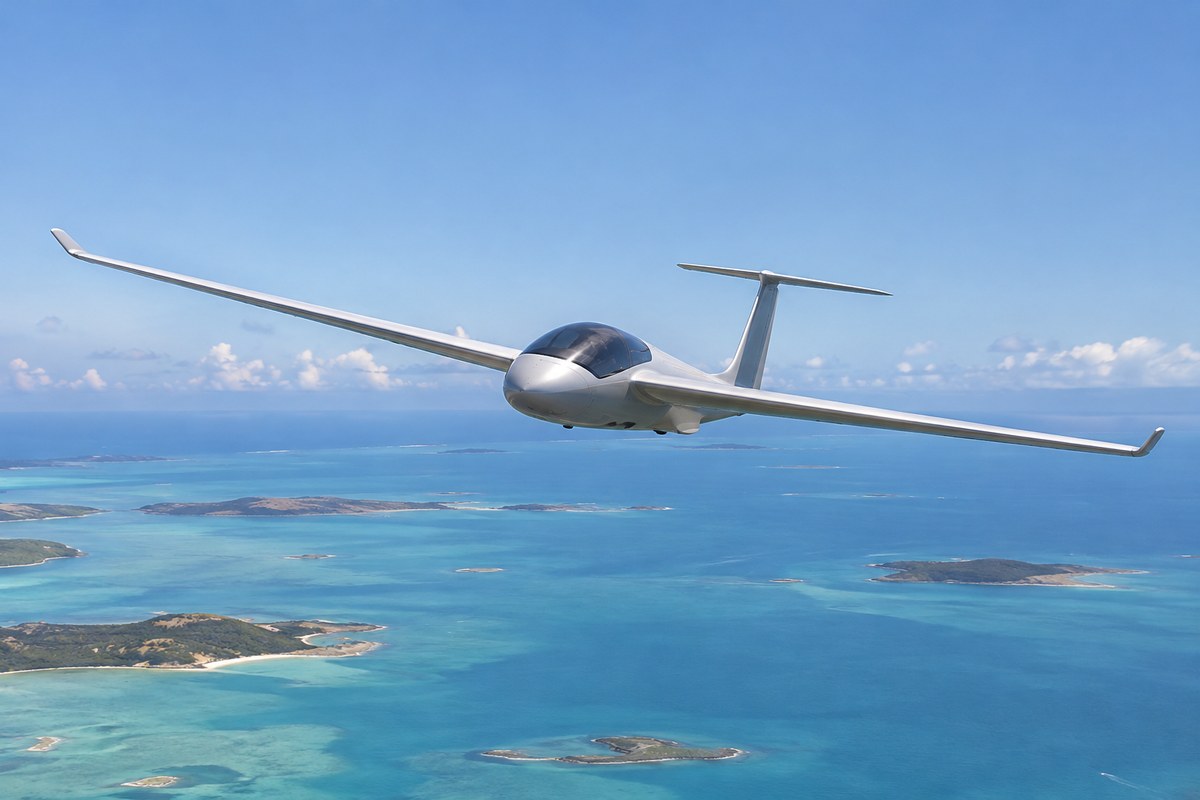
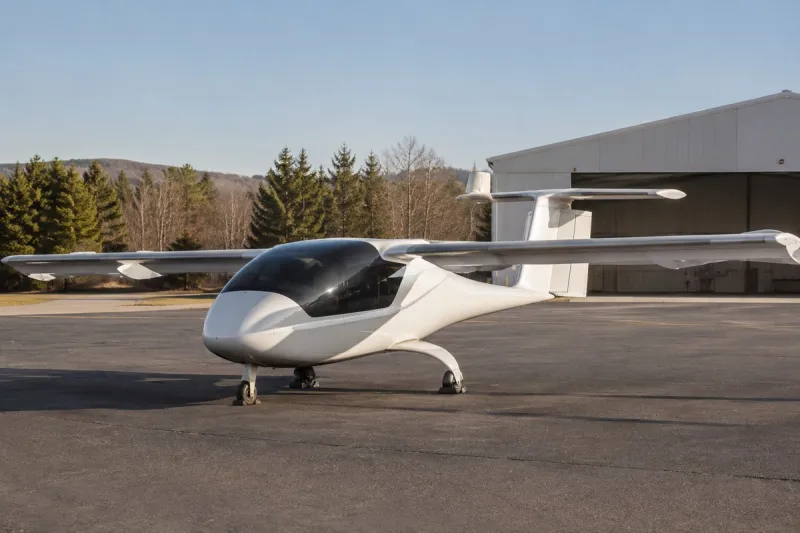
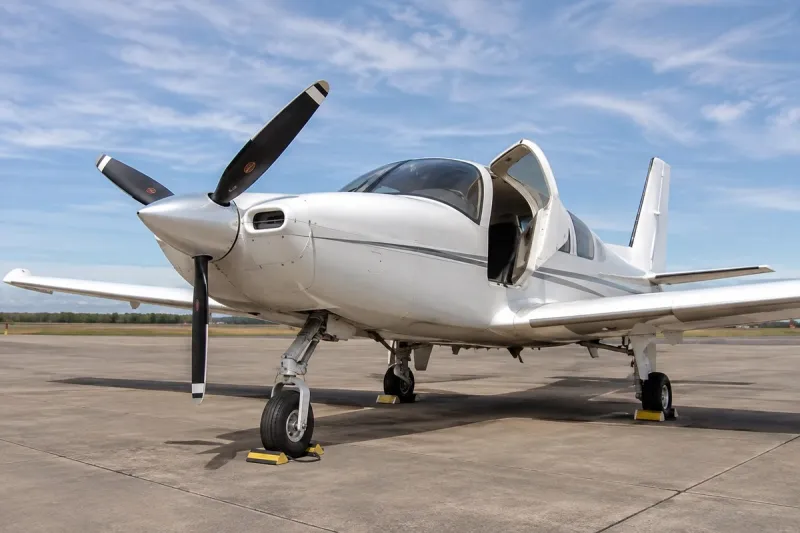
Development is expected to begin after flight testing of the current proof-of-concept aircraft, Helios 1, a heavily modified Pipistrel Taurus Electro motor-glider. In stock form the Taurus is restricted to flying under roughly 10,000ft; changes to the wing, mast and a larger propeller allow Helios 1 to fly much higher. Envelope expansion on Helios 1 is expected to continue for another 12 to 18 months, and construction and initial testing of Helios Horizon 2 will take around another 30 months, placing a first flight about three and a half years away.
The announcement follows a flight-test campaign at the University of North Dakota (UND) John D Odegard School of Aerospace Sciences, in which Helios 1 validated solid-state batteries in sustained flight. On one flight, Iturmendi climbed to 17,200ft using 36% of the battery capacity, setting three world records for electric aircraft under 500kg: total altitude, altitude in horizontal flight, and time to climb above 3,000m (9,800ft), reached in 27min. Iturmendi pointed to the middle stratosphere between 62,000ft and 90,000ft, currently reachable only by high-altitude balloons and specialised military platforms such as the Lockheed U-2, and said electric propulsion offers a quiet, zero-emission platform that avoids sample contamination and the mechanical complexity and vibration of internal combustion engines at extreme altitude.