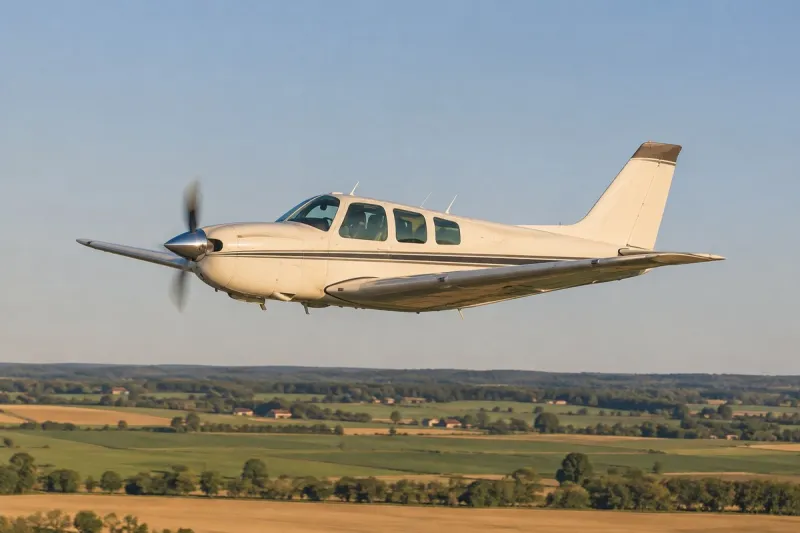
Student Pilot Survives Crash After Cessna Loses Power on Takeoff Near Auburn University Flight School
Why It MattersA power loss moments after liftoff leaves a student pilot almost no altitude or time, which is why low-level emergencies are the defining risk of flight-training operations.
What happened
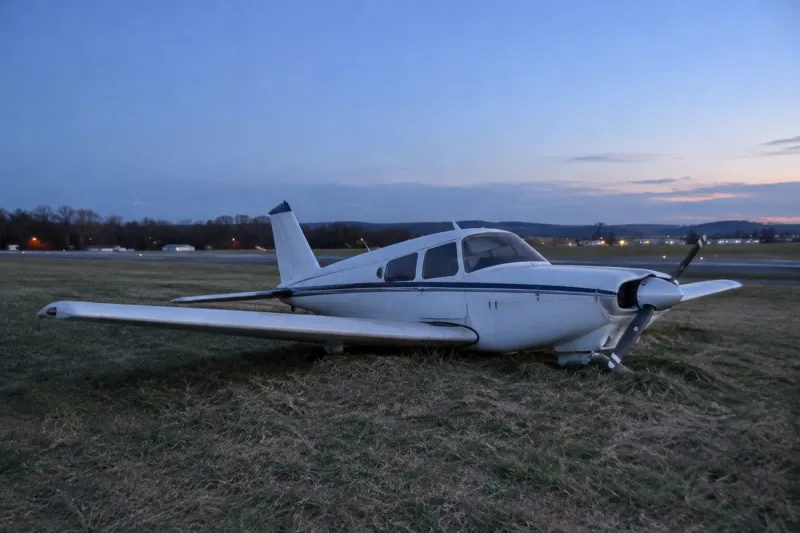
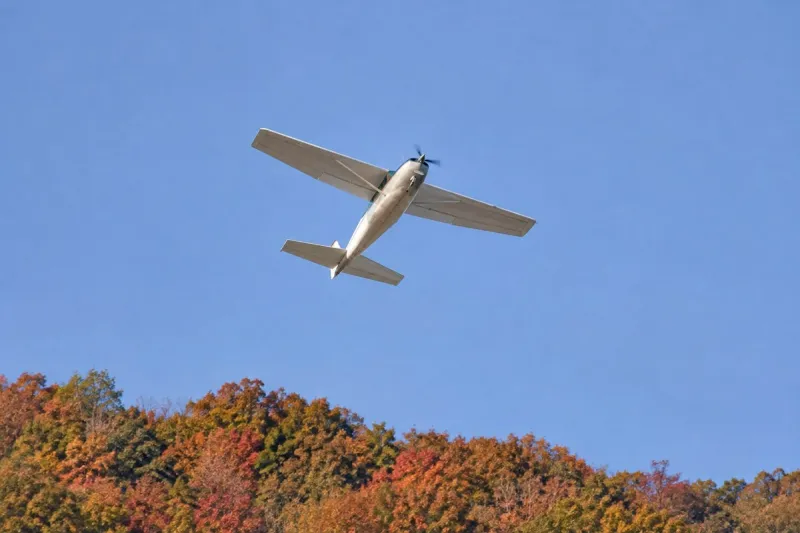
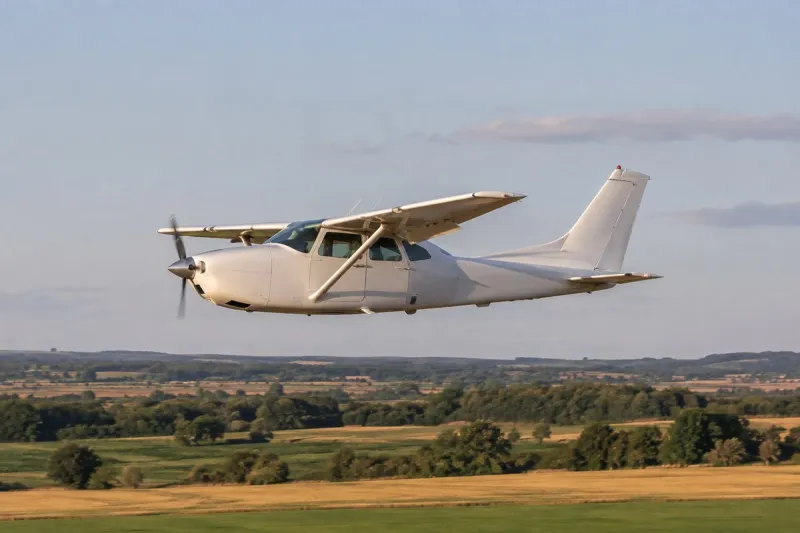
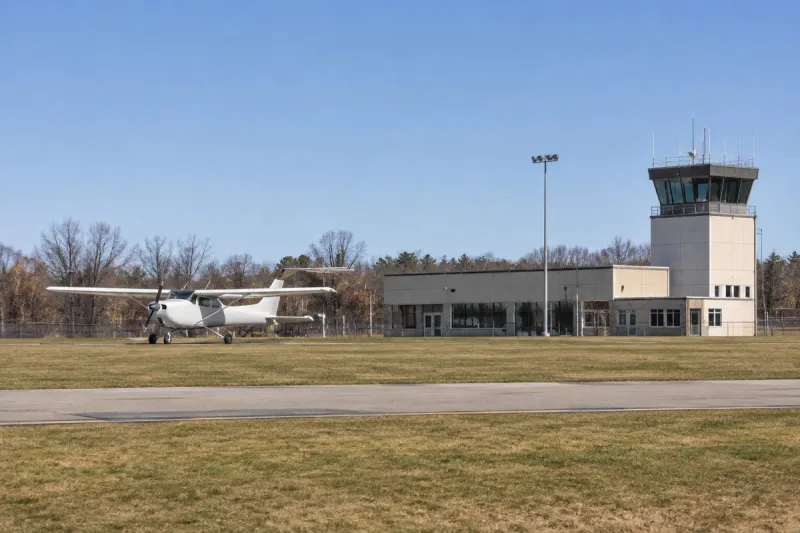
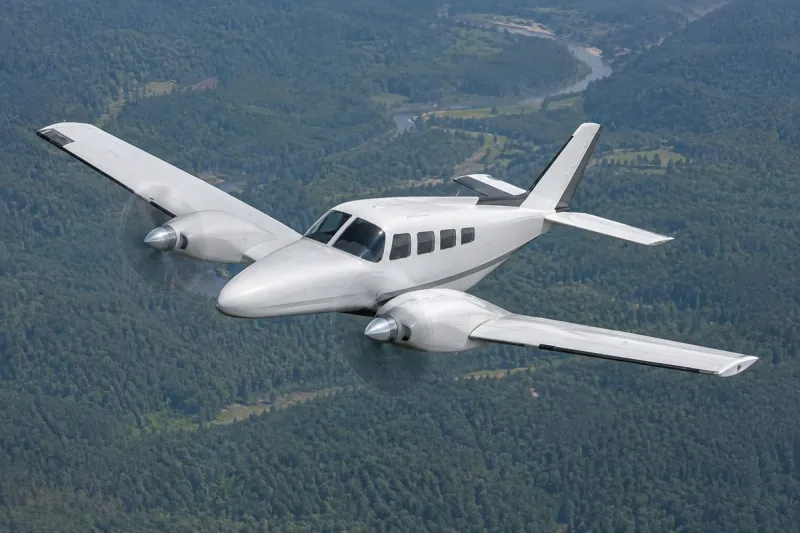
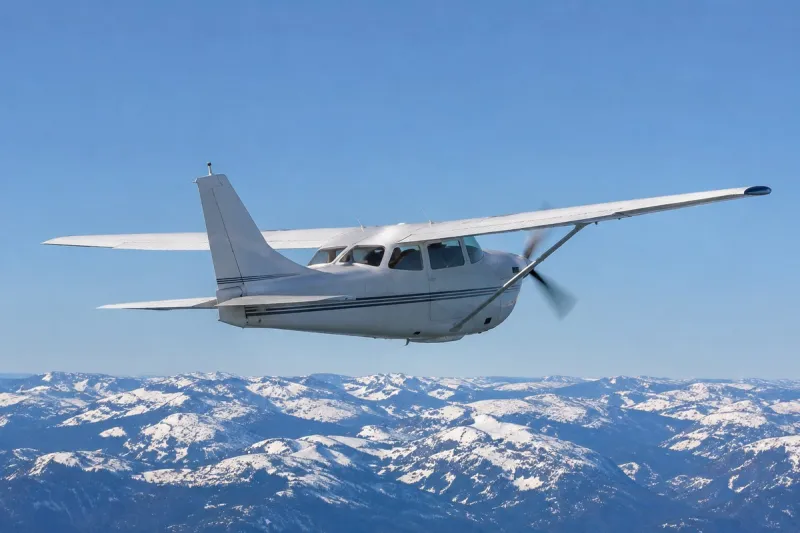
An 18-year-old student pilot, Aliya Applin, survived a crash in suburban Alabama after the Cessna propeller plane she was flying lost power shortly after takeoff. She was alone in the cockpit and could not stop the aircraft from sinking toward a canopy of trees.
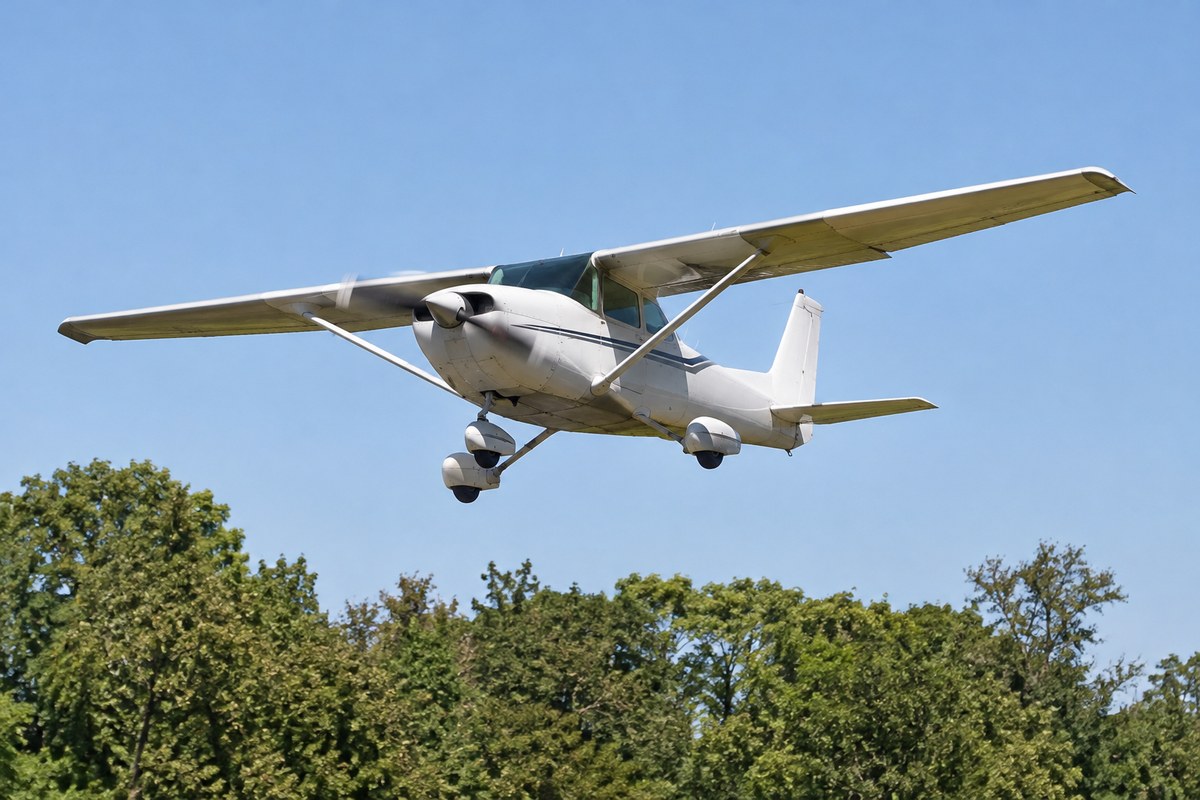
The plane became caught in thick branches and came to an abrupt stop dozens of feet in the air. It then dropped to the ground and came to rest upside-down in the dirt.
Applin, from the Atlanta area, was in her first year of training. She had taken the aircraft, which is owned by her flight school, out for the day to practice takeoffs and landings.
Industry impact & what to watch
Takeoff and initial climb are the phase of flight with the least margin for a student on a solo practice sortie. Altitude is low and speed is close to the minimum, so an engine that loses power leaves seconds to choose a landing area. Repeated takeoffs and landings, as in this sortie, concentrate flying in exactly that phase.
For flight schools, where the aircraft are owned by the school and flown by students on their own, a case like this puts attention on how solo practice is authorised and how engine-failure procedures are drilled before a student is released to fly alone.
The cause of the power loss has not been determined. Findings from the investigation into the crash are what would settle whether the event points to a mechanical, fuel or handling issue.