EASA Orders Emergency Inspections of Airbus H160-B Cockpit Windows After Factory Test Finds Detachment Risk
Why It MattersMandatory directives that convert manufacturer bulletins into binding checks show how quickly a single installation fault found on a production line can ground-check an entire in-service fleet.
What happened
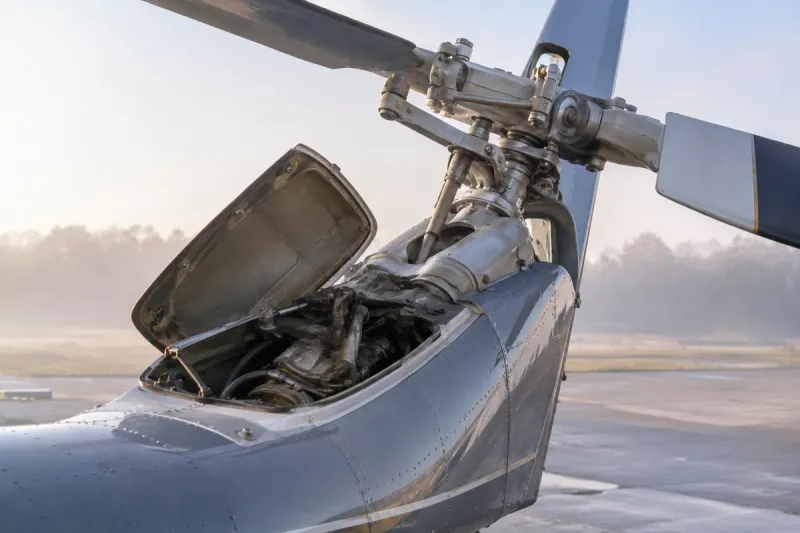
The European Union Aviation Safety Agency (EASA) has ordered emergency inspections of Airbus H160-B helicopters after an assembly-line check showed that cockpit escape windows could come loose and detach in flight. EASA issued the airworthiness directive on November 25, 2026, and it took effect on November 27.
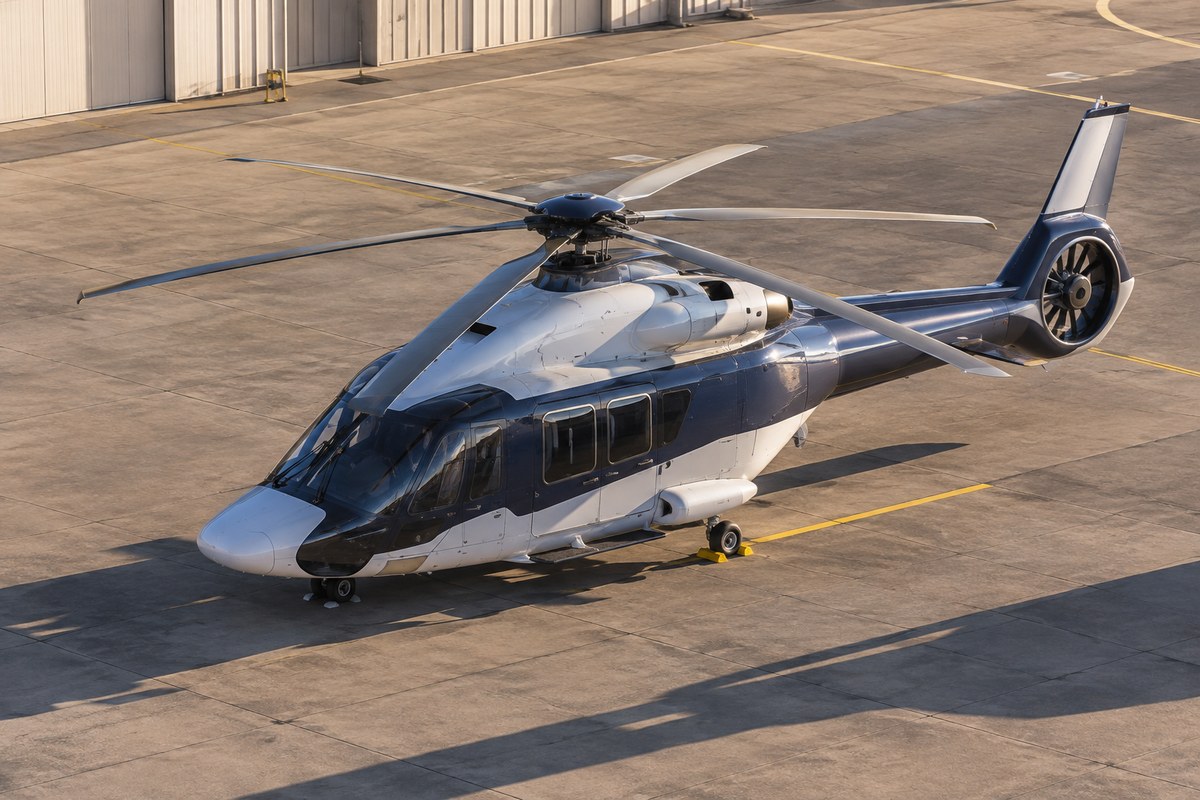
The directive covers all H160-B serial numbers. Helicopters fitted with the affected pilot or copilot windows must be inspected within 10 flight hours of the November 27 effective date. If an inspection finds a problem, the operator must correct it before the helicopter flies again. EASA did not specify how many helicopters carry the affected windows.
Airbus Helicopters issued an emergency service bulletin on November 24, one day before the directive, with instructions for checking the window installation. The directive turns that manufacturer guidance into a mandatory requirement for operators.
The issue surfaced during a test carried out after the windows had been installed on the assembly line. A red warning flag on the cockpit window's lock indicator remained visible. A subsequent investigation found that when the flag stayed even partly visible, the window could unlock and detach in flight.
EASA said a detached window could damage the helicopter or injure people on the ground. The H160 entered US service in 2024 with PHI Aviation, which uses the helicopter for offshore energy operations.
Industry impact & what to watch
The sequence here, a production-line test, a manufacturer bulletin one day later, then a mandatory directive, is the normal route by which a defect found before or during delivery becomes a fleet-wide obligation. Operators of a young type absorb the cost of that conversion immediately: the 10-flight-hour window leaves little room to schedule checks around revenue flying, and any helicopter that fails must stay on the ground until corrected.
For a type in offshore energy service, where aircraft typically fly scheduled rotations to platforms, even a short inspection campaign competes with fixed operational commitments. A fault tied to a lock indicator also puts attention on installation quality control rather than on the window design itself, which is the distinction regulators and operators will look at when judging how far the issue extends.
The open points are the ones EASA has not yet addressed: how many helicopters carry the affected windows, and what the inspections turn up. The first findings reported back to Airbus Helicopters and EASA will show whether this stays a one-time check or leads to a revised directive.