FAA and EASA Identify Shared Challenges in Scaling BVLOS Drone Operations at Commercial UAV Expo
Why It MattersConvergence between US and European regulatory philosophies on risk assessment and airspace collaboration could ease cross-border standardization as commercial BVLOS operations scale globally.
Aviation officials from the United States and Europe identified common ground on risk assessment, data collection and low-altitude airspace management during a panel at Commercial UAV Expo in Las Vegas, despite operating under different regulatory frameworks.
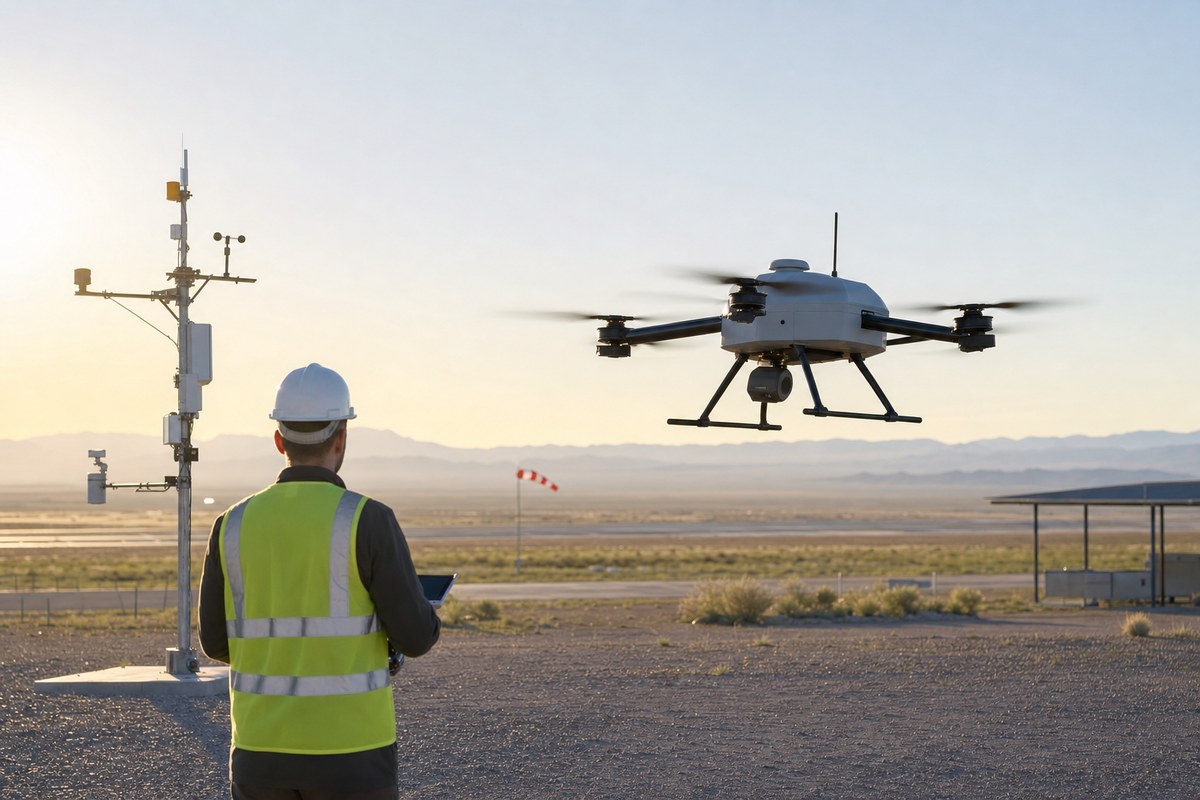
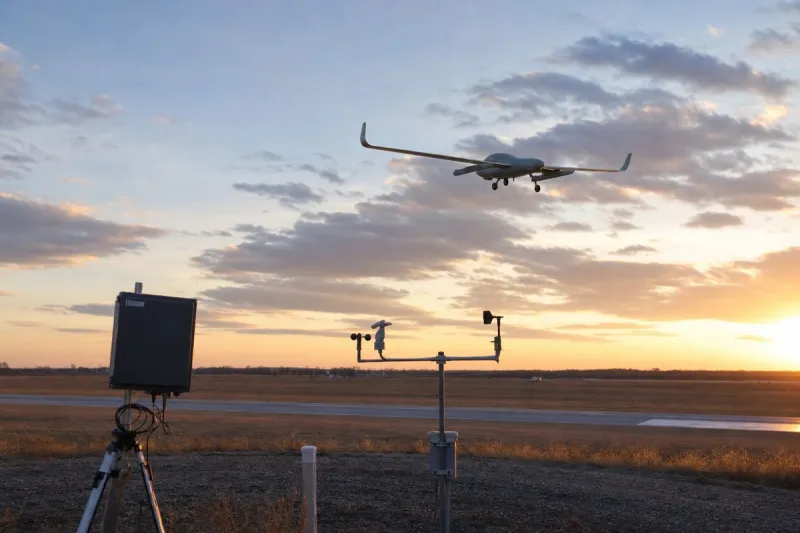
Europe's U-space framework, adopted in 2021 and in force since 2023, supports complex drone operations through network identification, geo-awareness, flight authorization and traffic information services, though operational U-space areas have emerged more slowly than the framework itself. Europe also applies the Specific Operations Risk Assessment methodology for higher-risk flights, with EASA adopting SORA 2.5 in 2025 to make the process more proportionate to risk. The United States began its integration work through the FAA's Integration Pilot Program in 2017, testing BVLOS flight, package delivery and detect-and-avoid technologies, later continuing through the BEYOND program, with the Dallas-Fort Worth area emerging as a key UAS Traffic Management testing ground. The FAA is now moving toward Part 108, meant to establish a routine regulatory framework for BVLOS operations rather than relying on individual waivers.
The panel, moderated by Avtrain CEO Julie Garland, brought together US and European regulators who agreed that while frameworks differ, safety goals align. "Although EASA and FAA take a different approach, the safety outcome that we're looking for is the same," one FAA official said. FAA officials cautioned that finalizing Part 108 will not resolve every operational challenge, citing data collection on safety, flight activity and incidents as an ongoing priority, alongside maintenance, weather and personnel factors. On managing crowded low-altitude airspace, an FAA official pointed to collaboration, noting regulators cannot solve congestion through rules alone and that all airspace users will need to participate; EASA highlighted interoperability as a growing concern as it works toward solutions equitable for general aviation and drone operators alike.