West Star Aviation Expands Dummy Landing Gear Inventory to Cut Aircraft Downtime Across Ten Business Jet Platforms
Why It MattersDecoupling landing gear overhaul from the rest of a maintenance visit lets MRO providers run multiple work scopes in parallel, a structural lever against fleet downtime rather than added shop capacity.
What happened
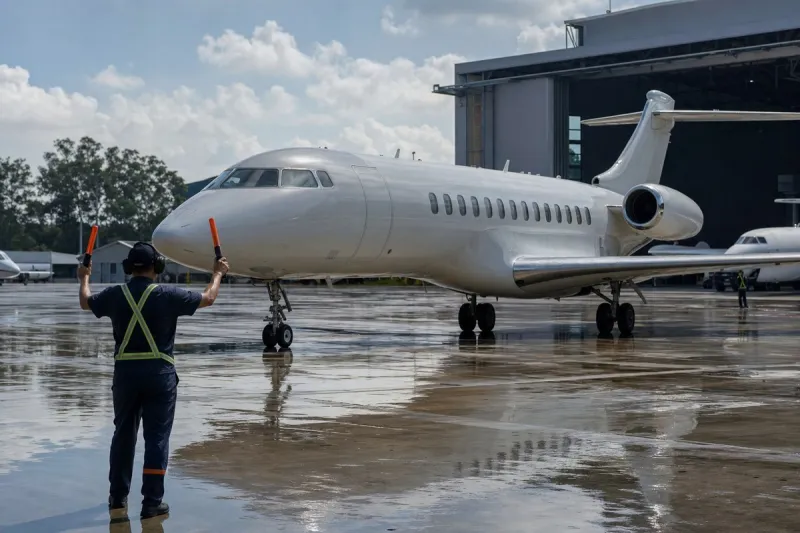
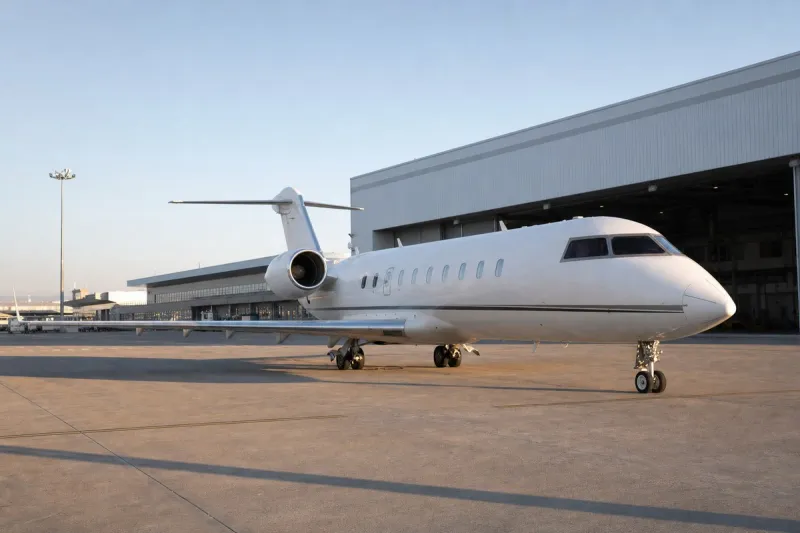
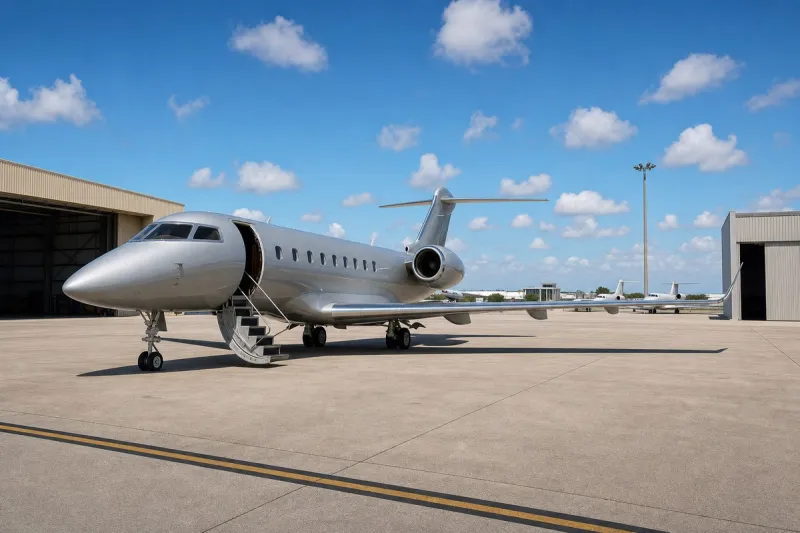
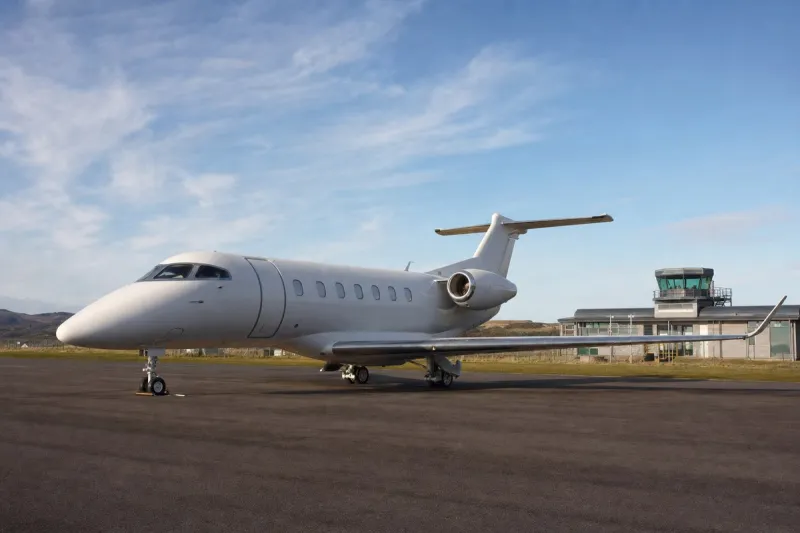
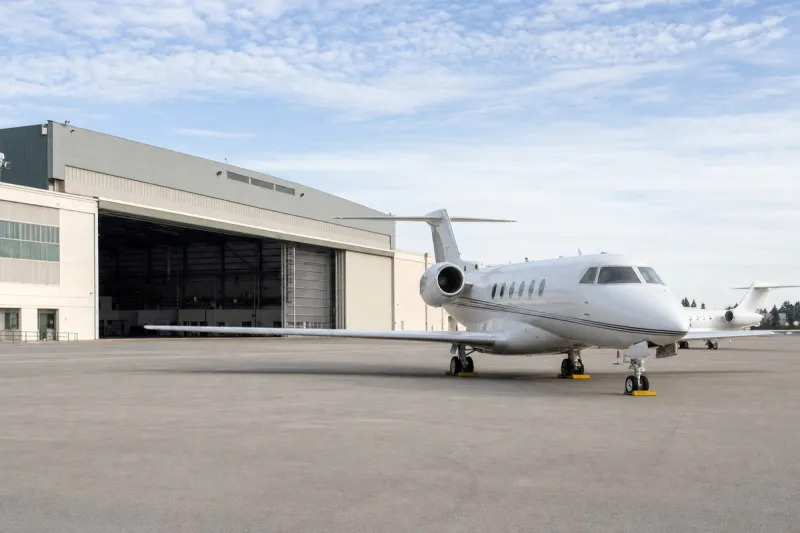
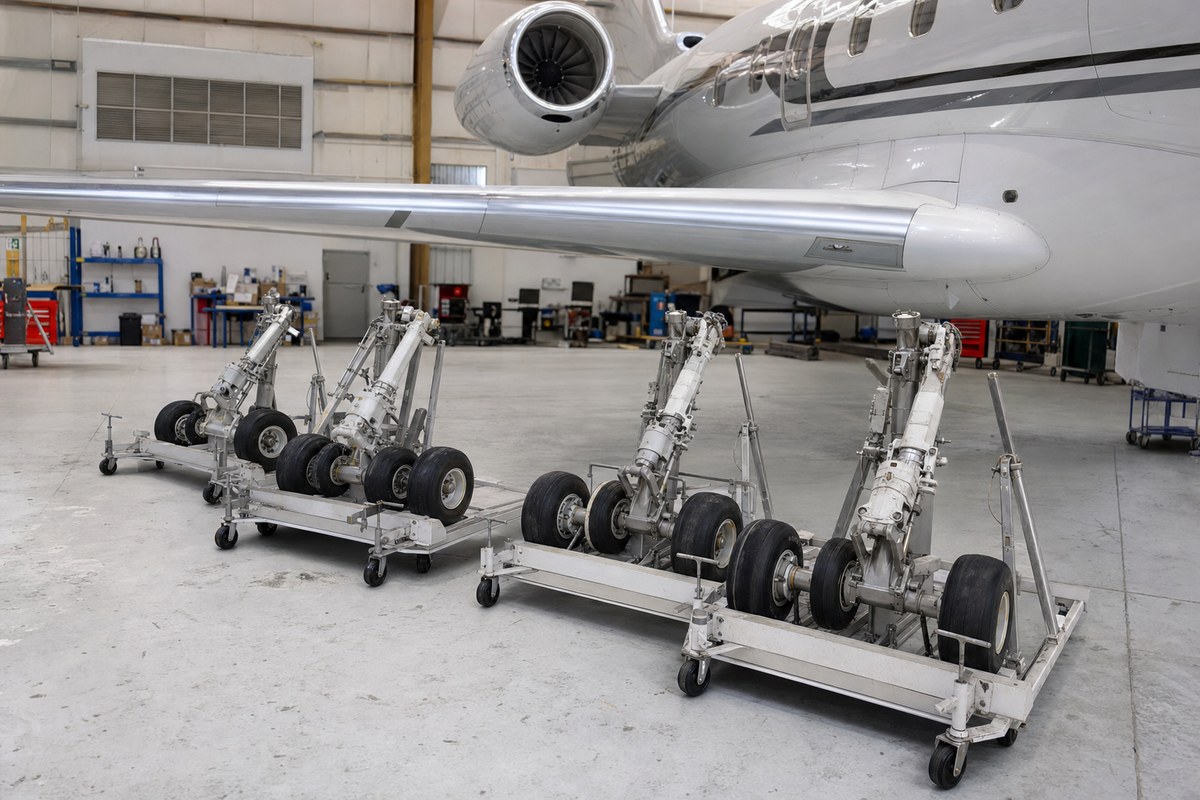
West Star Aviation has expanded its inventory of dummy landing gear, also called roll-around gear, to cover ten business aircraft platform families, and is making the equipment available to in-house maintenance customers at no additional charge. The investment was made jointly with DAS Aviation.
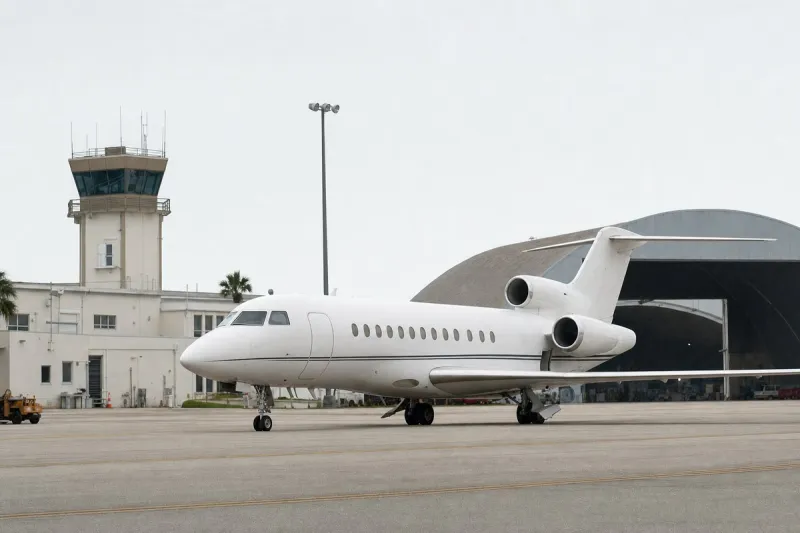
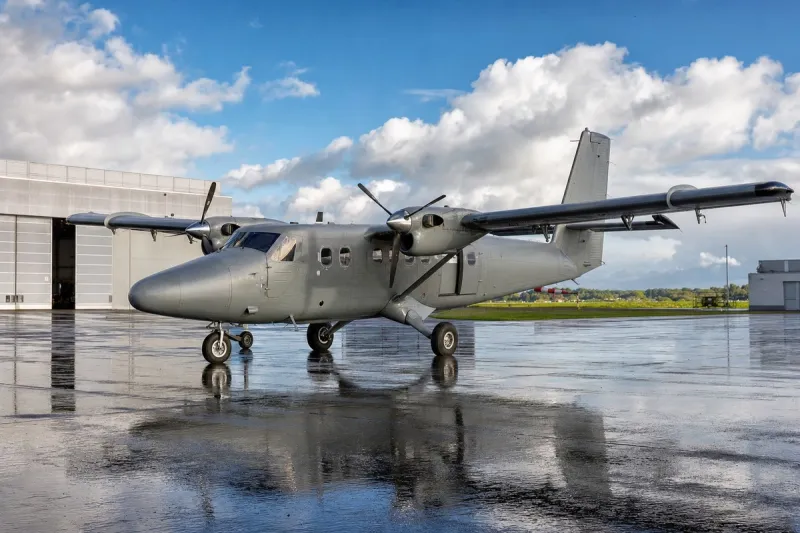
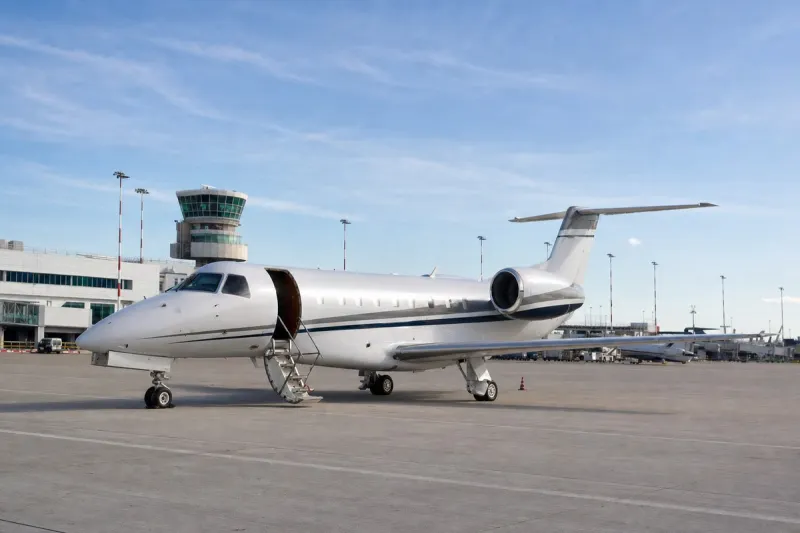
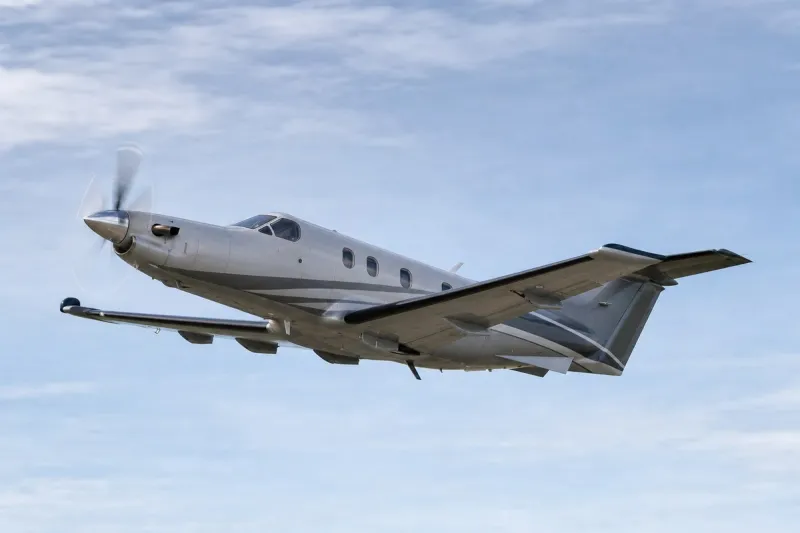
The supported platforms are the Challenger 300, 601, 604, 605, and 650; Hawker 700, 800, and 900 series; Phenom 100 and 300; Legacy 600 and 650; Global 5000, XRS, 5500, 6000, and 6500; Falcon 50, 2000, and 900 series plus Falcon 7X; Legacy 450 and 500; Praetor 500 and 600; Piaggio P.180 II Avanti; and Gulfstream G450.
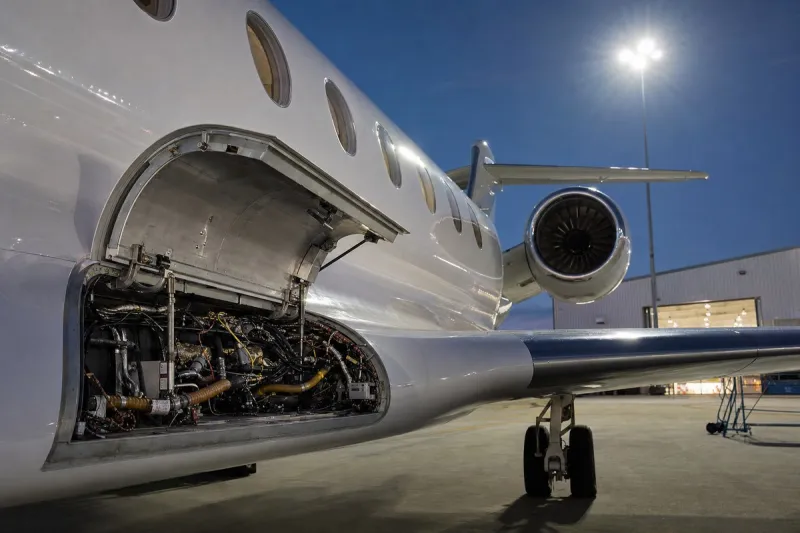
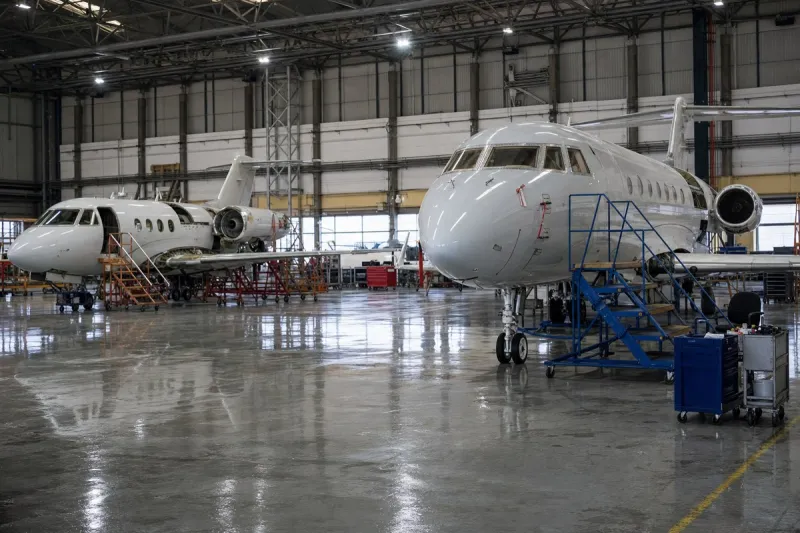
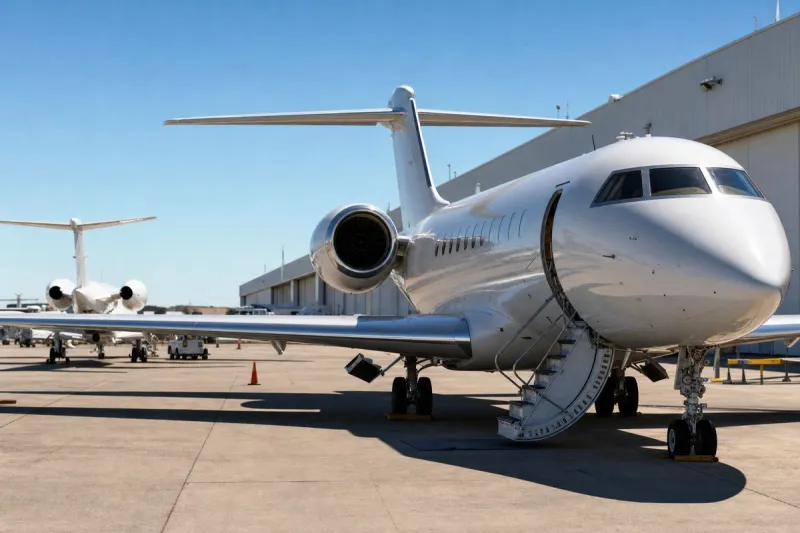
Dummy landing gear is a purpose-built, non-flight substitute assembly that supports an aircraft while its certified landing gear is removed for overhaul, inspection, or repair. Because the aircraft remains mobile on roll-around gear, maintenance teams can reposition it between work areas and progress through other scheduled tasks — such as avionics modifications, cabin refurbishment, structural repairs, or exterior paint — running multiple work scopes concurrently instead of waiting for the operational gear to return from overhaul. Without roll-around gear, an aircraft undergoing landing gear removal may be fixed on jacks or stands, limiting repositioning and potentially extending the overall maintenance visit. West Star states that separating the landing gear overhaul timeline from the rest of the maintenance event is the primary operational benefit of the equipment.
Typical applications include landing gear overhaul and exchange events, major scheduled inspections, structural repairs requiring gear removal, exterior refinishing, and hangar repositioning. West Star describes itself as a full-service MRO offering maintenance, avionics, modifications, interiors, structures, and exterior paint services.
Industry impact & what to watch
This is a facility-side capacity move rather than a new service line: the equipment itself does no maintenance work, it removes a scheduling constraint. In a heavy maintenance visit, the landing gear overhaul is often on a separate clock from cabin, avionics, or paint work, and when the airframe must sit on jacks until the gear returns, that slower path can set the pace for the whole visit.
Across MRO operations generally, downtime is driven as much by how work scopes are sequenced as by the labor hours each scope requires. Equipment that lets an aircraft move while a major component is off-wing effectively turns a serial process into a parallel one, which is why platform coverage — how many aircraft types the roll-around gear actually fits — matters more here than any single job's labor cost.
What determines whether this changes turnaround times in practice is fleet mix at West Star's facilities and how often the ten covered platforms coincide with gear-removal events large enough to bottleneck a hangar bay. The offer being bundled into in-house maintenance at no added charge, jointly funded with DAS Aviation, points to both companies treating shared equipment as a competitive differentiator on visit duration rather than as a billable service.