G7 Leaders' Official Aircraft Ranked by Size: From Italy's ACJ319 to Japan's Boeing 777-300ER
Why It MattersGovernment VIP fleets show how state operators mix converted widebodies, tanker-derived platforms and business jets to balance range, security systems and mission flexibility rather than relying on a single aircraft type.
What happened
SimpleFlying published a ranking of the primary VIP transport aircraft operated by six non-US G7 members — Italy, the United Kingdom, France, Canada, Germany, and Japan — ordered from smallest to largest, with Japan's Boeing 777-300ER placed first.

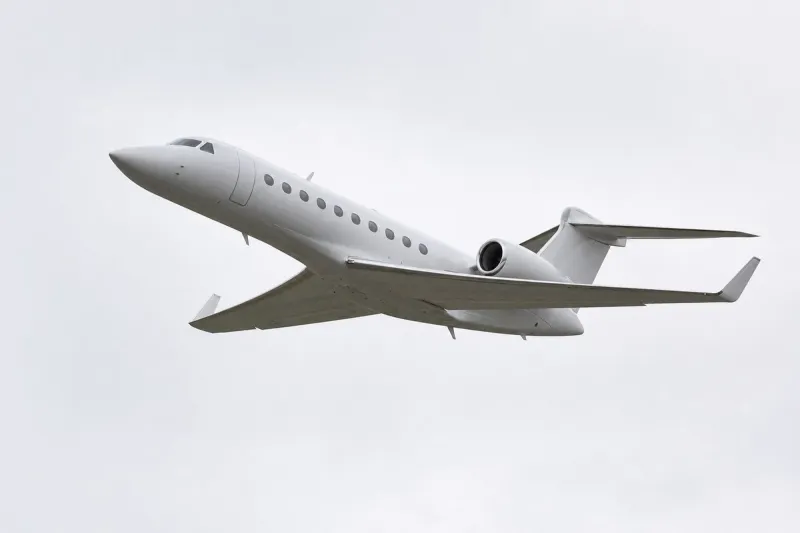
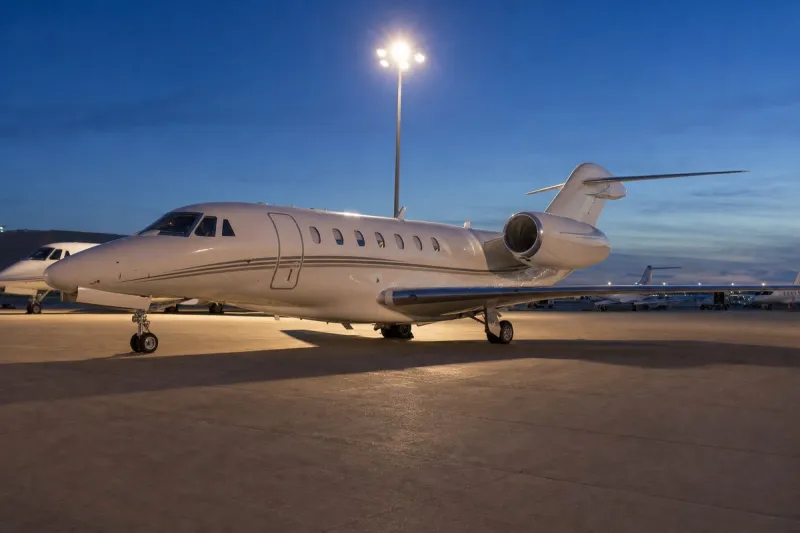
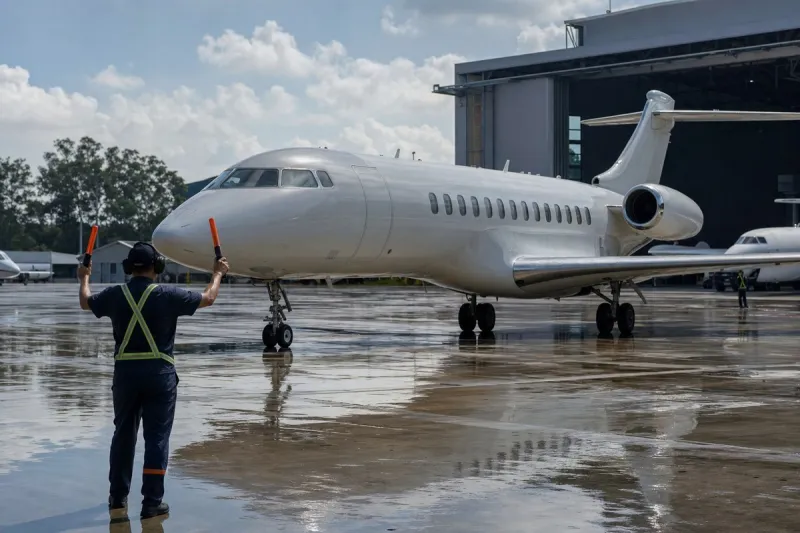
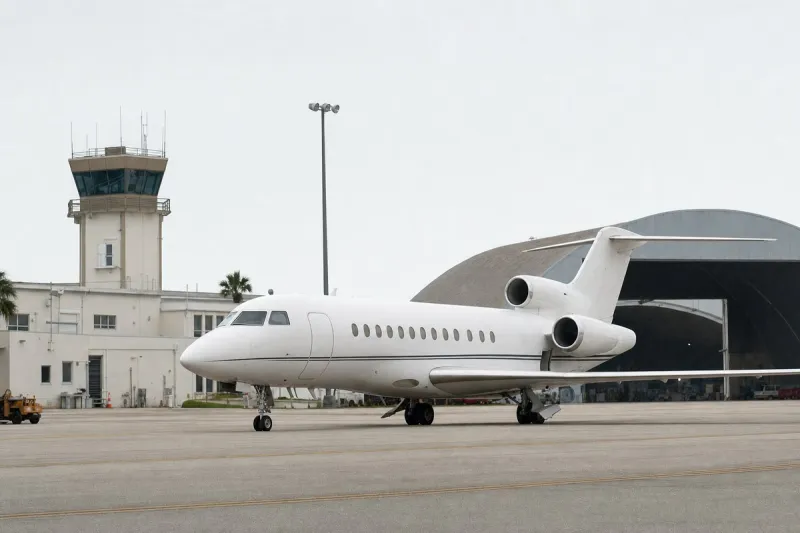
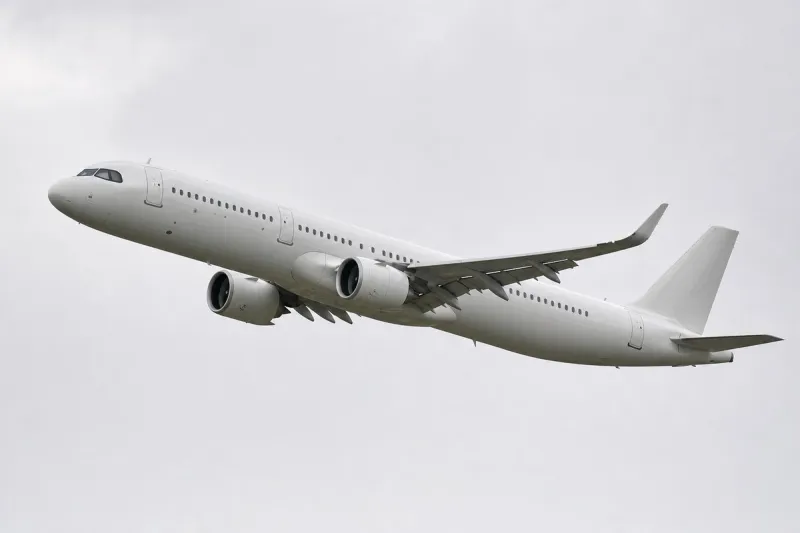
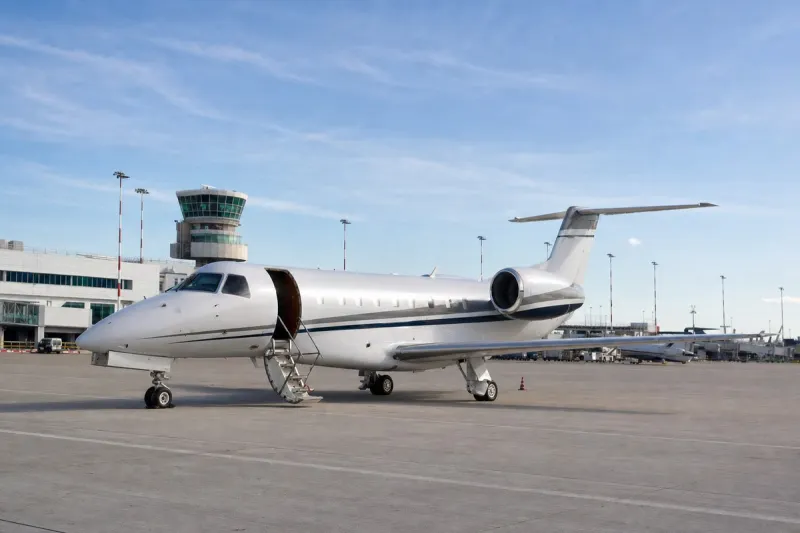
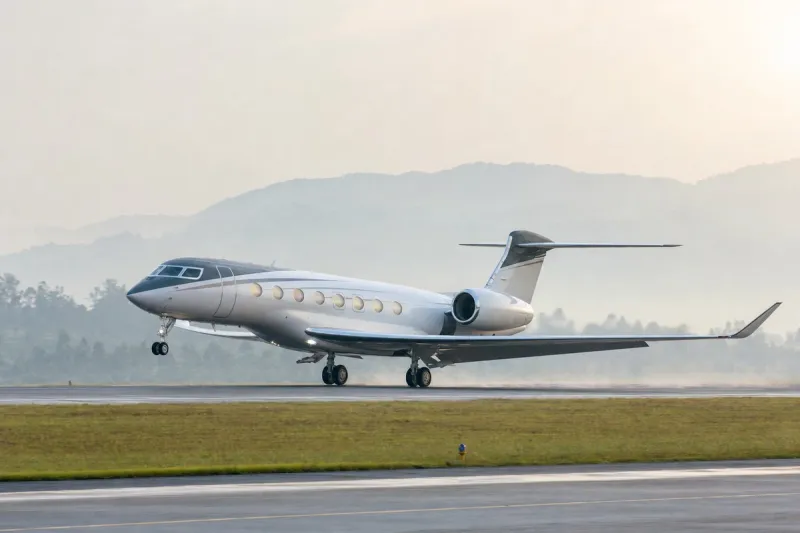
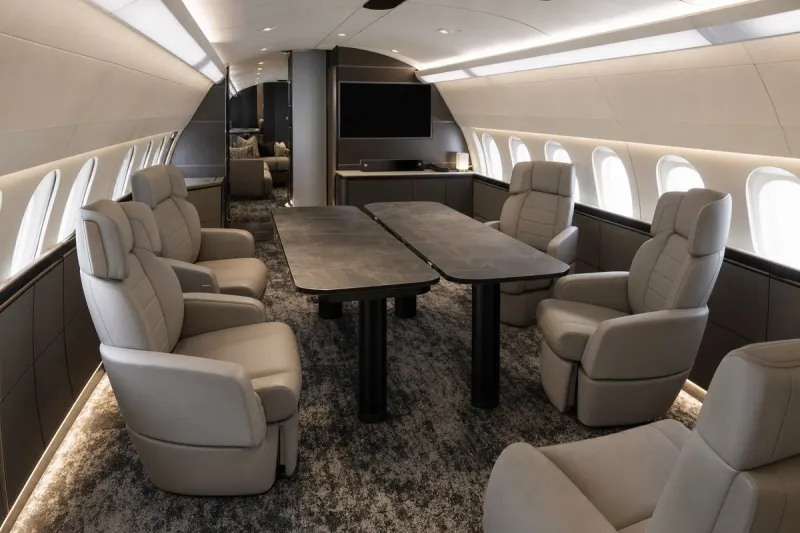
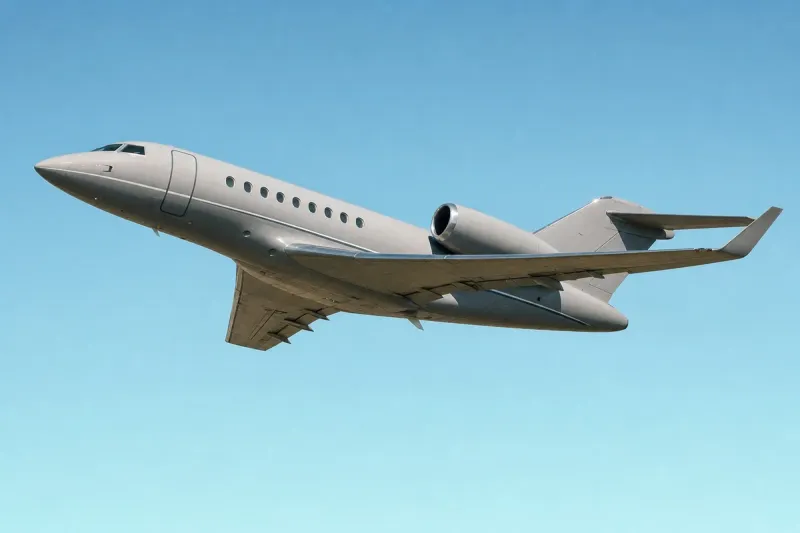
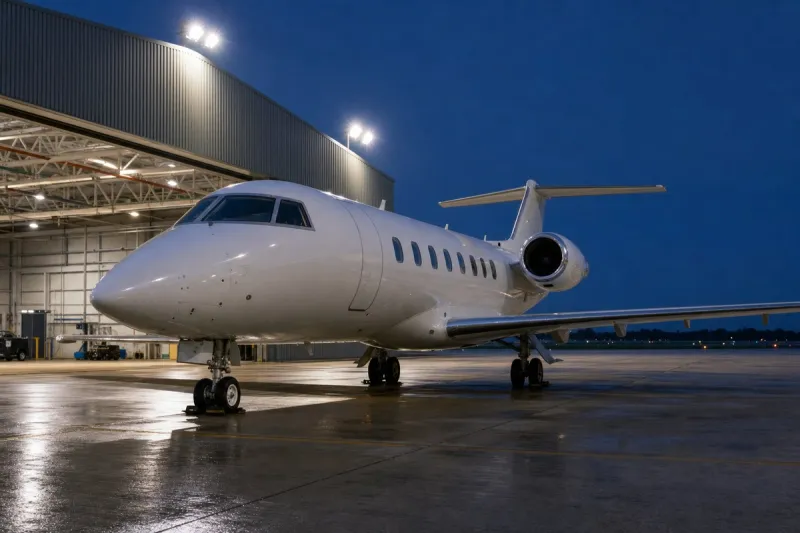
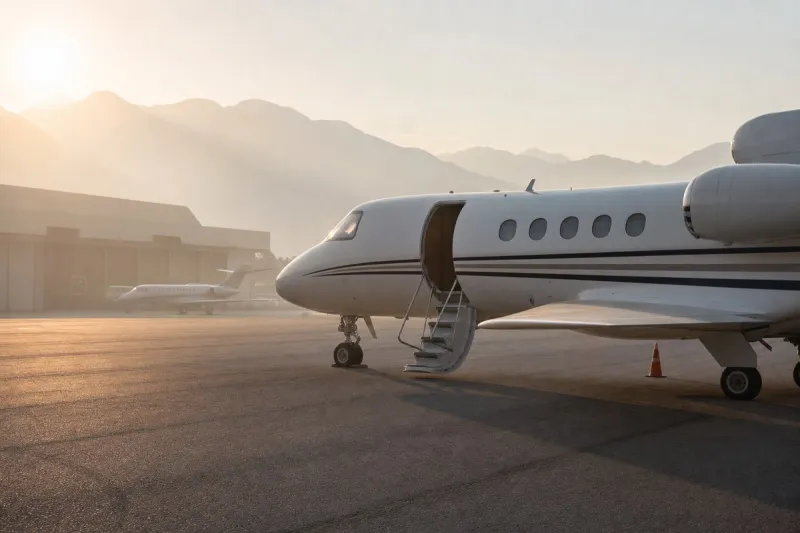
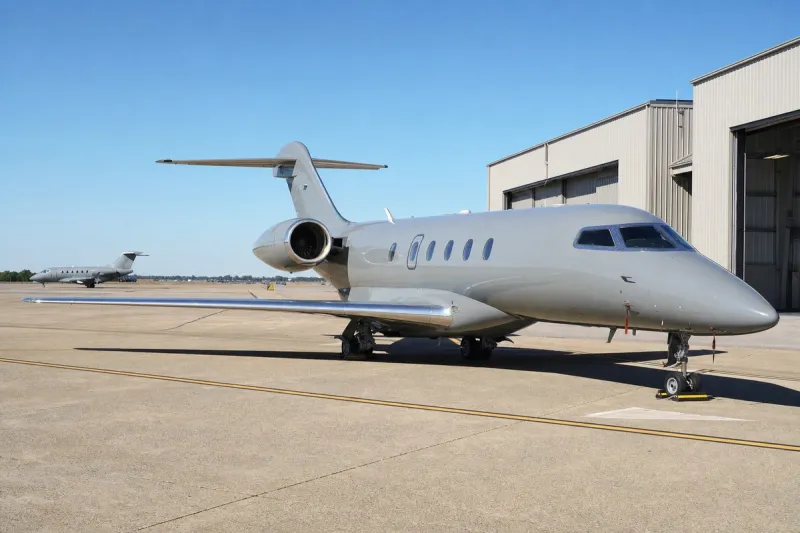
Italy's 31st Wing, based at Ciampino Air Base, operates three Airbus VC-319As (modified ACJ319-115s), three Dassault VC-900s (modified Falcon 900s), and two Dassault VC-50s (modified Falcon 50s), with five Gulfstream VC-650As (modified G650ERs) planned to replace the Falcon fleet. The UK's RAF converted one Airbus Voyager KC3 — based on the A330 MRTT tanker variant — into the VIP aircraft named "Vespina," completed in 2016 and repainted in 2020, with 58 business-class and 100 economy seats plus missile detection systems and secure satellite communications; the RAF also operates two Dassault Falcon 900LXs. France's Escadron de Transport 60 operates two Falcon 7Xs, two Falcon 900s, two Falcon 2000s, and seven TBM 700s, with the primary presidential aircraft being F-RARF, a Pratt & Whitney-powered Airbus A330-200 that first flew in 1998, the 12th A330-200 built, previously flown by Swissair, SWISS, and Air Caraibes before joining the French Air and Space Force in 2010.
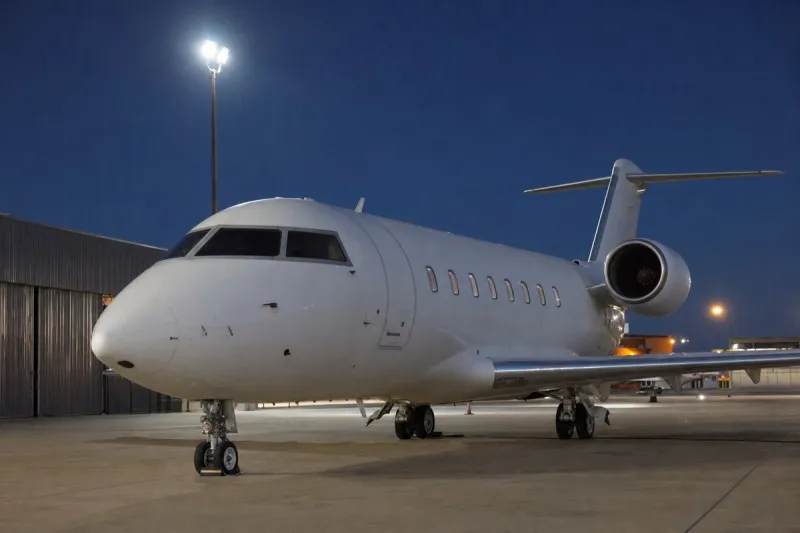
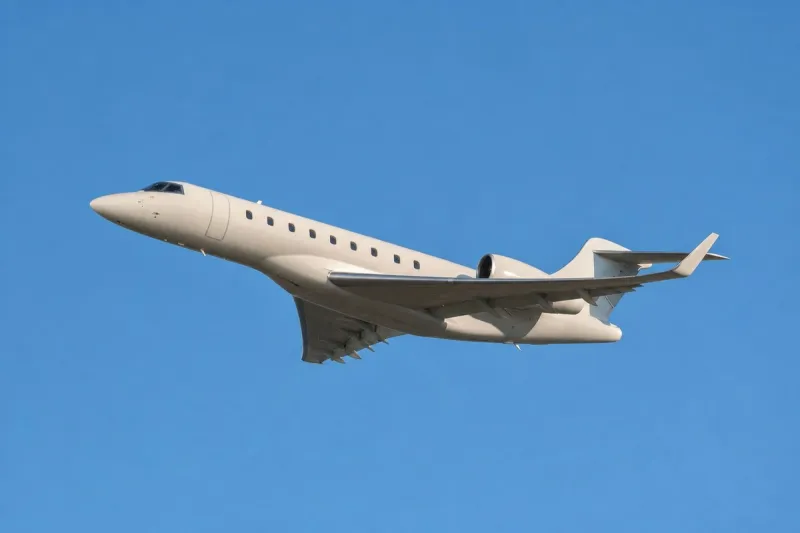
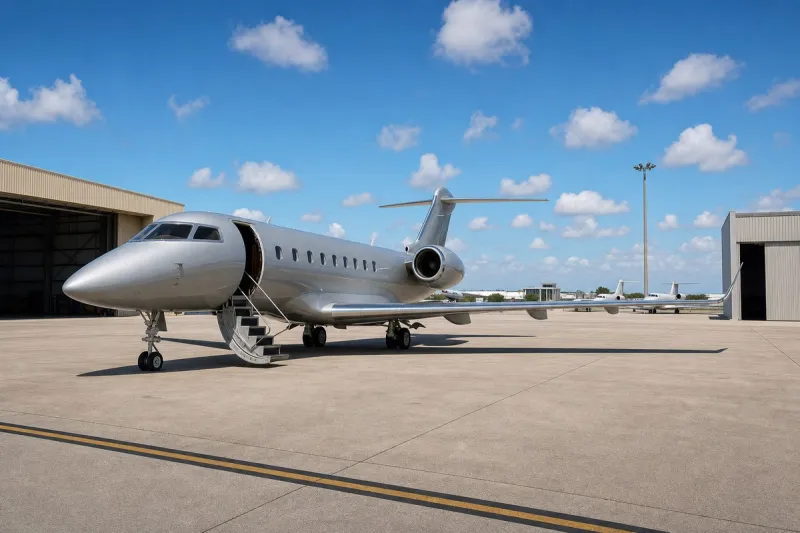
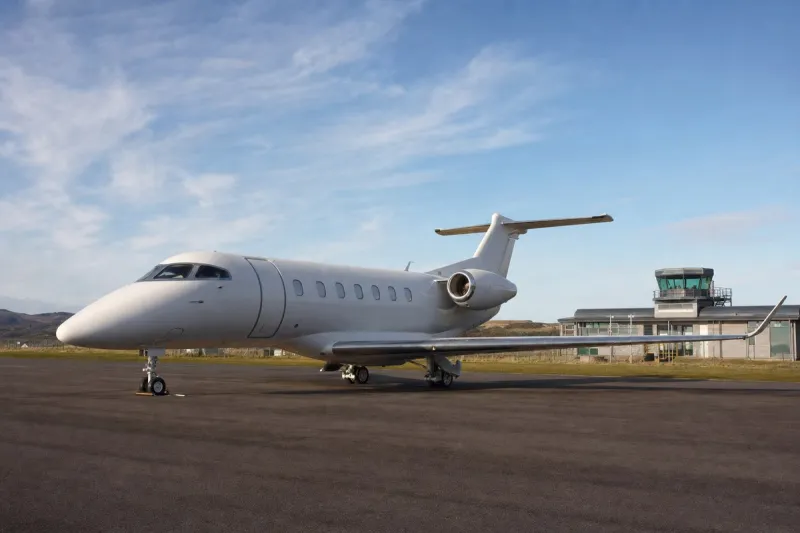
Canada's 412 and 437 Transport Squadrons operate four Bombardier CC-144 Challengers, five Airbus CC-150 Polaris aircraft (two converted to CC-150T tanker configuration), and the newer Airbus CC-330 Husky, a variant of the A330 MRTT that entered service in 2023. Germany's Luftwaffe Executive Transport Wing operates three Airbus A350-900s delivered in 2021, 2022, and 2024, each named after a former German politician, with interiors installed by Lufthansa Technik and Directed Infra-Red Countermeasures scheduled for 2026, replacing two Airbus A340-300s. Japan's Air Self-Defense Force operates two Boeing 777-300ERs, configured for up to 140 passengers, which replaced two Boeing 747-400s in 2019; the two aircraft always fly together on official missions.
Industry impact & what to watch
Across these seven fleets, the pattern is consistent: governments favor converted commercial or military-derived airframes — A330 MRTTs, A310s, A319s, 747s and 777s — over purpose-built jets, because VIP transport prioritizes range, security retrofits and mission flexibility over a single dedicated design. Several states are mid-transition, with Italy moving from Falcons to Gulfstream VC-650As, Canada introducing the CC-330 Husky alongside its aging Polaris fleet, and Germany having already completed its shift from A340-300s to A350-900s.
The recurring choice of tanker-derived platforms in the UK and Canada shows how VIP and refueling roles can share a single airframe, letting air forces stretch procurement budgets across dual missions rather than buying dedicated heads-of-state jets outright. Germany's addition of Directed Infra-Red Countermeasures in 2026 and the UK Voyager's missile detection systems point to defensive retrofits becoming a standard feature of these conversions rather than an exception.
What remains to be settled is the pace of Italy's Falcon-to-Gulfstream transition and how Canada's Polaris fleet is phased out as the CC-330 Husky matures, both of which will determine whether the next ranking of G7 VIP fleets looks materially different.