US Airports Expand Private Commercial Terminals as PS Operates at LAX, ATL, DFW and MIA
Why It MattersAirports are increasingly treating premium passenger terminals as a leasable revenue stream, pushing FBOs and airport authorities alike toward exclusive, membership-based infrastructure investments.
What happened
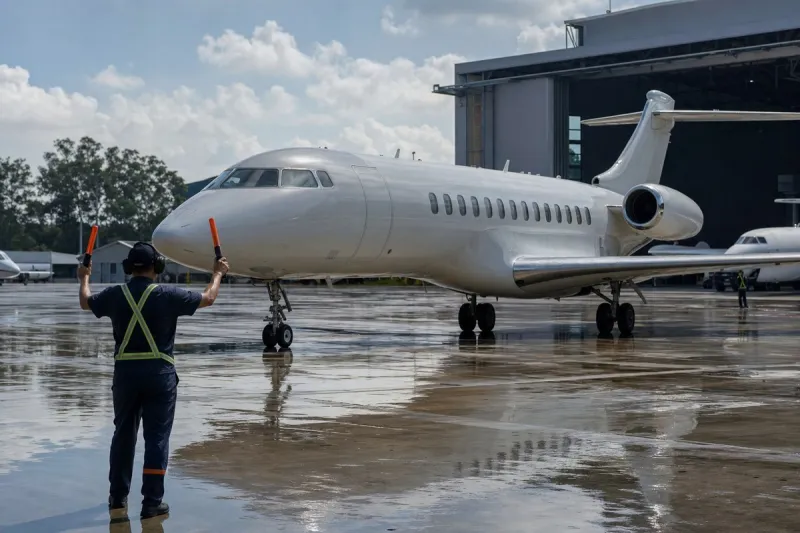
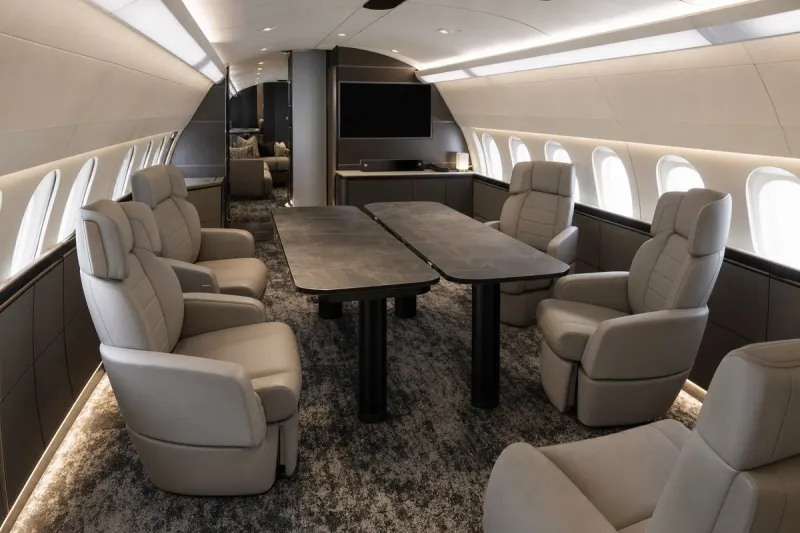
Operator PS has opened private commercial terminals at four major US airports: Los Angeles (LAX), Atlanta (ATL), Dallas Fort Worth (DFW) and, most recently, Miami (MIA). The facilities offer private TSA screening, custom customs processing, spa treatments, private suites, chef-prepared meals and tarmac transfers by BMW chauffeur.

Annual memberships start at approximately $5,000, with per-trip fees beginning at $1,295. Entry to shared lounge areas starts at around $1,095 per person, and private suite bookings for groups run up to approximately $4,850. The Miami location occupies the historic 1960s Pan American Airways headquarters building, a 34,000-square-foot repurposed facility with private suites, a landscaped courtyard and integrated fine art. Atlanta's Hartsfield-Jackson facility includes dedicated TSA and customs screening entirely separate from the main airport, Dallas Fort Worth debuted 12,200 square feet of private suites and shared spaces, and Los Angeles offers on-site customs clearance for international arrivals plus private valet parking for members.
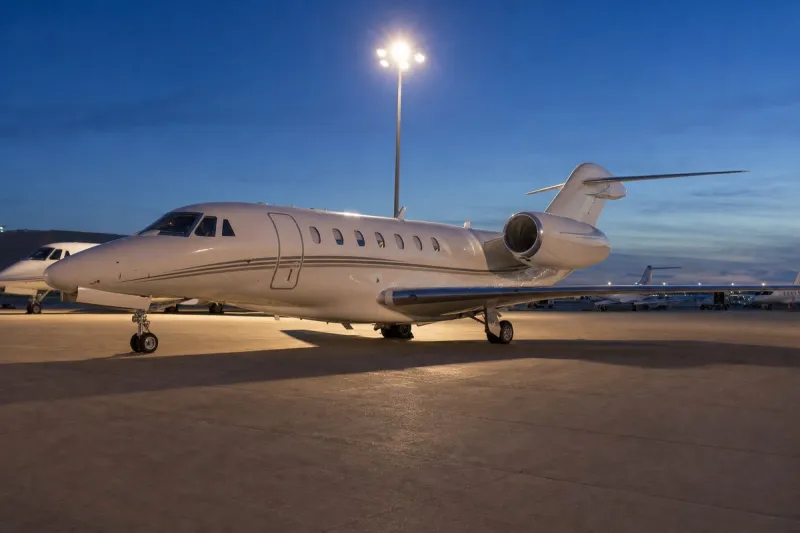
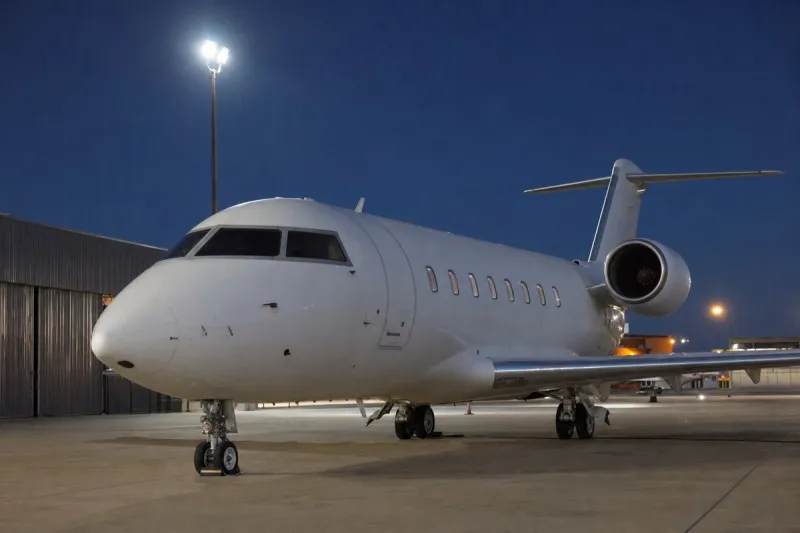
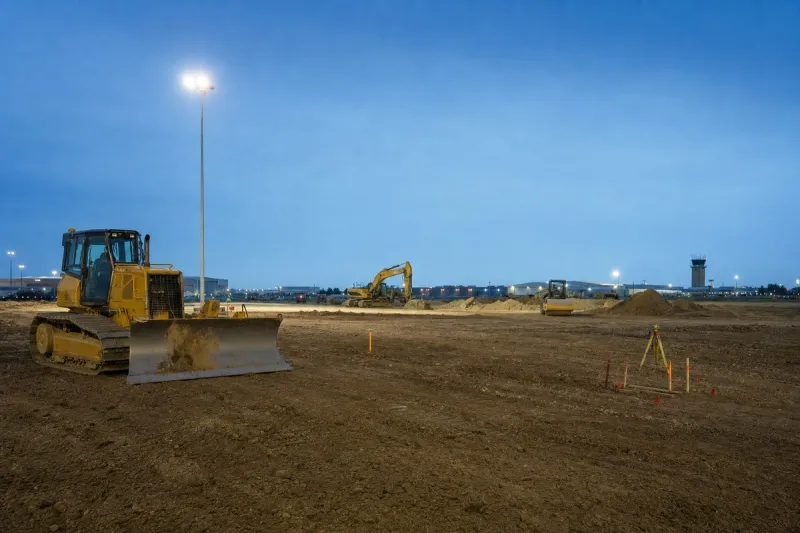
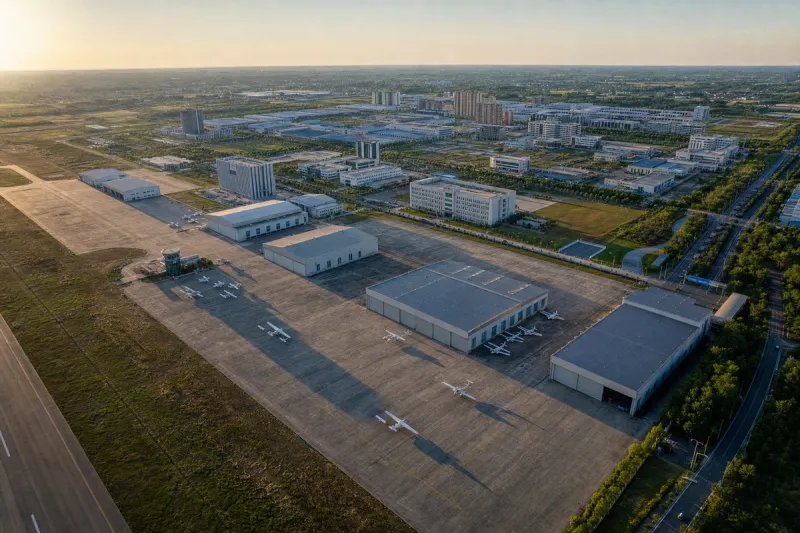
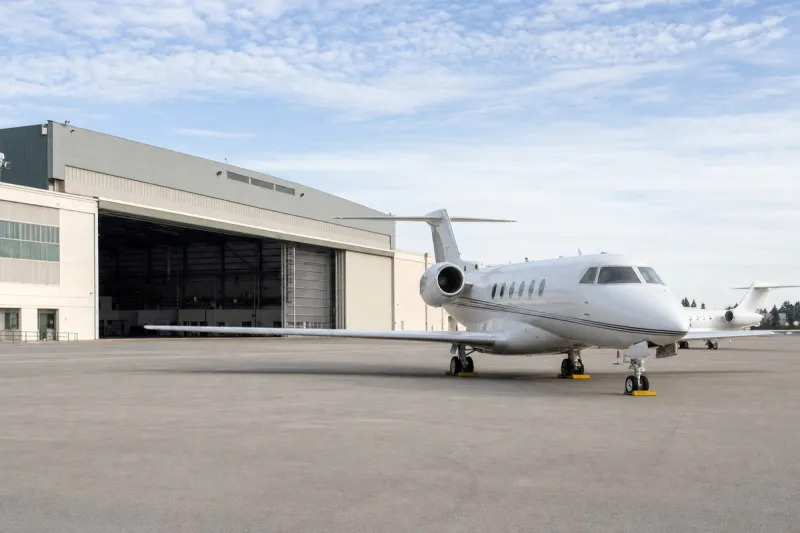
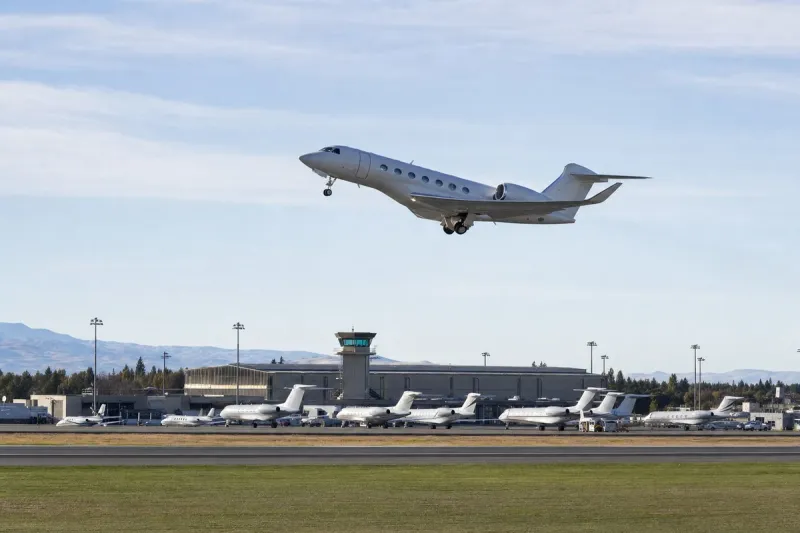
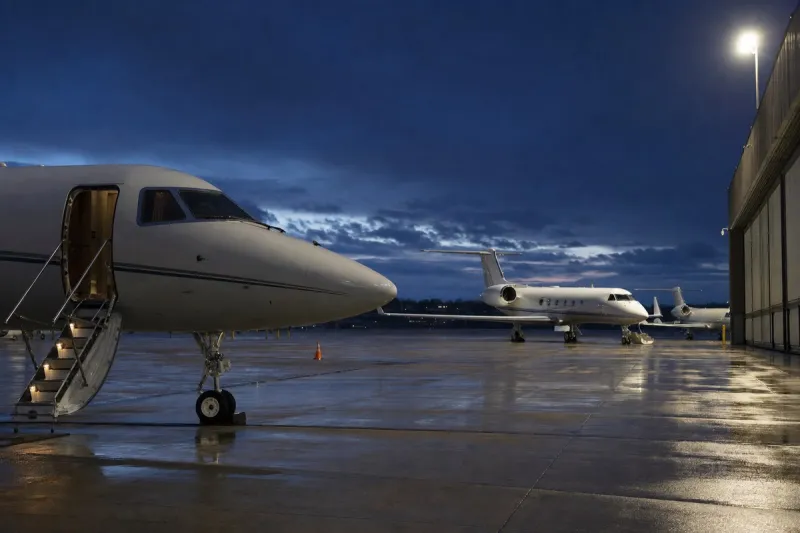
San Francisco International Airport has issued requests for proposals to build a 75,000-square-foot private terminal at Plot 42 along North Access Road, targeted for a late 2028 opening. Separately, Clay Lacy Aviation completed a $100-million carbon-neutral FBO at John Wayne International Airport, and NetJets remodelled its primary facility at Teterboro Airport into an exclusive, owner-only enclave.
Industry impact & what to watch
This build-out shows airports and operators treating exclusive terminal access as its own line of business rather than an add-on to existing lounges. Leases and partnerships around facilities like PS give airport authorities a new revenue channel tied directly to premium passenger spend, while FBO investments such as Clay Lacy's carbon-neutral facility and NetJets' owner-only Teterboro remodel extend the same logic to the general aviation side.
The membership and per-trip pricing structure — annual fees near $5,000 alongside per-trip charges from $1,295 — signals a segment being built around recurring revenue from frequent flyers rather than one-off luxury purchases. Separate customs and TSA processing, as seen in Atlanta and Los Angeles, also points to airports carving out dedicated regulatory workflows for a paying subset of travelers.
San Francisco's Plot 42 project, targeted for late 2028, will show whether this model extends to a fifth major hub and at what scale — 75,000 square feet would be the largest such facility disclosed so far. Whether other major airports follow with their own RFPs is the next signal worth tracking.