Manchester Airport Perimeter Breach Forces 24 Flights to Divert or Hold; TUI Boeing 737 MAX 8 Declares Mayday
Why It MattersOvernight single-runway operations at major airports leave little margin to absorb a short security stoppage before diversions and fuel-driven emergencies cascade across dozens of inbound flights.
What happened
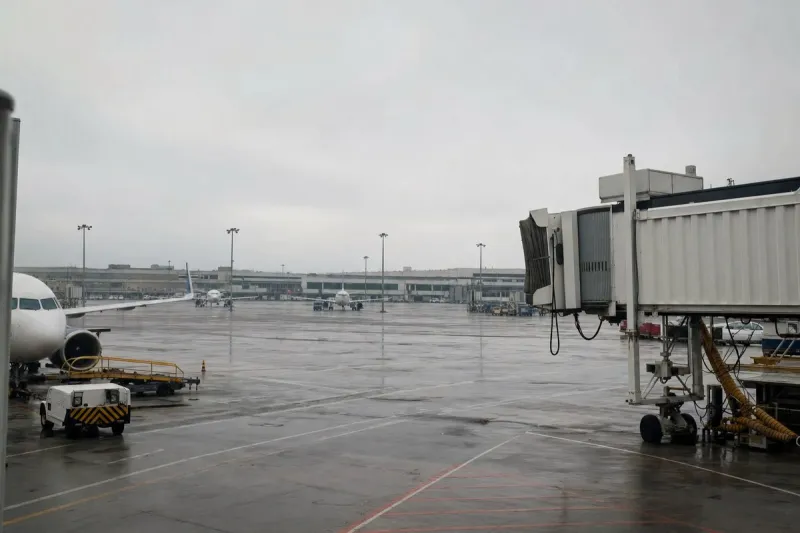
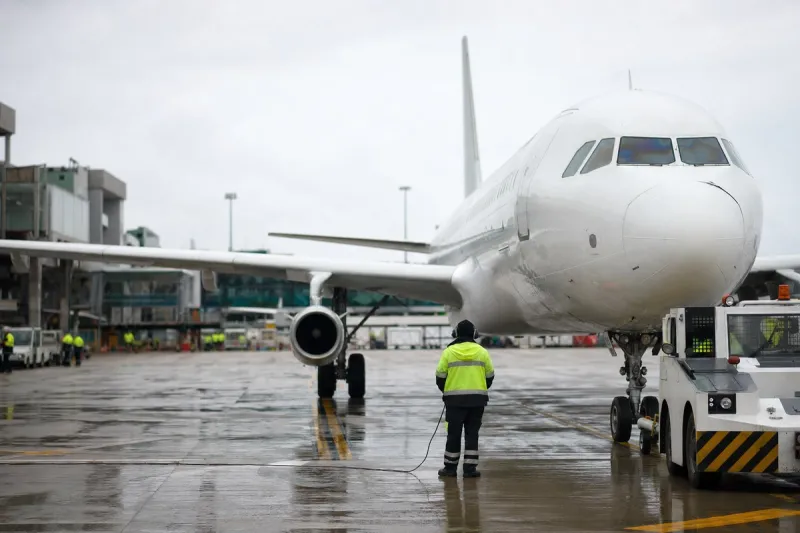
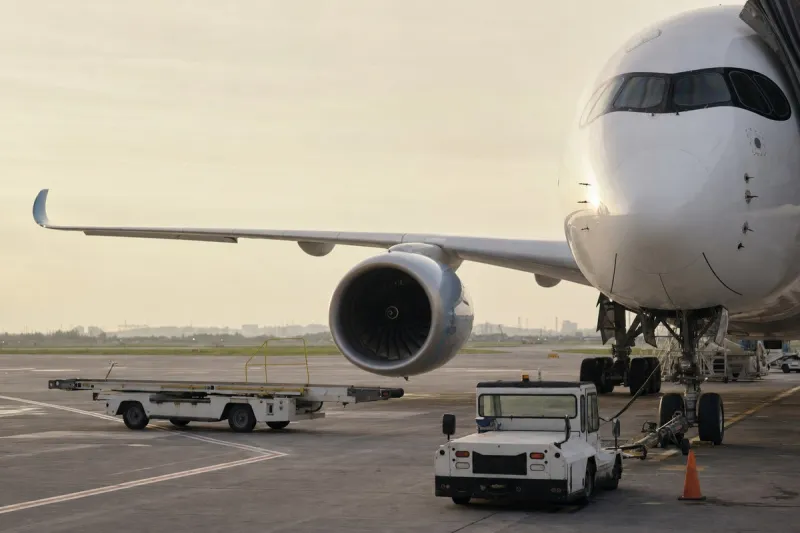
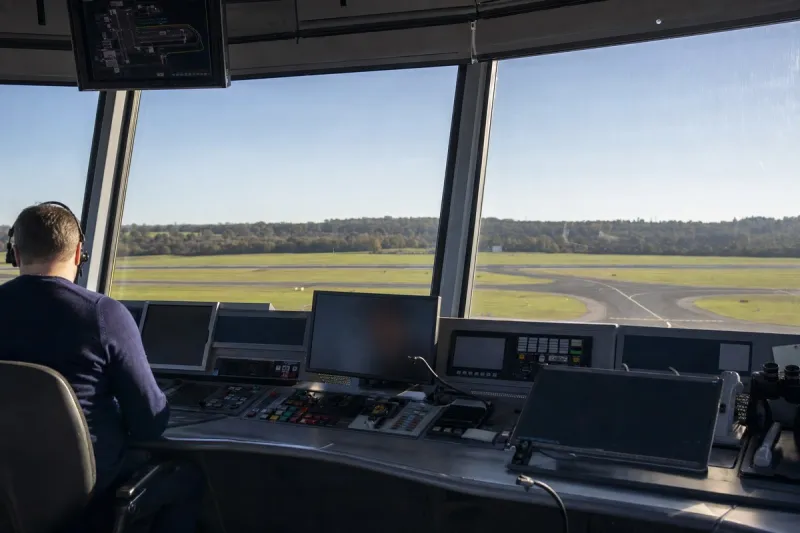
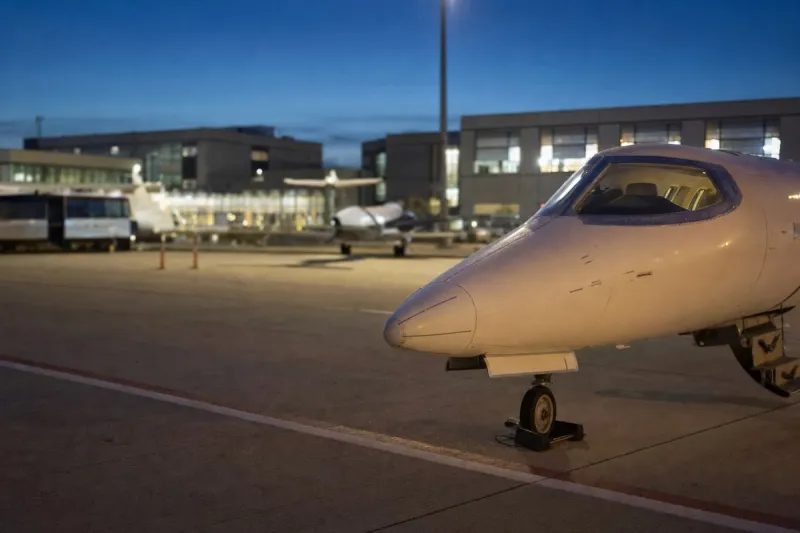
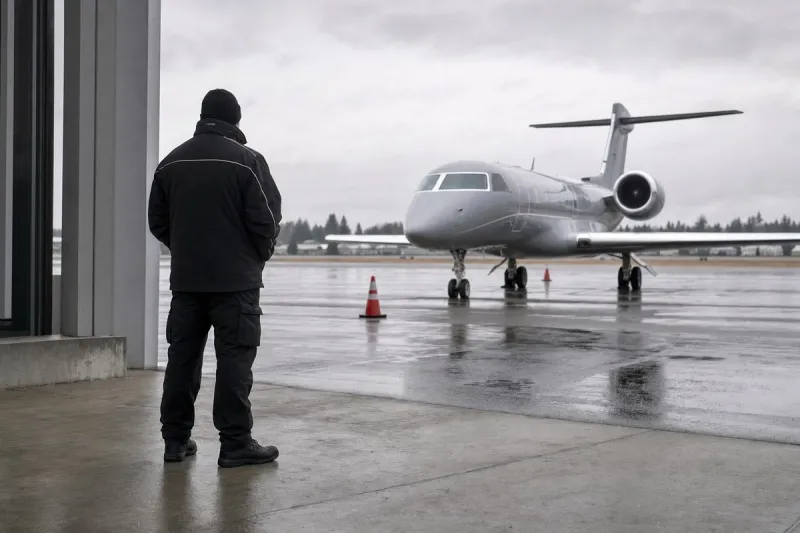
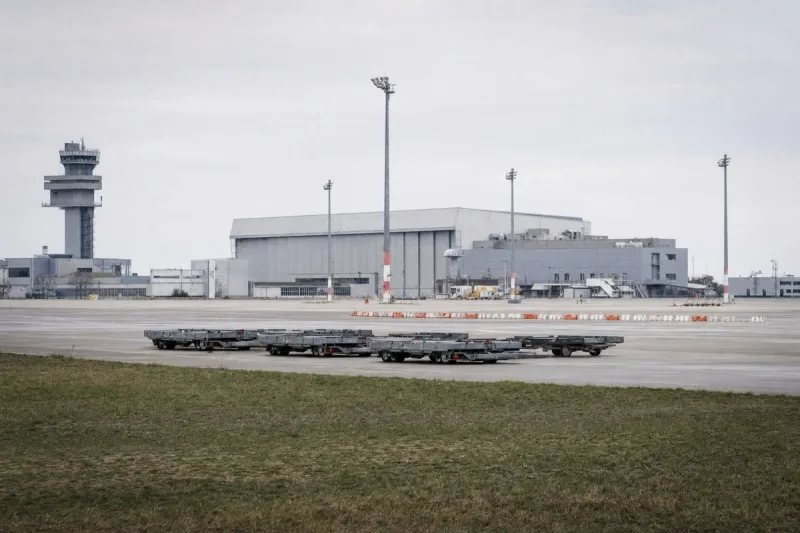
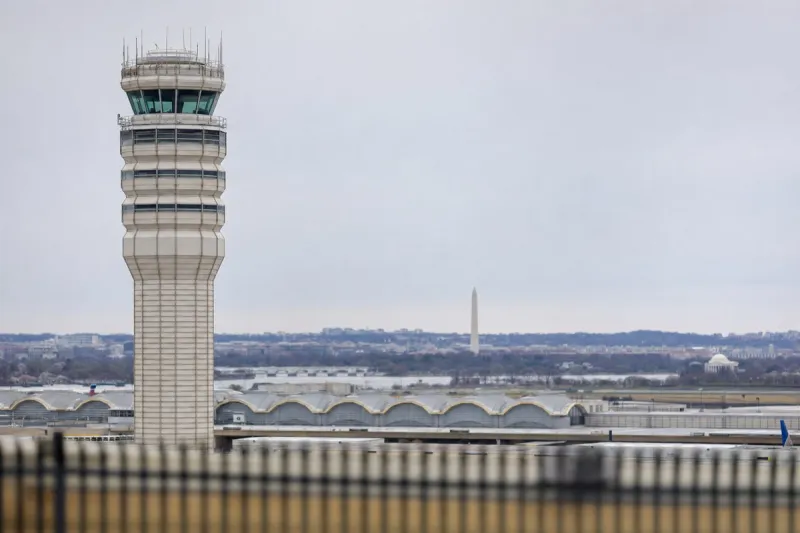
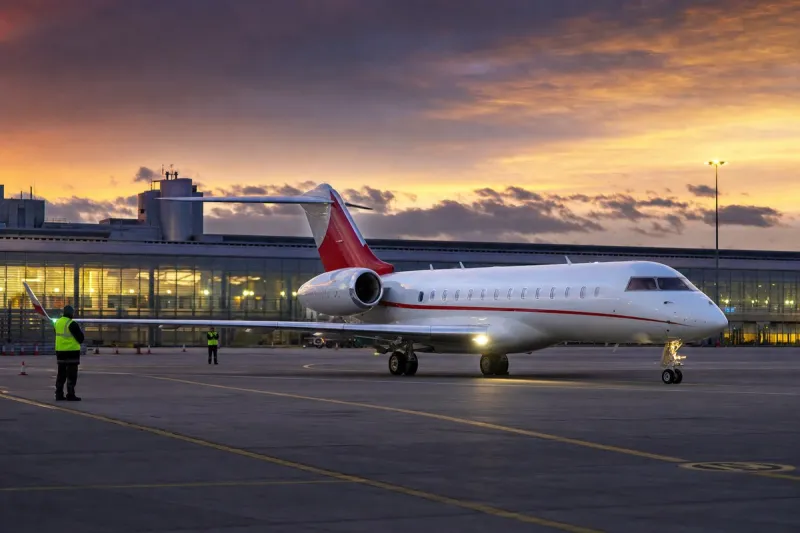
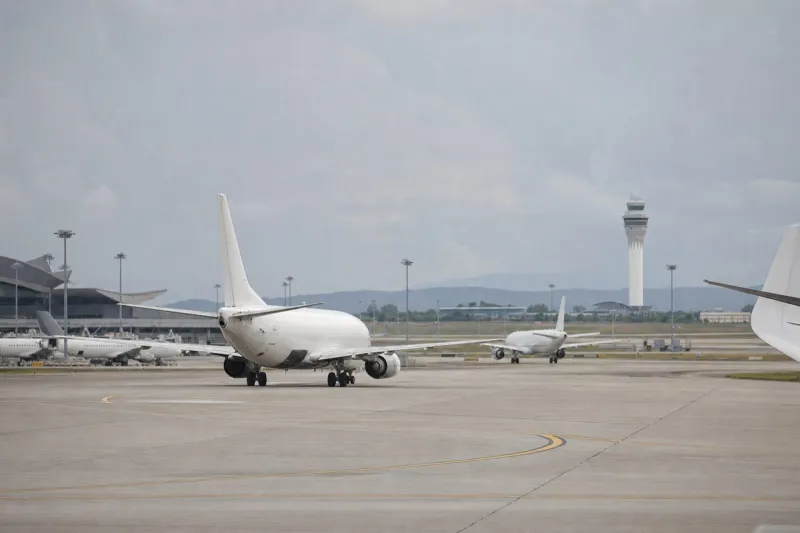
A security breach at Manchester Airport on the late evening of August 21 disrupted overnight operations, forcing approximately 24 inbound flights to divert or enter holding patterns and prompting a Mayday declaration from a TUI Airways Boeing 737 MAX 8. A man gained unauthorized access to a restricted area of the active airfield, leading airport staff to halt runway operations while security teams responded.
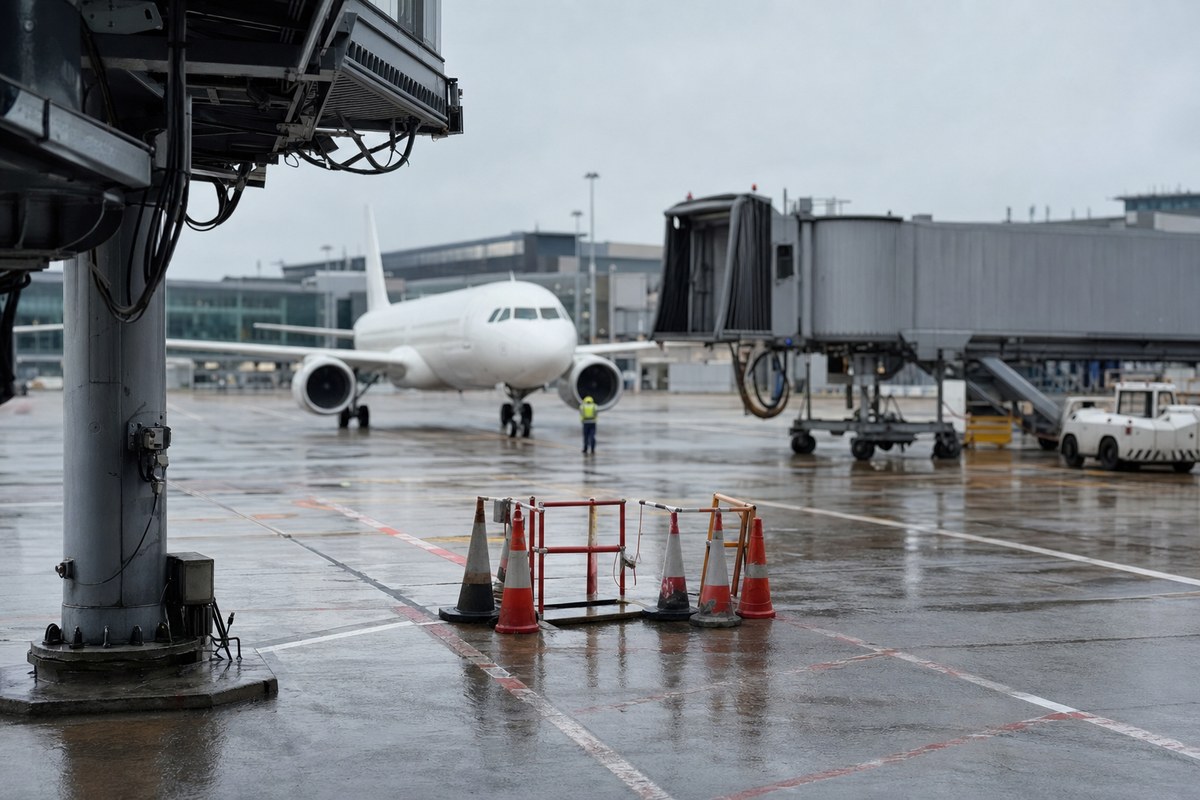
Manchester Airport operates two parallel runways but uses single-runway operations overnight between 10 PM and 6 AM, limiting its capacity to absorb the sudden backlog. The intruder was apprehended by airport staff within approximately 15 minutes and arrested by Greater Manchester Police, who indicated the incident appeared linked to a mental health crisis rather than a deliberate security threat. The man was taken to hospital for assessment.
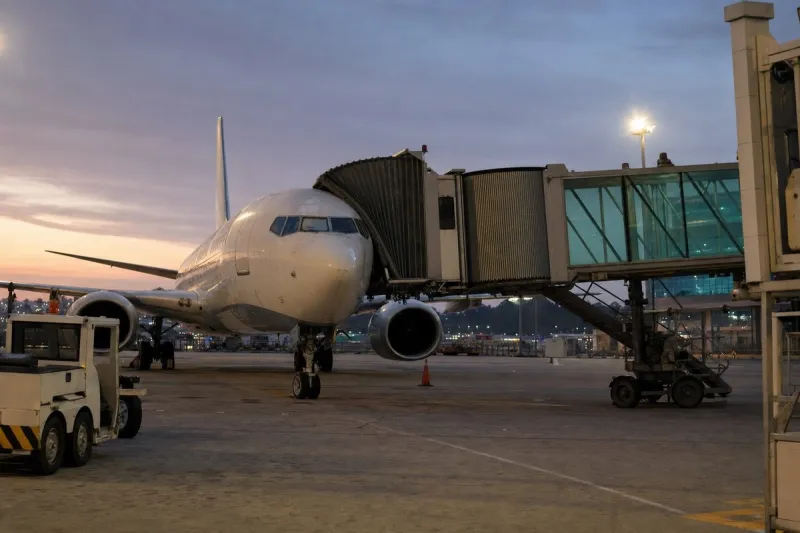
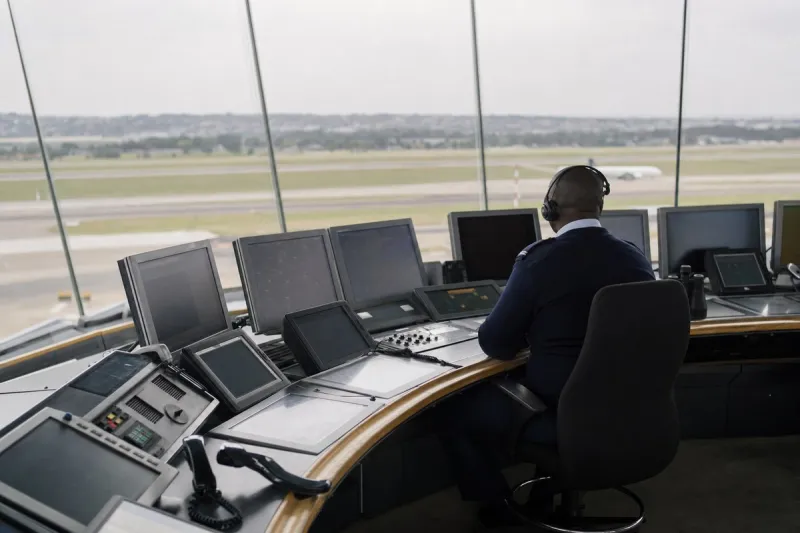
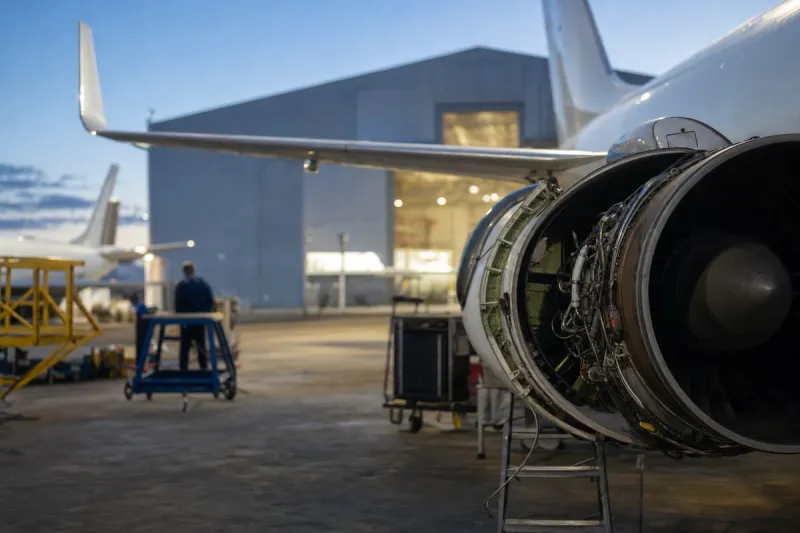
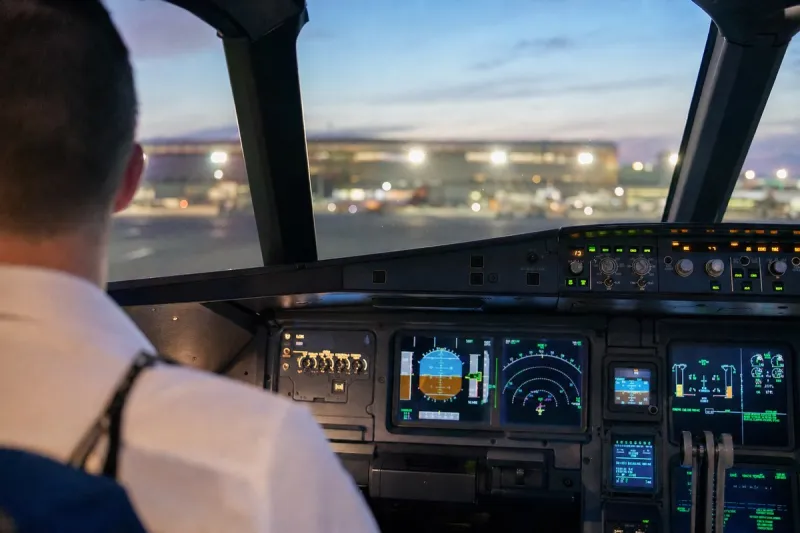
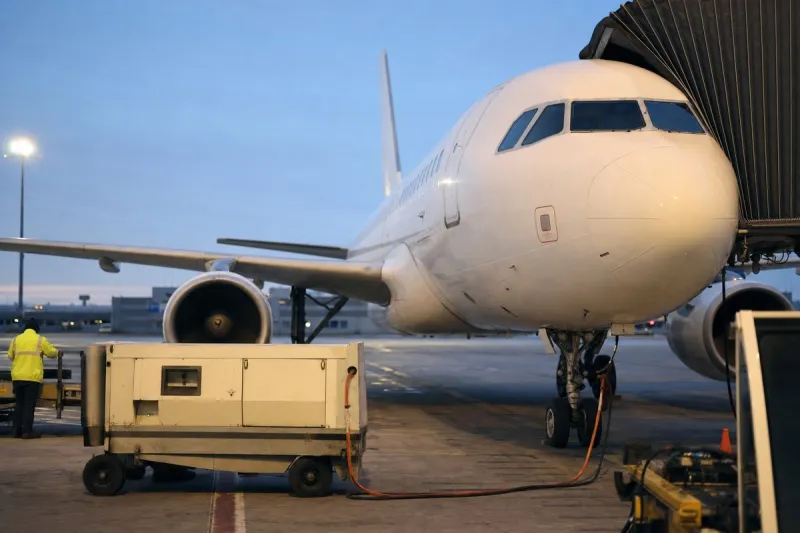
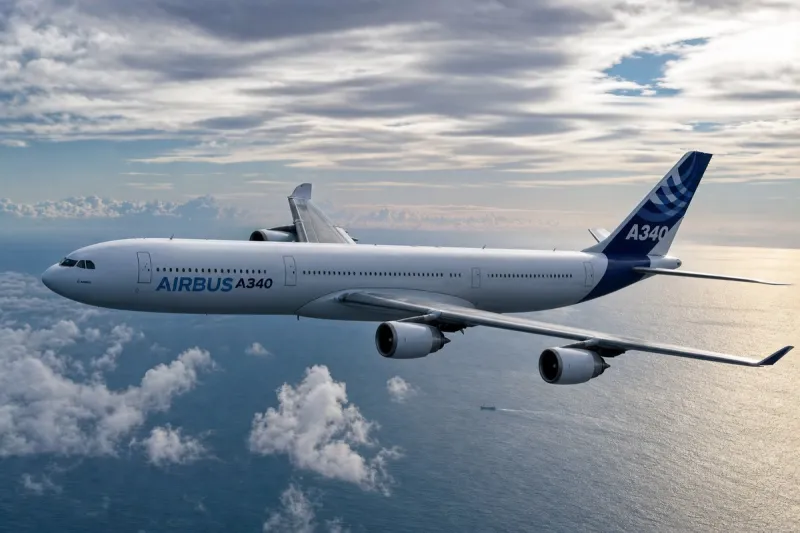
TUI Airways flight BY439, a Boeing 737 MAX 8 arriving from Boa Vista, Cape Verde, was on final approach when air traffic control ordered a go-around due to the incident. The aircraft held at 6,000 feet over the Peak District for roughly 20 minutes, and as fuel reserves dropped below safe holding levels, the crew declared a general emergency, squawking 7700. Controllers gave the flight priority routing to East Midlands Airport, where it landed safely shortly after midnight with no injuries reported.
In total, seven flights diverted to alternate airports while around 17 others held before eventually landing at Manchester once operations resumed. Diverted services included additional TUI flights from Cape Verde and Corfu sent to East Midlands Airport, a Ryanair flight from Agadir directed to Birmingham Airport, and an easyJet flight from Barcelona that landed at Liverpool John Lennon Airport. Manchester Airport confirmed operations returned to normal by Saturday morning, with no impact on the day's subsequent flights.
Industry impact & what to watch
This case shows how a brief ground-security event can turn into an airborne fuel-emergency problem once an airport's overnight capacity is already reduced. Manchester's single-runway overnight configuration meant a roughly 15-minute intrusion response translated into holding and diversion decisions for around 24 aircraft, because there was no second runway available to clear the backlog quickly.
Airports running curfew-driven single-runway overnight operations carry a structural trade-off: normal traffic flows fine, but any stoppage compresses the recovery window and pushes crews toward fuel-driven decisions faster than daytime dual-runway operations would. The TUI crew's Mayday call was a fuel-reserve response to prolonged holding, not a reaction to the ground incident itself, and it was resolved through a standard diversion to a nearby airport.
What happens with the man taken into custody, including any findings from the mental health assessment Greater Manchester Police referenced, will determine whether this is treated as an isolated access failure or prompts a review of perimeter security at Manchester's overnight operation.