UK Air Traffic Control and Fuel Problems Cause 150+ Cancellations and 2,100 Delays Across Europe
Why It MattersRepeated staffing, fuel-supply and technical failures at a handful of control centres and airports show how quickly localized shortfalls cascade into continent-wide schedule disruption during peak season.
What happened
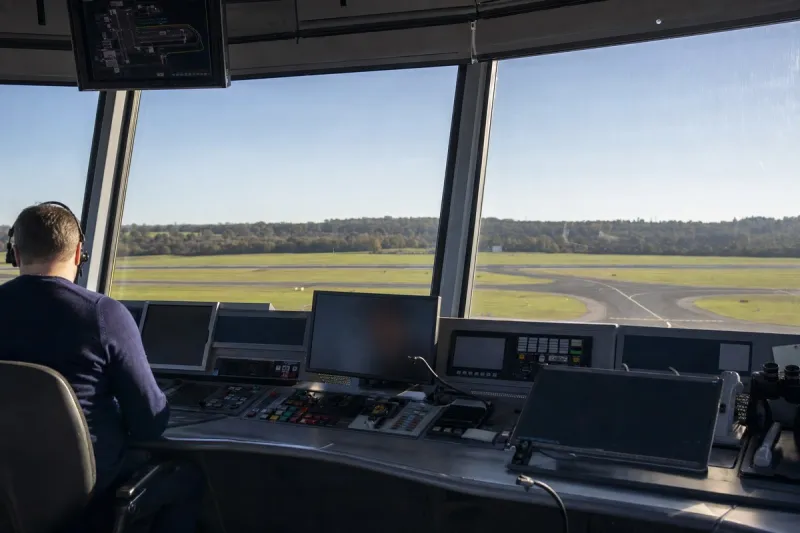
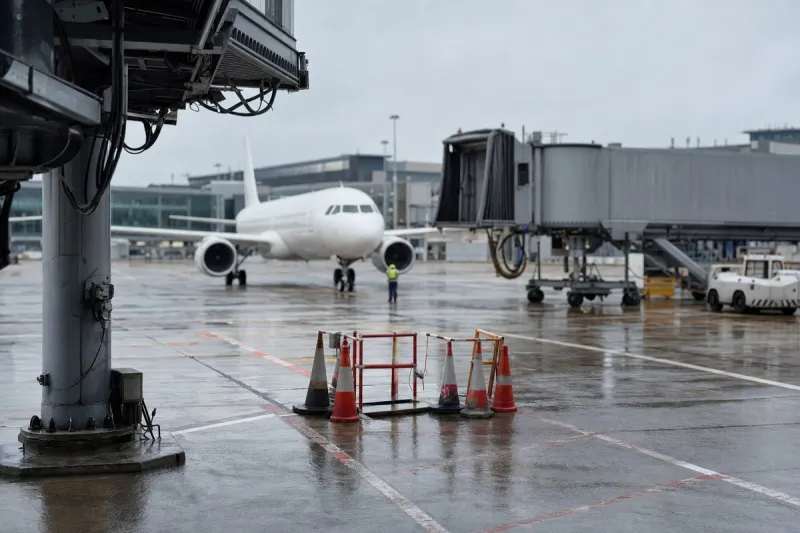
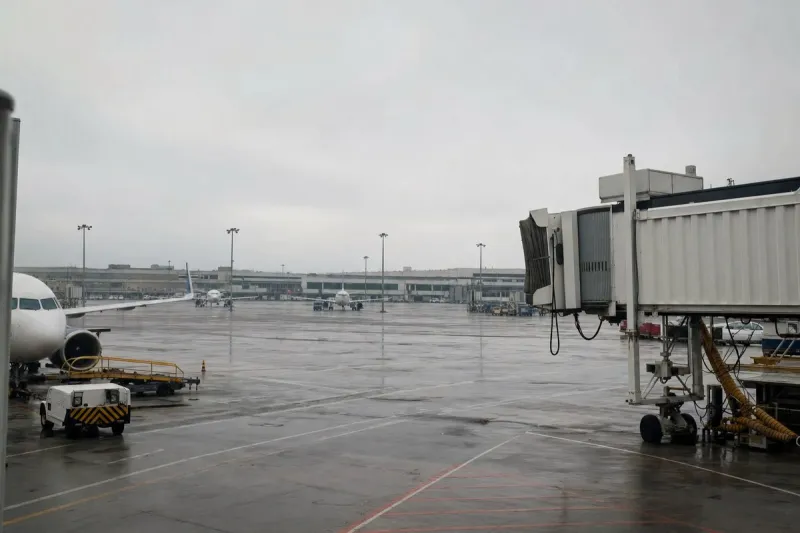
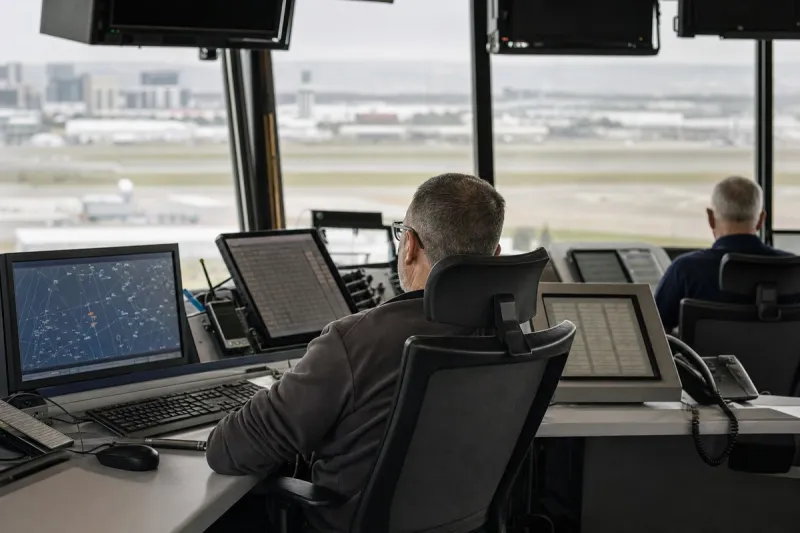
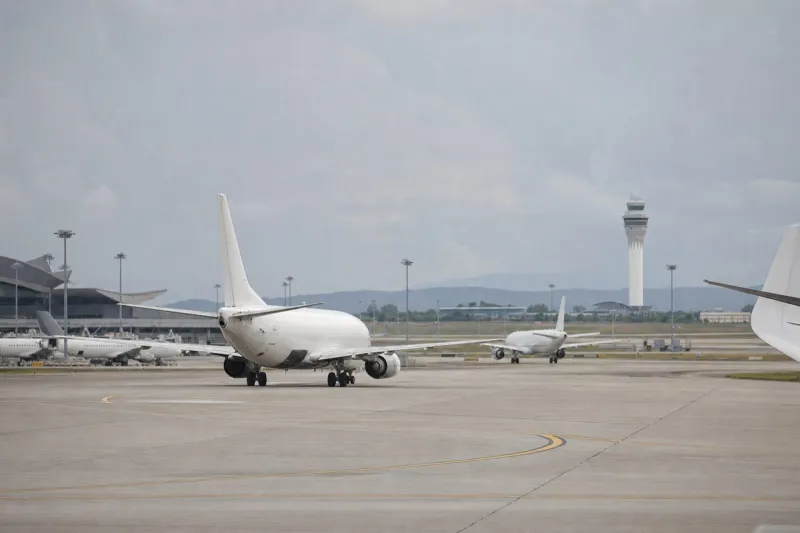
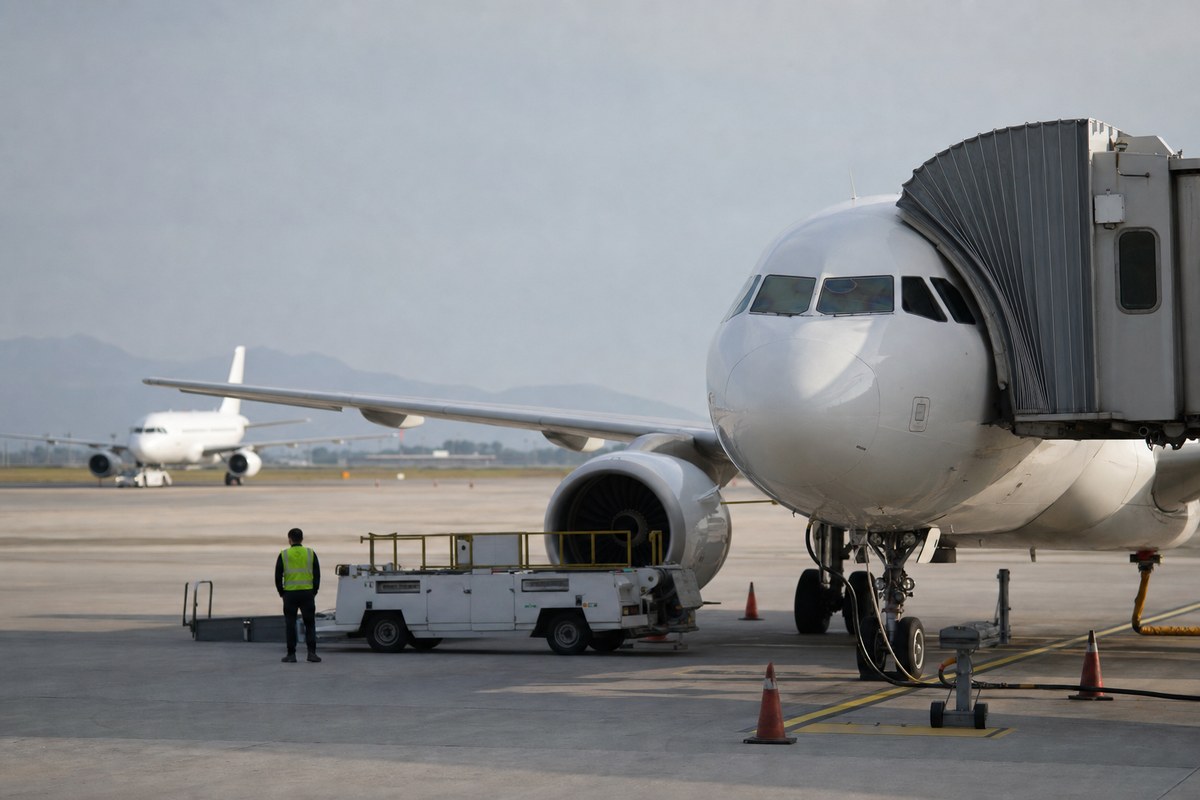
Air traffic control staffing shortages and fuel supply problems in the United Kingdom have driven more than 150 flight cancellations and over 2,100 delays at major European airports. London Heathrow and Gatwick were primary focal points during the peak summer travel period.
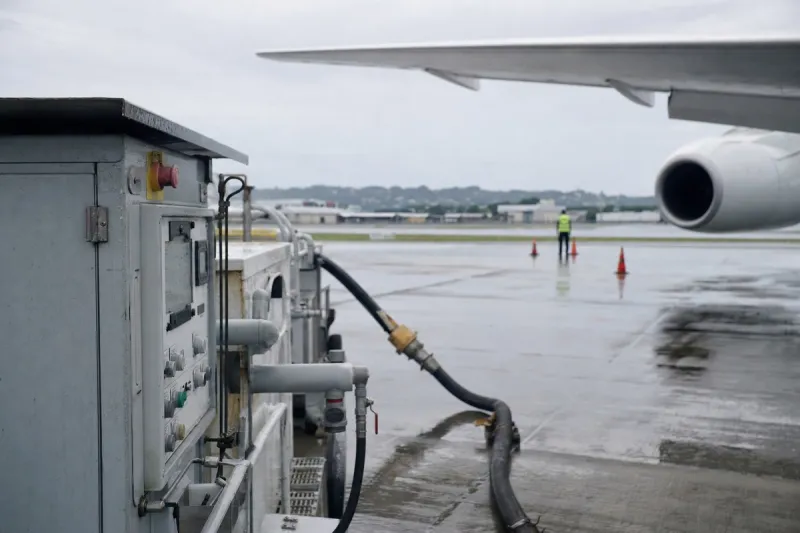
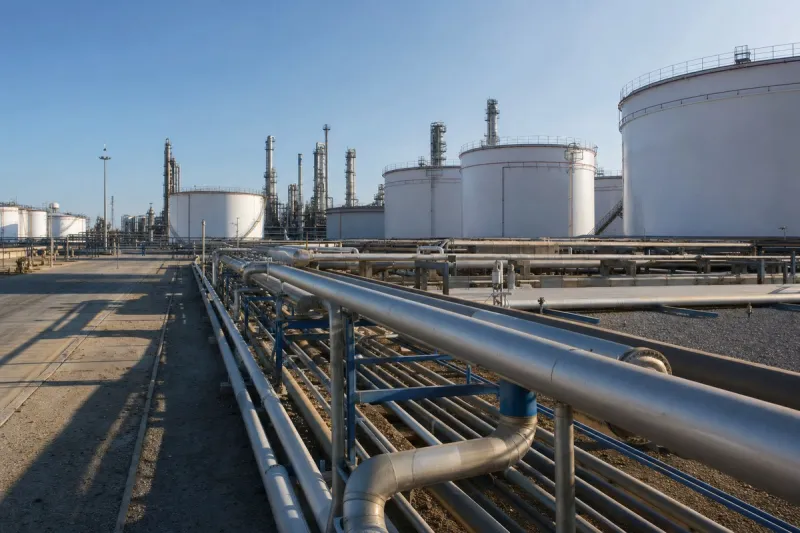
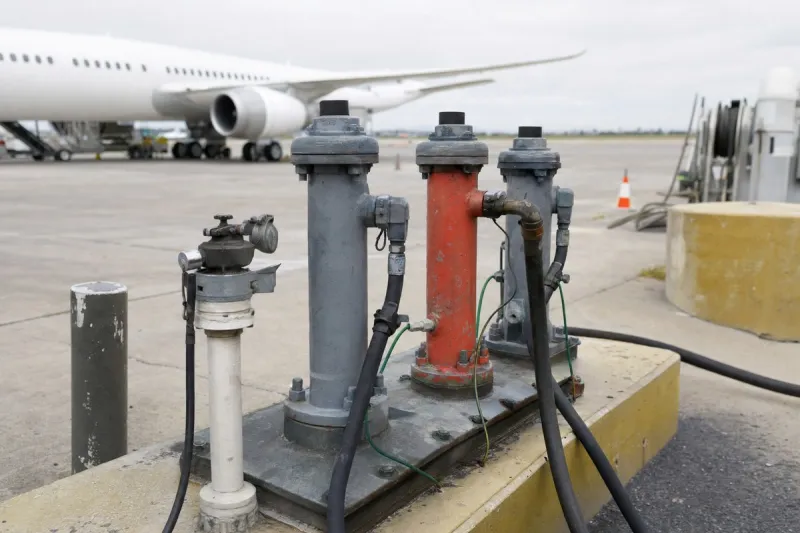
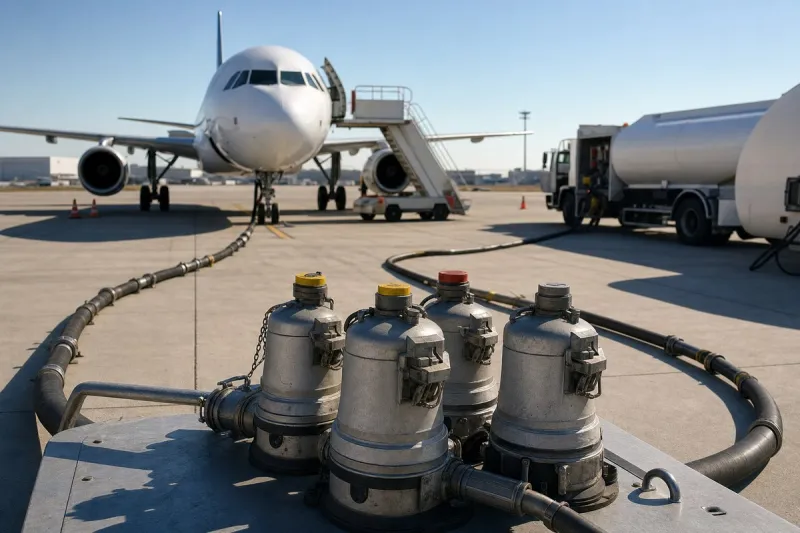
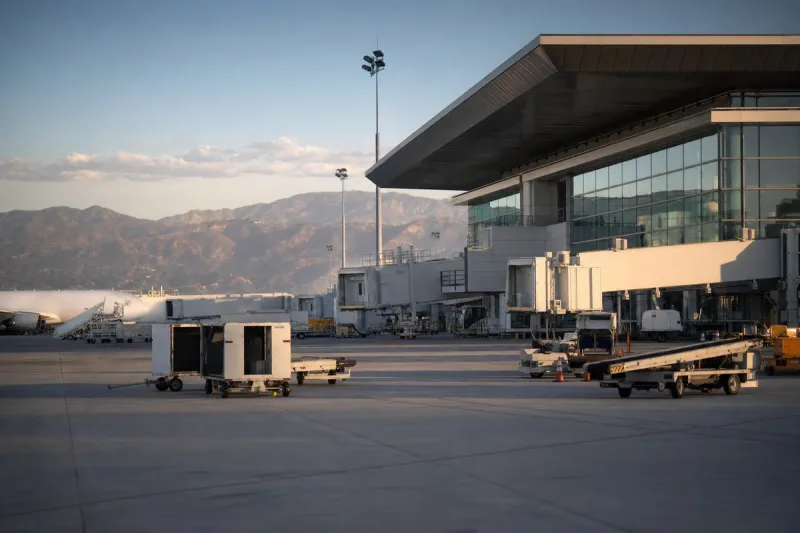
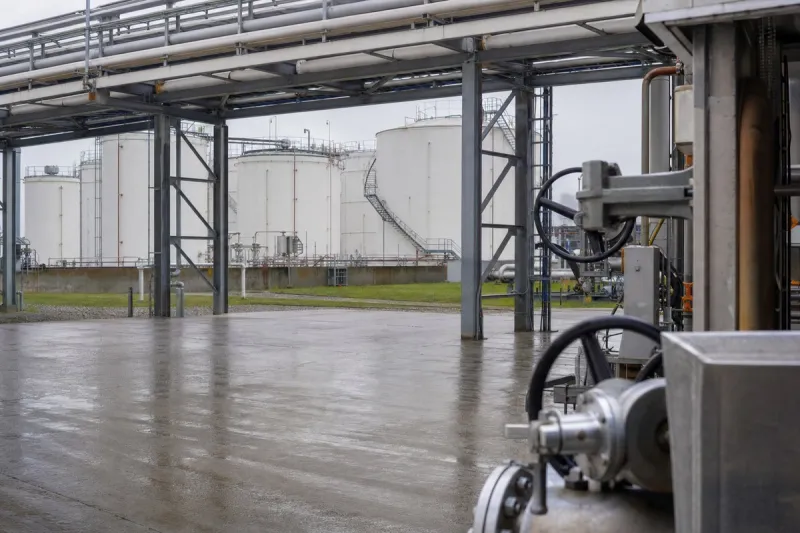
One major low-cost carrier reported that UK air traffic control-related delays rose by more than 80 percent compared with the previous year, with more than 30 of its flights held up in a single morning due to staff shortages in the control network. London Gatwick issued an alert to airlines warning that a jet fuel supply shortage could affect flight operations during one of the busiest stretches of the summer season, forcing some carriers to retime services, consolidate rotations, or cancel flights outright.
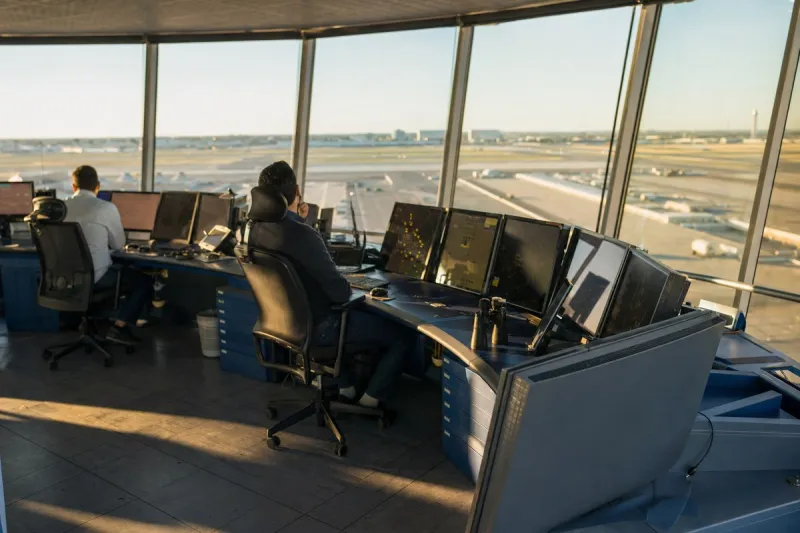
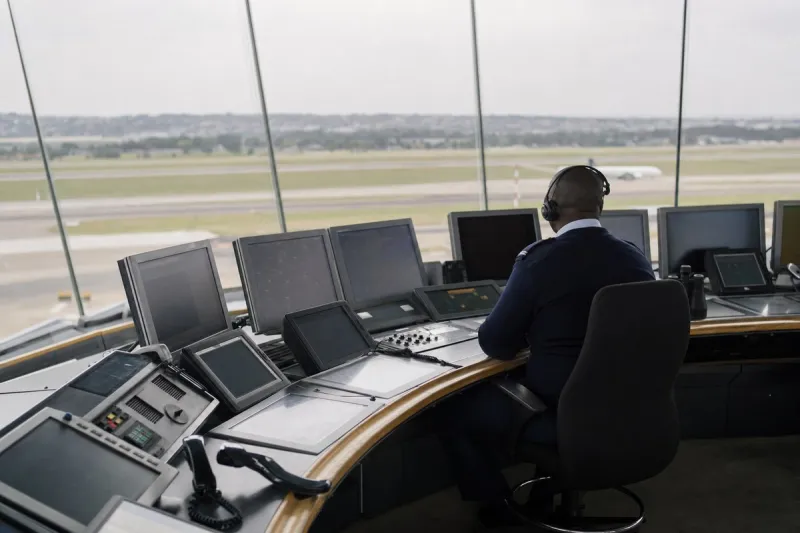
Rome Fiumicino recorded more than 150 cancelled flights in August alone, averaging over a dozen cancellations per day, with services to Catania and other Italian cities among the most affected. Paris Charles de Gaulle and Amsterdam Schiphol also reported elevated cancellations and delays. An earlier single-day disruption event across Heathrow, Gatwick, Schiphol, and Charles de Gaulle affected more than 2,600 flights combined. A 2025 radar fault at the UK's Swanwick air traffic control centre led to the cancellation of more than 150 flights in a single day. Norwich Airport announced a 24-hour strike by air traffic control staff later in August that would result in a full airport closure for that day, with no flights operating.
Industry impact & what to watch
Europe's summer schedule keeps running into the same weak points: a small number of control centres, a handful of large hub airports, and thin staffing margins that leave little room to absorb a shortfall. When Swanwick or Gatwick has a bad day, the effect does not stay local — it moves through connecting hubs like Schiphol and Charles de Gaulle within hours, because so much of the network's capacity planning assumes those nodes clear traffic on time.
Air traffic control staffing and fuel logistics sit outside any single airline's or airport's control, which is why disruption of this kind spreads across carriers and countries rather than one operator's network. Industrial action adds a second, more predictable layer of risk: a 24-hour strike announced in advance still forces a full closure, unlike a radar fault or fuel shortage that hits without warning.
The Norwich strike date is a fixed point to watch, since a full-day closure with no flights operating is a clean test of how much buffer carriers have built into their schedules. Whether Gatwick's fuel supply position stabilizes before the remaining peak summer weeks will determine if retiming and rotation consolidation remain sufficient or escalate into further cancellations.