UK Guidance Sets Reporting and Aerodrome Rules for International General Aviation Flights
Why It MattersReporting duties, aerodrome designation and civil penalties run through separate customs, immigration and police regimes, so international GA flights depend on matching each regime's rules to the route, passengers and aerodrome used.
What happened
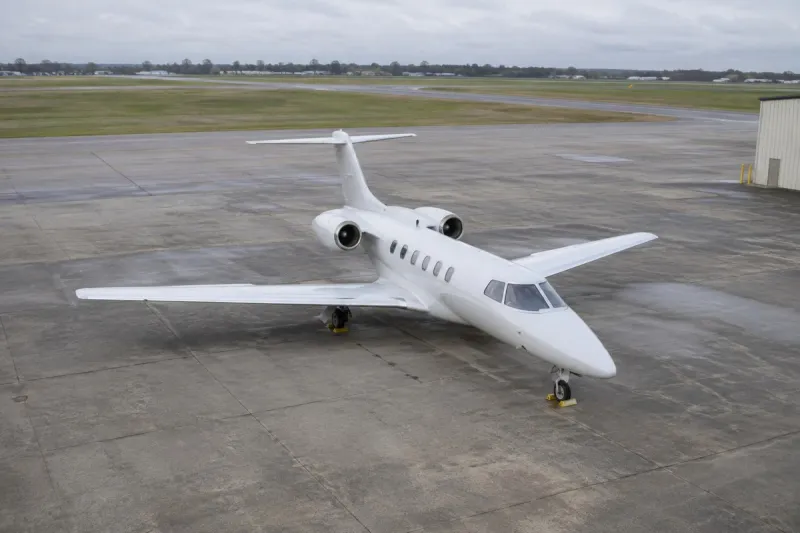
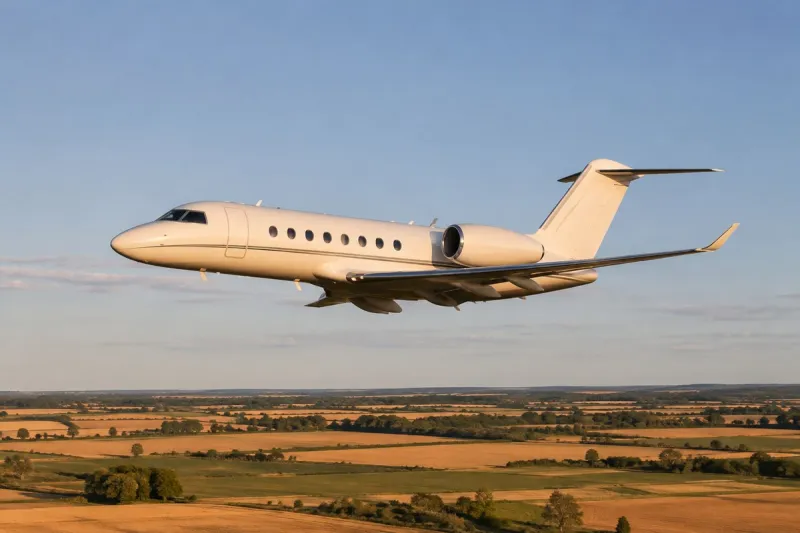
Guidance for owners, agents and captains of General Aviation (GA) aircraft making international flights to and from the UK sets out how to report those flights and the persons on board, and which aerodromes may be used. The latest version adds a Frequently Asked Questions section covering cases where more than one General Aviation Report (GAR) is submitted for a flight and where a pilot cannot land at the arrival location named on the GAR.

Under the General Aviation (Persons on Board, Flight Information and Civil Penalties) Regulations 2024, made under the Immigration Act 1971, those responsible for international GA flights, including flights within the Common Travel Area (CTA), must provide flight and passenger information online and in advance. Directions made under sections 35 and 64 of the Customs and Excise Management Act 1979 (CEMA) require operators or pilots to report international and Channel Island flights to or from Great Britain and Northern Ireland for customs purposes.
Under Paragraph 12 of Schedule 7 to the Terrorism Act 2000, for CTA flights and flights between Great Britain and Northern Ireland, an aircraft carrying passengers for reward to or from a non-police-designated UK airport needs prior approval from a Police Examining Officer. In other cases at such airports, the pilot must notify the police at least 12 hours before departure or arrival. Wilful failure to seek approval or notify is a criminal offence.
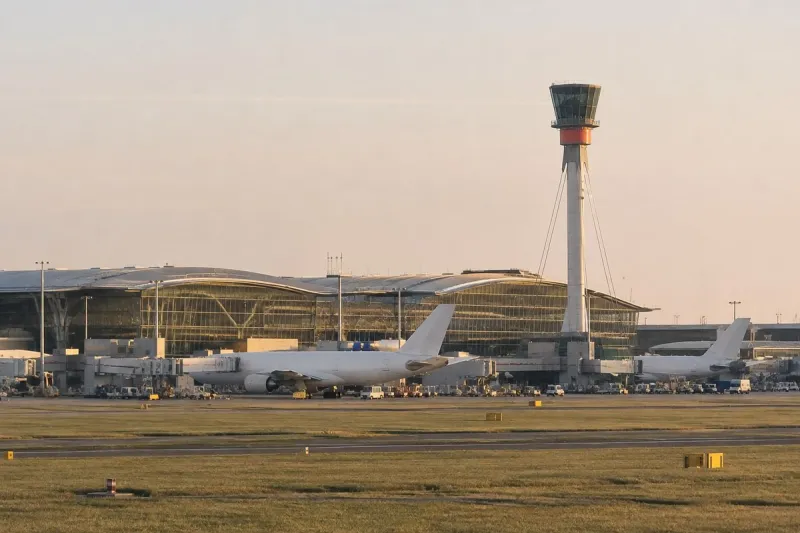
Airports may hold Customs & Excise, Immigration or Police designation, and all immigration ports of entry are also Customs & Excise airports. Aircraft carrying paying passengers between Great Britain and Northern Ireland, or between the UK and the rest of the CTA, must use a police-designated airport unless the relevant police force has given specific authority. For customs purposes, a regulated aerodrome is either a Customs & Excise airport or an aerodrome approved under section 20B of CEMA.
A pilot who causes an aircraft to land, after arriving in the UK or while carrying uncleared passengers or goods from outside the UK, anywhere other than a regulated aerodrome faces a civil penalty of £2,500, unless Customs permits it or the landing was unavoidable. A person in control of an aerodrome operating international flights without approval is liable to a £2,500 civil penalty, and one breaching the terms of its section 20B approval faces £1,000. These penalties are set by the Customs (Contravention of a Relevant Rule) Regulations 2003.
Industry impact & what to watch
International GA operations into and out of the UK sit under three separate regimes at once: immigration reporting under the 2024 Regulations, customs reporting and aerodrome approval under CEMA, and police notification under the Terrorism Act 2000. A single flight can trigger all three, and each has its own trigger, its own deadline and its own sanction, so compliance is a matter of fitting route, passengers and landing site together rather than ticking one form.
The cost of error falls unevenly. Paid-passenger flights within the CTA face the police-designation requirement that private flights avoid, and the civil penalties land on the pilot for an unplanned landing and on the aerodrome for operating without approval. That places a duty of care on aerodrome operators as well as on captains, and it makes the choice of arrival point a regulatory decision as much as an operational one.
The new FAQ section on duplicate GARs and on being unable to land at the declared arrival location addresses the situations where a plan changes in flight or on the ground. Those are the cases where the gap between a filed report and what actually happens is widest, and where the guidance's treatment of unavoidable landings and Customs permission carries the most weight.