Southwest Flight WN3052 Isolated at Buffalo After Bomb Threat Written on Napkin; 128 Onboard Safe
Why It MattersHandling a written threat through an isolation bay shows how a single credible report can hold an aircraft, divert other arrivals and push back onward departures during the heaviest holiday travel days.
What happened
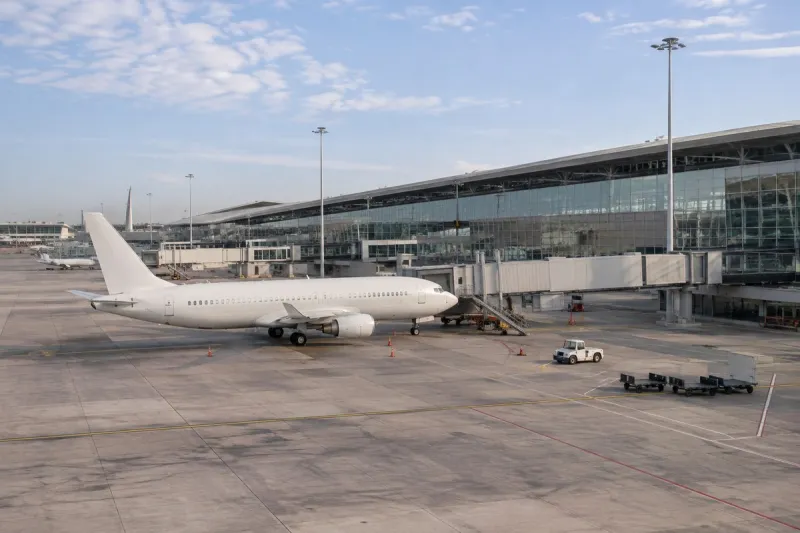
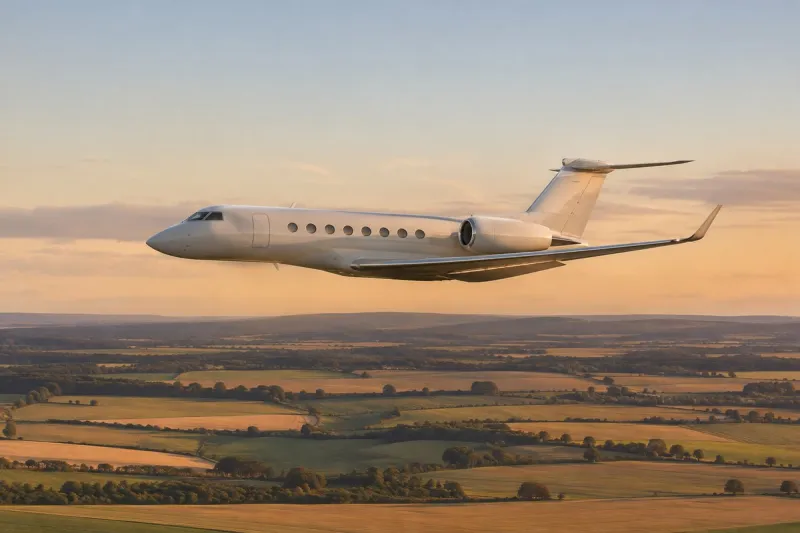
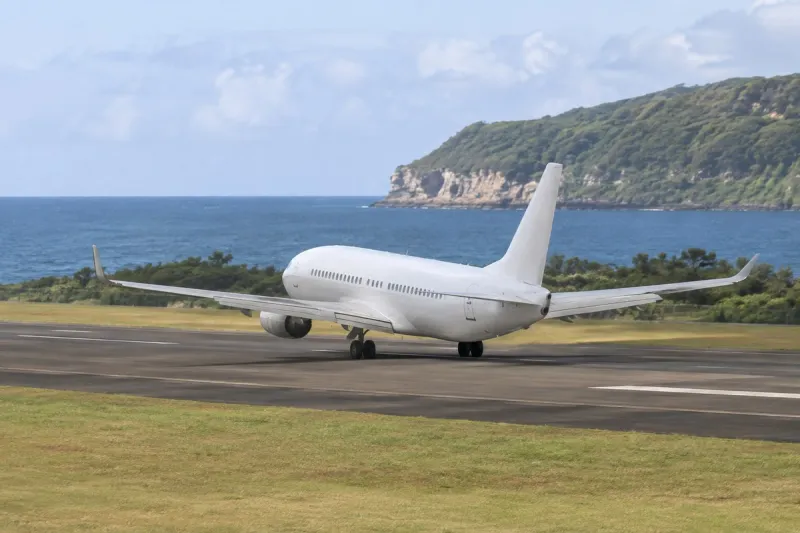
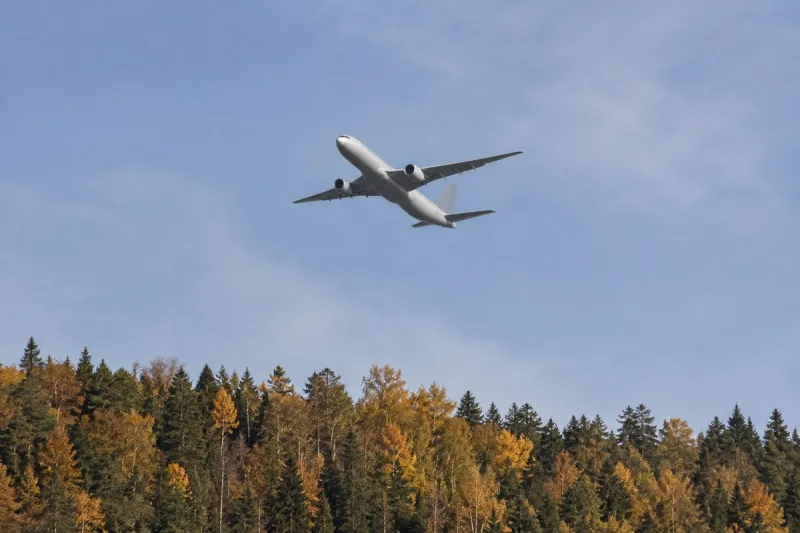
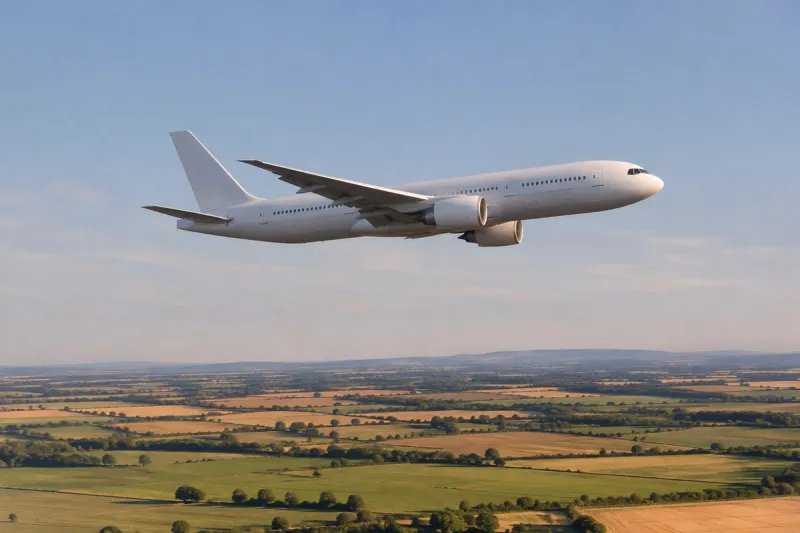
Southwest Airlines flight WN3052, a Boeing 737-700 registered N924WN, was isolated on the airfield at Buffalo after a bomb threat written on a napkin. The aircraft was operating from Fort Lauderdale-Hollywood International Airport and landed safely at 5:10 PM local time on Saturday, November 28. All passengers and crew were reported safe, and an NFTA spokesperson told local outlet WIVB that 128 people were onboard.
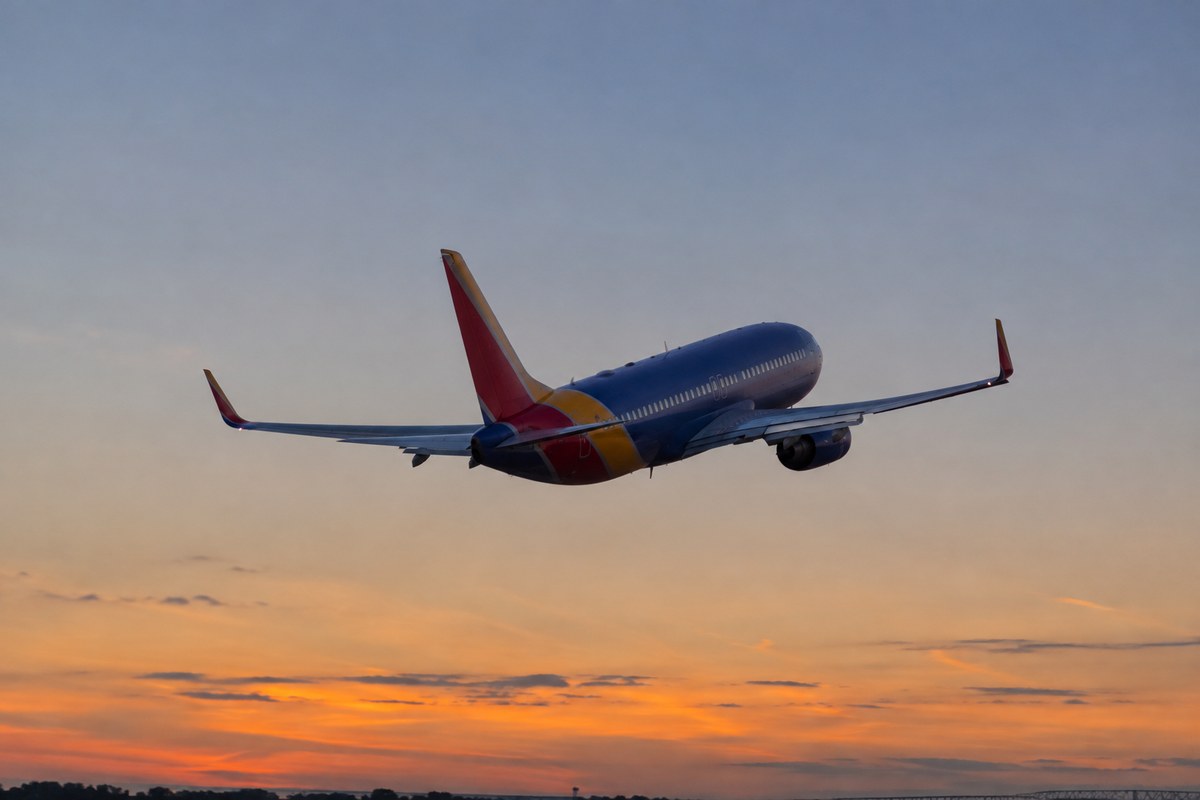
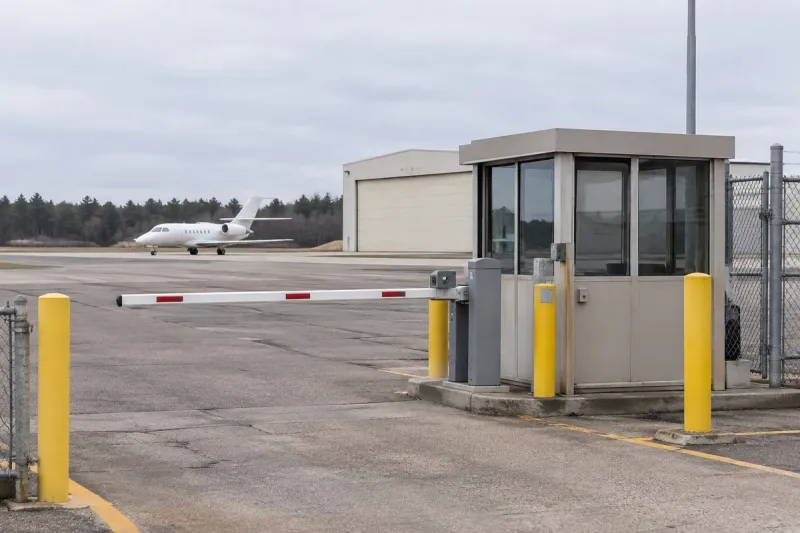
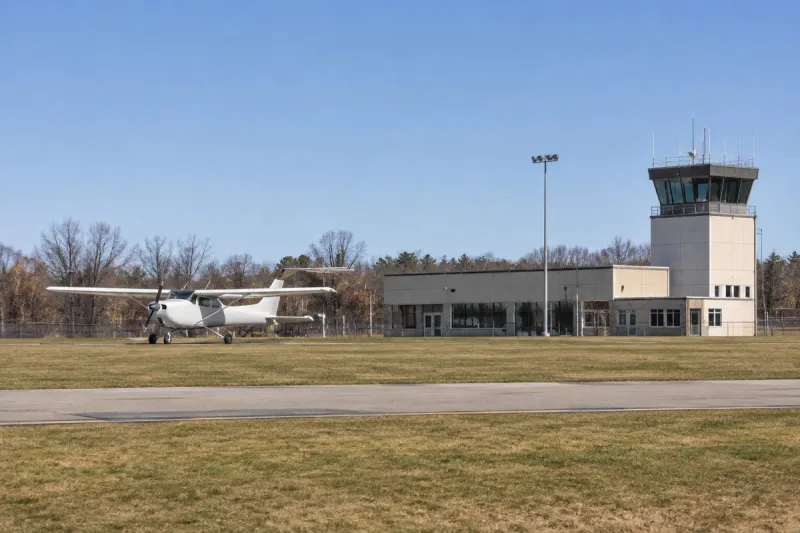
Audio from CrimeRadar captured the pilot telling the Buffalo control tower, "We had a bomb threat written on a napkin." The pilot asked whether the plane should taxi to a "bomb pad," an isolation bay where aircraft suspected of carrying explosive or hazardous material are parked. The 18-year-old aircraft was seen parked away from the terminal, and at least two other Buffalo-bound flights diverted as the incident unfolded.
The aircraft's next scheduled departure, to Baltimore, was delayed from 7:05 PM to at least 11:00 PM, according to tracking data. Southwest has not publicly commented, saying it does not comment on security matters.
The event fell on the final weekend of the Thanksgiving period, the day before the expected busiest travel day. On the Sunday after Thanksgiving in 2025, the TSA screened 3,133,924 people, a single-day record. Southwest is the largest carrier at Buffalo, carrying over 1.4 million passengers there in 2025, roughly 28.5% of the airport's traffic.
Legal exposure for false threats
Under 49 U.S.C. § 46507, knowingly giving false information about an attempt to bring explosives aboard an aircraft can carry up to five years in prison. The federal bomb hoax statute, 18 U.S.C. § 35, provides civil penalties and felony penalties of up to five years for certain malicious or reckless false reports.
Earlier this year, passengers were held on the tarmac in Houston for hours after a bomb threat in August. In March, a Southwest flight diverted to Atlanta over a reported bomb threat, with SWAT officers removing one passenger.
Industry impact & what to watch
A threat of this kind turns an ordinary arrival into a security event that reaches well beyond one tail number. The aircraft sat in an isolation bay, two other flights diverted, and the same airframe's evening departure slipped by hours. For a carrier running tight aircraft rotations, one flagged flight spreads delay across the network, and the cost grows when it lands in a peak travel window.
At an airport where Southwest carries roughly 28.5% of traffic, a single carrier's incident touches a large share of the people passing through. Isolation bays exist precisely so an aircraft can be held away from the terminal without closing the airfield, which is why diversions of other flights, not a shutdown, are the visible side effect here.
The next point of clarity is whether Southwest or airport authorities release any findings on the napkin threat, and whether the 11:00 PM Baltimore departure operated as rescheduled.