FAA Conducts First eIPP Remotely Piloted Flight Test with Elroy Air's Chaparral Hybrid-Electric Cargo Aircraft in Louisiana
Why It MattersThe demonstration shows regulators building airspace-integration data for autonomous cargo eVTOLs incrementally, through staged pilot-program flights rather than a single certification milestone.
What happened
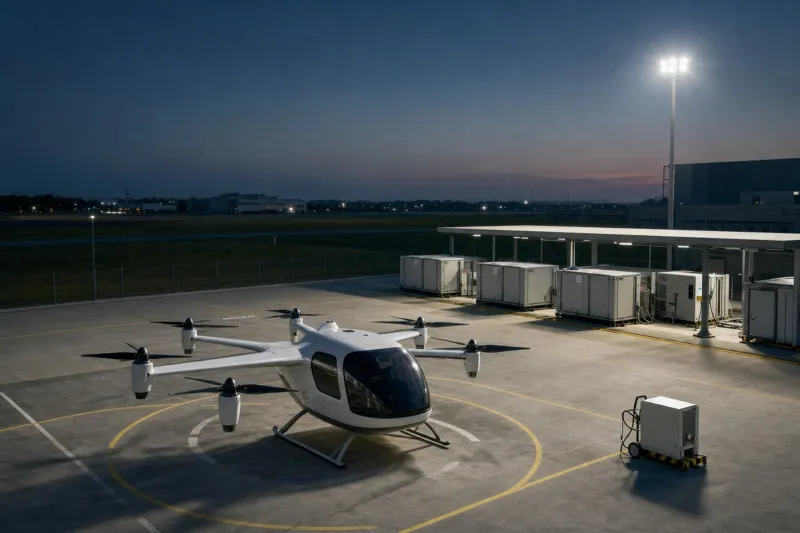
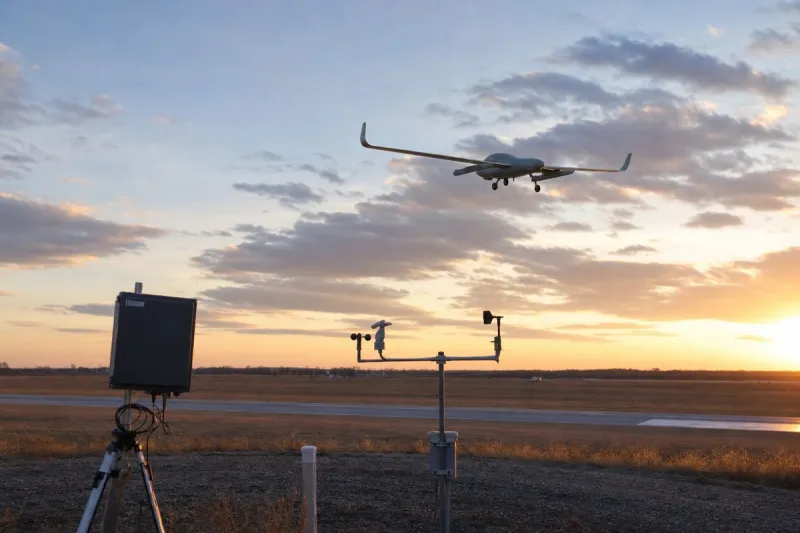
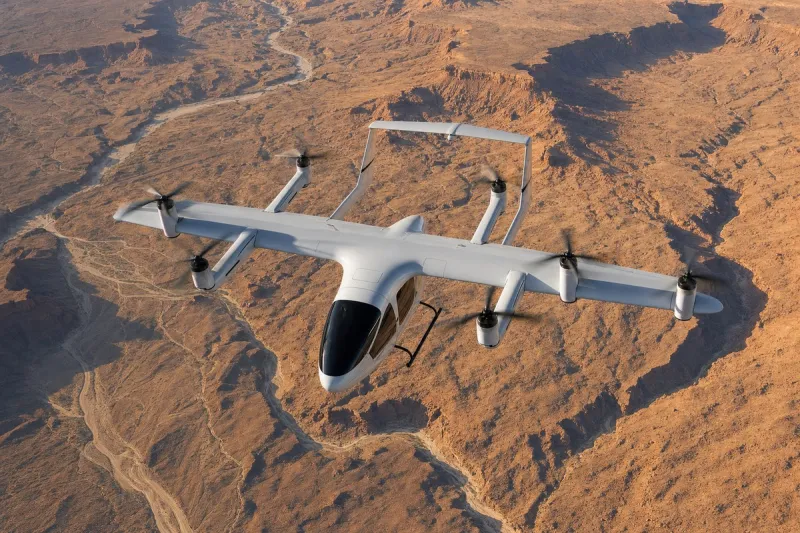
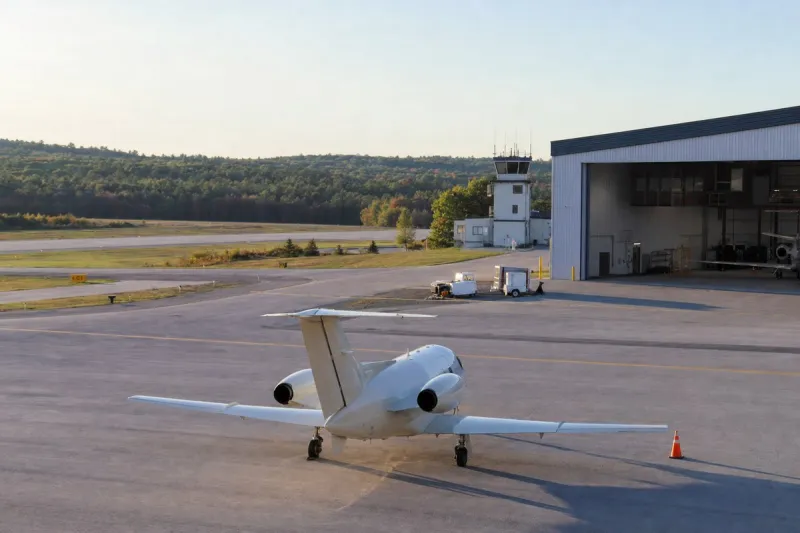
The FAA and Elroy Air, working with the Louisiana Department of Transportation and Development, conducted a cargo demonstration flight at Houma-Terrebonne Airport in Louisiana, marking the first remotely piloted aircraft test flight under the FAA's eVTOL Integration Pilot Program (eIPP).
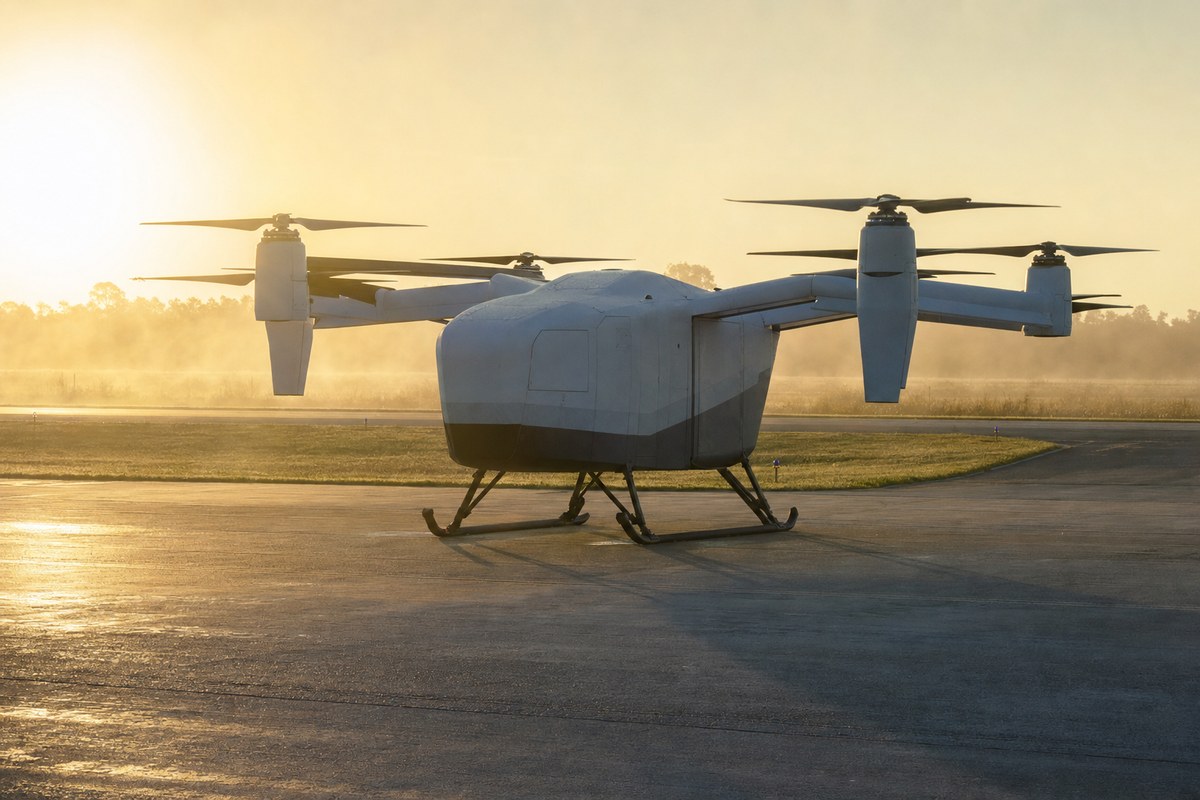
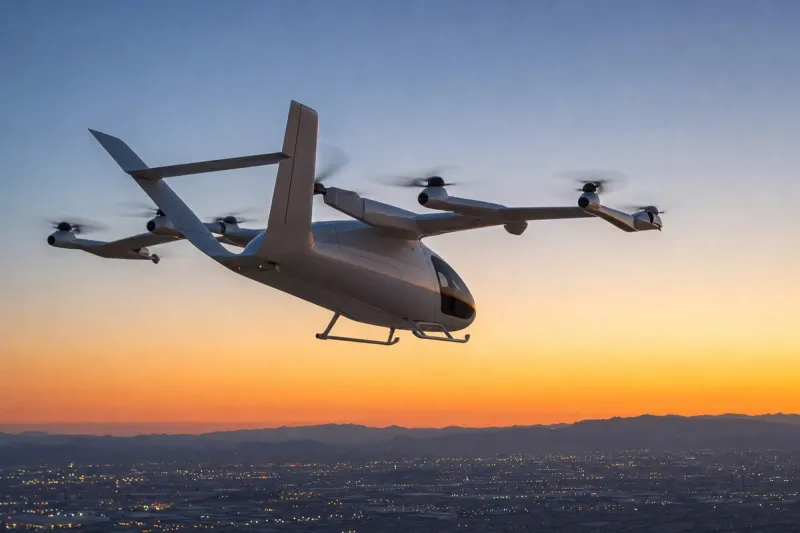
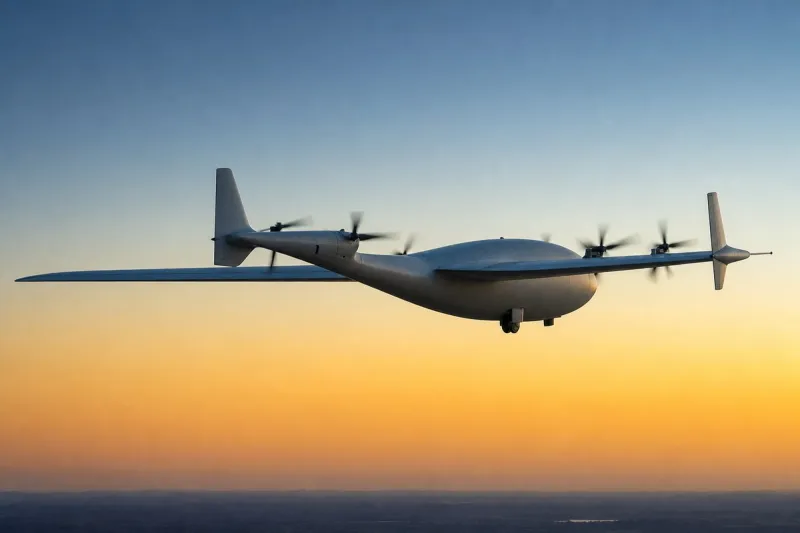
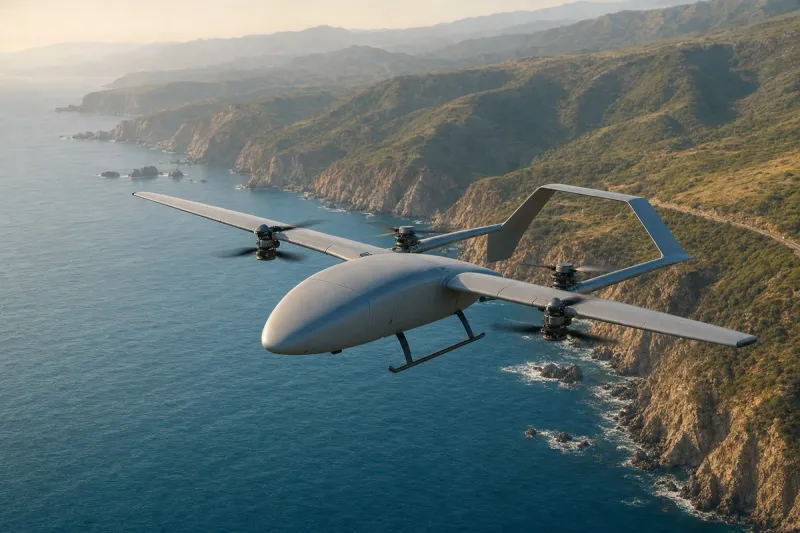
The aircraft flown was Elroy Air's Chaparral, a hybrid-electric cargo vehicle capable of vertical takeoff and landing. It has a maximum payload of more than 500 pounds and a stated maximum range of 450 miles. It uses electric propulsion for vertical takeoff and landing before transitioning to wingborne flight, with a hybrid-electric powertrain enabling longer-range operations without requiring charging infrastructure at every stop, and it features modular cargo pods that can be pre-loaded before the aircraft arrives at a location. Elroy Air said Chaparral completed a week-long series of autonomous flights with no pilot onboard during the demonstration, operating under Air Traffic Control oversight. FAA Administrator Bryan Bedford said the Louisiana demonstration provides data to help "turn these concepts from trial to deployment."
In December 2025, Elroy Air had previously completed the aircraft's first point-to-point cargo delivery, during which Chaparral autonomously carried 213 pounds over a 2.6-mile flight. The Department of Transportation selected eight eIPP projects across 26 states in March, and additional test flights in Louisiana are planned through the remainder of 2026.
Industry impact & what to watch
This test belongs to a broader effort by the FAA to gather real-world operational data on next-generation aircraft before writing the rules that would let them fly routinely in U.S. airspace. Running the flights under Air Traffic Control oversight, rather than in isolated test corridors, is the part that generates data regulators can actually use for integration decisions.
Cargo-focused eVTOL programs like Chaparral are being positioned for use cases — offshore energy, industrial supply chains, disaster response, middle-mile logistics along the Gulf Coast — where the absence of charging infrastructure and the ability to pre-load modular cargo pods matter more than passenger comfort or airport-scale traffic volumes. That distinguishes the commercial case from passenger eVTOL programs, which depend on dense urban approvals and vertiport buildout.
What comes next is whether the remaining 2026 Louisiana flights extend beyond point-to-point demonstrations toward more complex or sustained operations, and how the seven other eIPP projects across the 26 selected states progress in parallel. The pace of Bedford's stated goal — moving "from trial to deployment" — will be measured by how many of those additional flights actually occur before year end.