Magnitude 5.0 Earthquake Off Manhattan Beach Breaks Glass at LAX, Prompts Delta Flight 1972 to Go Around
Why It MattersSeismic shaking tests airport terminals and live air traffic control at once; this case shows terminal damage and a missed landing can occur within minutes, even when no serious injuries follow.
What happened
A magnitude 5.0 earthquake struck offshore about three miles west of Manhattan Beach, California, on Saturday, Nov. 28, according to the U.S. Geological Survey. Dozens of aftershocks followed, including a magnitude 4.5 jolt at 11:41 a.m.
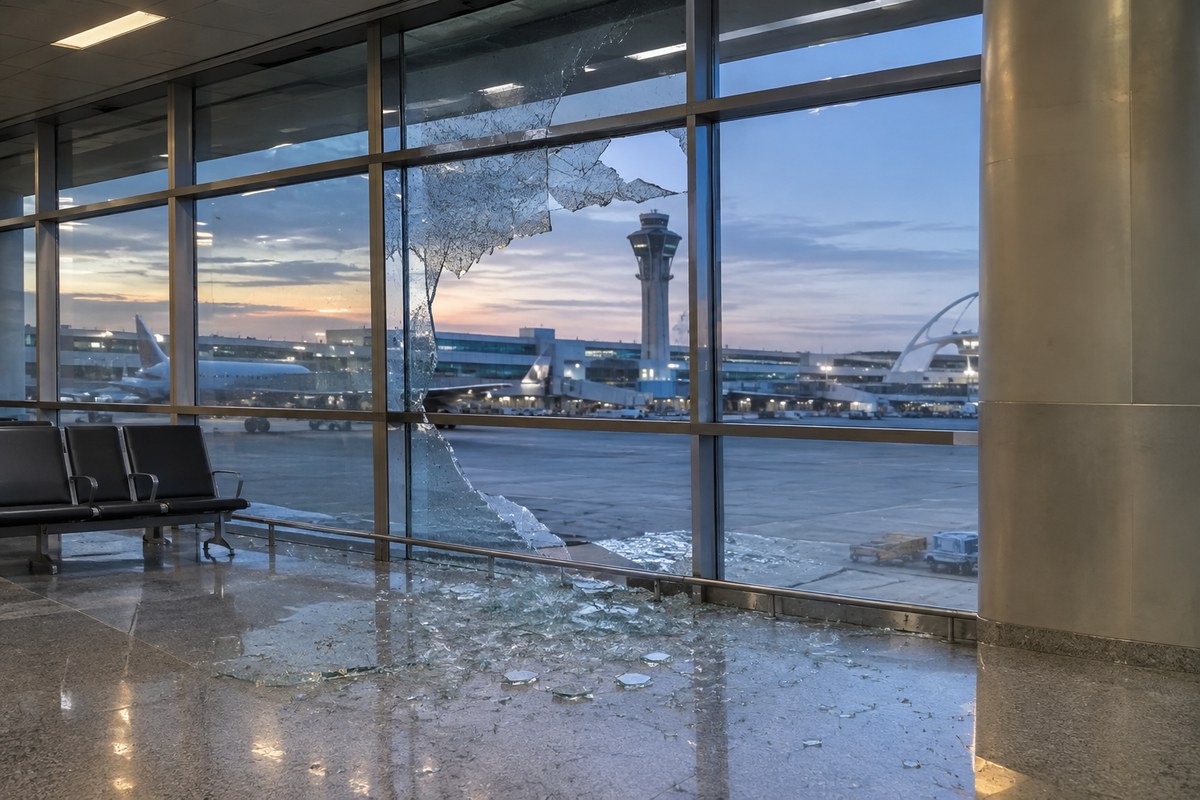
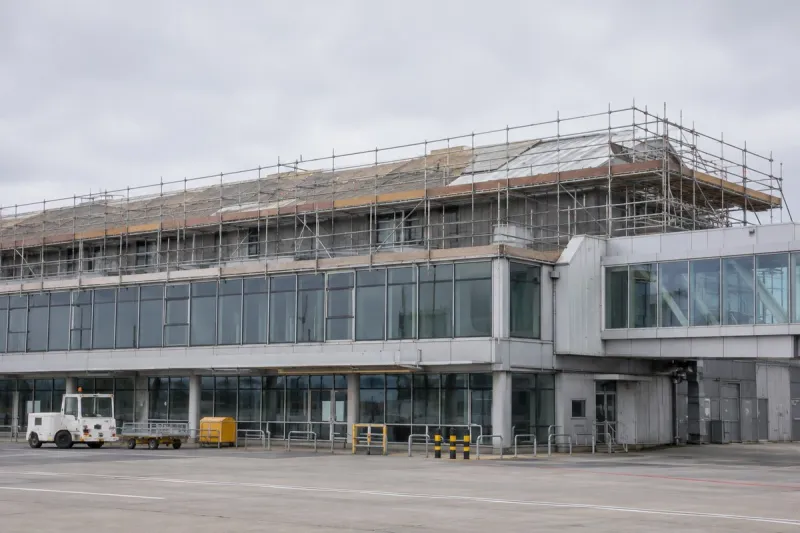
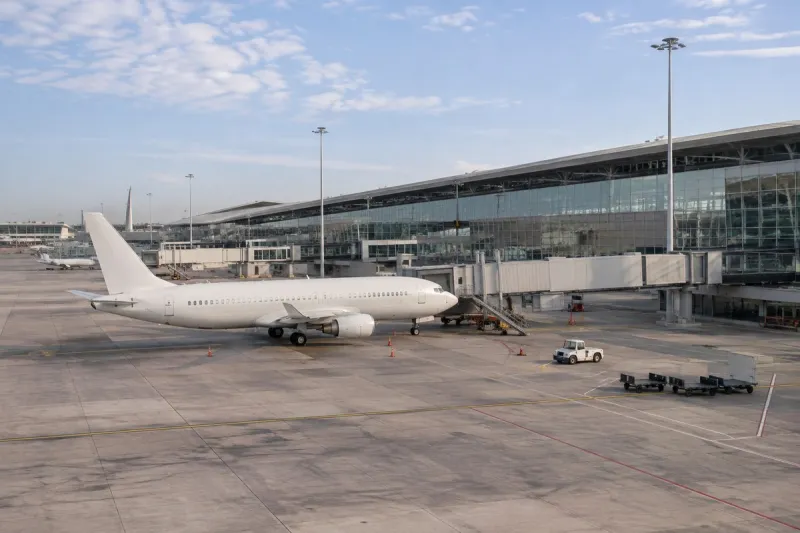
At Los Angeles International Airport (LAX), glass panes broke in Terminal 7 during the shaking, and a ceiling panel fell in the same terminal during a late-morning aftershock, the Los Angeles Times reported. KTLA5 posted video showing water pouring from a ceiling at the airport after a water line broke.
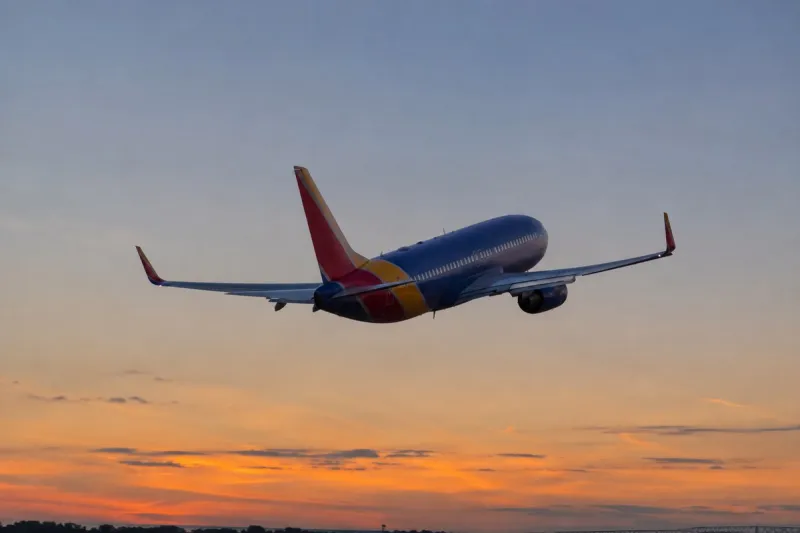
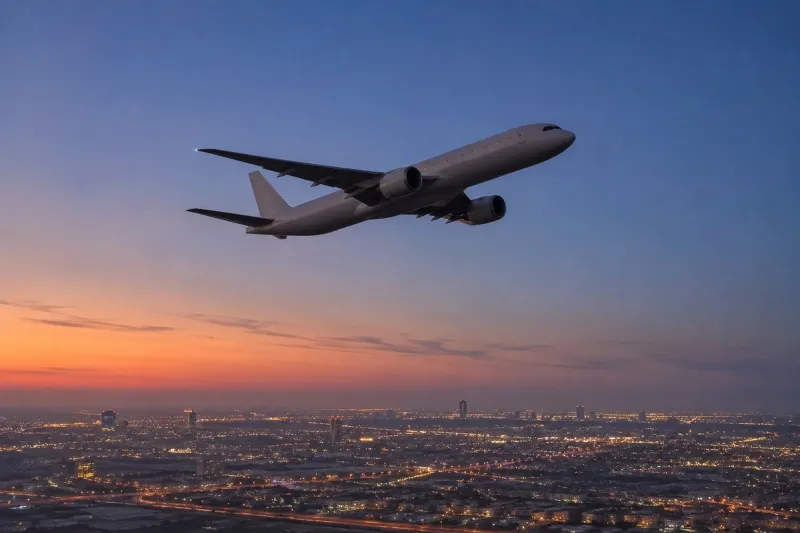
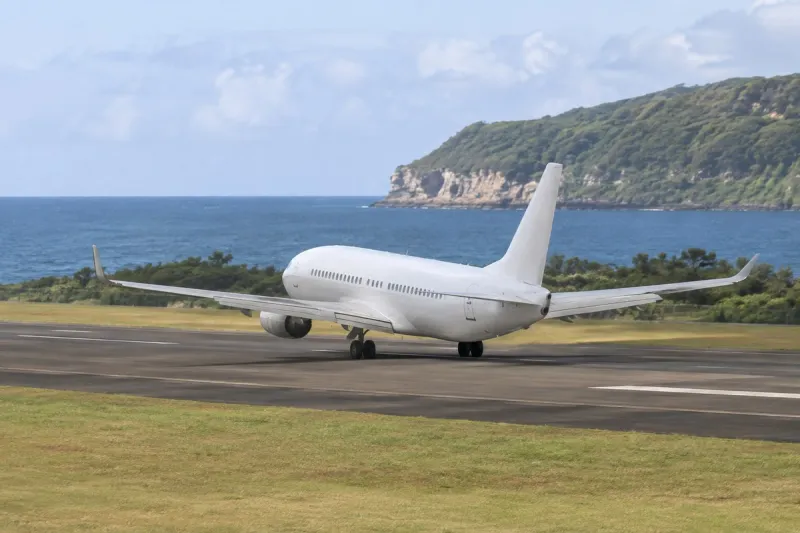
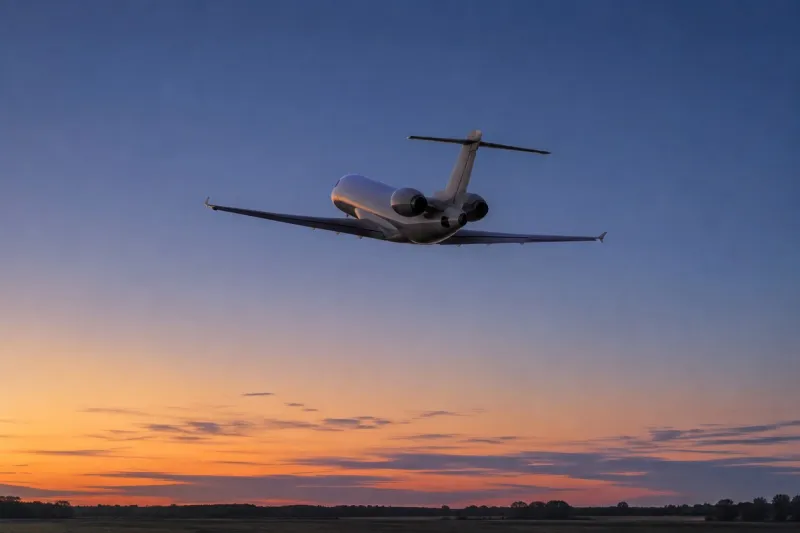
The shaking also disrupted an arriving Delta Air Lines flight. As the aircraft was about to land, an air traffic controller told the crew to pull up. "Delta 1972, go around, we're having a big earthquake," the controller said in footage captured by Airline Videos Live. The plane climbed away from the runway as the camera recording it shook and nearby car alarms sounded.
A ShakeAlert warning was sent to mobile phones across the region as the first quake hit. The Los Angeles Fire Department went into "earthquake mode," deploying personnel from 106 neighborhood fire stations to examine critical infrastructure and areas of local concern across a 470-square-mile radius. It returned to normal operations at 12:38 p.m. and reported no major structural damage. No serious injuries were reported.
The City of Manhattan Beach, which said there was no tsunami threat, temporarily closed its pier as a precaution. City building inspectors began assessing properties for earthquake damage, and some red or yellow tags were issued. The city also said intermittent flaring may be visible over the next 48 hours at the Chevron El Segundo Refinery.
Industry impact & what to watch
An earthquake hits an airport on two fronts simultaneously: the building and the airspace. In this case the terminal took physical damage, with broken glass, a fallen ceiling panel and a burst water line, while the tower had to order an aircraft already on approach to abandon its landing. The go-around is the standard safety valve for that situation, and here it was invoked within moments of the first shock.
For operators and handlers, the lesson is about how quickly a ground event becomes an airside one. Passenger-facing damage in a terminal, an interrupted approach and a regional emergency response all unfolded from a single morning's shaking, and aftershocks kept the risk alive after the main event.
The next facts that would settle the operational picture are the ones the airport and the airlines themselves publish: the extent of any terminal repairs in Terminal 7, and whether the aftershock sequence continues. The city's 48-hour window for possible refinery flaring is the one dated marker already on the table.