Bell Textron's X-76 Stop-Fold Tiltrotor Selected to Advance DARPA's SPRINT Program Through Phases 2 and 3
Why It MattersMilitary development programs increasingly rely on unmanned technology demonstrators and digital engineering tools to de-risk advanced propulsion concepts before committing to flight hardware.
What happened
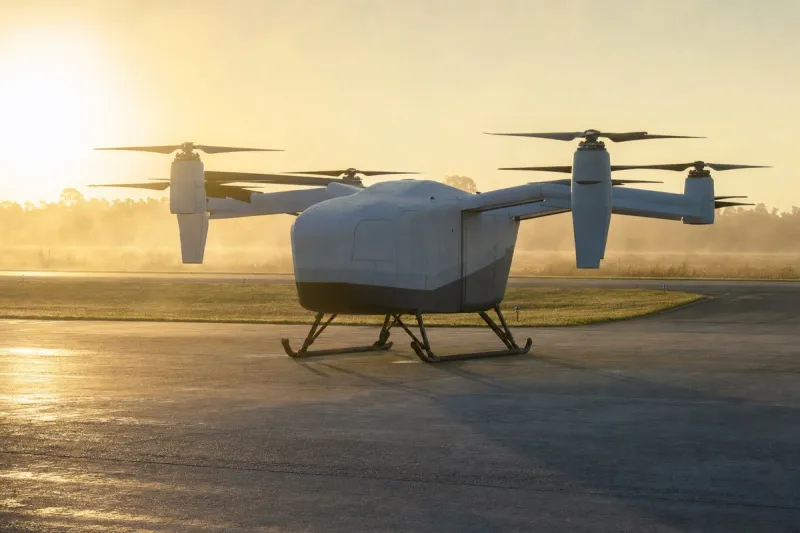
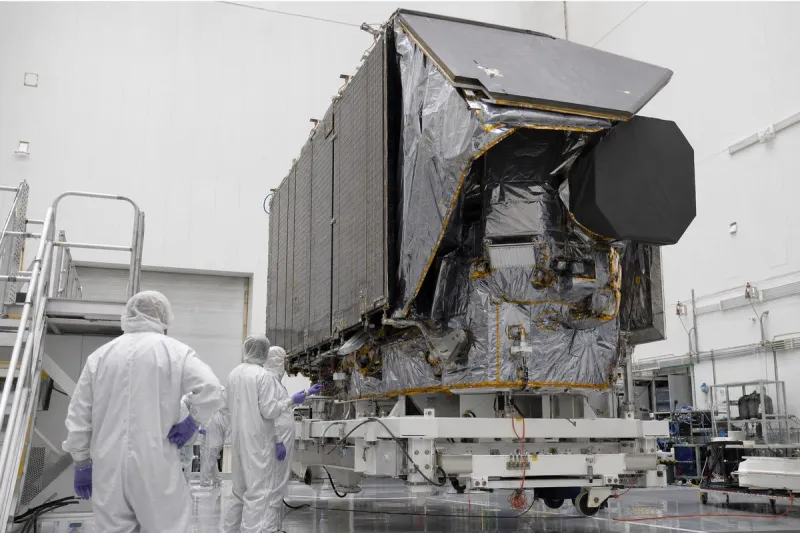
Bell Textron has won a contract to advance its X-76 stop-fold tiltrotor design through Phases 2 and 3 of DARPA's Speed and Runway Independent Technologies (SPRINT) program, with a flight-test campaign planned for early 2028. Phase 2 covers detailed design, manufacturing, assembly and ground testing of the X-76, while Phase 3 encompasses the flight-test program.
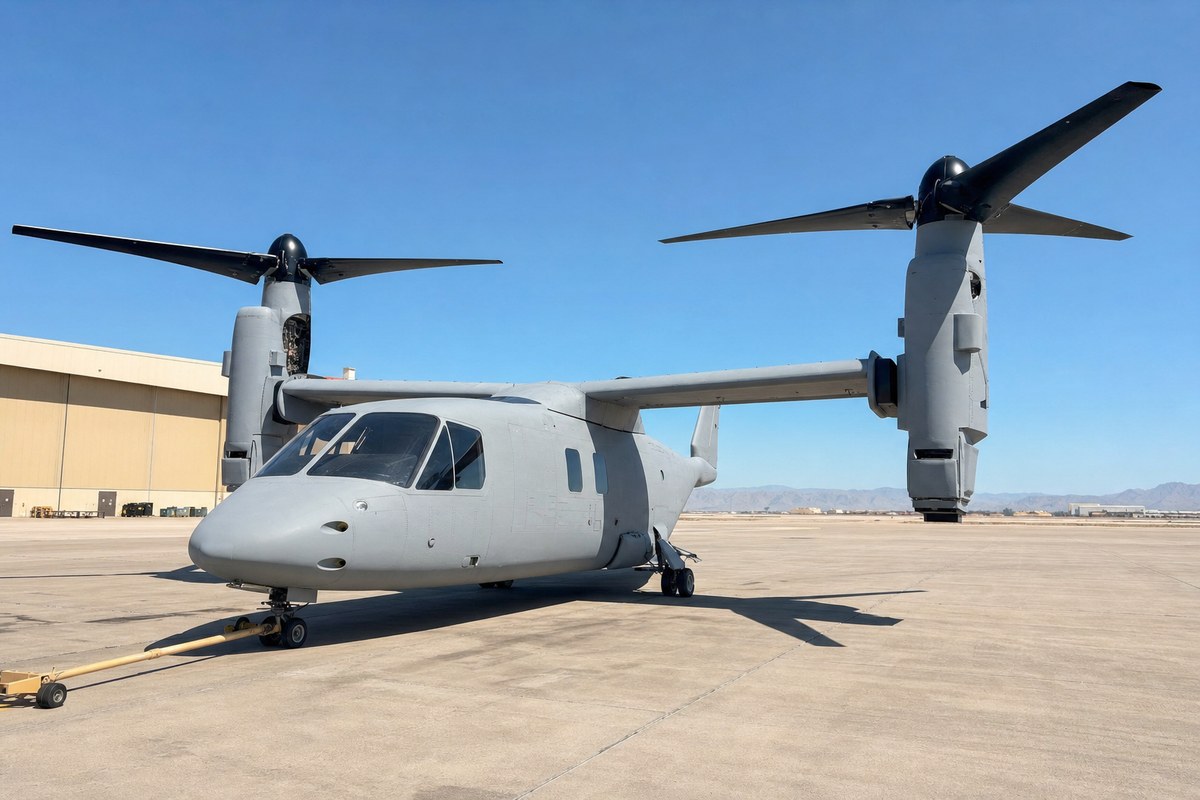
The SPRINT program began Phase 1A on November 1, 2023, when four companies were contracted to develop conceptual designs. In May 2024, Aurora Flight Sciences and Bell Textron each received Phase 1B preliminary-design contracts to refine their concepts. By June 2025, Bell Textron's design was selected as the winner.
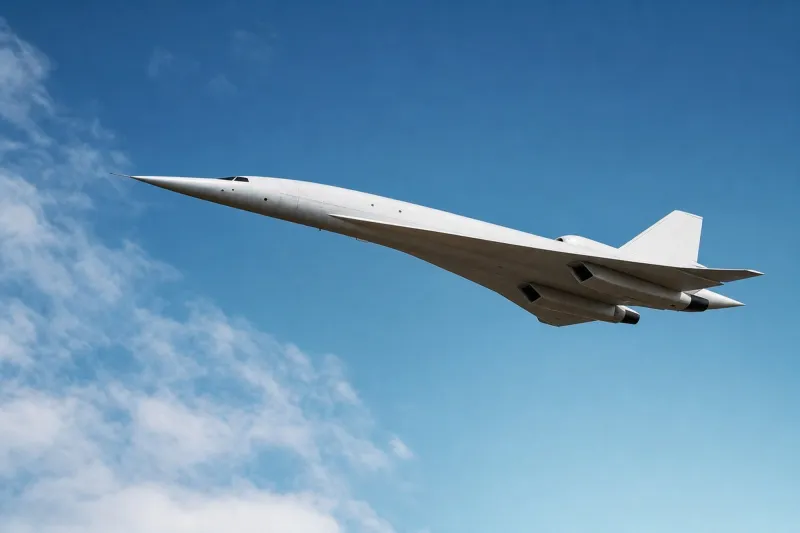
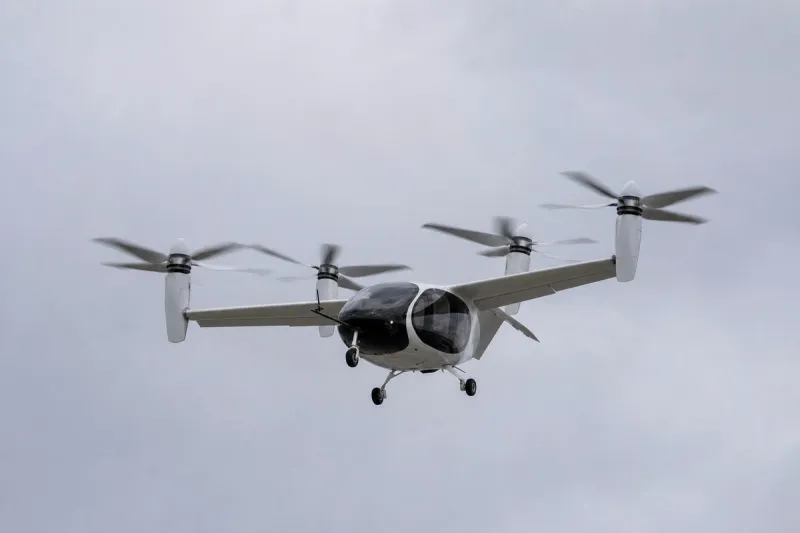
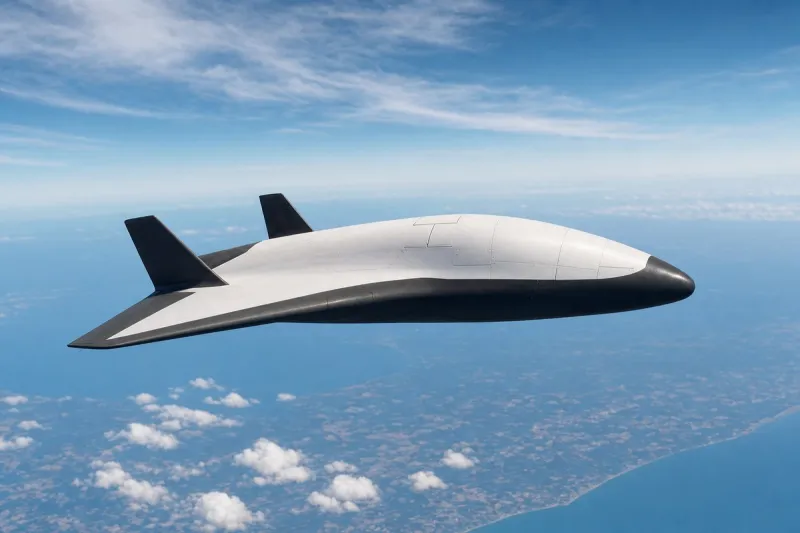
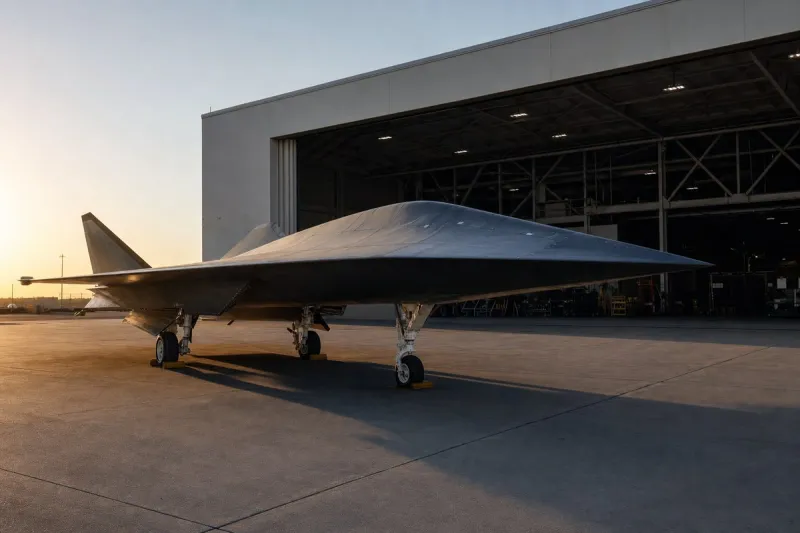
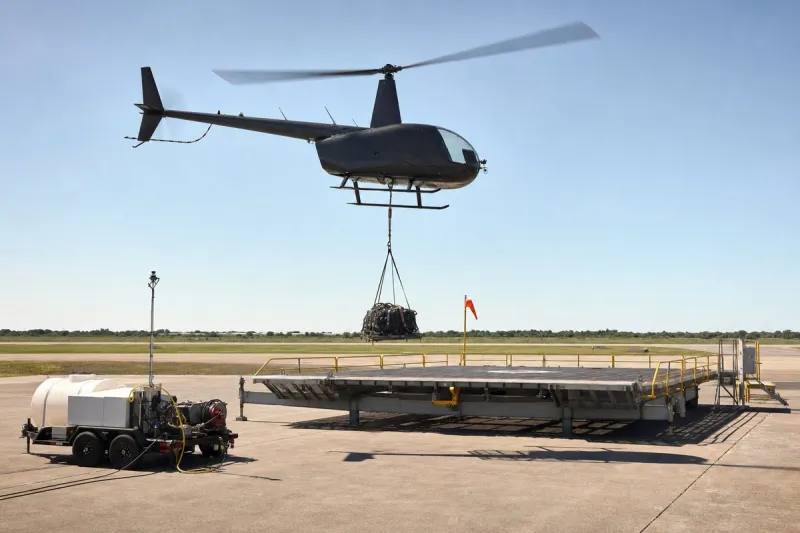
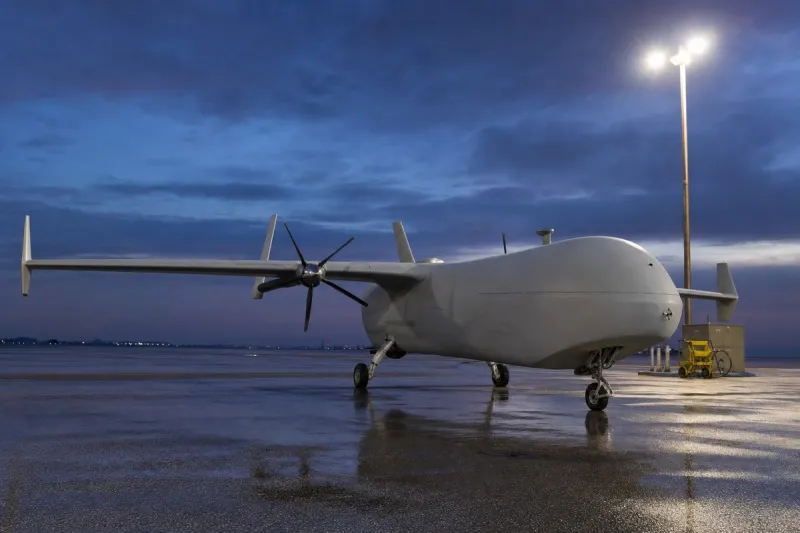
The X-76 is an unmanned vehicle designed to carry a 1,000 lb (450 kg) payload at a top speed of 460–518 mph (740–830 km/h), capable of vertical take-off, landing and hover from unprepared surfaces without a runway. SPRINT program manager Commander Ian Higgins of the US Navy described the aircraft as "a proof-of-concept technology demonstrator" whose flight-test program will "validate enabling technologies and integrated concepts that can be scaled to different-sized military aircraft."
The X-76's core innovation is its stop-fold rotor system. Unlike conventional tiltrotors such as the V-22 Osprey, whose engines sit in rotating wingtip pylons, the X-76 places its engines in the center fuselage. During take-off, hover and low-speed flight the rotors provide lift; as the aircraft accelerates, lift transfers to the wing while the rotors are slowed, stopped and folded into the airframe, allowing a jet or turbofan system to power high-speed cruise. The process reverses when transitioning back to vertical flight. Higgins described the transition as "the most challenging aspect."
Digital design tools and model-based systems engineering capabilities not available during V-22 development are being used throughout the X-76 program, and Bell is building system integration labs to reduce risk in key flight hardware and software before the aircraft flies.
Mission profiles and applications
DARPA and Bell aim to provide US Special Operations Command (USSOCOM) with increased speed and range. Possible mission profiles for an X-76-type unmanned platform include contested logistics and combat resupply, electronic warfare, strike and attack, special forces infiltration and exfiltration, personnel recovery, high-value asset escort and manned-unmanned teaming.
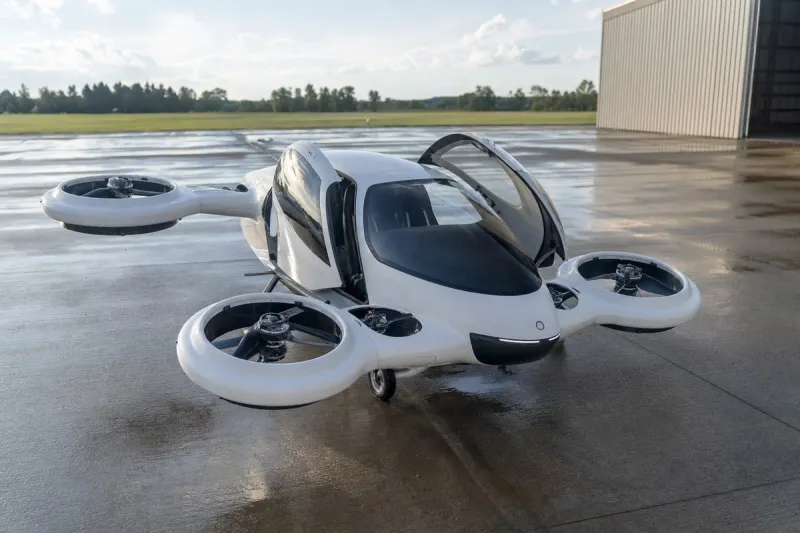
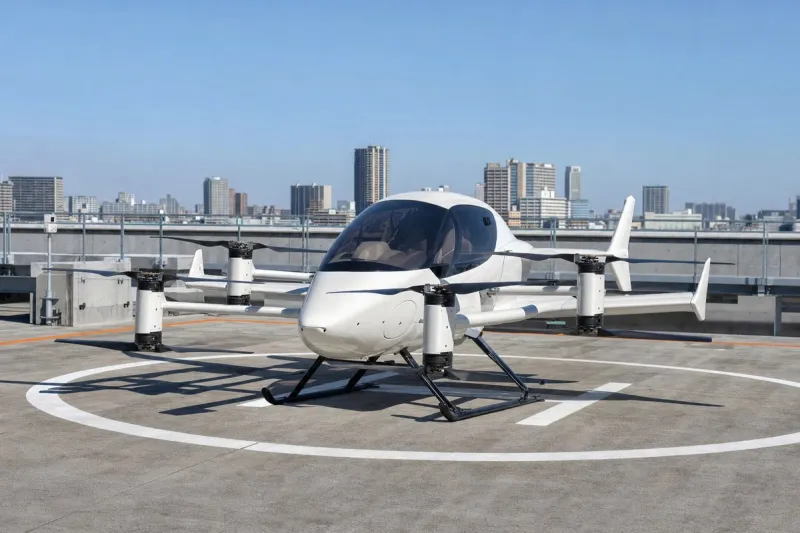
Potential commercial applications cited include emergency medical transport and high-speed regional air mobility.
Industry impact & what to watch
This program belongs to a broader push by defense research agencies to fund unmanned demonstrators that test propulsion and control concepts before those concepts are committed to a crewed platform. Placing engines in the fuselage rather than wingtip pylons removes a structural and weight constraint that shaped the V-22, and the stop-fold transition is the mechanism DARPA is paying to prove out before anyone scales it to a larger airframe.
How this segment works is visible in the phase structure itself: conceptual design, preliminary design, then a competitive downselect before detailed design and ground testing begin, with flight test held back as a distinct, later-funded phase. That staging lets the government and contractor validate the hardest engineering step, the hover-to-cruise transition, on an unmanned airframe carrying a modest payload before any decision about scaling to larger, potentially crewed, military aircraft.
The early 2028 flight-test campaign is the next dated milestone that will show whether the stop-fold transition performs as modeled, and Commander Ian Higgins's own framing, that the transition is the most challenging aspect, marks the specific technical question the flight-test phase exists to answer.