IATA: Middle East War and 70% Jet Fuel Price Surge to Halve Global Airline Profits to $23 Billion in 2026
Why It MattersWhen fuel costs rise faster than revenue growth, margin compression hits every carrier segment at once, turning a single cost input into an industry-wide profitability shock rather than a company-specific problem.
What happened
IATA projected global airline net profit will fall to $23.0 billion in 2026, down from $45 billion in 2025 and well below its earlier $41 billion projection for the year. The net profit margin is expected to drop to 2.0%, compared with 4.2% in 2025 and a prior 2026 estimate of 3.9%. Net profit per passenger is forecast at $4.50, half the $9.10 recorded in 2025.
Operating profit is projected at $48.0 billion, down from $76.4 billion in 2025, for an operating margin of 4.1% versus 7.2% in 2025. Return on invested capital is forecast at 4.3%, down from 6.6% in 2025 and below the estimated weighted average cost of capital of 8.5%. Total industry revenues are expected to reach $1.165 trillion, up 9.4% from $1.065 trillion in 2025, while operating expenses are forecast to rise faster, up 13% to $1.117 trillion, driven mainly by fuel.
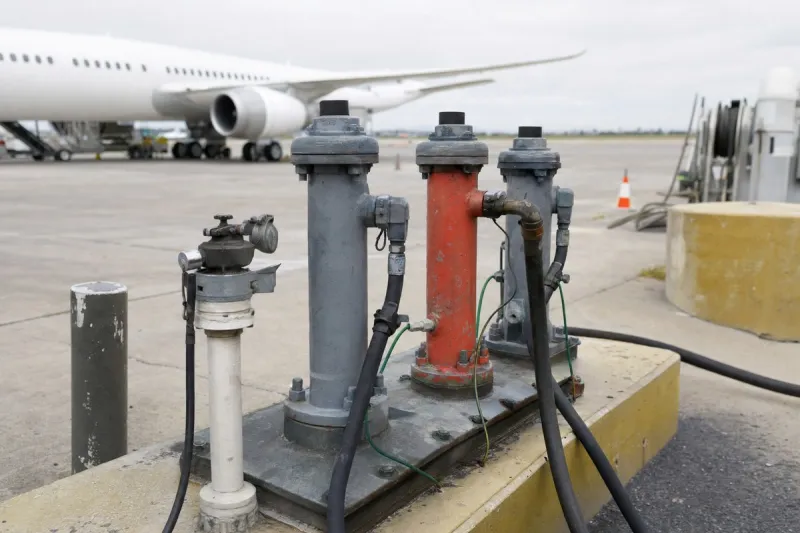
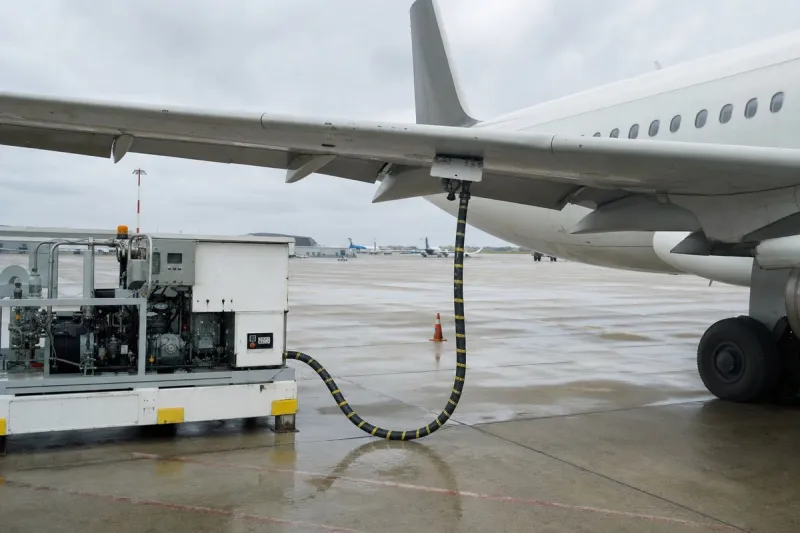
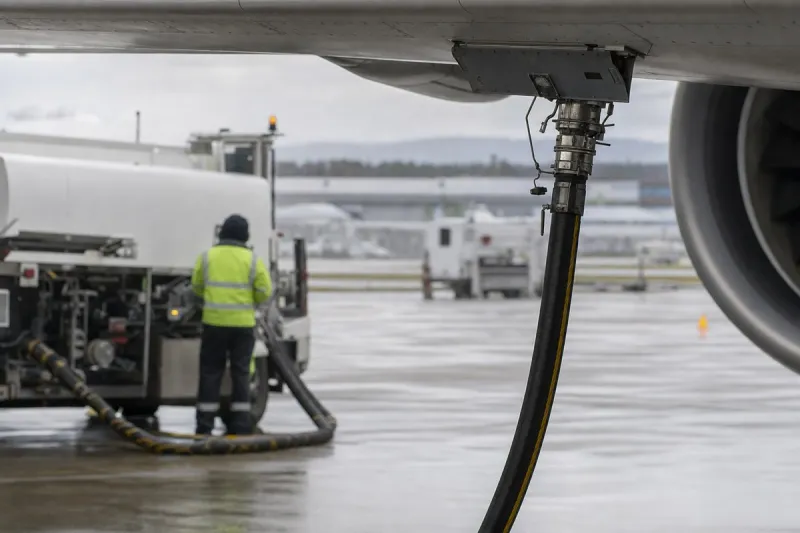
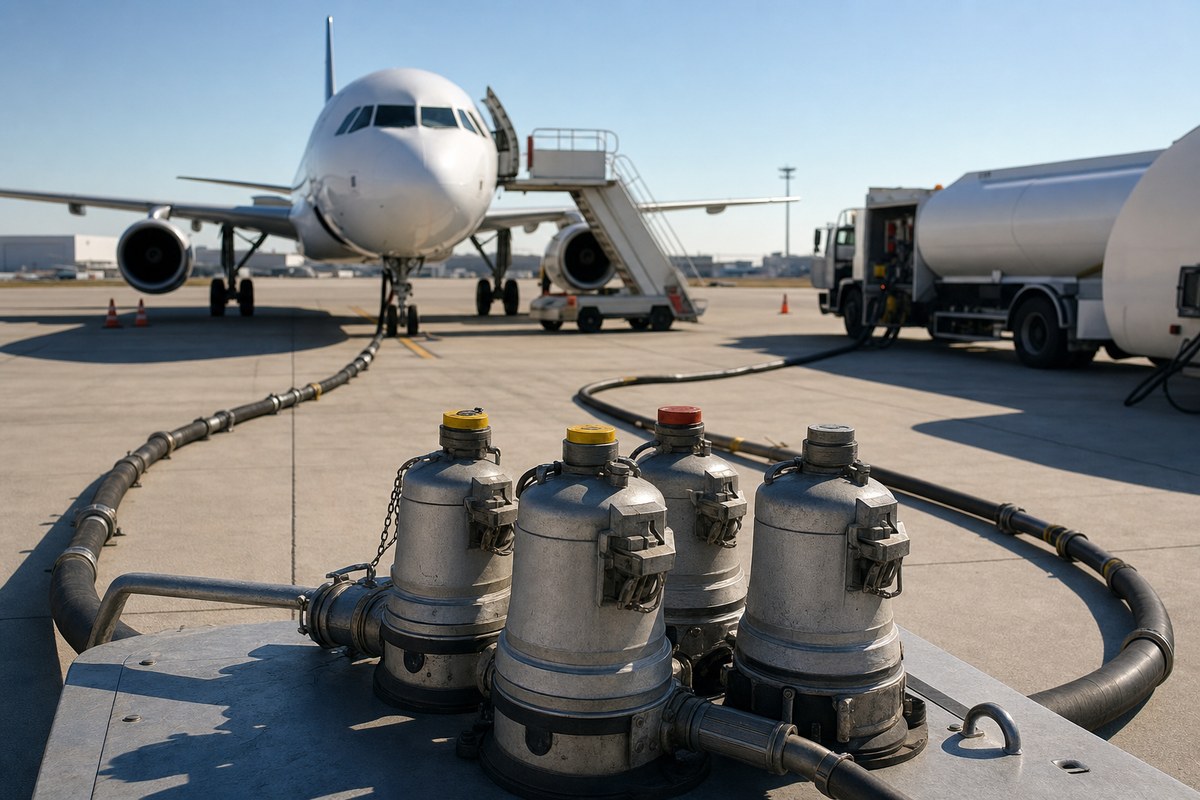
Jet fuel prices are expected to average $152 per barrel in 2026, nearly 70% higher than the $90 per barrel average in 2025, based on an assumed Brent crude price of $95 per barrel. Industry fuel costs are projected to rise nearly 40%, from $252 billion in 2025 to $350 billion in 2026. The crack spread is expected to average $57 per barrel, which IATA called an historic high, pushing jet fuel's share of operating expenses to 31.4% in 2026 from 25.4% in 2025. Middle East carriers are expected to post a collective net loss in 2026 amid weak demand and airspace disruptions linked to the regional conflict, while all other regions are expected to remain profitable at reduced levels. "War-related disruptions in the Middle East and rising fuel costs have shifted the outlook for airlines to the worse," said Willie Walsh, IATA's Director General. "Profits will shrink from $45 billion in 2025 to $23 billion this year. And margins will shrink from 4.2% to 2.0%. All airline bottom lines are suffering from the rapid 70% rise in jet fuel prices."
Passenger numbers are forecast at 5.1 billion, up 2.4% on 2025, with a passenger load factor of 84.0%, up from 83.5%. Passenger ticket revenues are projected at $839 billion, up 9.2% from $768 billion, with ticket yields growing 7%. Cargo revenues are forecast at $162 billion, up 7.2% from $151 billion, on volumes of 71.7 million tonnes, up 0.2%. Non-fuel costs are forecast at $767 billion, up 4.0%, with labor the largest component at $271 billion; airlines directly employ 3.33 million people. The global aircraft order backlog reached 18,100 in May 2026, up from 17,000 in 2024, representing more than 50% of the active fleet. GDP growth is projected at 2.5% in 2026, down from 3.4% in 2025, with inflation rising to 5.0% from 4.1% and world trade growth falling to 1.9% from 4.6%. CORSIA compliance costs are estimated at $1.2-1.6 billion, and SAF purchases are expected to reach $4.3 billion for 2.4 million tonnes, representing 0.8% of total fuel consumption.
Industry impact & what to watch
This forecast shows how a single input cost, jet fuel, can override revenue growth across an entire sector: industry revenue is still rising 9.4% but expenses are climbing 13%, so the gap between the two lines is where the profit forecast collapses. Airlines with only partial fuel hedges absorb spot price moves directly into margin, which is why IATA describes the hit as touching all airline bottom lines rather than a subset of carriers.
Regional exposure is not uniform: Middle East carriers face a projected collective net loss tied to weak demand and airspace disruption from the regional conflict, while other regions stay profitable but at thinner margins than previously forecast. That split shows how a localized conflict can reprice risk and capacity for an entire region's airlines even as the global aggregate remains positive.
The crack spread reaching an historic high of $57 per barrel, alongside a backlog of 18,100 aircraft against constrained lease capacity, points to where cost pressure could persist even if crude prices ease. How much of the fuel exposure remains unhedged into 2026, and whether Middle East airspace disruptions extend or resolve, will shape whether this proves a one-year dip or a longer repricing of airline economics.