London Gatwick Airport Briefly Closed After Norse Atlantic Boeing 787-9 Aborts Takeoff on Runway 26L
Why It MattersThe episode shows how a single-runway hub concentrates disruption from one rejected takeoff into region-wide diversions and delays across nearby airports.
What happened
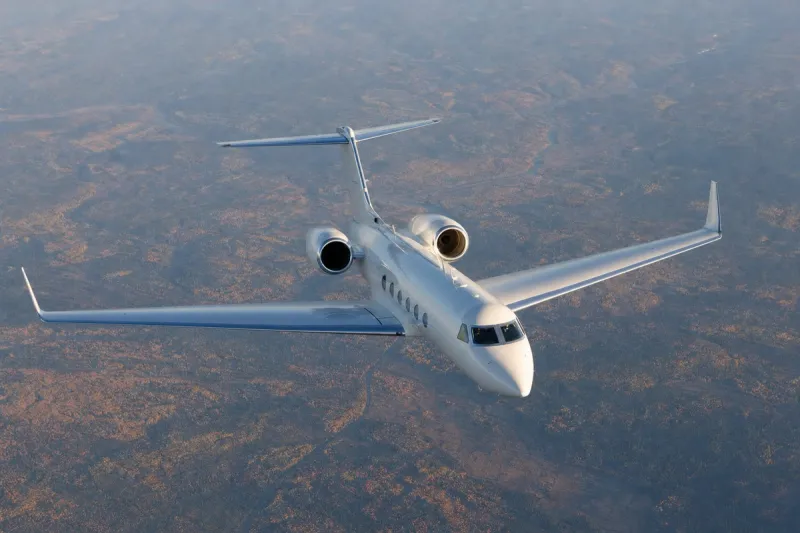
A Norse Atlantic Airways Boeing 787-9 Dreamliner, registration G-CKOF, rejected its takeoff roll on runway 26L at London Gatwick Airport while operating flight Z0701 to New York's John F. Kennedy International Airport. The aborted takeoff forced a ground stop at Gatwick, which relies on a single main runway for operations.
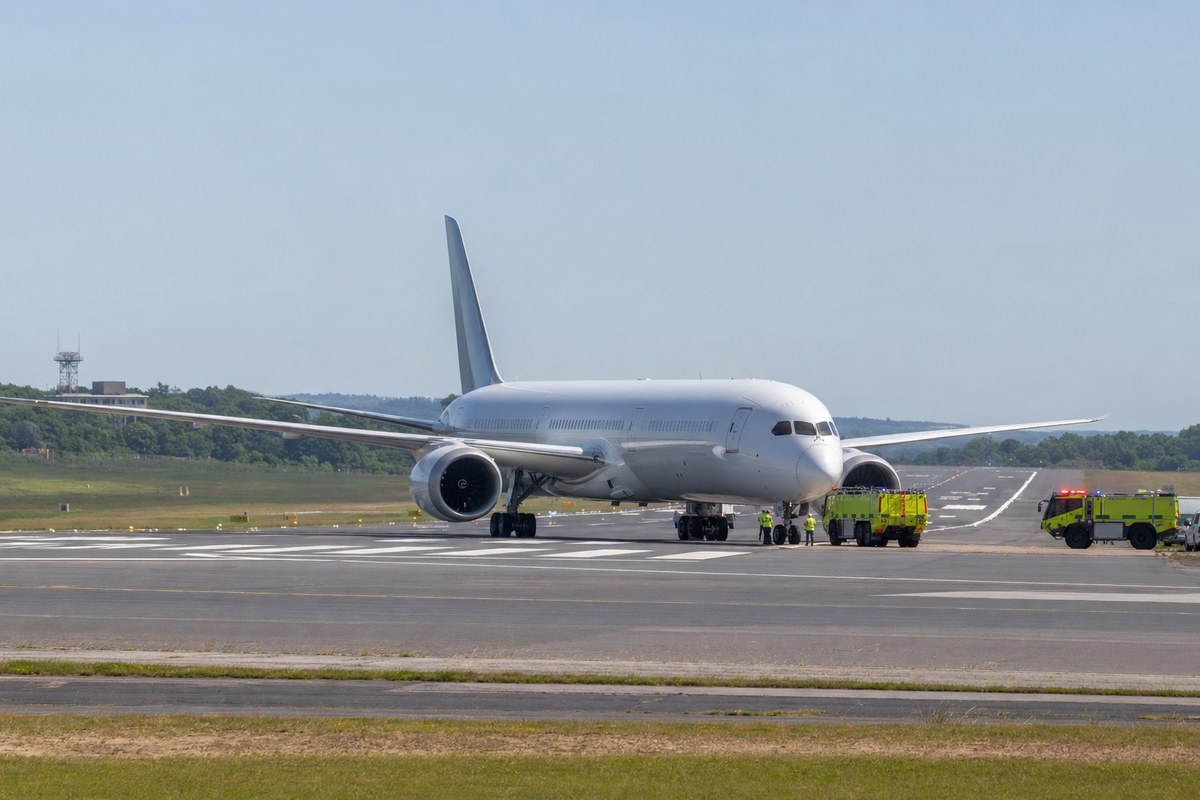
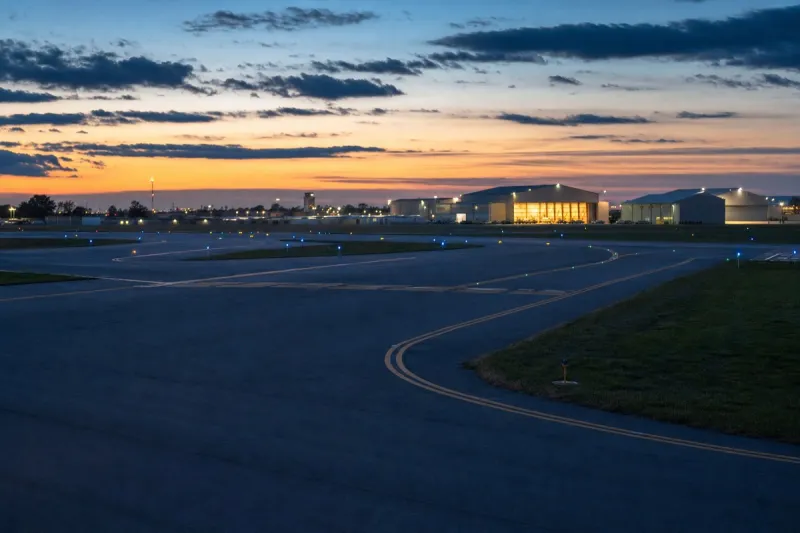
Emergency response vehicles were dispatched to the far end of runway 26L to reach the widebody jet and assess the situation. Numerous incoming EasyJet flights were diverted to London Luton and London Stansted airports as delays spread across the region. Airport authorities conducted a safety inspection of runway 26L to check for debris before clearing it for normal operations.
By approximately 14:30 BST, the 787-9 had taxied to a remote stand, and flight operations on runway 26L resumed at approximately 14:36 BST. Passengers travelling through Gatwick were advised to check their flight status with their airlines, with knock-on delays expected throughout the remainder of the day.
Industry impact & what to watch
Rejected takeoffs are a trained emergency procedure, and crews are drilled to stop safely within the runway distance available; the immediate priority after such an event is always inspecting the surface for debris or damage before reopening it to traffic. What sets this event apart is not the takeoff abort itself but where it happened.
Gatwick's single-runway design means any blockage, however brief, has no parallel runway to absorb overflow traffic, so the ground stop cascaded into diversions at Luton and Stansted and delays across the wider London airspace within minutes. That dependency is the structural feature the industry watches at single-runway hubs: one disabled aircraft can ripple into a multi-airport disruption event far larger than the original incident.
Whatever caused the rejected takeoff has not been disclosed, and any findings on the cause would come from Norse Atlantic Airways or the relevant investigating authority rather than from the immediate operational response already completed.