US Iran Sanctions Dubbed 'Economic D-Day' Raise Aviation and Travel Risks Across Gulf Region
Why It MattersWhen Gulf maritime tensions rise, carriers absorb the cost through longer routings, higher fuel surcharges and pricier insurance rather than through outright route cancellations.
What happened
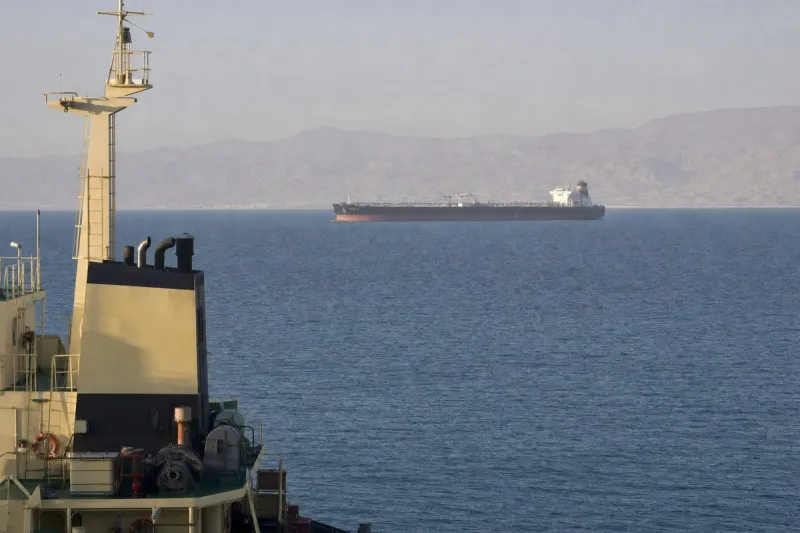
The United States has tightened economic sanctions on Iran in a campaign described as an 'Economic D-Day,' introducing new geopolitical risks for travel and tourism across the Gulf region. Bahrain, the United Arab Emirates and Oman face potential flight route adjustments and rising aviation insurance costs tied to heightened regional maritime tensions.
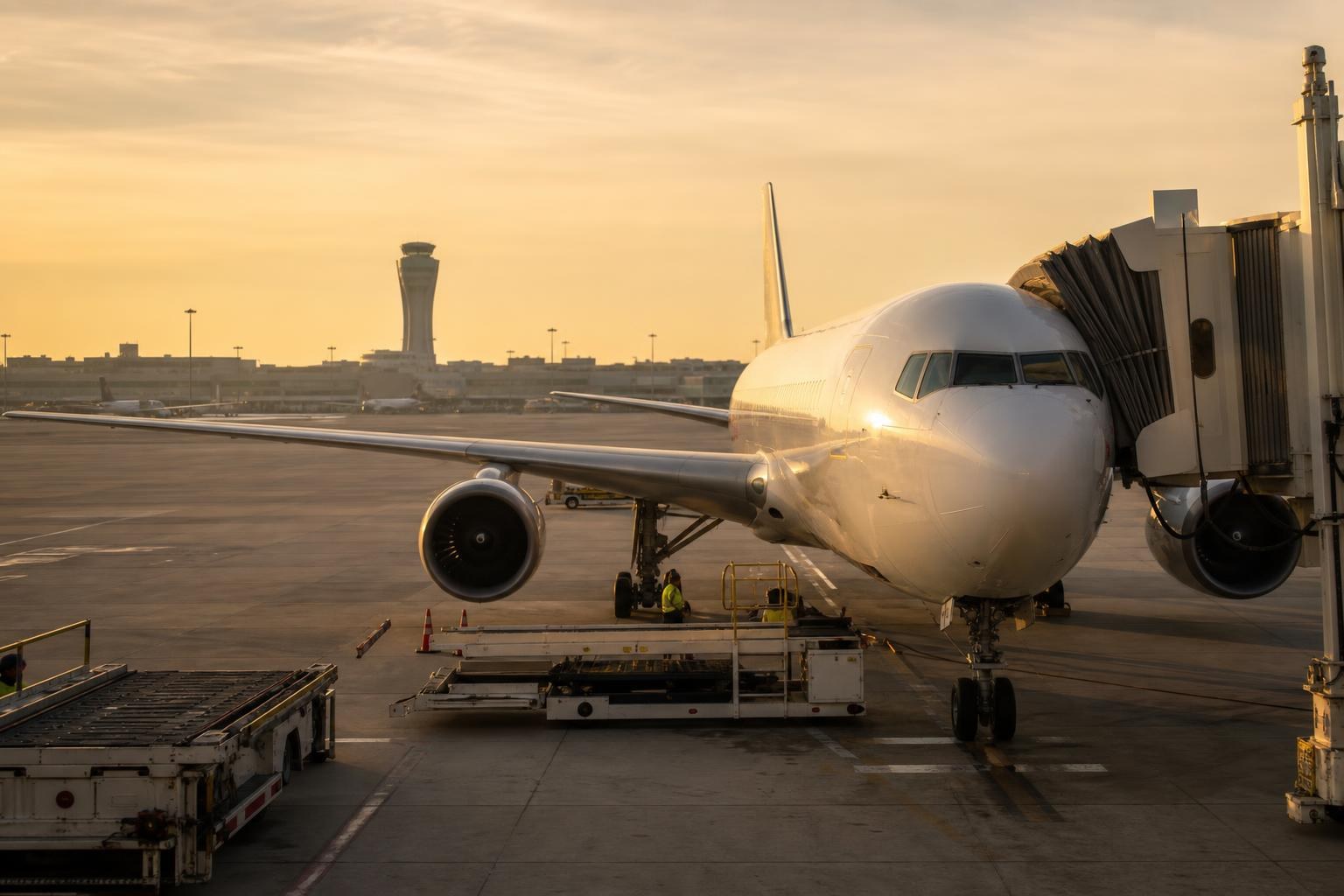
The UAE, centered on Dubai and Abu Dhabi, faces exposure to disruptions in airline passenger confidence and airspace corridors. Oman, which borders the Strait of Hormuz, is identified as a diplomatic mediator coordinating discussions aimed at ensuring safe vessel movement through regional waters. Bahrain faces pressures related to business conferences and global aviation corridors, while Qatar's liquefied natural gas transportation routes and Saudi Arabia's Vision 2030 tourism ambitions are also cited among the affected sectors.
Iranian Foreign Minister Abbas Araghchi has publicly rejected the sanctions, stating that pressure campaigns will not deliver political results. Analysts note that airlines are adjusting flight paths and cruise operators are reviewing Gulf itineraries in order to maintain passenger safety.
Industry impact & what to watch
This is a case of a geopolitical sanctions campaign translating into operational risk for a transit corridor that airlines, cruise lines and energy shippers all depend on simultaneously, rather than a single carrier or route being singled out.
Gulf carriers and those overflying the region typically manage this kind of pressure through incremental adjustment: lengthening routings around contested maritime zones, passing added fuel costs through as surcharges, and letting insurers reprice hull and war-risk cover as tensions shift, all without suspending service outright. The Strait of Hormuz's role as a corridor linking Europe, Asia, Africa and the Americas means airspace decisions there ripple into fuel planning and passenger scheduling well beyond the countries bordering it.
What happens next depends on whether Oman's mediation efforts secure safe vessel passage or whether maritime incidents escalate; either outcome will show up first in insurers' war-risk pricing and in whether airlines quietly reroute around the strait rather than through it.