Bluetail Uses AI to Convert Paper Aircraft Maintenance Records into Searchable Intelligence
Why It MattersDigitising decades of paper maintenance records could shift fleet compliance and inspection prep from reactive paperwork chases toward searchable, data-driven review across an operator's whole fleet.
What happened
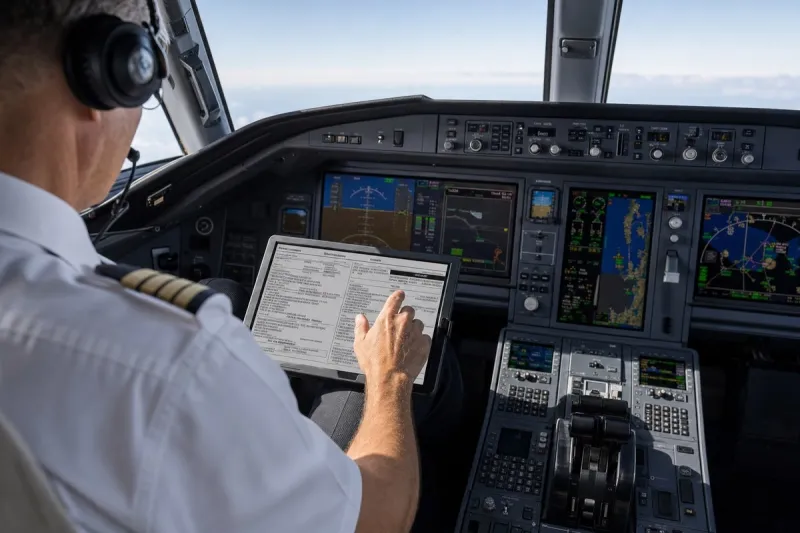
Bluetail, a company co-founded by Roberto Guerrieri, a former US product marketing manager at Apple, is using artificial intelligence to digitise and extract intelligence from paper aircraft maintenance records. Guerrieri describes aircraft records as "the DNA and life story of an aircraft," but says that information is often inaccessible in its raw paper form. The process starts with onsite scanning carried out by experienced aviation professionals, including retired aviation personnel, before proprietary AI extracts structured data from the scanned documents.
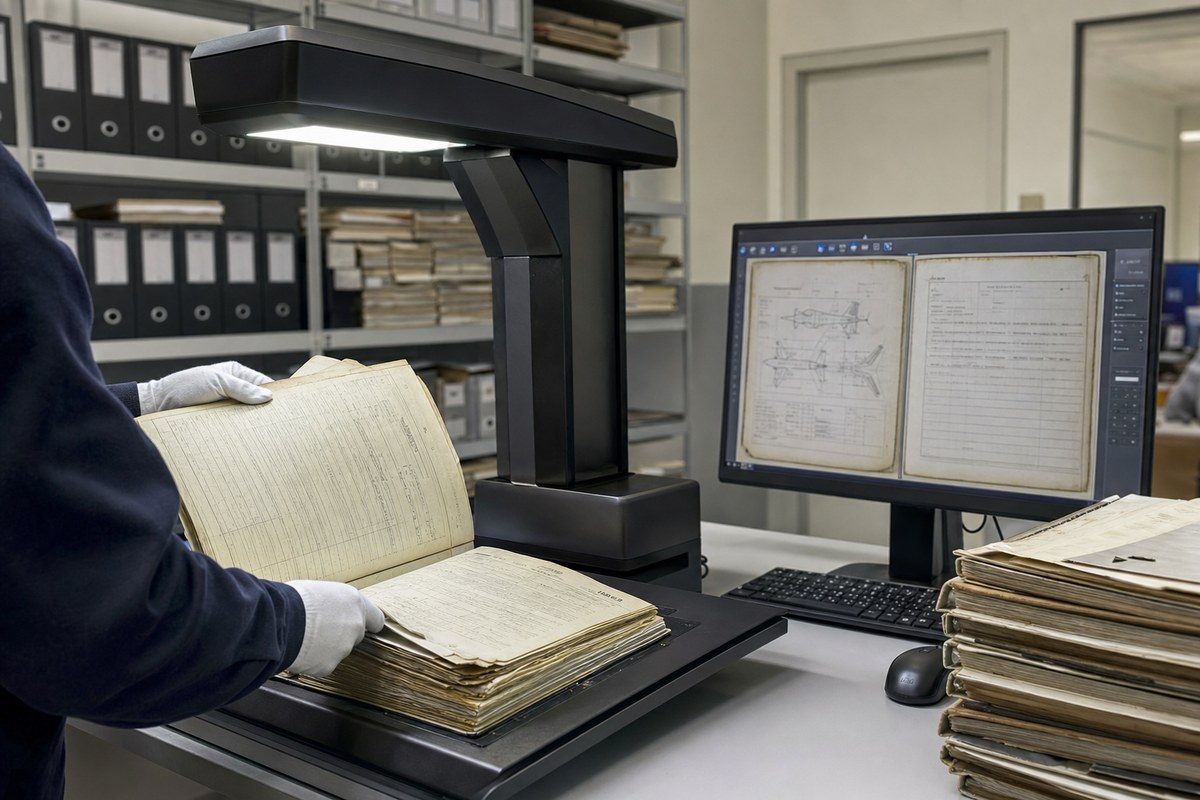
Bluetail has accumulated more than 30 million records in its database. Training of its large language model began roughly two years ago with 200,000 documents and reached 77% accuracy. That figure rose to about 86% at 300,000 documents, a level Guerrieri said was still not sufficient for aviation use. Six months before the interview, accuracy reached 94%, and the system has since climbed to 97%, with Guerrieri saying the number keeps rising. The platform also uses user feedback to keep training the model.
Bluetail says its differentiator against generic document-AI tools is that its workflows and data models are built around the specific questions aviation maintenance professionals need answered, an approach Guerrieri credits to principles he developed at Apple. Cited use cases include operators preparing for Part 135 certification comparing approved checklists against an aircraft's historical records to find gaps, and pre-inspection reviews that give maintenance teams visibility into potential issues before an aircraft reaches an MRO facility. Guerrieri calls the underlying problem "fear of finding out" (FOFO) — operators avoiding record searches out of uncertainty about the time and cost of what they might uncover. The platform is described as most valuable for operators managing four or more aircraft, consolidating fleet-wide compliance research, inspection prep, damage-history research and conformity work. Bluetail is now expanding from the United States into Europe, the Middle East and Asia-Pacific.
Industry impact & what to watch
This case sits within a broader push to apply AI to unstructured aviation paperwork, where records accumulated over decades in paper form have long resisted search and cross-referencing. Maintenance compliance work has traditionally depended on manual review by technicians and inspectors paging through logbooks, so an accuracy curve moving from 77% to 97% over roughly two years marks a specific, measurable claim about how close such systems are getting to operational reliability.
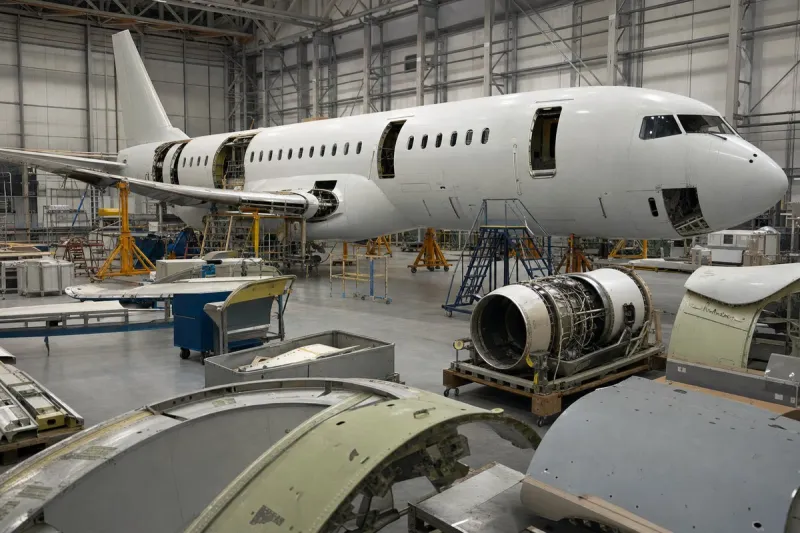
Fleet operators, brokers evaluating aircraft for purchase, and MROs preparing incoming inspections all depend on the same underlying records; a tool that can query them at scale changes how quickly compliance gaps or damage history surface, particularly for operators with four or more aircraft where fleet-wide research has been the most labor-intensive. The FOFO framing Guerrieri describes points to a real incentive problem in the segment: operators may delay searching their own records precisely because uncertainty feels cheaper than confirmed findings.
What happens next depends on adoption data from Bluetail's expansion into Europe, the Middle East and Asia-Pacific, and on whether accuracy figures continue to be reported as the training set grows beyond 30 million records.