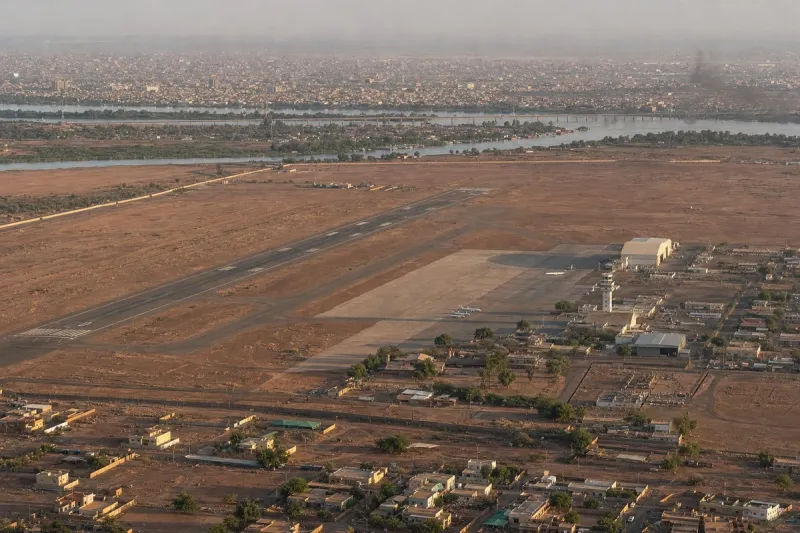
Boise Airport Air Traffic Control Tower Evacuated After Smoke Odor; FAA Investigates, 30-Minute Delays Expected
Why It MattersThe episode shows how airports maintain arrivals and departures through backup procedures even when a control tower is evacuated, limiting disruption to delays rather than closures.
What happened
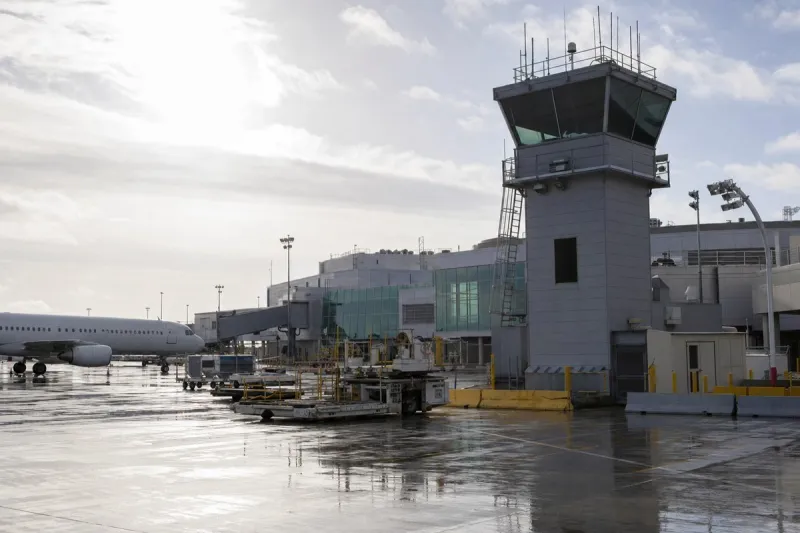
Boise Airport's air traffic control tower was evacuated at approximately 2:30 p.m. as a precaution after staff reported a smoke odor inside the facility. No active fire was found during the response.
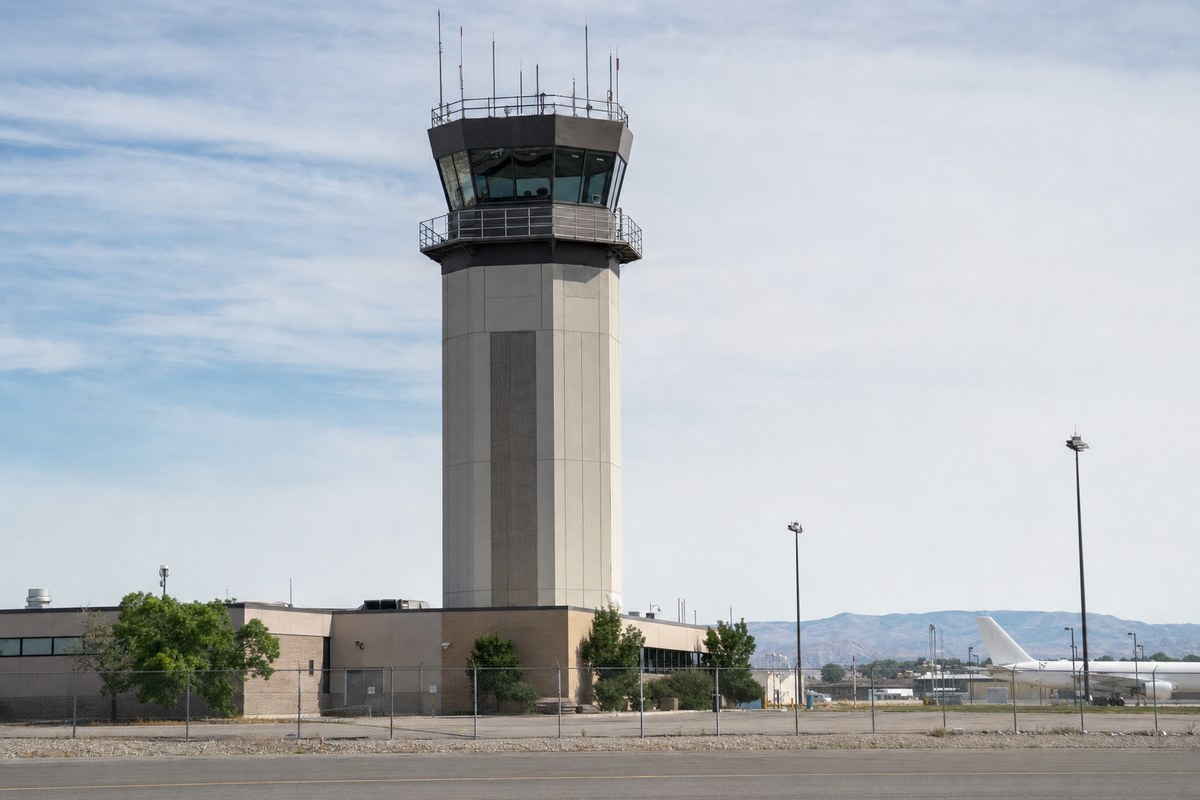
The Federal Aviation Administration has dispatched a team to investigate the source of the odor. Aircraft are still permitted to arrive at and depart from Boise Airport while that investigation continues, though passengers should expect delays of approximately 30 minutes.
Industry impact & what to watch
Smoke or odor reports inside operational facilities trigger precautionary evacuations as a matter of course, even absent confirmed fire, because the safety cost of ignoring a false alarm is far higher than the operational cost of a temporary disruption. Keeping the tower's control functions running, or shifting to contingency procedures, so aircraft can keep arriving and departing during the check is what separates a brief delay from a ground stop.
The next marker is what the FAA's team reports about the source of the odor, since that finding will determine whether this closes out as a minor facility issue or prompts further inspection of the tower's systems.