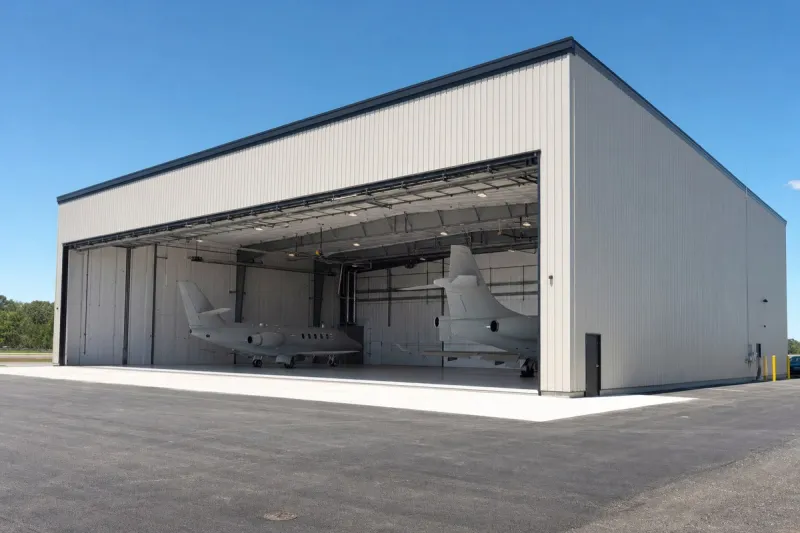
Atatürk Airport (ISL) Has No Passenger Flights in 2026; Istanbul Airport (IST) and Sabiha Gökçen (SAW) Serve All Scheduled Services
Why It MattersThe case shows how a former hub can keep meaningful non-scheduled activity years after commercial service ends, leaving business-aviation and state traffic without a clear long-term operating plan.
What happened
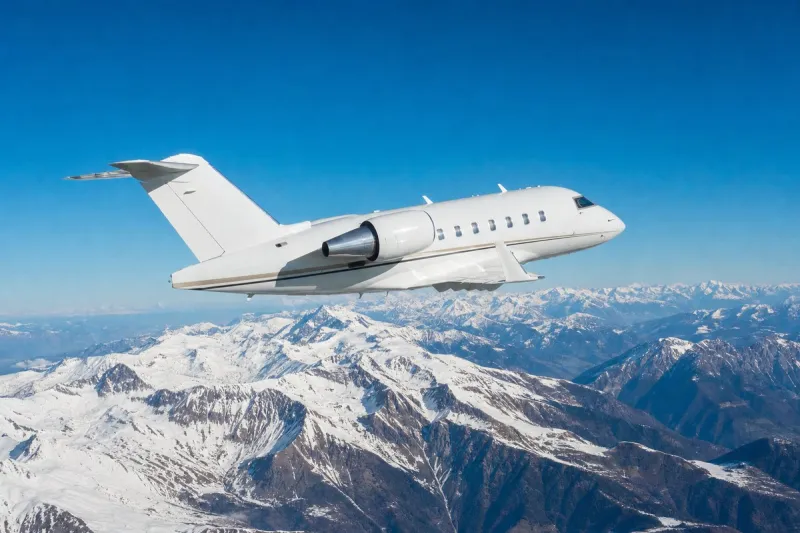
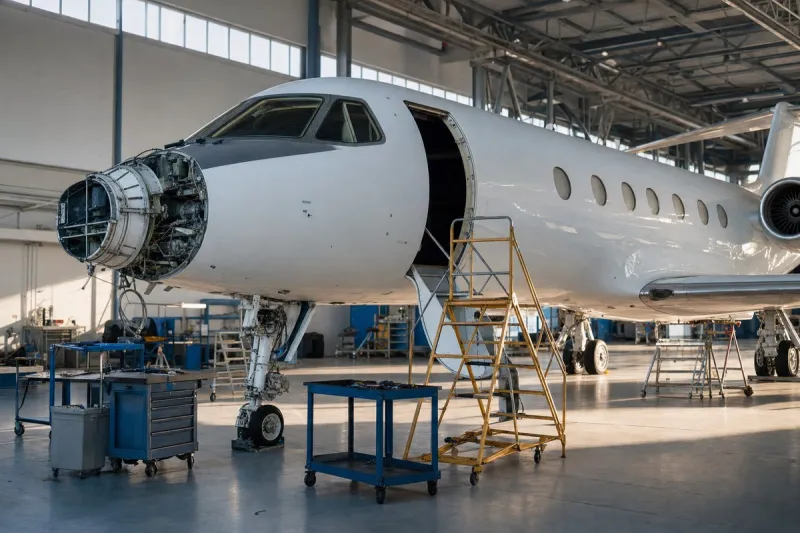
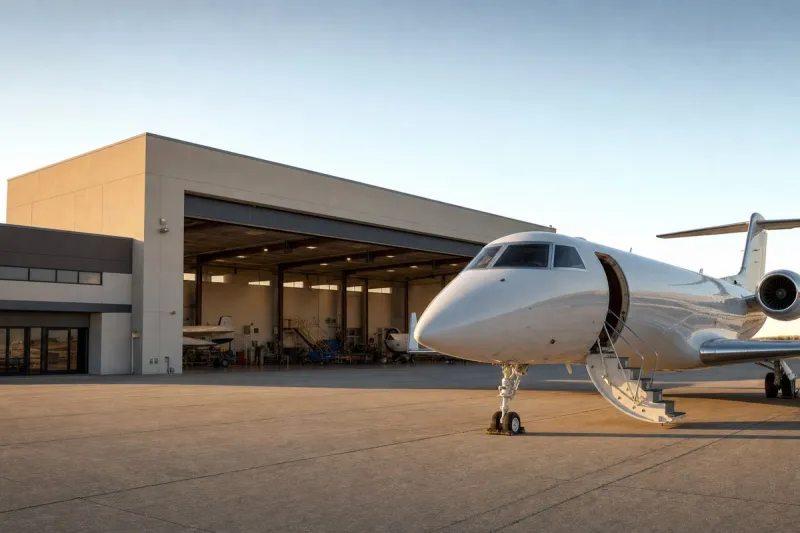
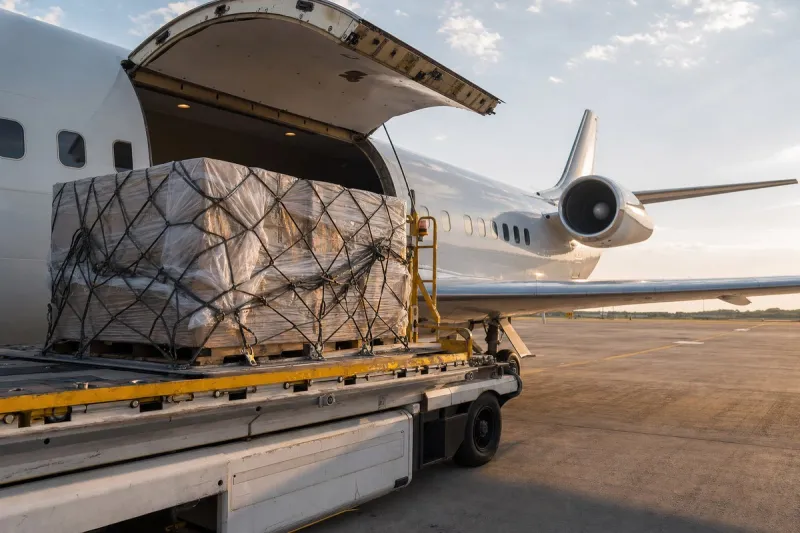
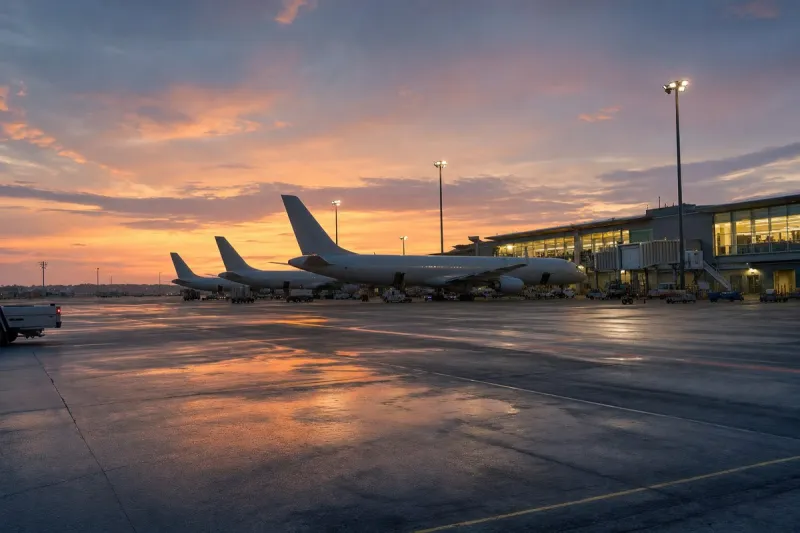
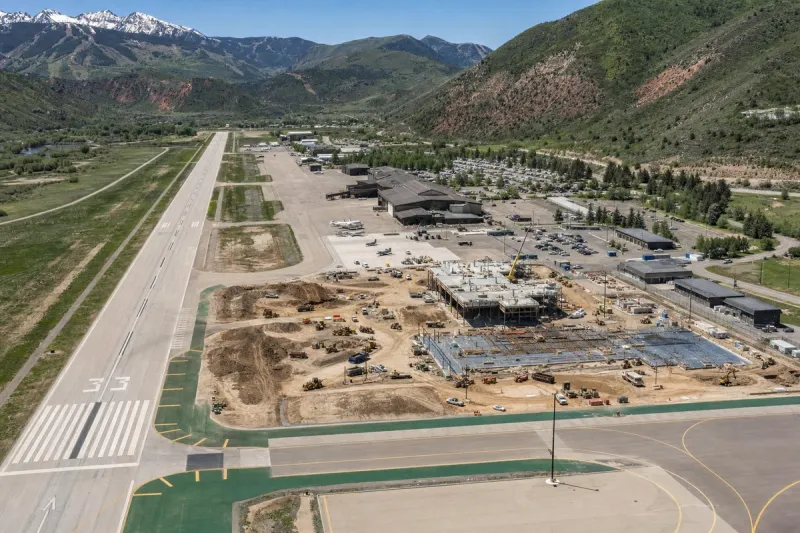
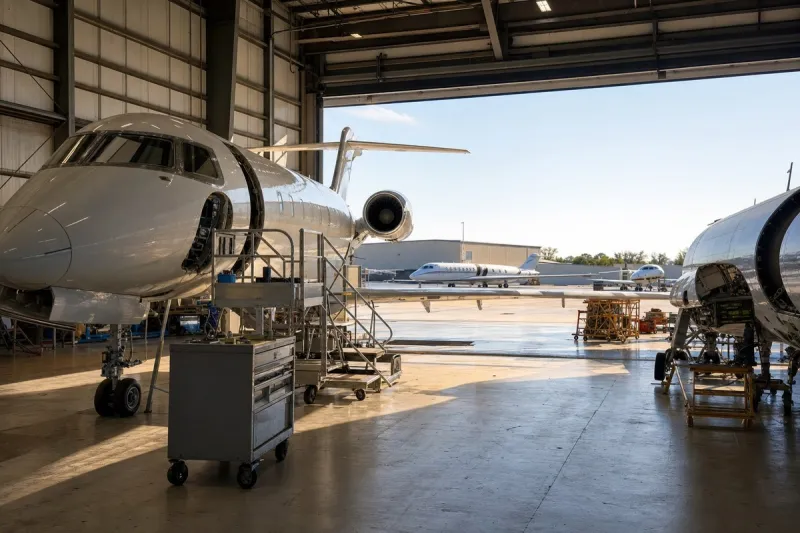
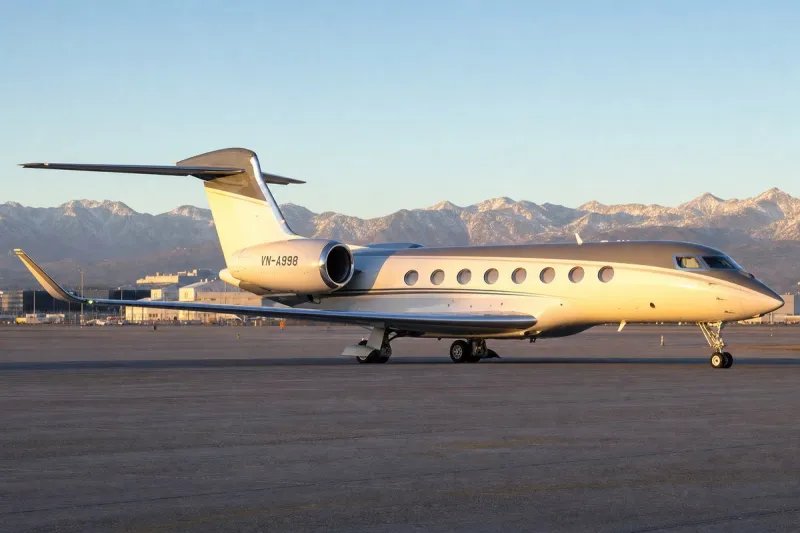
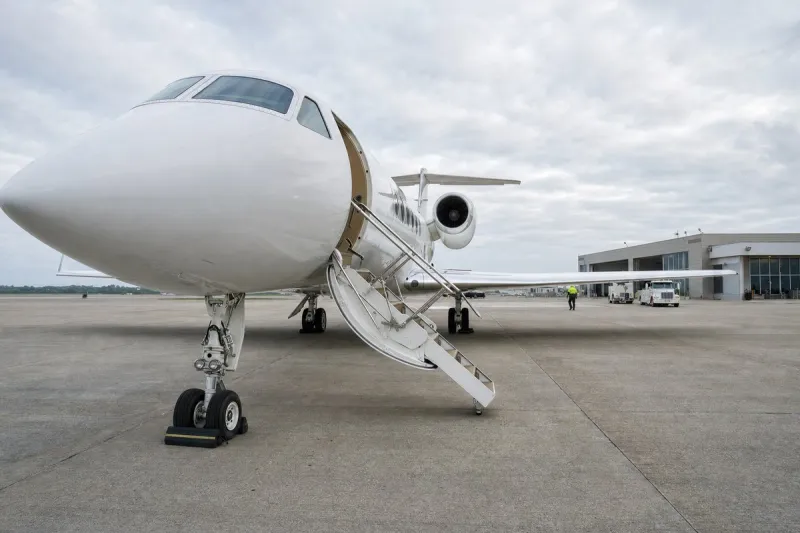
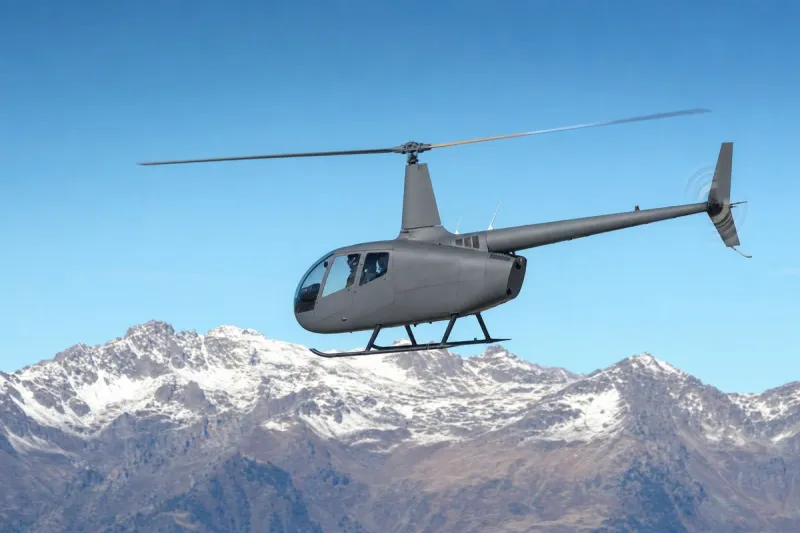
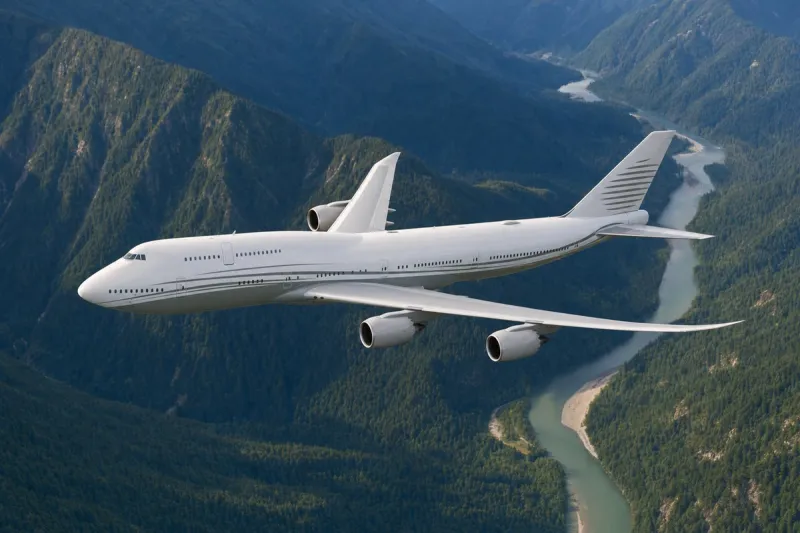
Atatürk Airport in Istanbul, now coded ISL, handled no scheduled passenger or cargo flights in 2026, according to figures from Turkish airports authority DHMİ covering January to August, which recorded 17,903 aircraft movements made up of business jets, private jets, and state and military flights. All passenger services had transferred to the new Istanbul Airport on 6 April 2019 in an operation called the "Great Move," when the last scheduled departure, Turkish Airlines flight TK54 to Singapore, left Atatürk; the IST code moved with the flights to the new facility in Arnavutköy. Cargo operations followed in February 2022, when Turkish Cargo relocated all freight flights to Istanbul Airport.
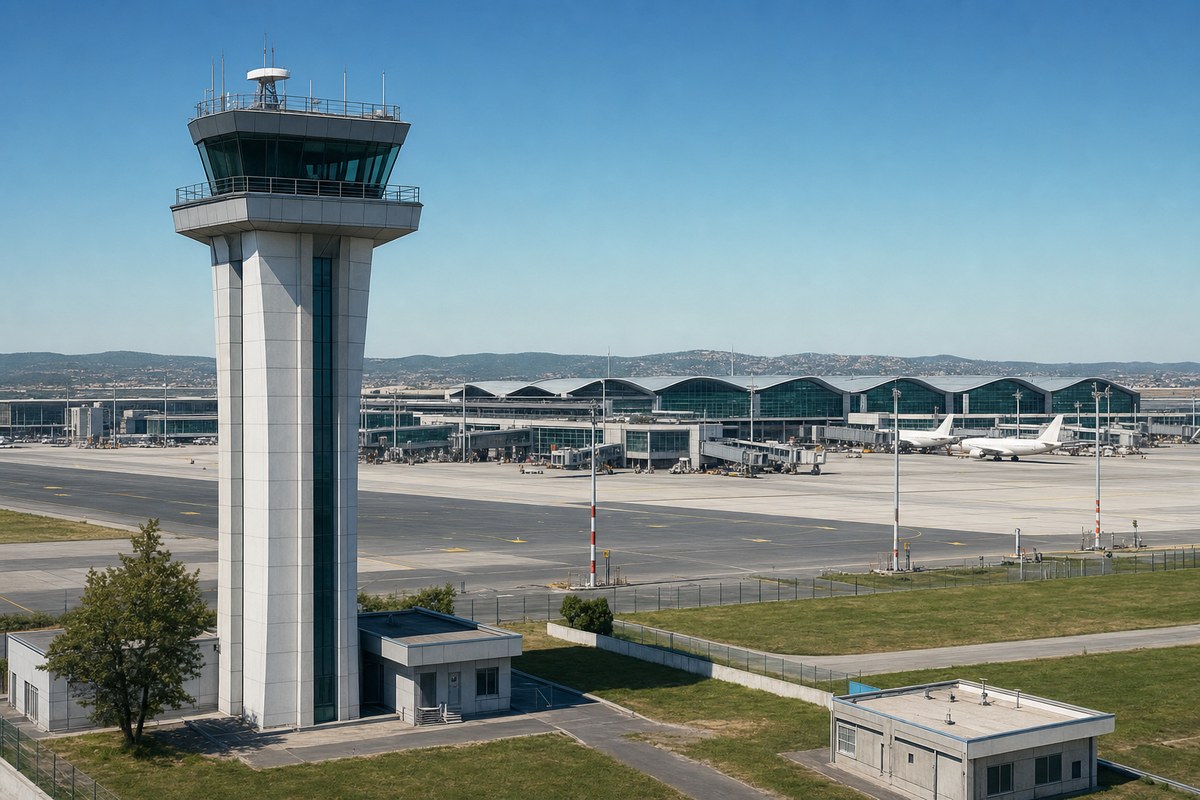
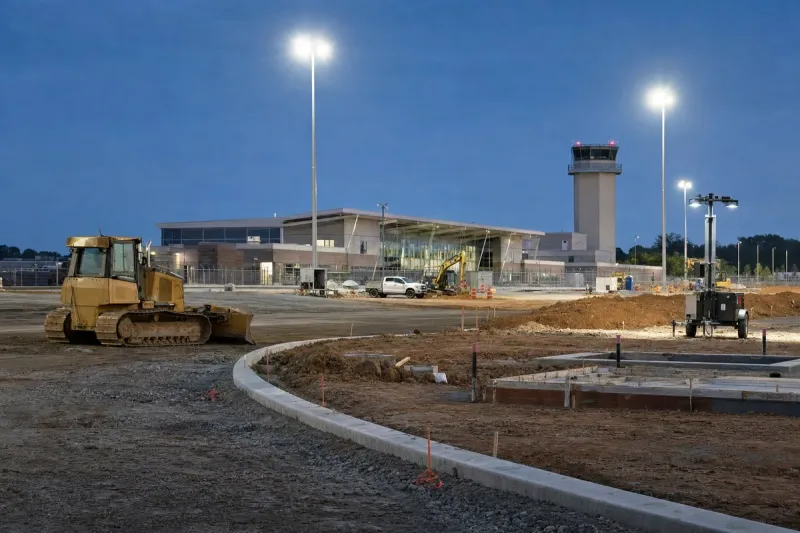
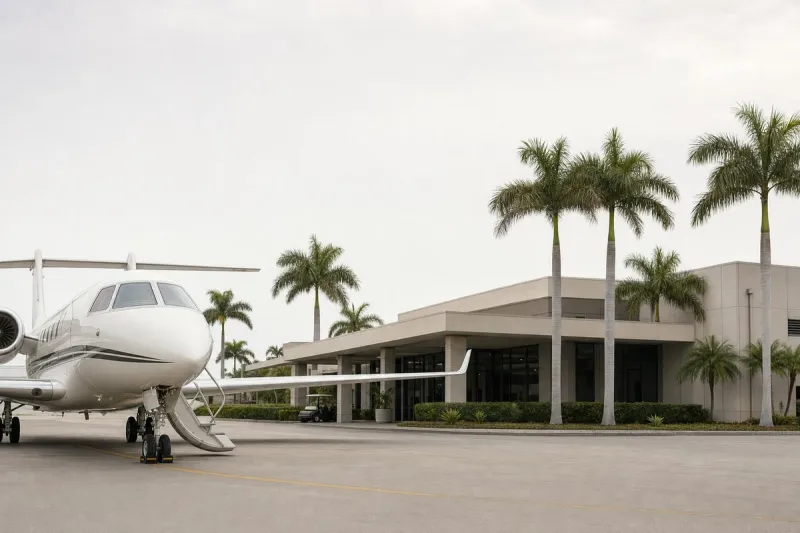
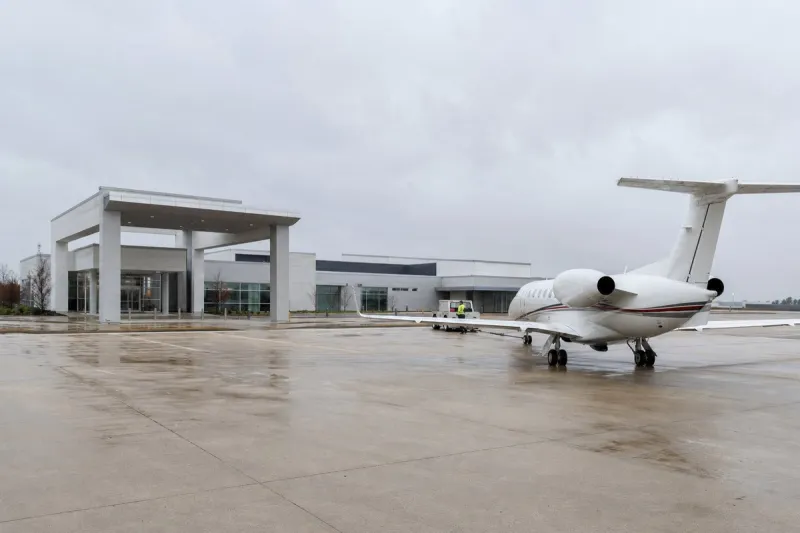
Part of the former Atatürk airfield is now the Atatürk Havalimanı Millet Bahçesi, a public park of approximately 174 hectares that officially opened on 1 November 2025. The M1A metro line still terminates at a station named Atatürk Havalimanı, though no passenger flights depart from the site. Since 5 May 2026, Istanbul Airport has operated a dedicated VIP and business-aviation terminal. No announcement has been made about relocating the remaining business-aviation, private and state/military traffic from Atatürk.
Travellers holding IST tickets fly into Istanbul Airport, about 43 km by road from Taksim, while those with SAW tickets use Sabiha Gökçen Airport on the Asian side, also approximately 43 km from Taksim. Istanbul Airport is Turkish Airlines' hub and is used by most foreign carriers; Pegasus and AJet are based at Sabiha Gökçen. Private transfers to Taksim are priced from €44 per vehicle from IST and from €57 per vehicle from SAW, with fares fixed at the time of booking. Metro access to Istanbul Airport is via the M11 line from Gayrettepe or Kağıthane.
Industry impact & what to watch
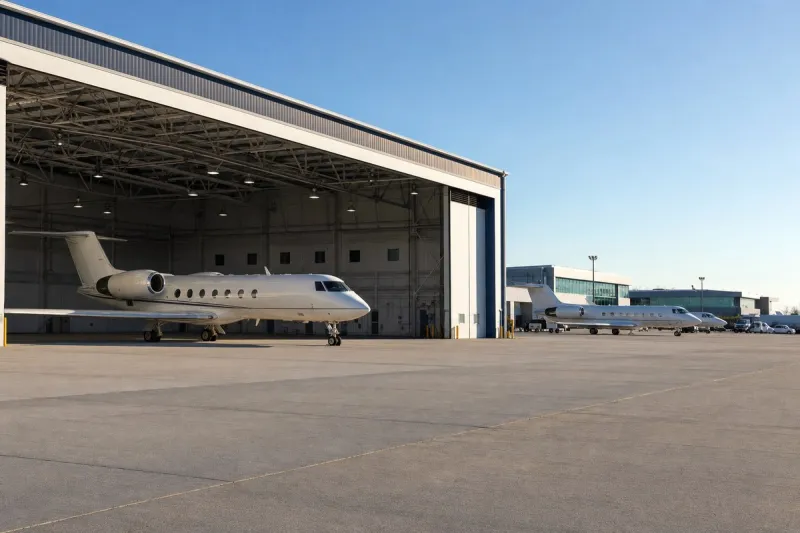
This case illustrates how a decommissioned commercial hub can retain a distinct operational afterlife: scheduled passenger and cargo traffic can be moved in full, as happened with the 2019 and 2022 relocations, while business jets, private aircraft, and state or military flights continue using the old field without being folded into the same migration plan. The 17,903 movements logged at Atatürk in the first eight months of 2026 show that this residual activity is not negligible even years after the main transfer.
For business and general aviation, this pattern highlights how VIP and private traffic often sits outside the scheduling logic that governs airline networks, since it is not tied to published timetables or codeshare agreements and can persist at a legacy site even as a new dedicated terminal, such as the one Istanbul Airport opened on 5 May 2026, becomes available nearby. Ground infrastructure, including the M1A metro terminus still named for the old airport, can likewise continue operating independently of flight activity.
What remains to be seen is whether DHMİ or Turkish authorities issue any formal plan to consolidate the business-jet, private, and state/military movements at Atatürk into the new VIP terminal at Istanbul Airport, or whether the two sites continue operating in parallel indefinitely.