UTM Networks and eVTOL Air Taxis Advance in US, China, UK and South Korea as Urban Air Mobility Builds Toward Commercial Operations
Why It MattersProgress across four major markets signals urban air mobility is shifting from isolated trials toward a multi-jurisdiction regulatory and infrastructure buildout ahead of commercial eVTOL service.
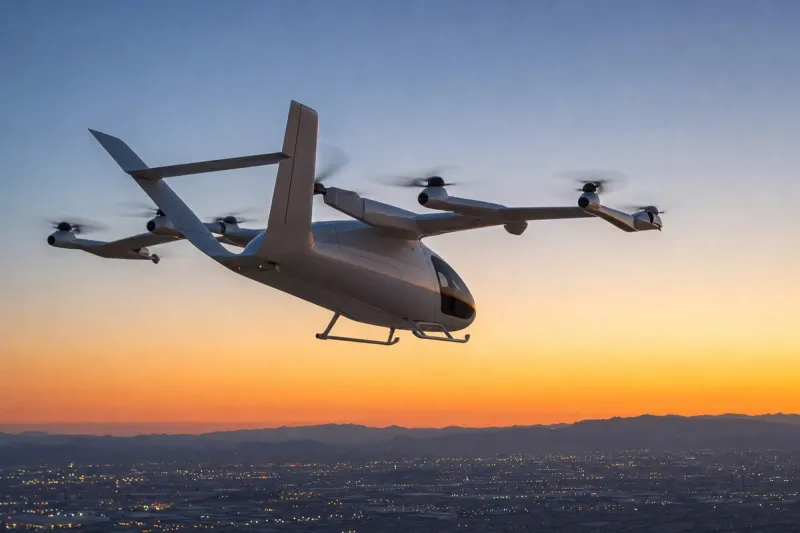
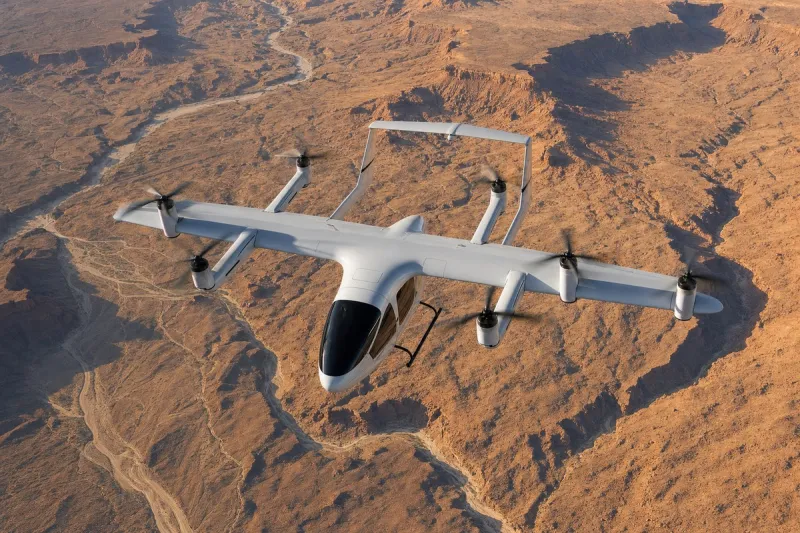
Advanced Air Mobility and Unmanned Traffic Management networks are progressing in the United States, China, the United Kingdom, and South Korea as regulators and developers work to integrate eVTOL air taxis into congested urban airspaces, with authorities in all four countries testing automated low-altitude conflict detection systems and vertiport infrastructure. In the United States, the Federal Aviation Administration is developing regulatory frameworks and airspace integration blueprints, with Joby Aviation and Archer Aviation advancing through final commercial airworthiness certification phases and targeting airport-to-city-center shuttle routes. In China, the Civil Aviation Administration of China and manufacturer EHang have established low-altitude economy pilot zones focused on autonomous passenger operations.
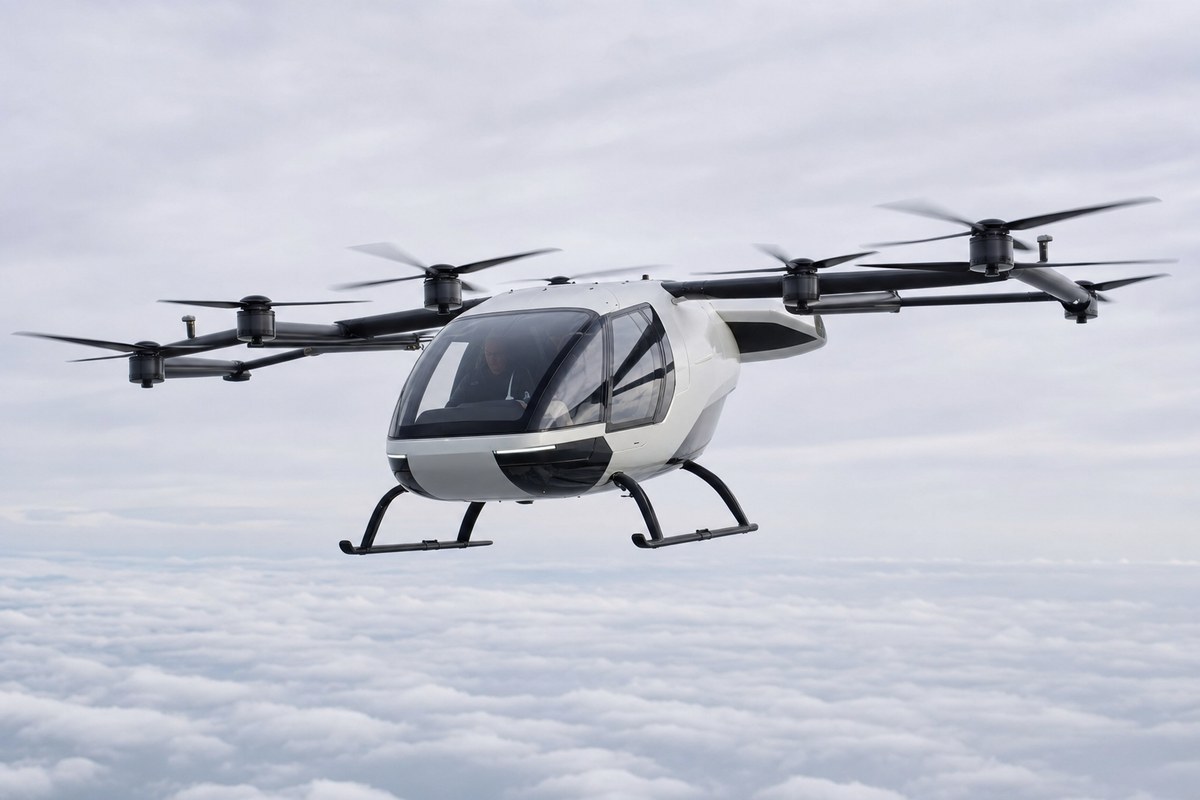
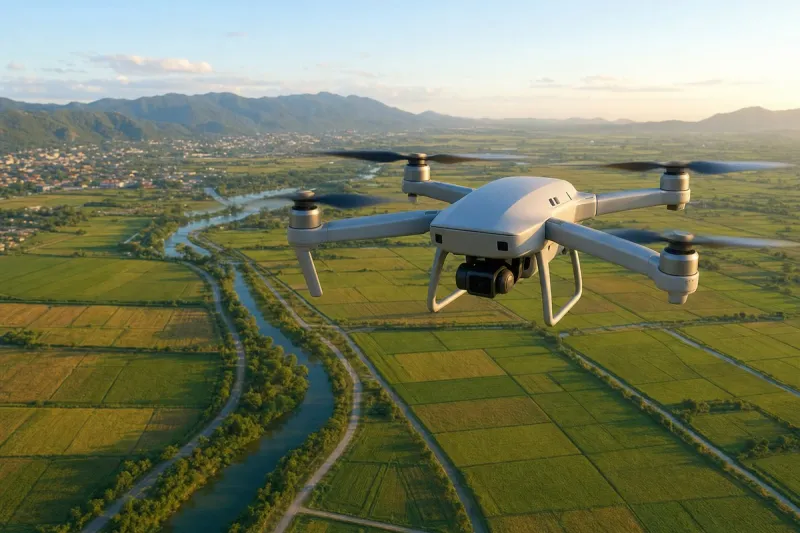
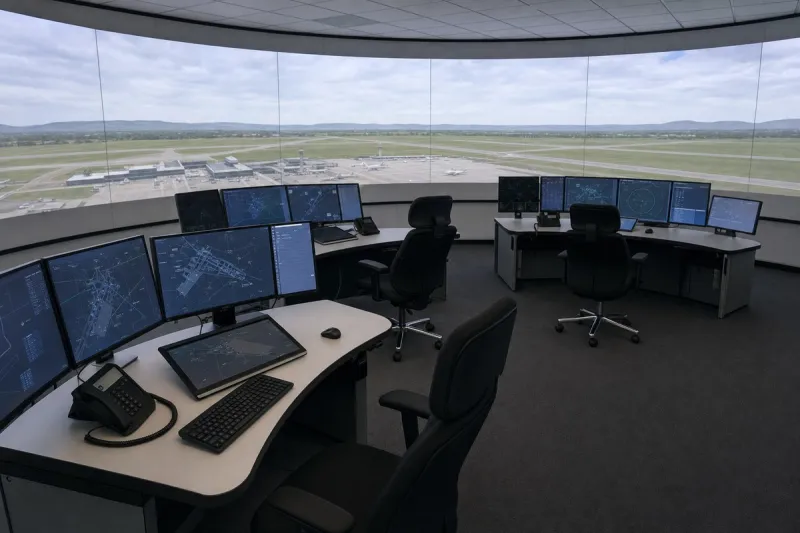
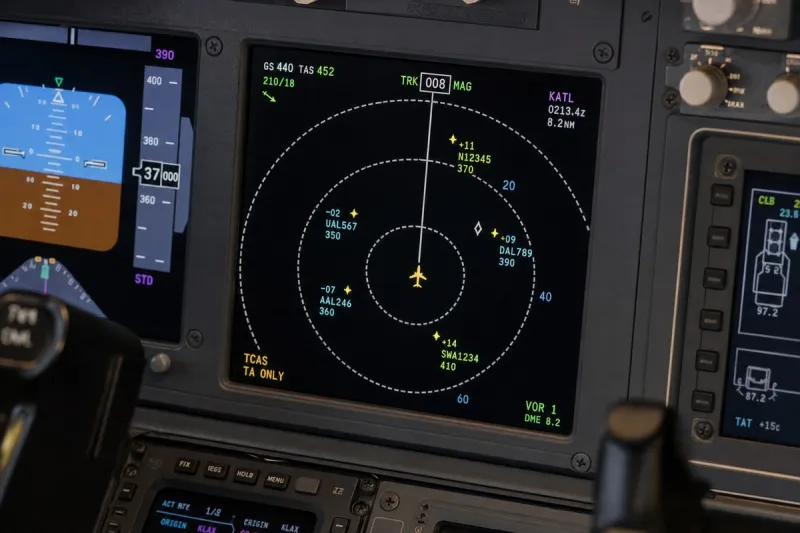
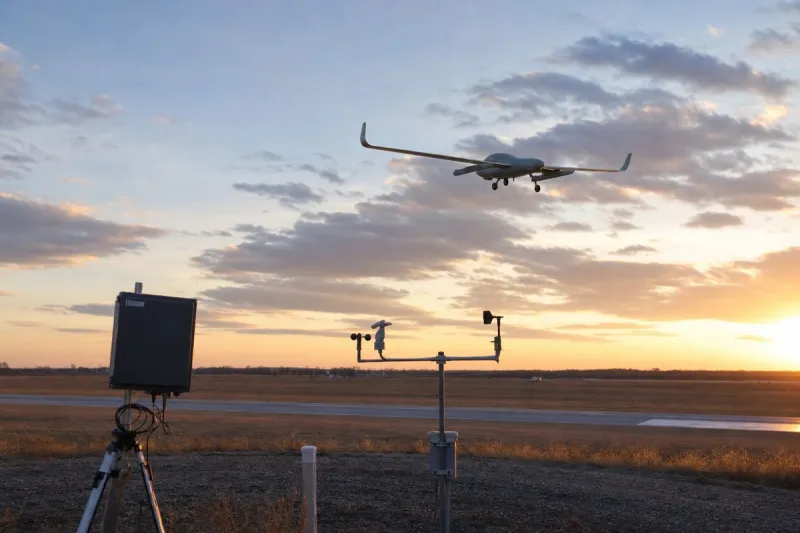
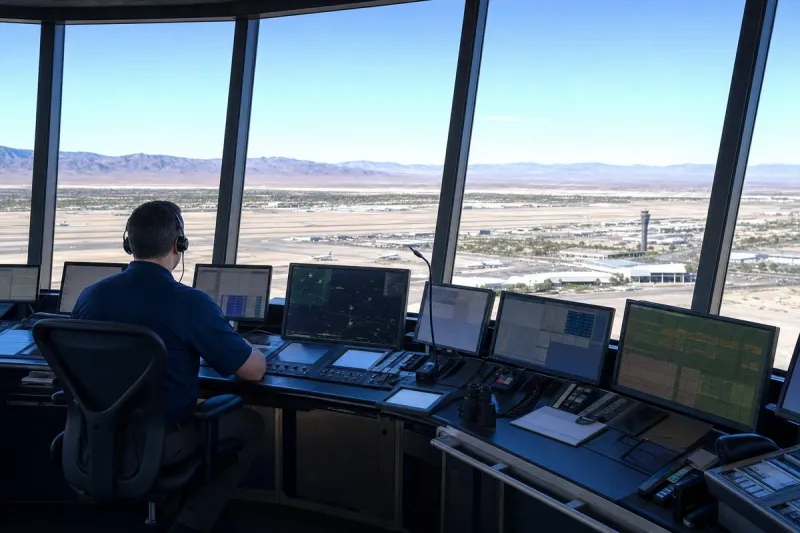
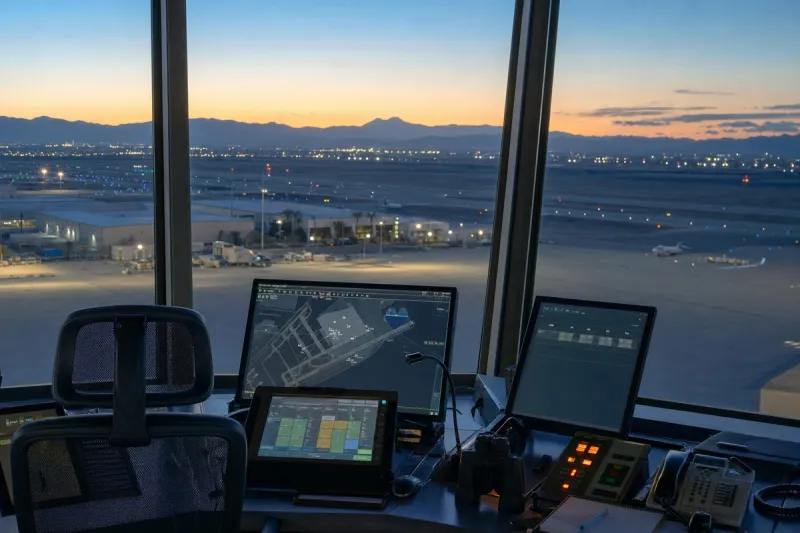
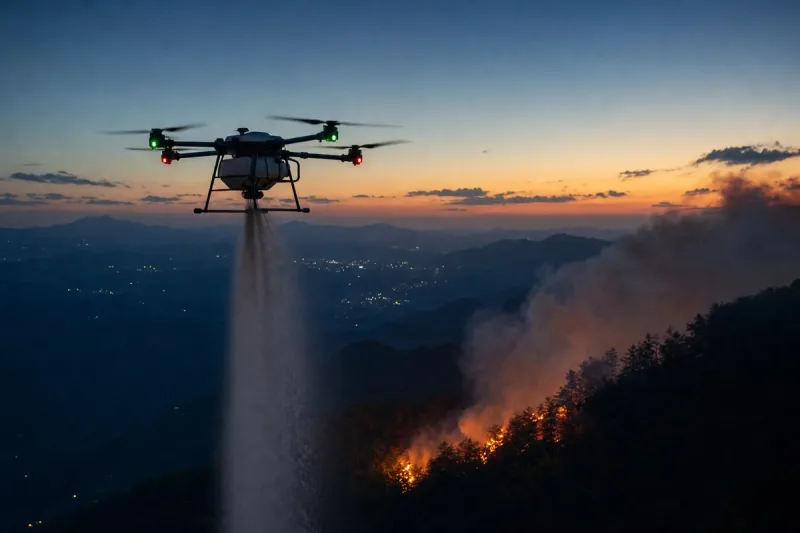
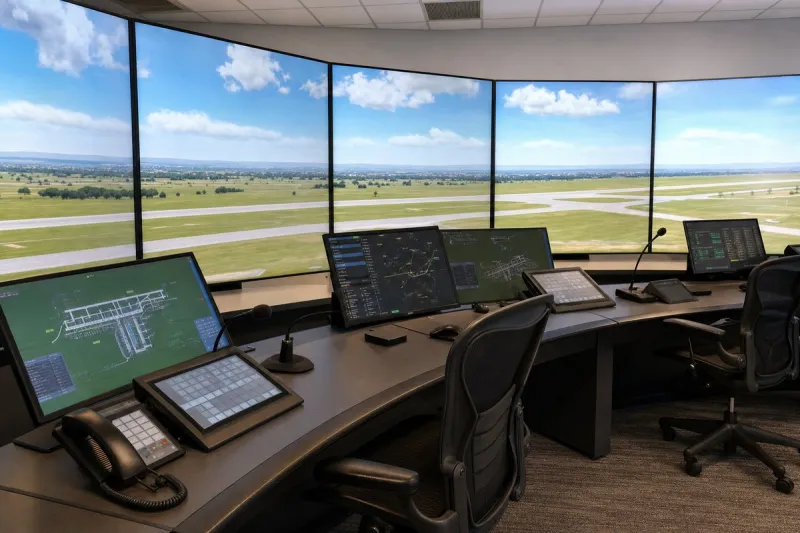
Traditional air traffic control infrastructure is considered insufficient for managing the high frequency and low altitude density of combined drone deliveries and passenger air taxi operations, so UTM and digital U-space architectures rely on automated, cloud-based flight authorization systems providing dynamic geofencing and real-time conflict detection, with continuous telemetry broadcasting between aircraft designed to prevent mid-air collisions in urban corridors without requiring direct human controller intervention.
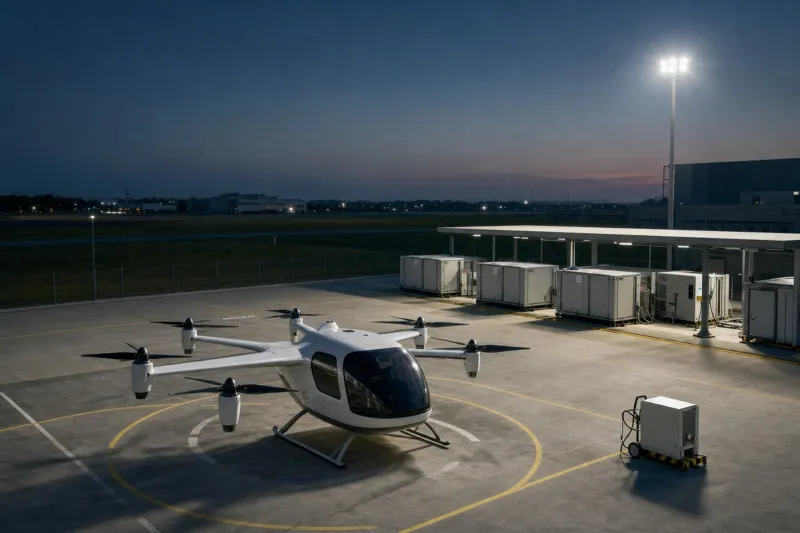
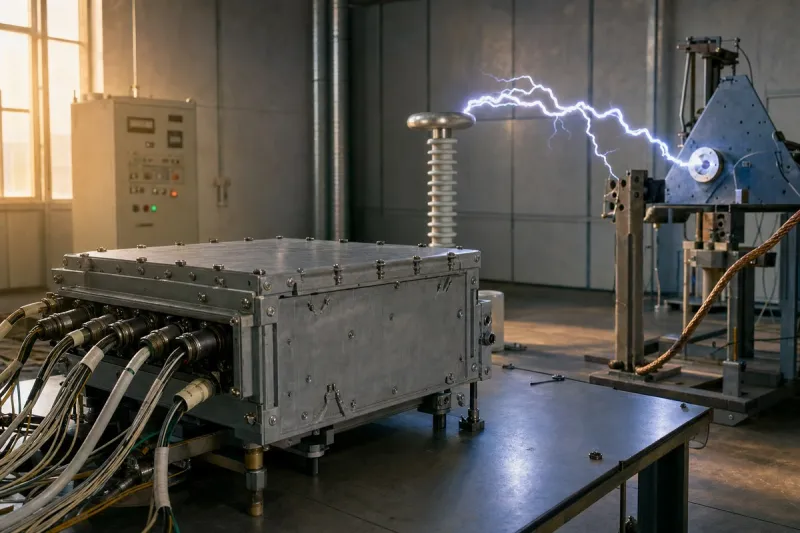
Ground infrastructure presents a parallel challenge, as vertiport development requires specialized micro-grids for rapid high-capacity charging, acoustic shielding, and engineered landing pads known as aeroberms built to withstand downwash forces from multi-rotor electric aircraft, while planners are also requiring vertiports to connect directly to existing transit nodes such as commuter rail stations. Regulators and developers identify electrical grid upgrades and architectural integration as critical prerequisites for scaling commercial fleets, and international regulatory harmonization remains an identified requirement for aerospace manufacturers seeking to deploy certified aircraft across multiple jurisdictions.