NTSB finds no mechanical anomalies in fatal Bethany, Missouri plane crash that killed Illinois pilot
Why It MattersAn unpressurized single-engine flight climbing to 18,000 feet without supplemental oxygen or ATC clearance shows how altitude discipline and equipment checks remain entirely dependent on individual pilot judgment in general aviation.
What happened
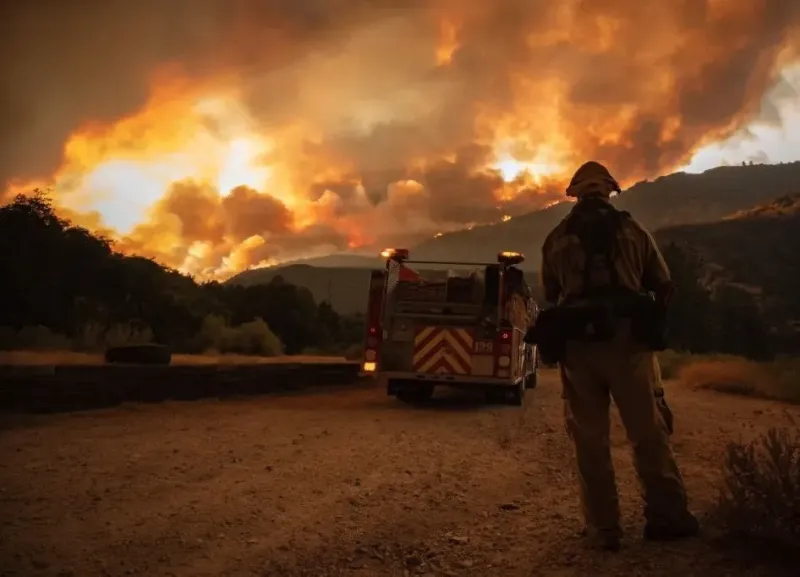
The National Transportation Safety Board has released its investigation report into a fatal plane crash near Bethany, Missouri, finding no mechanical anomalies were involved. The pilot, 73-year-old William M. Anderson of Peoria, Illinois, was killed on Tuesday, Aug. 4, 2026, when his Piper PA-24-250 crashed into a field near Bethany. The plane was destroyed and a fire followed the crash.
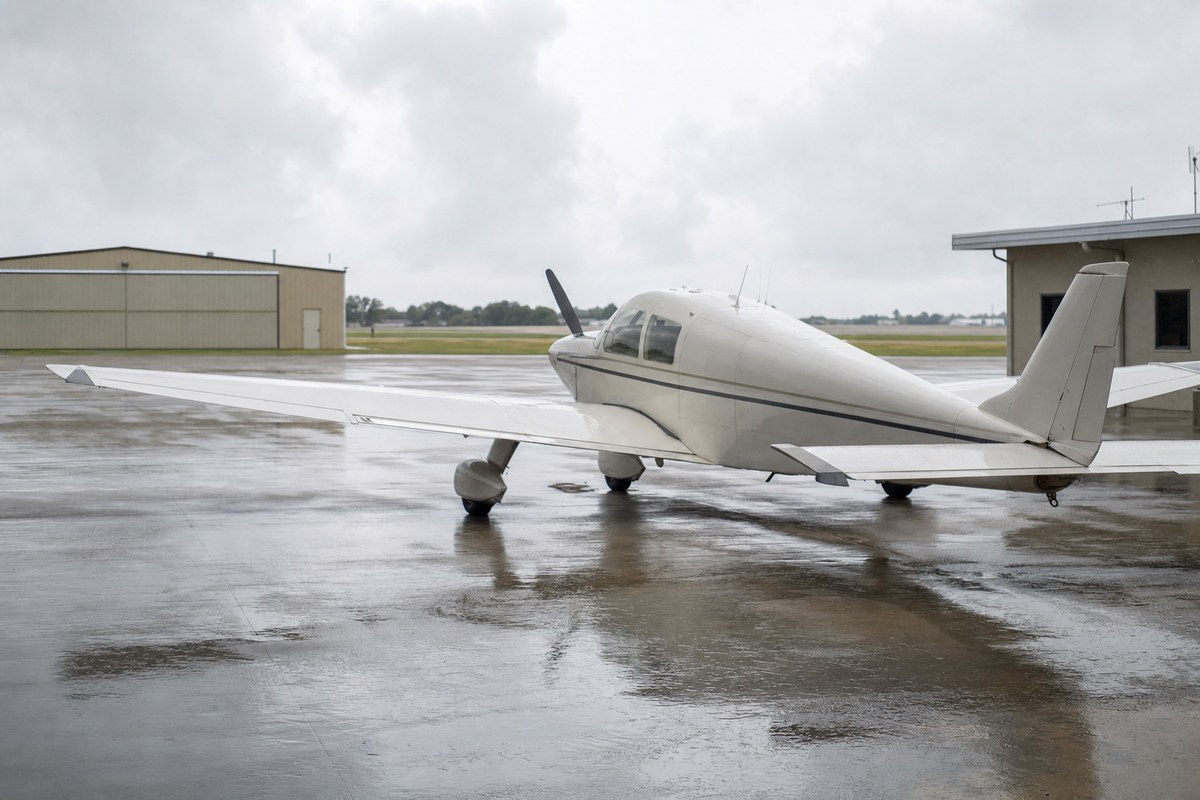
According to the NTSB report, Anderson was flying from Peoria International Airport to Rapid City Regional Airport in Rapid City, South Dakota. Radar data recovered by investigators showed the aircraft climbed to an initial altitude of approximately 13,000 feet after departure and flew at about 12,500 feet for roughly 90 minutes. The plane subsequently rose to 18,000 feet, entering Class A airspace without air traffic control clearance.
A review of weather data indicated the flight encountered turbulence before the aircraft descended and crashed. Investigators also determined through a post-accident examination that the plane had no installed breathable or portable oxygen system aboard.
Industry impact & what to watch
Crashes involving unpressurized piston aircraft climbing into high altitudes without supplemental oxygen point to physiological impairment as a recurring hazard category distinct from mechanical failure. When investigators rule out an aircraft fault, attention turns to the pilot's decision-making and physical state during flight, particularly at altitudes where hypoxia can degrade judgment before a pilot recognizes the problem.
General aviation flights operate largely on pilot self-monitoring for oxygen requirements above certain altitudes, and the absence of an installed or portable oxygen system removes a safeguard that would otherwise flag noncompliance before departure. Entry into Class A airspace without clearance further indicates a breakdown in following controlled-airspace procedures during the flight's later stages.
What remains to be addressed is whether the NTSB's final report, once probable cause is determined, links the unauthorized climb and lack of oxygen equipment to impaired decision-making during the turbulence encounter that preceded the descent and crash.