Over 4,200 Flights Delayed, Nearly 200 Canceled Across US on August 24 as Boston, Chicago, and Dallas Bear Brunt
Why It MattersThin schedule buffers at high-volume connecting hubs turn routine weather into network-wide cascades, since crew duty-time limits convert single-airport delays into cancellations elsewhere.
What happened
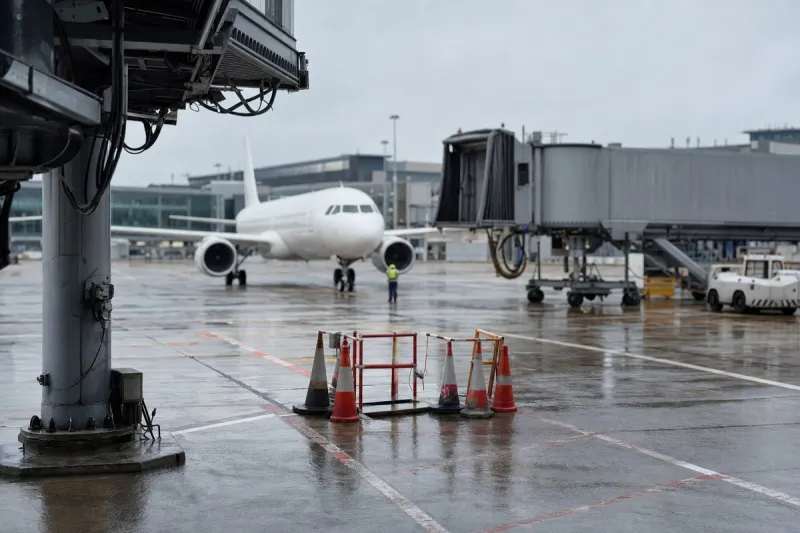
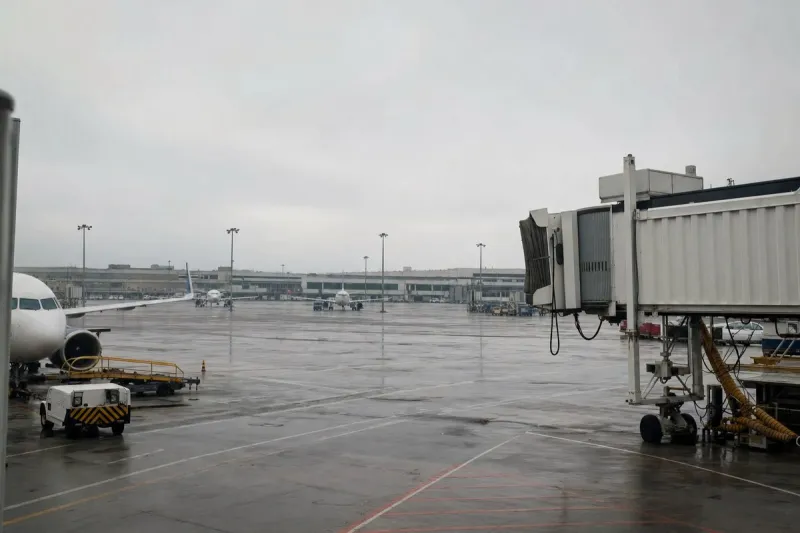
More than 4,265 flights were delayed and at least 189 were canceled across the United States on August 24, 2026, with Boston Logan International, Chicago O'Hare and Dallas Fort Worth International accounting for a significant share of the disruptions. Boston Logan alone logged more than 570 delays and over 80 cancellations within, into, or out of the airport that day, according to FlightAware data.
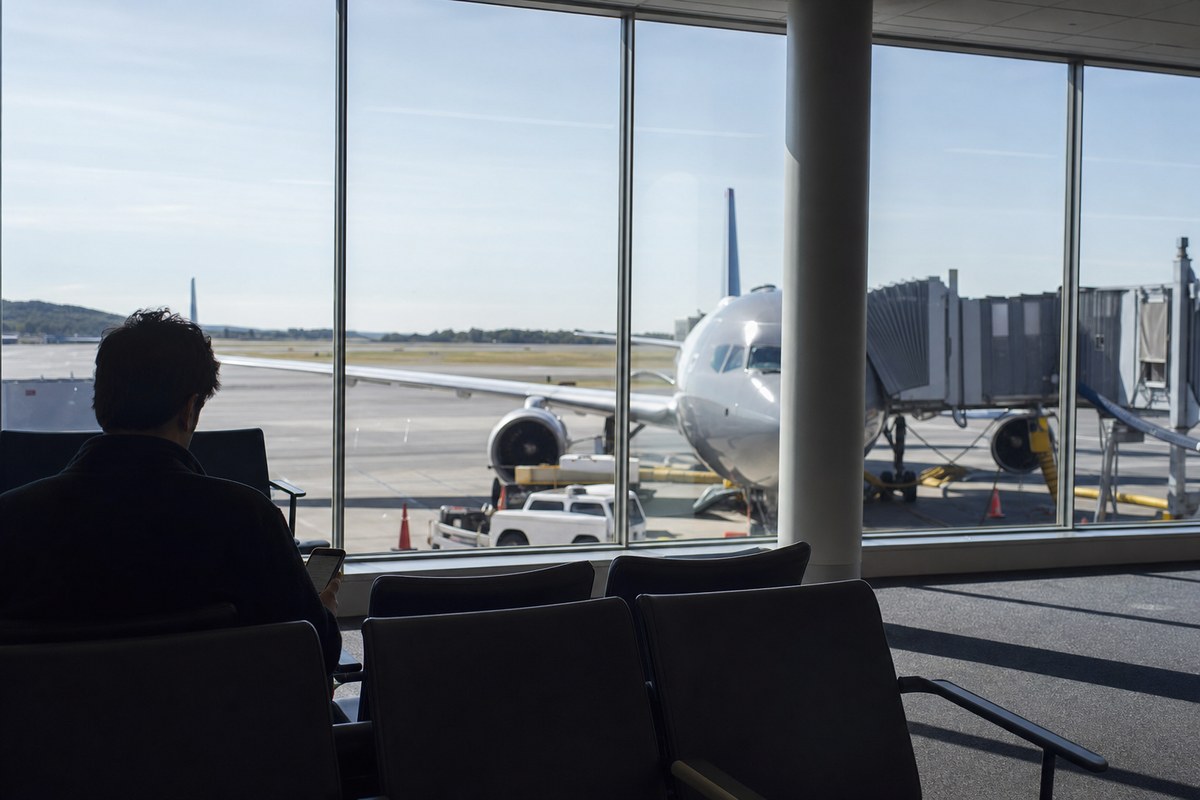
Chicago O'Hare and Dallas Fort Worth, described as two of the nation's largest connecting hubs, also experienced substantial operational strain. The Federal Aviation Administration has designated O'Hare as the busiest U.S. airport by scheduled flights for the 2026 summer peak, with more than 3,000 daily operations planned. Weather was cited as a key factor, with FAA air traffic outlooks repeatedly flagging Boston and other East Coast hubs for potential slowdowns when rain and thunderstorms move through key corridors.
In late July, a day of heavy rain over Boston triggered nearly 300 inbound delays and more than 30 cancellations at Logan alone. Congressional and transportation researchers have estimated that major hubs such as O'Hare and DFW rank near the top of U.S. airports for total hours of passenger delays, with Boston also contributing significantly despite handling fewer flights overall. FAA officials ahead of the 2026 summer season described efforts to coordinate with carriers on capacity planning at Chicago O'Hare, aimed at reducing widespread delays.
Industry impact & what to watch
High scheduled volumes at hubs like O'Hare, with more than 3,000 daily operations planned for the summer peak, leave carriers little slack to absorb even modest weather slowdowns. When rain and thunderstorms move through corridors feeding Boston, Chicago or Dallas, delayed arrivals push crews toward duty-time limits, and subsequent legs depart late or get canceled outright.
This is how disruption at a small number of high-connectivity hubs spreads to secondary airports that depend on them for onward connections: a single congested gateway on a bad-weather day can degrade schedule reliability across an entire carrier network, not just at that airport. Boston's contribution to national delay totals despite handling fewer flights than O'Hare or DFW illustrates that hub vulnerability is not simply a function of traffic volume but also of how tightly scheduled the connecting banks are.
Federal delay datasets covering August are expected to include the August 24 numbers once published, and FAA coordination with carriers on O'Hare capacity planning will be worth tracking for whether it measurably narrows the gap between scheduled operations and achievable throughput on future high-weather days.