Horizon Aircraft Advances Cavorite X7 All-Weather Certification with CRYSTAL Project Phase Two
Why It MattersGovernment-funded, university-linked certification pathways for all-weather eVTOL operation could determine whether hybrid-electric aircraft can realistically substitute for helicopters serving weather-vulnerable remote communities.
What happened
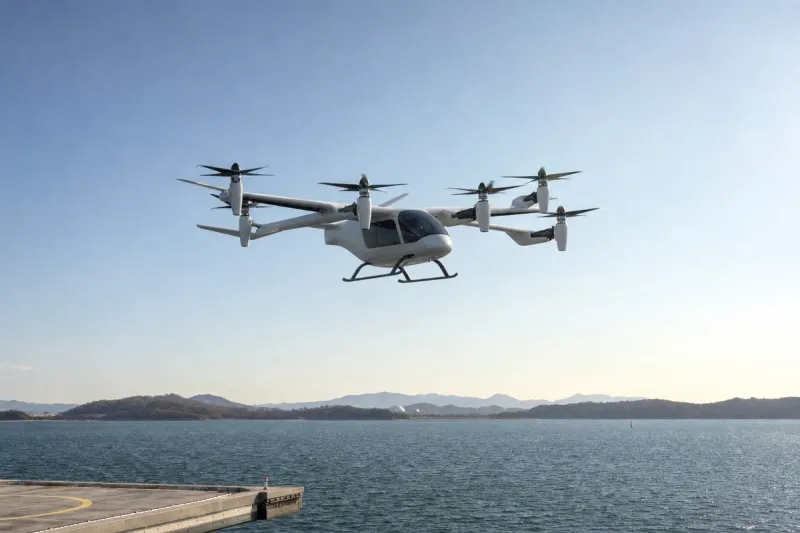
Canadian aerospace company Horizon Aircraft has entered the second phase of CRYSTAL (Canadian Research Yielding SusTainable All-weather Lift system), a joint government-industry project targeting all-weather certification for its Cavorite X7 hybrid-electric VTOL aircraft. The project is funded through an INSAT (Initiative for Sustainable Aviation Technology) grant and conducted with Flight Centre of Excellence, doing business as Certification Center Canada ("3C"), and the University of Toronto (UofT). CRYSTAL was officially announced in Fall 2025.
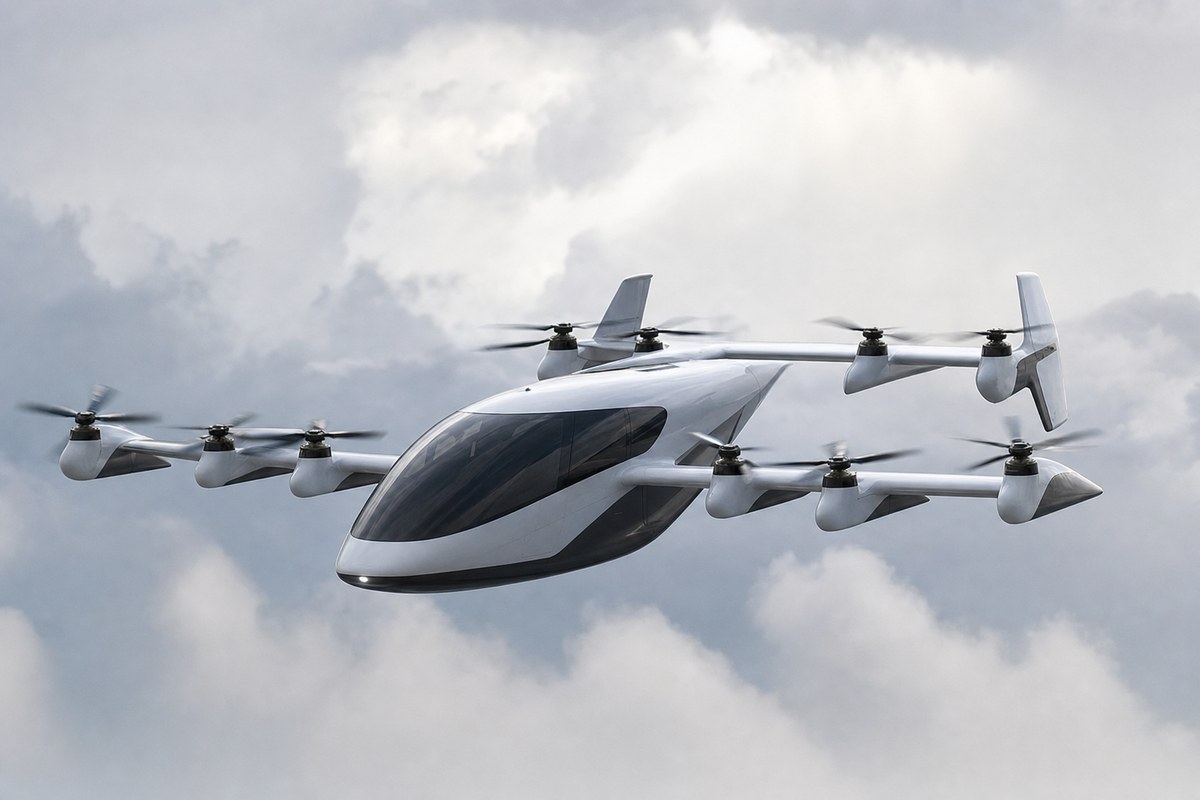
The first phase covered foundational technologies including ice-detection systems and electro-thermal coatings. Phase two applies and tests those technologies directly on the Cavorite X7, with UofT developing the anti-icing technologies and Horizon Aircraft providing the test aircraft. The stated goal is official all-weather or Flight Into Known Icing (FIKI) certification for the Cavorite X7.
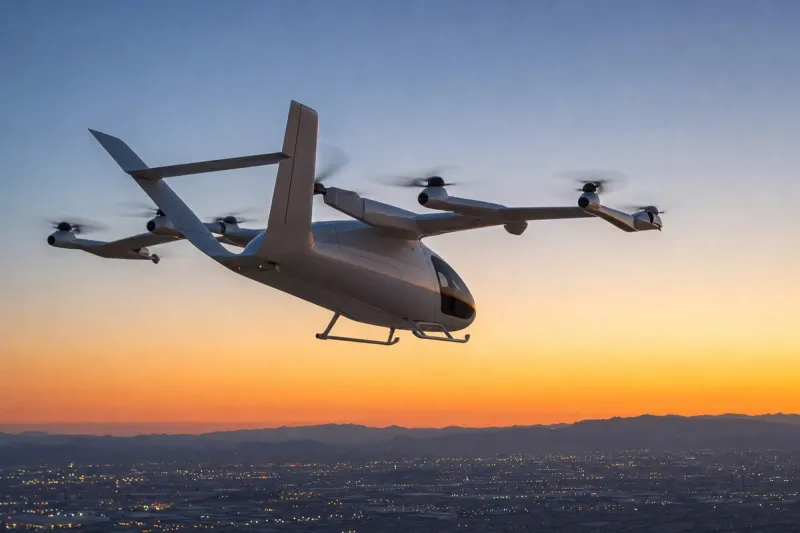
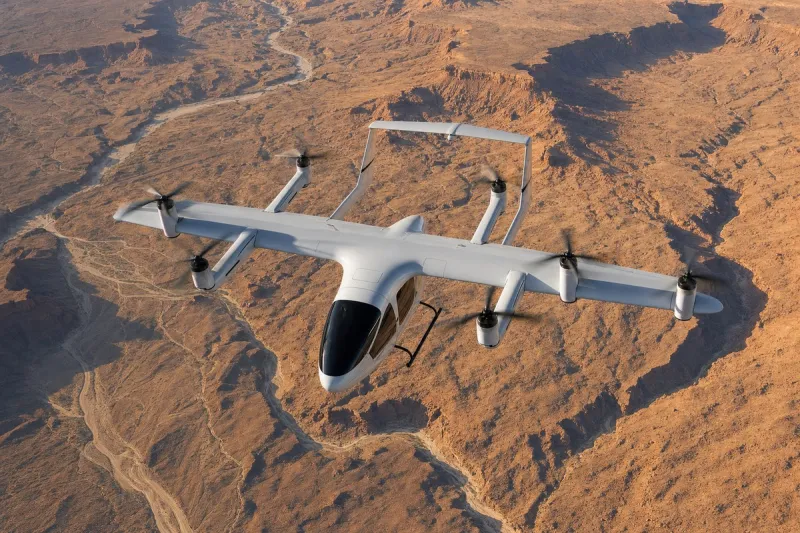
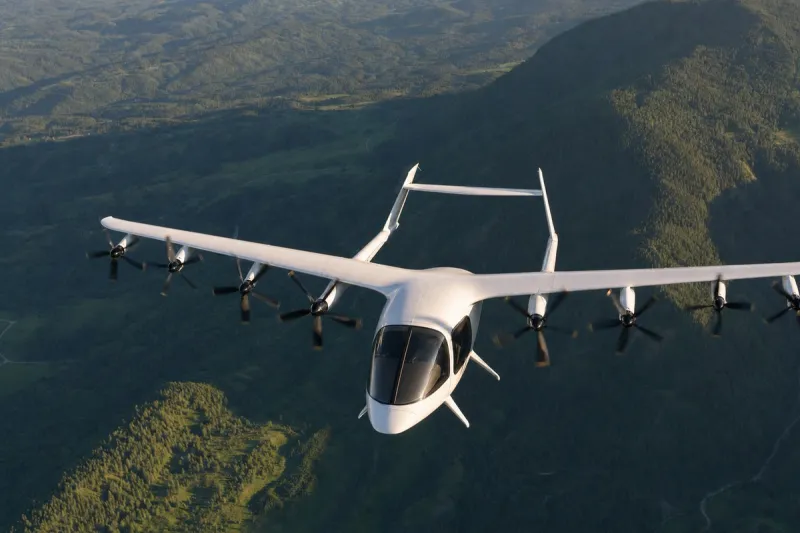
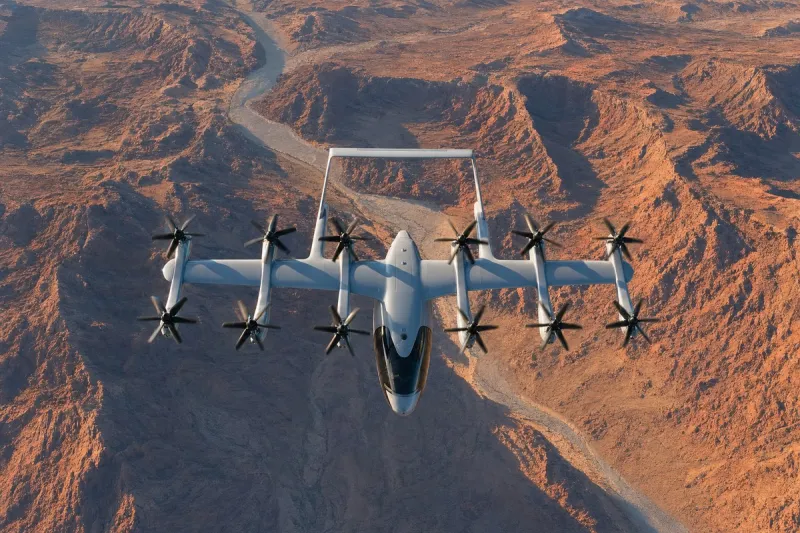
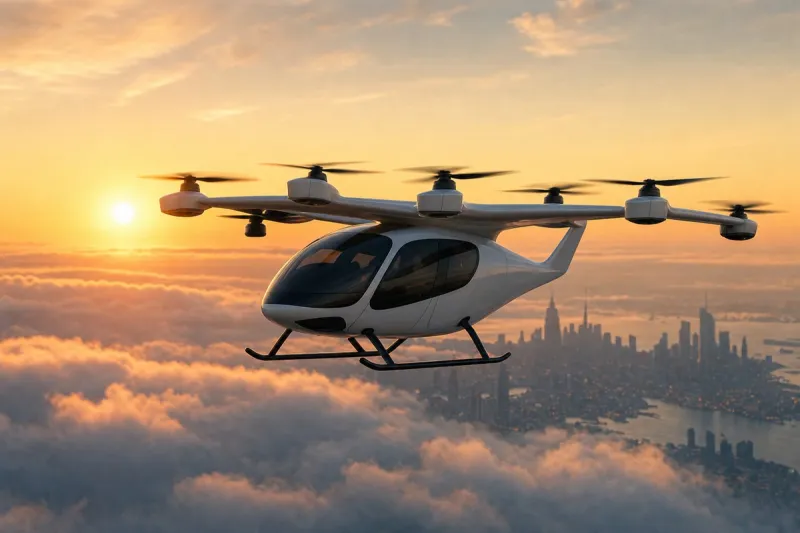
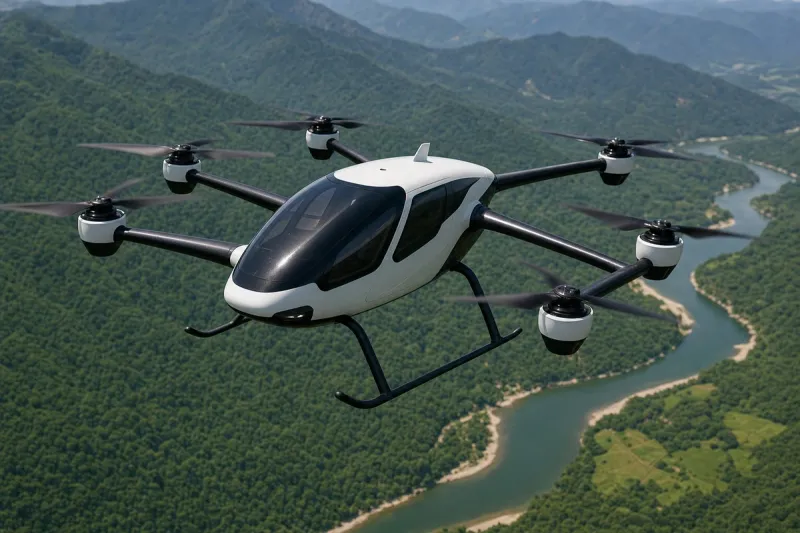
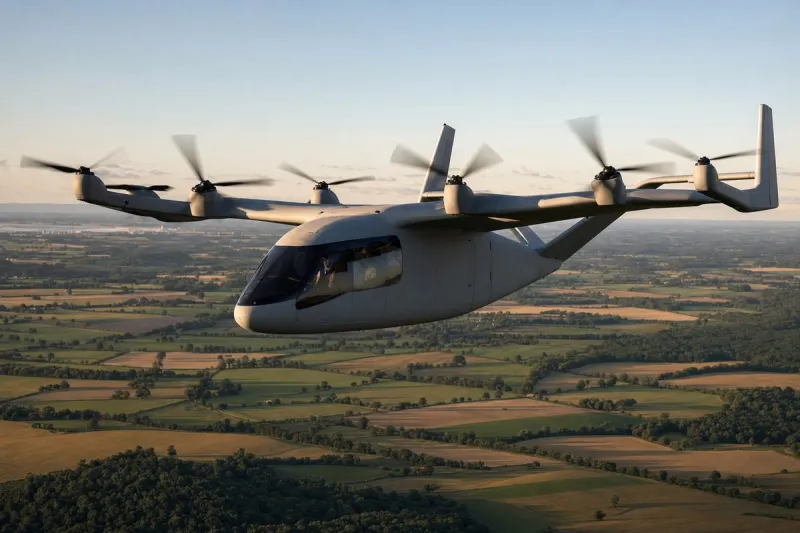
Brandon Robinson, co-founder and CEO of Horizon Aircraft, said the Cavorite X7 was designed from the outset to operate in Canadian winter conditions, noting that remote communities across Canada depend heavily on helicopters for primary services and essential goods, and that those aircraft are frequently grounded by severe weather. The Cavorite X7 is a seven-seat hybrid-electric VTOL, an upgrade of the original five-seat Cavorite X5, with a fan-in-wing design of 12 lift fans exposed during vertical takeoff and covered by sliding panels in forward flight. It is rated for a range of up to 800 km (500 miles) at a cruise speed of 450 kph (250 knots), measured at mid-load with fuel reserve.
Industry impact & what to watch
This case is an example of certification work being pushed upstream through public-private research partnerships rather than left entirely to the manufacturer, with a university supplying the underlying anti-icing science and a dedicated certification body validating it alongside the aircraft maker. For hybrid-electric VTOL programs aiming at regional and remote-area service, all-weather capability is not a marketing feature but a gating requirement: without FIKI certification, an aircraft is confined to the same fair-weather envelope that already limits helicopter operations in the same markets, undercutting the case for switching technologies at all.
How this segment actually works is that FIKI certification is won incrementally — ice-detection and electro-thermal coating technologies are proven in isolation before being integrated onto a specific airframe, which is exactly the phase-one-to-phase-two sequence described here. That staged approach lets funders and regulators check each building block before it is bet on a single aircraft program.
What comes next is whether phase two testing on the actual Cavorite X7 airframe produces results that support an application for FIKI certification, and whether Transport Canada or another authority subsequently grants it. Until that certification is awarded, the aircraft's advertised 800 km range and 450 kph cruise speed remain figures achieved under standard conditions rather than validated all-weather performance.