Nigeria's Dangote Refinery Becomes Europe's Top Jet Fuel Supplier While Domestic Airlines Face Crippling Costs
Why It MattersWhen downstream fuel markets are fully deregulated, refined product flows to the highest-paying buyer regardless of proximity, leaving nearby domestic carriers exposed to the same volatile export-priced fuel as distant international buyers.
What happened
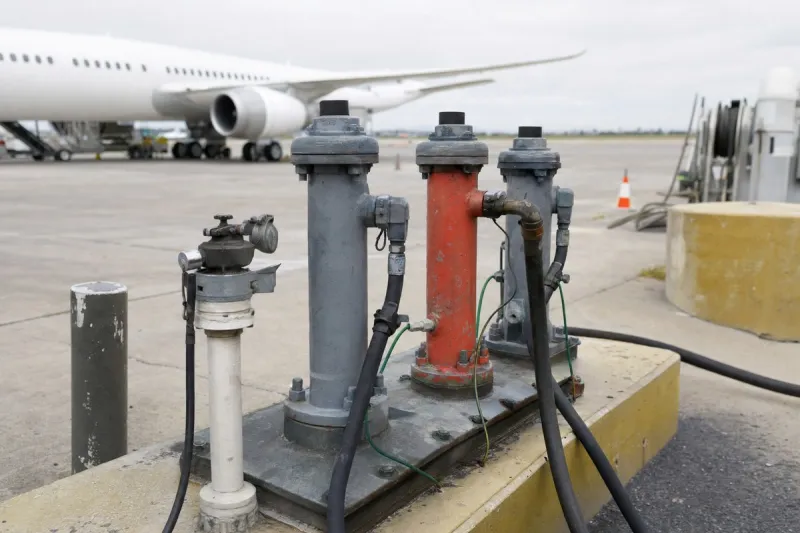
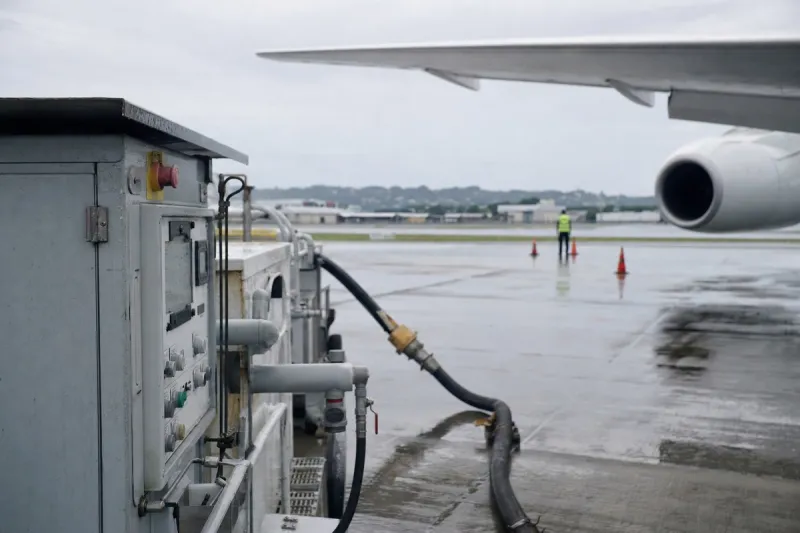
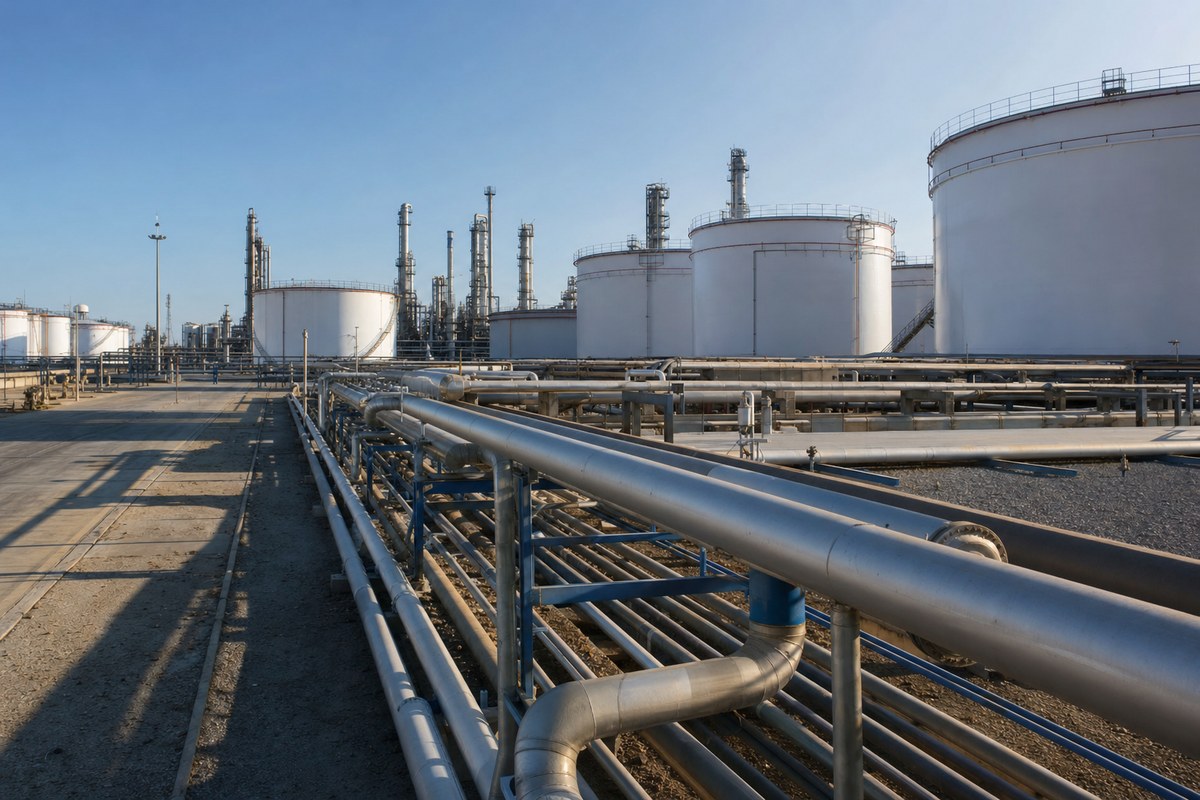
Nigeria has become Europe's largest supplier of jet fuel over the past two months, overtaking the United States, as the 650,000-barrel-per-day Dangote Refinery near Lagos ships roughly 24 million liters of jet fuel per day, much of it to Europe. Europe now relies on total jet fuel imports of approximately 700,000 barrels per day to meet aviation demand. International Energy Agency chief Fatih Birol warned in April that Europe had only "maybe six weeks or so" of jet fuel reserves remaining. By June, four northern Italian airports — Bologna, Venice, Treviso and Milan's Linate — had imposed temporary limits of 2,000 liters per aircraft.
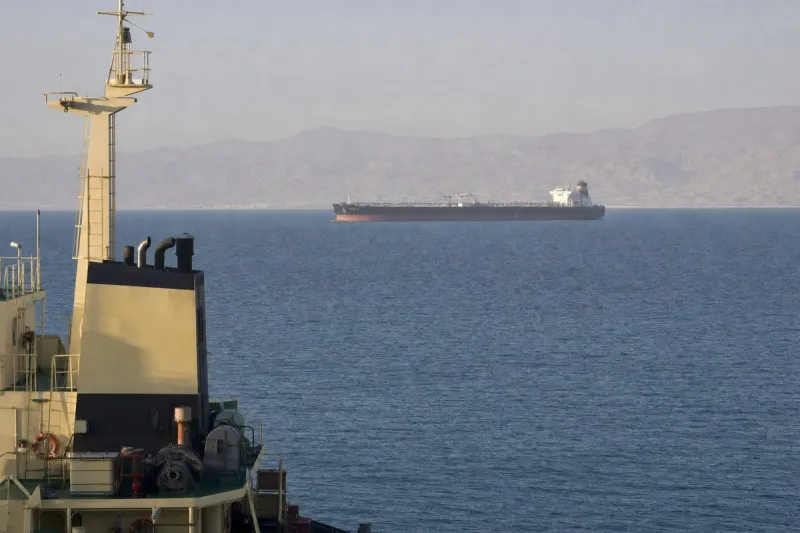
The shift follows the closure of the Strait of Hormuz earlier in 2026, which cut off Middle Eastern supplies that had previously dominated during peak summer months. At home, Nigeria's domestic airlines have accumulated over 60 billion Naira ($45 million; €38 million) in debt to local banks since the Iran war began. Jet fuel prices spiked to more than three times pre-war levels and have since settled at a minimum of around 1,600 Naira per liter, compared with roughly 900 Naira before the conflict. Airlines have cut routes, raised ticket prices, and faced ongoing cancellations and delays.
Ikemesit Effiong, a partner at the SBM Intelligence consultancy, said fuel flows to wherever pays the most, and that currently that is Europe, not Lagos. He said domestic carriers, despite proximity to the refinery, cannot compete with large international buyers who purchase in greater volumes and deal directly with the refinery without intermediaries. Lagos-based energy analyst Charles Victor argued that the price problem compounds at every step of the supply chain — storage, coastal shipping, tank transfers and multiple traders — before fuel reaches any aircraft. Victor proposed reserving a fixed monthly tonnage of fuel for Nigerian airlines, sold directly at the refinery gate, which he said could stabilize wholesale prices at around 1,200 Naira per liter. Effiong added that improved airport storage and distribution infrastructure, along with government policies encouraging direct commercial relationships, would also be needed. The situation is further complicated by the abolition of government fuel subsidies and Nigeria's state oil company's crude-backed loans, which allocate part of the country's future crude output to debt repayment, forcing the Dangote Refinery to import crude rather than refine Nigeria's own reserves. The refinery was originally designed to end Nigeria's dependence on imported refined products and make it a net exporter, but the global supply crisis has redirected that output primarily to international markets.
Industry impact & what to watch
This case shows what happens when a domestic refining asset sits inside a fully deregulated downstream market during a global supply shock: physical proximity to a refinery gives a local buyer no pricing advantage over a distant one, because the refinery sells to whoever pays most. Nigeria's situation illustrates how a regional supply disruption, in this case the Strait of Hormuz closure feeding into Europe's own reserve shortage, can pull refined product away from the very market the refinery was built to serve.
Fuel-price pass-through in aviation works through the whole chain Victor described — storage, coastal shipping, tank transfers and multiple trading layers — so even a nearby refinery does not guarantee cheap fuel at the airport gate; every intermediary step adds cost before an aircraft is fueled. A ring-fenced tonnage sold directly at the refinery gate, as Victor proposed, would bypass several of those steps, while Effiong's point about storage and distribution infrastructure addresses a separate bottleneck.
What happens next depends on whether the Nigerian government adopts a reserved-tonnage mechanism or comparable policy, and on how long the Strait of Hormuz disruption keeps Middle Eastern barrels out of Europe. Until either changes, Nigerian carriers will keep competing with European buyers for the same refinery output, at prices set by the export market rather than the domestic one.