Middle East Conflict Hits India's Major Airports, But Delhi Bucks the Trend
Why It MattersWhen regional airspace disruption reshapes routings, traffic concentrates unevenly across a country's airports rather than declining uniformly, favouring hubs with more resilient connectivity.
What happened
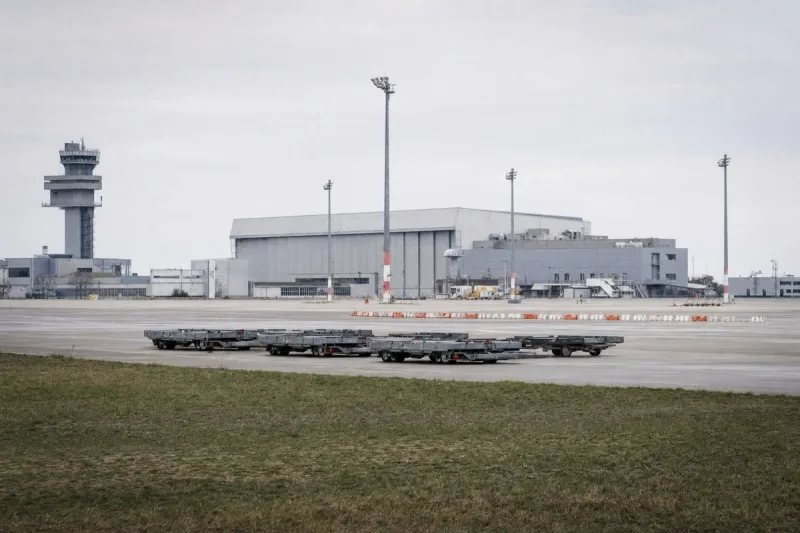
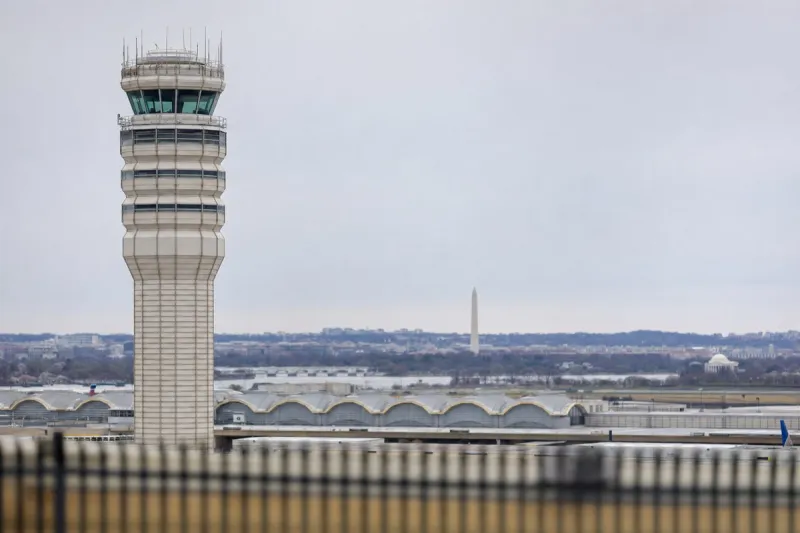
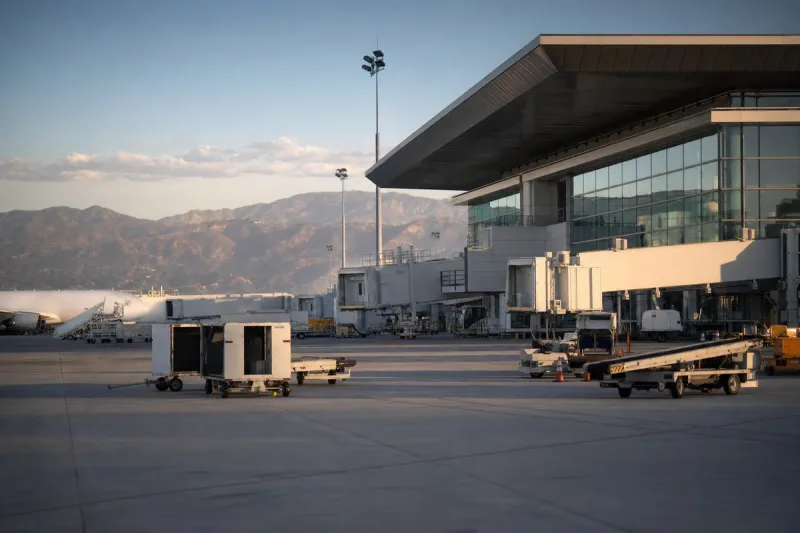
Flight operations at five of India's six major metro airports fell sharply in June and July compared with the same months a year earlier, as the prolonged Middle East conflict disrupted aviation across the country, according to data from aviation analytics firm Cirium.
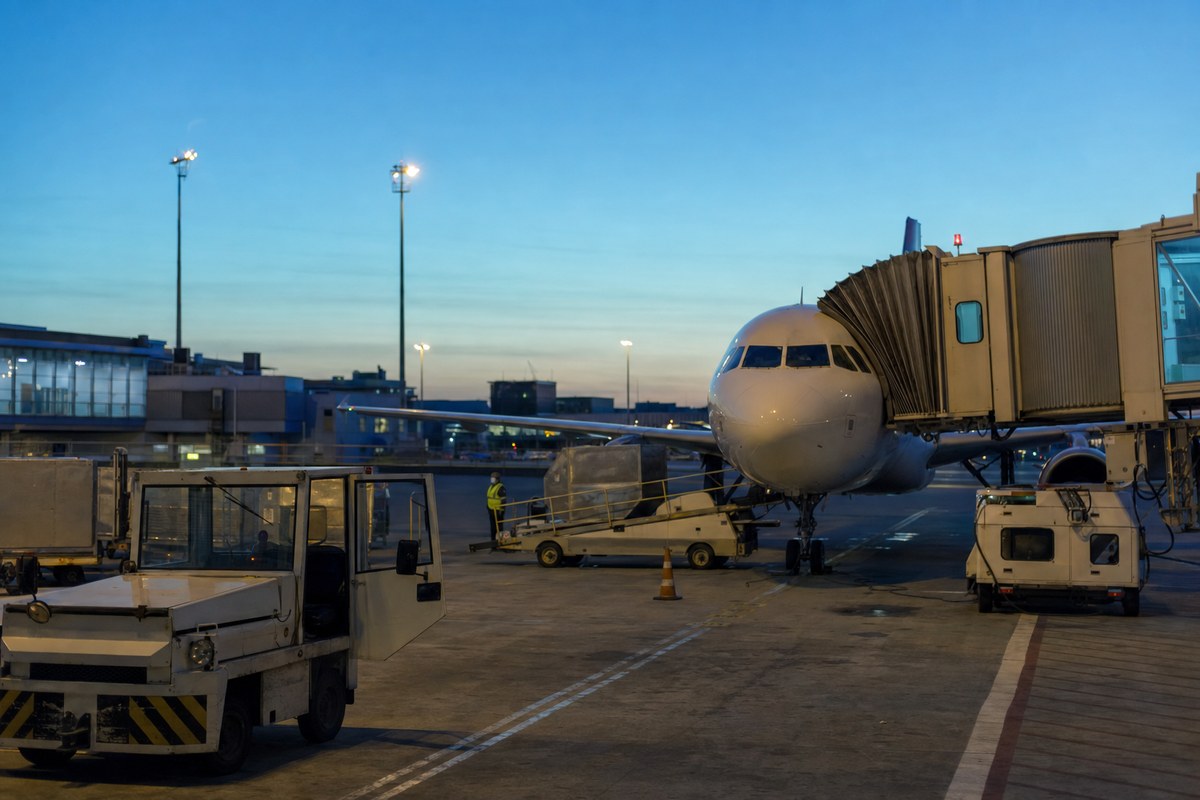
Chennai and Hyderabad were the worst affected. Chennai recorded a 20 per cent year-on-year drop in June and an 18.9 per cent decline in July, while Hyderabad posted falls of around 20 per cent in June and nearly 19 per cent in July. Kolkata recorded declines of 13.2 per cent in June and 16.8 per cent in July. Bengaluru saw contractions of 11.7 per cent and 10.1 per cent, respectively. Mumbai, India's second-busiest airport, recorded falls of 10.4 per cent in June and 12.5 per cent in July. Delhi's Indira Gandhi International Airport was the sole exception among the six, with flight operations rising 8 per cent year-on-year in June and 2.5 per cent in July.
Airspace restrictions tied to the Middle East conflict have forced carriers to reroute flights and extend journey times on several international sectors, while uncertainty over travel to key overseas destinations has weakened demand. Some Indian airlines have also reduced or suspended international services. On the domestic front, Directorate General of Civil Aviation data shows Indian airlines carried approximately 12 million domestic passengers in July, a decline of 4.8 per cent from 12.6 million a year earlier. Over the first seven months of 2026, airlines carried 98.4 million passengers, compared with 97.78 million in the same period of 2025, a rise of 0.64 per cent. IndiGo carried 8.08 million domestic passengers in July, down from 8.92 million in June; the Air India Group carried 2.88 million, down from 3.22 million; Akasa Air fell to 665,000 from 861,000; and SpiceJet carried 187,000 against 263,000 in June. IndiGo's domestic market share rose to 67.4 per cent in July from 66.3 per cent in June, the Air India Group edged up to 24 per cent from 23.9 per cent, Akasa Air's share fell to 5.5 per cent from 6.4 per cent, and SpiceJet's dropped to 1.6 per cent from 1.9 per cent. The overall domestic flight cancellation rate stood at 0.62 per cent in July, with technical issues accounting for 39.9 per cent of cancellations, operational reasons for 27.4 per cent and weather for 22.7 per cent. IndiGo led scheduled domestic carriers on punctuality with 91.2 per cent of flights on time at the 10 airports assessed by the DGCA, followed by Akasa Air at 90.8 per cent, the Air India Group at 88.5 per cent, Alliance Air at 76 per cent and SpiceJet at 34.6 per cent.
Industry impact & what to watch
This split outcome shows that a regional airspace conflict does not hit a country's airports evenly. Airports leaning more heavily on affected international corridors and connecting traffic absorb the bulk of the decline, while a hub with different route exposure or stronger domestic and alternative-market demand can keep growing through the same disruption.
Domestic scheduled aviation in India works on tight cost and reliability margins, so even a single-digit shift in market share, as seen with Akasa Air and SpiceJet losing ground to IndiGo and Air India Group, reflects differences in fleet reliability and network resilience under stress. The cancellation data pointing to technical issues as the leading cause, ahead of operational and weather factors, adds a maintenance dimension to an already strained network.
Whether Delhi's gains persist will depend on how long the rerouted international sectors and suspended services stay in place, and whether other metro airports see traffic recover as carriers adjust schedules around the ongoing airspace restrictions.