Personal eVTOL Aircraft and Human-Carrying Multicopters Reshape the Concept of Individual Flight
Why It MattersPersonal air-mobility economics still hinge on unresolved infrastructure and certification layers—charging, maintenance networks, insurance, and airspace coordination—before individual eVTOL ownership can move beyond short-range use cases.
What happened
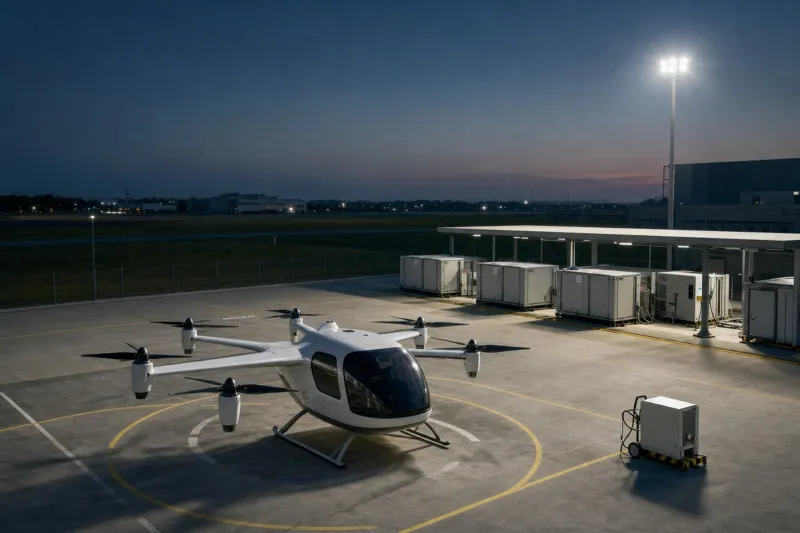
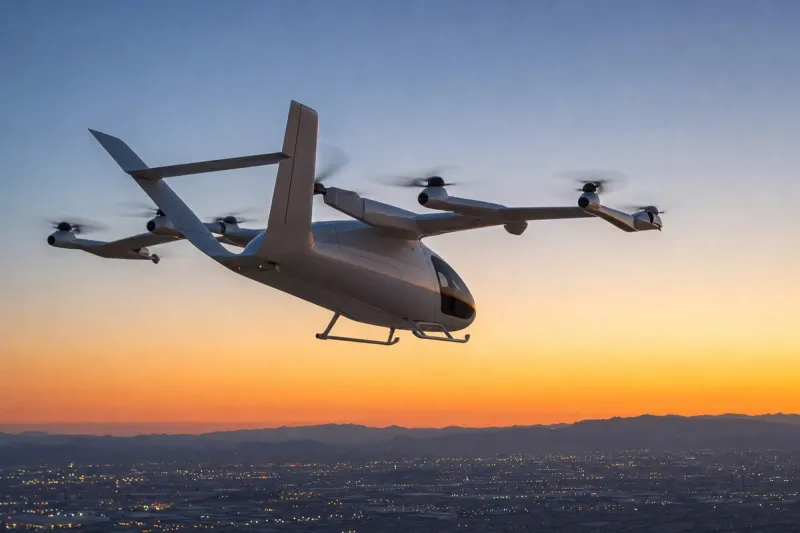
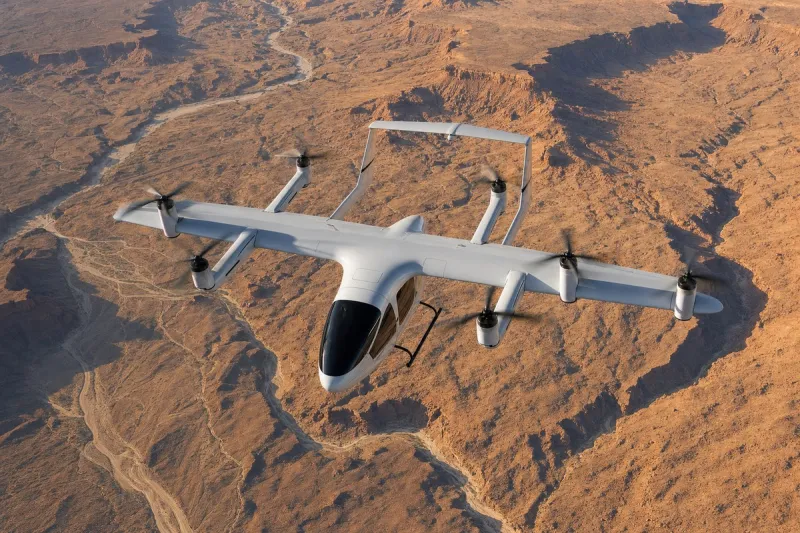
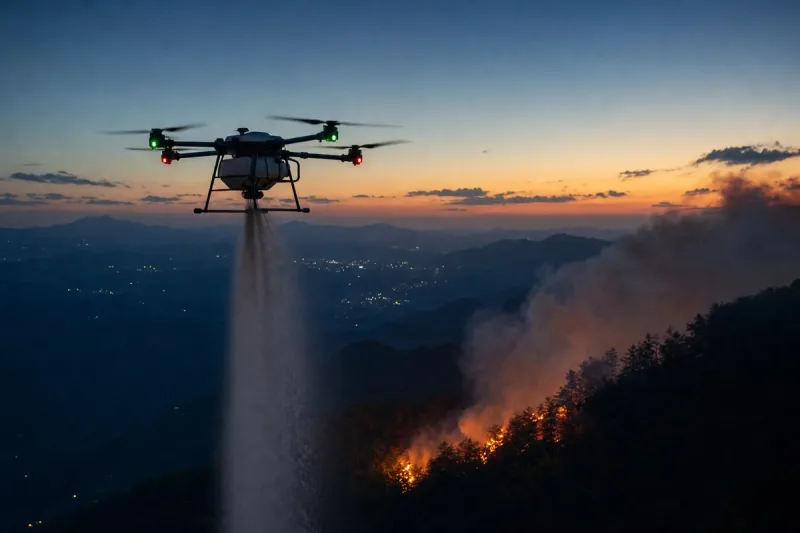
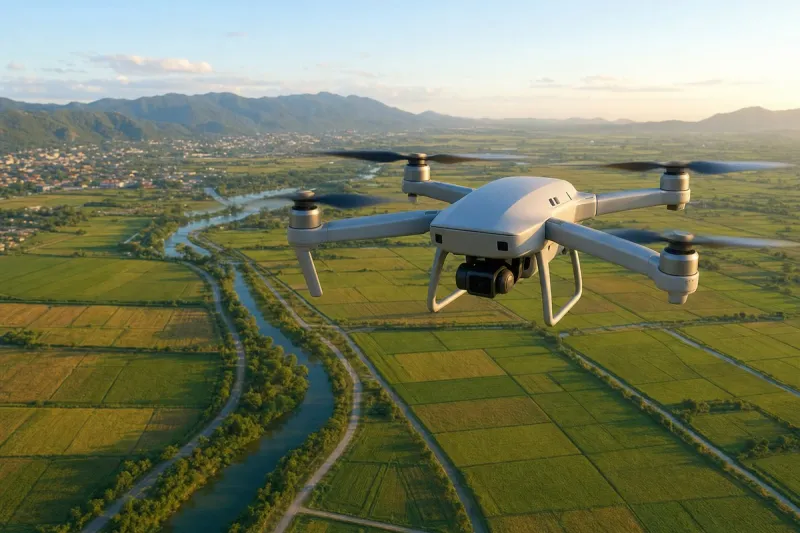
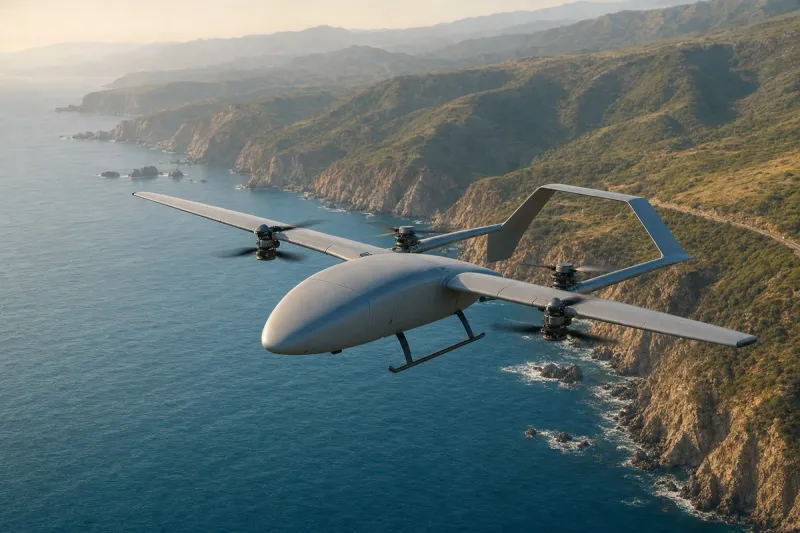
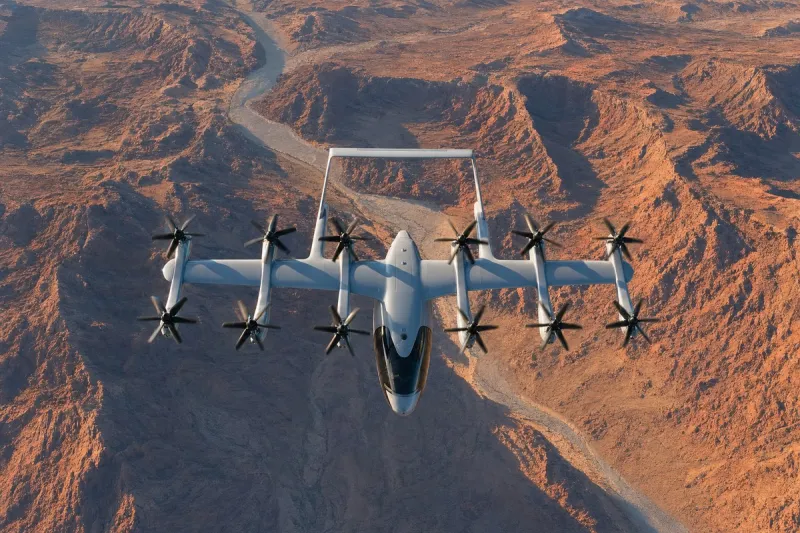
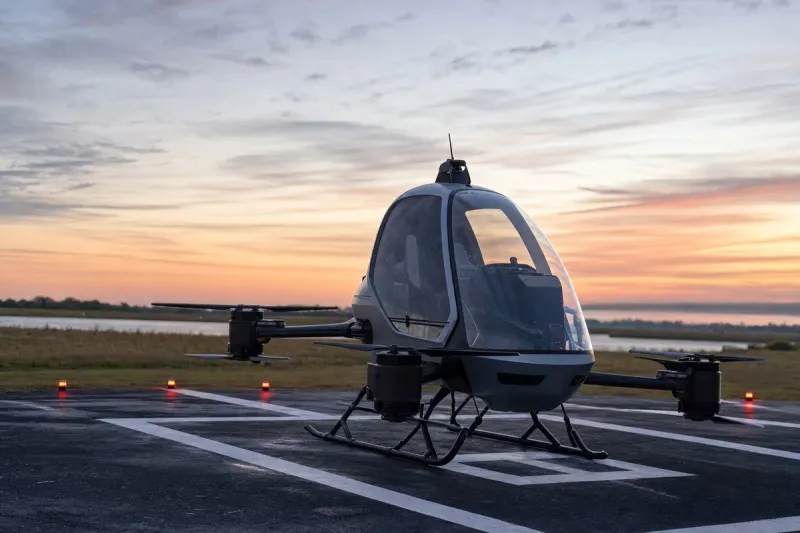
Electric vertical takeoff and landing technology is being developed into a category of compact aircraft, multicopters, and personal aerial vehicles intended to carry individuals without conventional runways or airports. These designs distribute propulsion across multiple electrically driven rotors managed by automated flight-control software, differing from traditional aircraft that depend on extensive ground infrastructure and specialized pilot training.
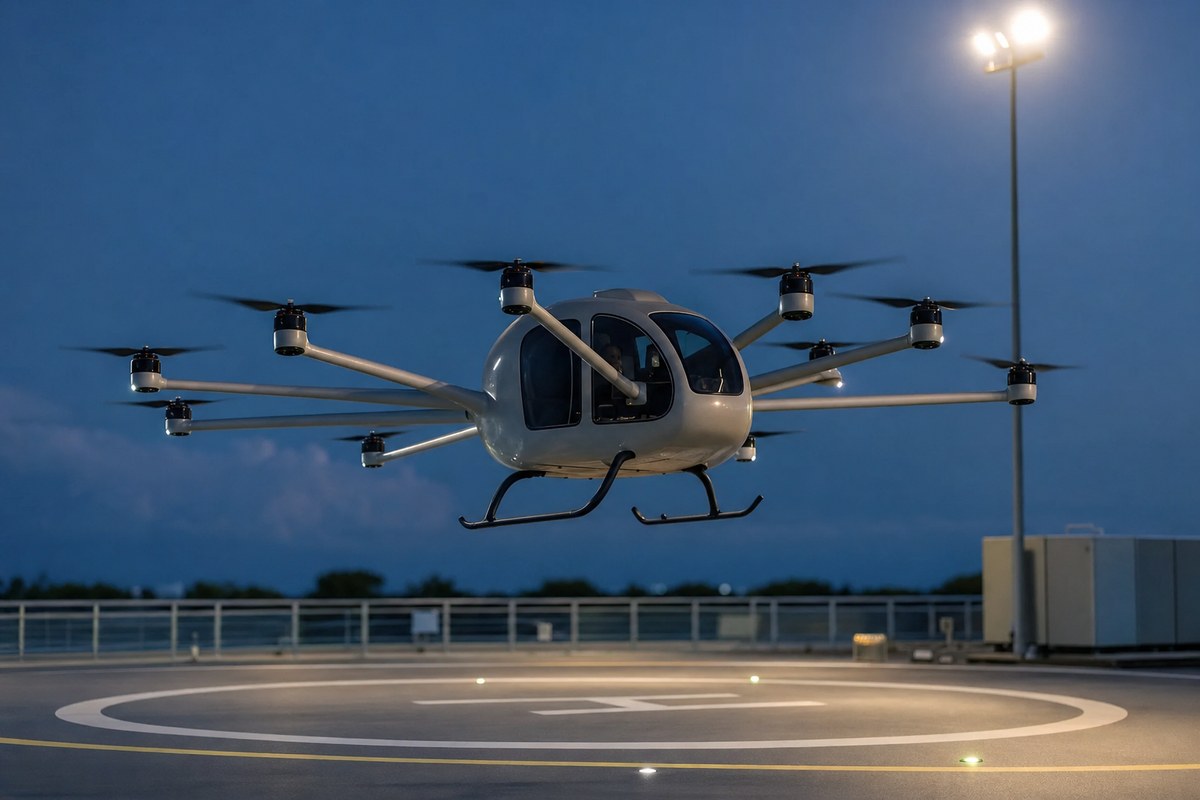
Designs range from drone-scaled vehicles with a central seat or cockpit to enclosed-cabin aircraft that combine vertical lift with forward-flight capability. The technological foundation draws directly from consumer drone development, which demonstrated that electric motors, batteries, sensors, and automated stabilization could keep a multirotor aircraft controllable; scaling that architecture to carry a human introduces greater demands for structural integrity, redundancy, energy storage, and regulatory compliance.
Battery energy density is identified as a central constraint, since current batteries store far less usable energy per unit of mass than conventional aviation fuels even though electric motors deliver competitive power from compact packages. As a result, most personal eVTOL concepts are described as optimized for short flights — recreational trips, local transportation, operations across large properties, or defined point-to-point journeys — rather than long-range travel. Noise is flagged as a factor in social acceptance near populated areas, with rotor diameter, blade geometry, rotational speed, and flight profile all cited as influencing acoustic output.
Automation and safety architecture
Automation is described as one of the category's most consequential developments: onboard computers can continuously adjust individual motor outputs to maintain attitude and trajectory, potentially allowing occupants to issue simple directional commands while the control system manages the underlying complexity. Developers caution that automation does not eliminate fundamental aviation hazards — weather, airspace congestion, obstacles, battery condition, and emergency procedures remain critical factors.
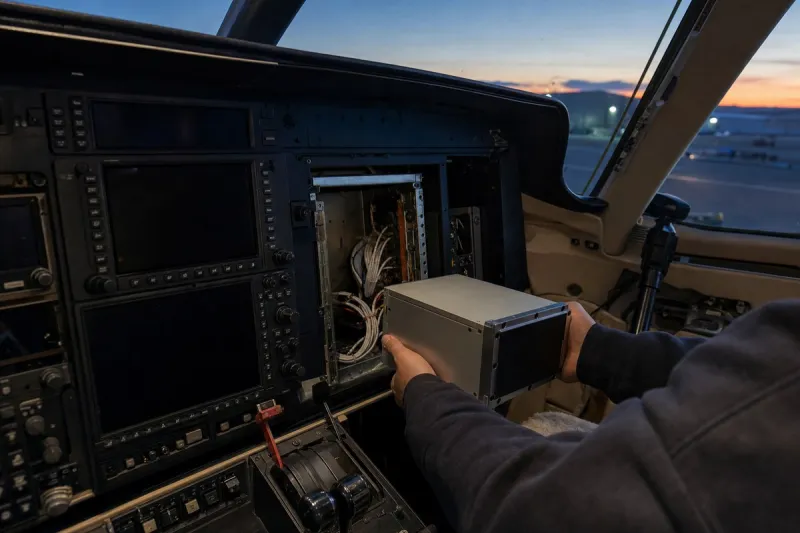
Safety architecture centers on redundancy, since distributed electric propulsion means losing a single motor or rotor does not necessarily cause total loss of thrust, depending on the specific design and remaining performance margins. Battery thermal management, sensor reliability, and fault-tolerant control logic are identified as areas requiring rigorous engineering before routine passenger operations can begin.
Industry impact & what to watch
This progression mirrors how consumer drones matured technically before their operational rules caught up: the propulsion, sensing, and stabilization pieces are transferable, but carrying a person raises the engineering and certification bar well beyond what recreational drones ever faced. The pattern places personal eVTOL closer to a niche short-range category than to a replacement for existing personal or commercial transport.
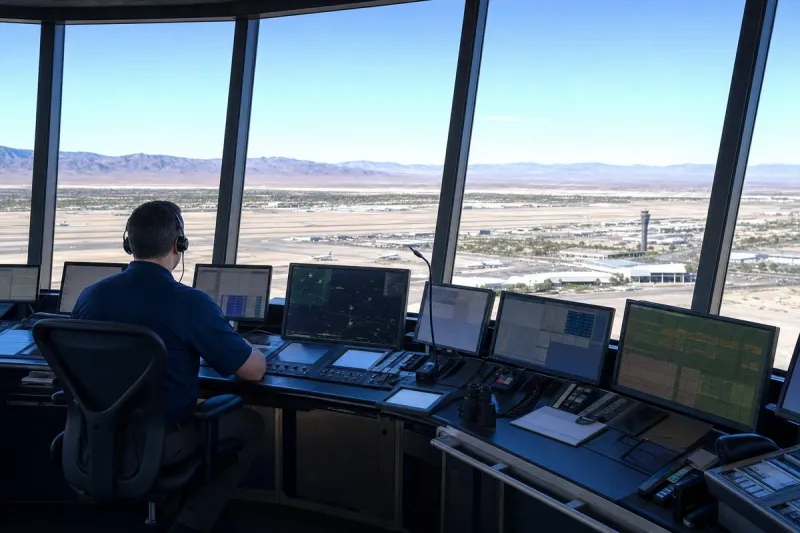
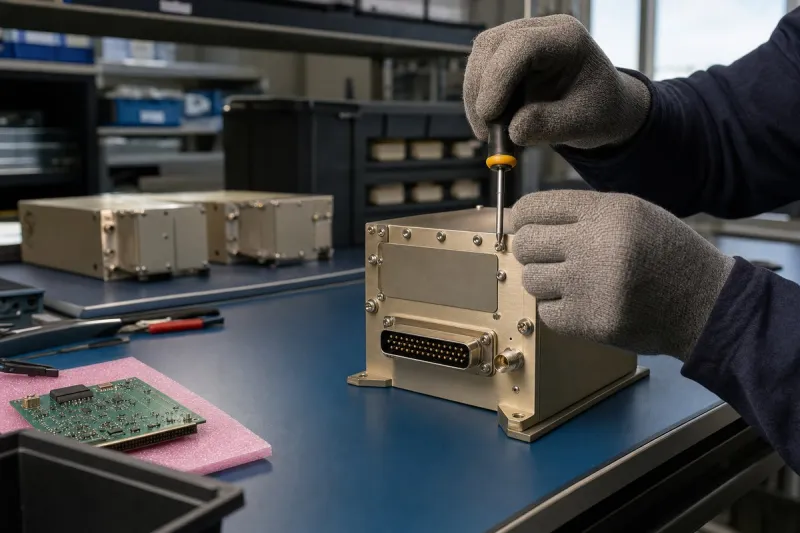
A mature ownership model for this segment would require charging infrastructure, battery servicing, software updates, maintenance networks, insurance, and pilot education, alongside digital systems for geofencing, traffic awareness, automated routing, and coordination with existing airspace users. Until those layers exist together, the category's economics remain tied to short-hop use cases rather than broad point-to-point travel.
What happens with battery energy density will likely determine how far this category can extend beyond recreational and local use, while noise performance will shape whether communities accept routine operations near populated areas. Progress on fault-tolerant redundancy and thermal management stands as the engineering threshold that must be cleared before routine passenger flights become plausible.