NTSB Preliminary Report: Moderate to Severe Turbulence Preceded Fatal Utah Lake Plane Crash That Killed Student Pilot
Why It MattersWeather-related turbulence reports near training airports underscore how flight schools and instructors must weigh short-notice conditions against dispatch decisions on routine training flights.
What happened
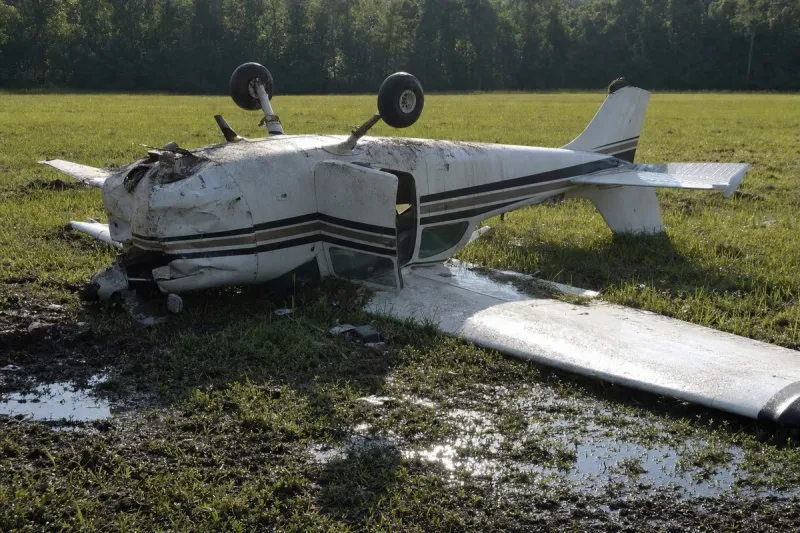
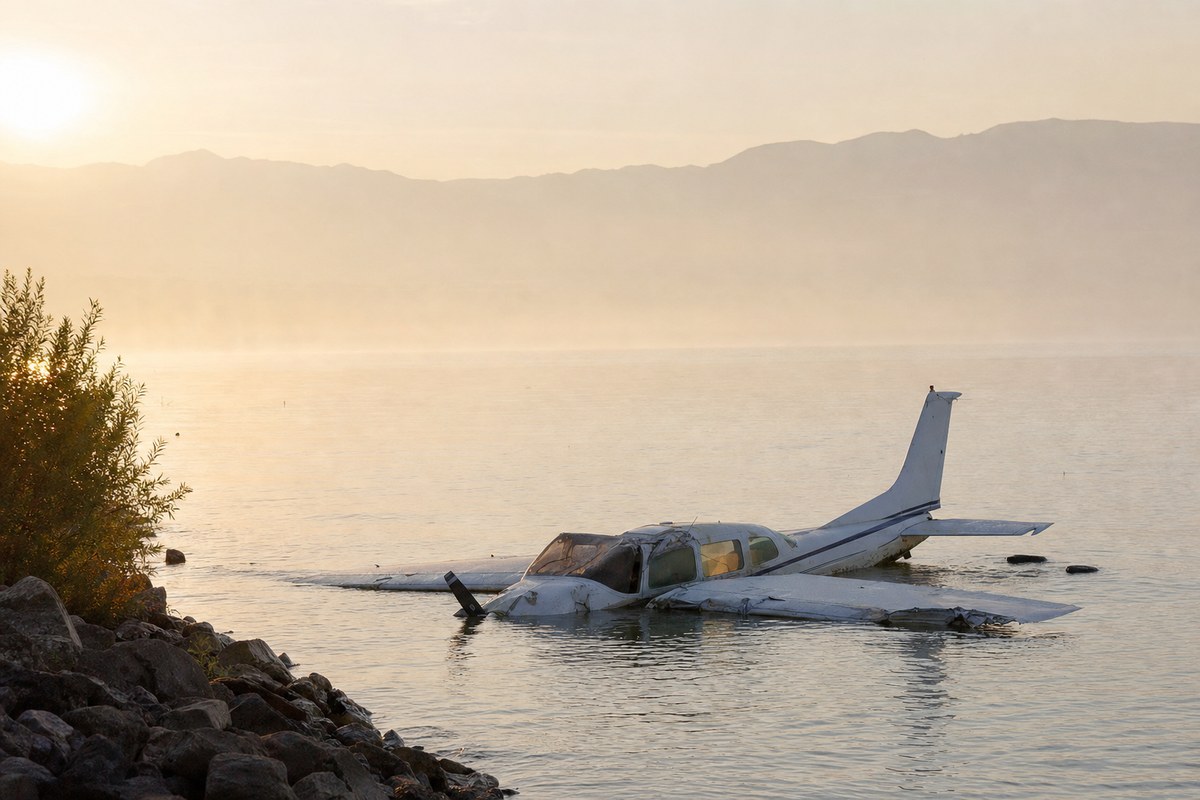
The National Transportation Safety Board has released a preliminary report on the August 7 crash of a single-engine Cessna 172 Skyhawk, built by Textron Aviation, into Utah Lake near Provo, Utah. The crash fatally injured student pilot Chase Riley Day, 25, and seriously injured his flight instructor. The aircraft was operated by ATP Flight School.
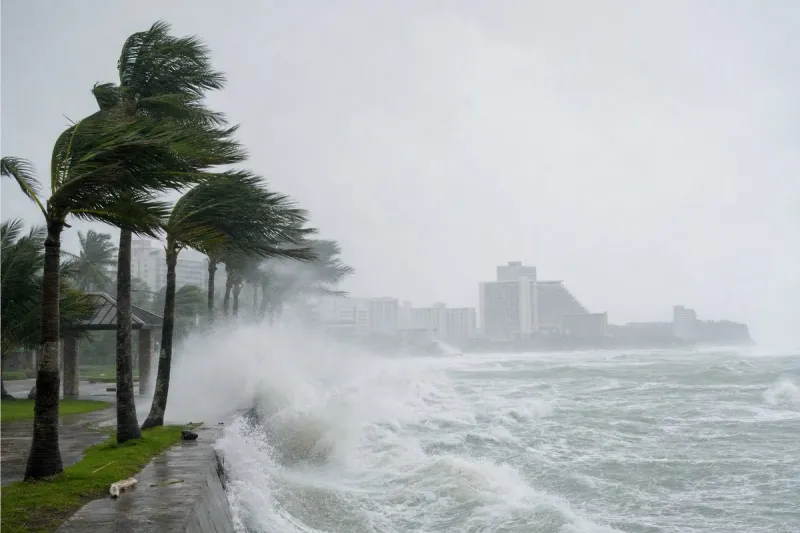
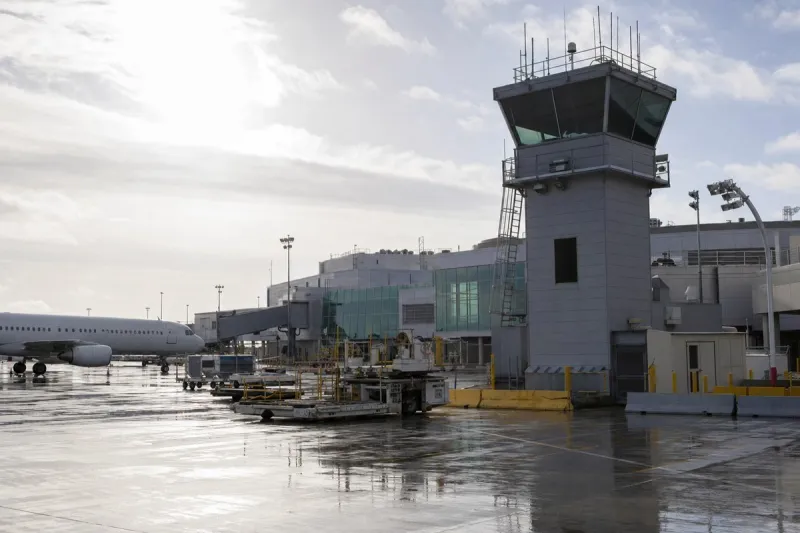
Air traffic control audio indicated that multiple aircraft operating near Provo Municipal Airport in the period before the accident reported moderate to severe turbulence. Security camera footage from multiple buildings on the east side of the airport showed several areas of tall dust formations moving through the surface area along and south of the airport during the time preceding the accident.
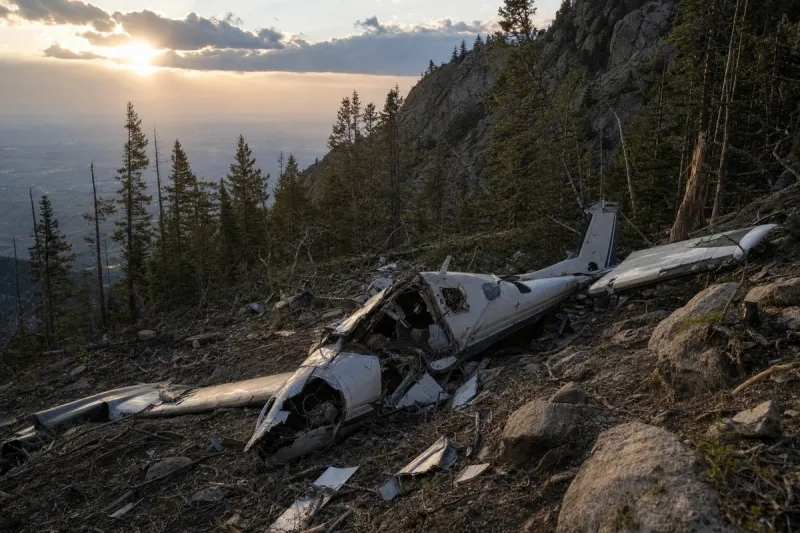
The aircraft began a rapid descent just seconds after takeoff. The debris field was approximately 100 feet. The forward cabin section, engine, and both wings were submerged, with a section of a propeller blade tip visible above the water. The NTSB said its investigation into the crash remains ongoing.
Industry impact & what to watch
Preliminary reports of this kind typically document observed conditions and physical evidence without assigning cause, leaving the mechanism of the accident for the final report. Multiple pilot reports of turbulence in the same airspace, paired with visible dust disturbance on the ground, point to a localized weather phenomenon that training operators near that airport would need to account for in real time rather than through forecast alone.
Flight schools operating single-engine trainers on short local flights depend on instructors making rapid go/no-go judgments close to departure, since conditions such as gusty surface winds can develop and change within minutes of a scheduled lesson. The next milestone is the NTSB's final report, which would address probable cause; until then, the surviving instructor's account and any recorded weather data from the period around takeoff carry the most weight in establishing what conditions the crew actually encountered.