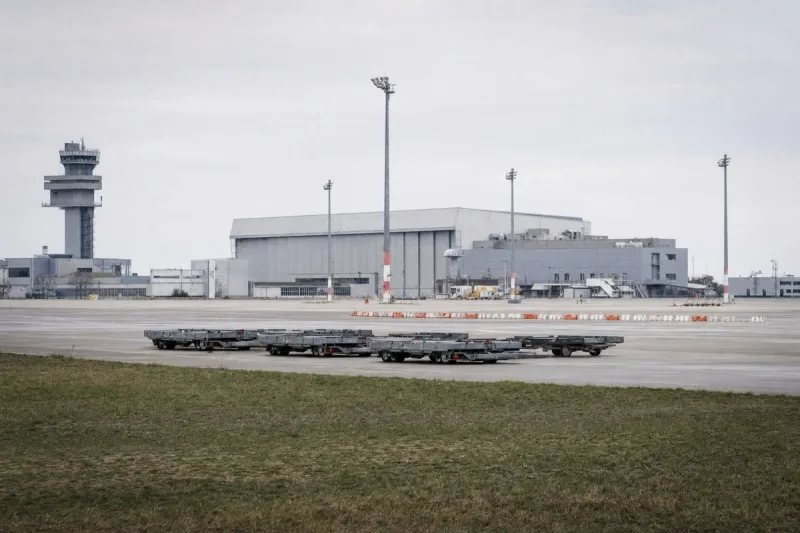
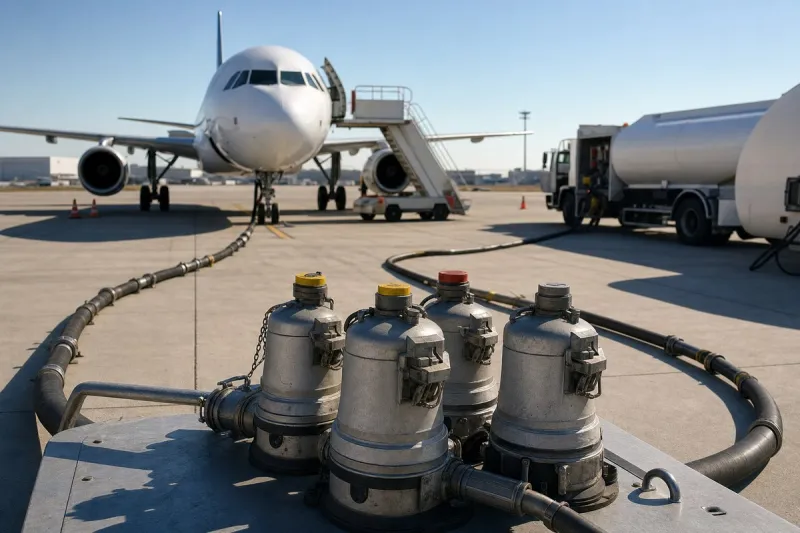
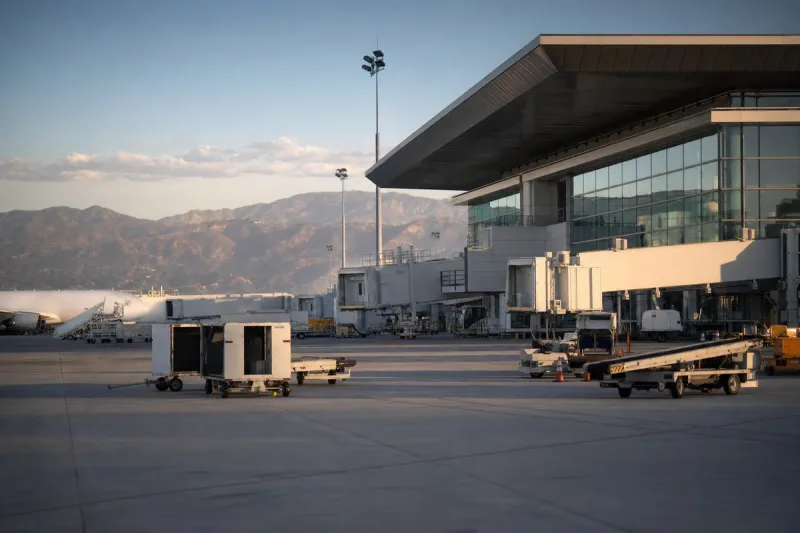
Buffalo Niagara Airport Flights Delayed and Diverted After Apron Fuel System Outage
Why It MattersA single fuel-transfer fault shows how airport-side infrastructure, not aircraft or crew, can ripple into gate holds, rerouted fuel stops and multi-leg journeys across an entire day's schedule.
What happened
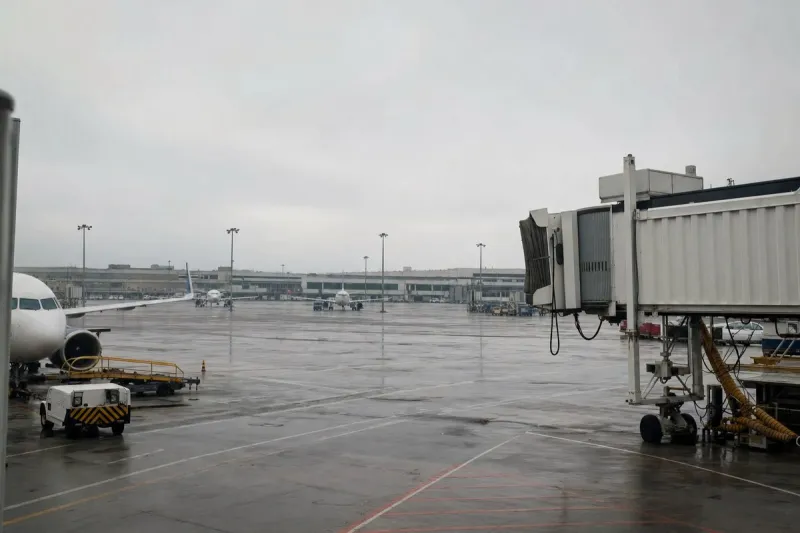
Flights at Buffalo Niagara International Airport faced delays and diversions on Monday after an apron fuel system outage forced emergency repairs and compelled airlines to adopt alternative refueling arrangements. Publicly available aviation notices for August 24 showed that on-apron fueling at the airport was temporarily listed as unavailable during a defined morning and early afternoon window.
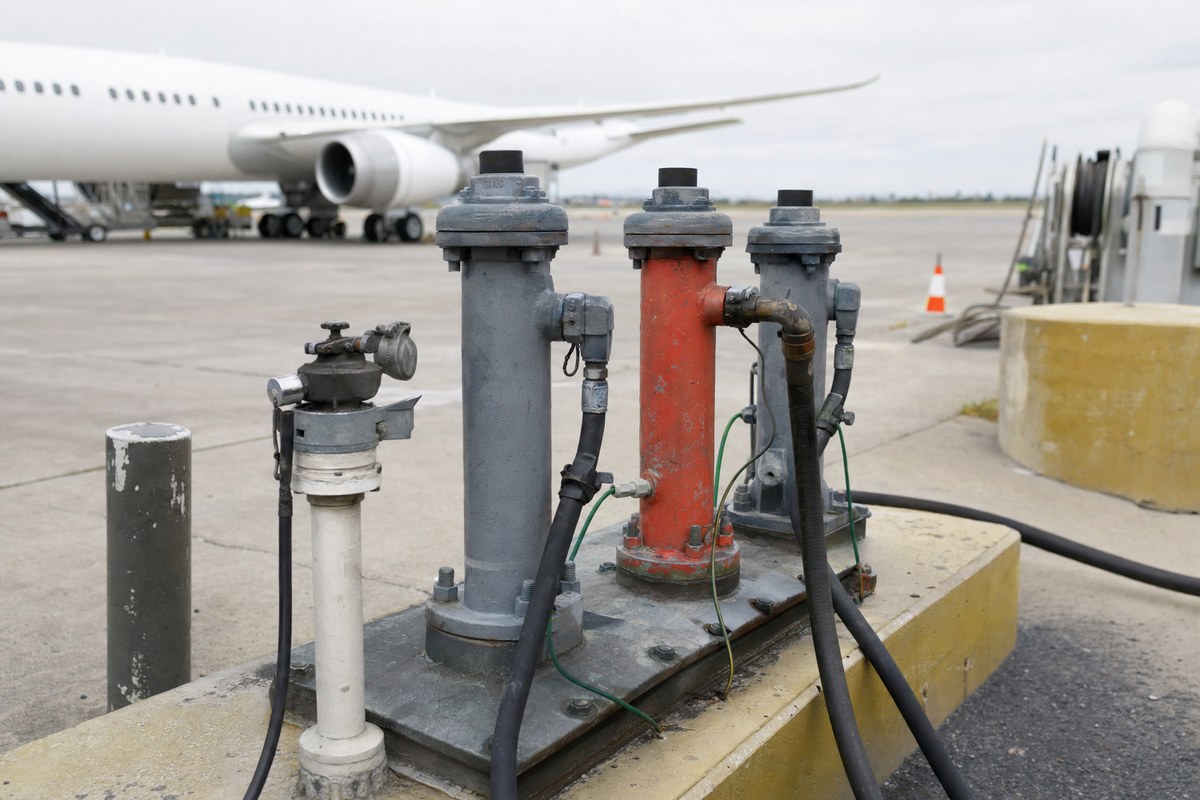
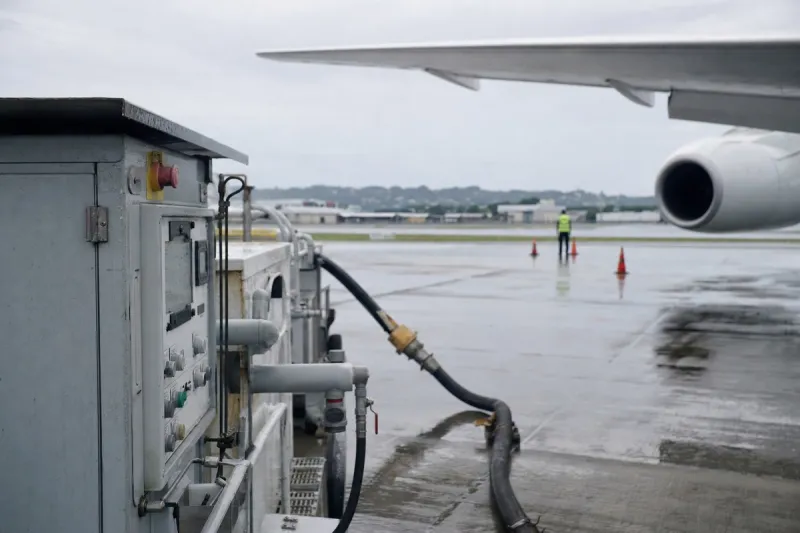
The Niagara Frontier Transportation Authority, which operates the airport, described the episode as a technical issue affecting fuel transfer rather than a complete loss of jet fuel supply, indicating the fault lay within the fuel system infrastructure — the network of pumps, valves, hydrant lines, and storage tanks that delivers fuel to aircraft at the gates. To compensate for the reduced fueling capability, some outbound flights departed Buffalo with enough fuel to reach nearby alternate airports, including Pittsburgh and Rochester, where they refueled before continuing to their intended destinations.
Passengers and aviation workers posting on online forums described fuel trucks depleting remaining stock and a growing backlog of aircraft awaiting service during the morning peak, with some late-afternoon departures unable to obtain fuel without a diversion plan. Flight tracking data and traveler accounts indicated longer-than-normal gate holds and extended travel times due to mid-route fuel stops, with direct routes replaced by multi-leg journeys on some services. The airport remained open throughout the incident and continued to handle passengers and aircraft movements, and there were no widespread indications of mass cancellations by midday.
Industry impact & what to watch
This episode belongs to a category of disruption that originates not with an airline or an aircraft but with the airport's own fuel infrastructure — the pumps, valves, hydrant lines and storage tanks that sit outside any single carrier's control. When that layer fails, every operator using the field faces the same constraint at once, and the response is improvised at the gate rather than planned in advance.
Apron fueling systems are shared infrastructure: airlines depend on the airport authority to keep hydrant and tank systems functioning, and have limited independent means to restore capacity when a technical fault interrupts transfer. The workaround used here, tankering enough fuel to reach a nearby airport and completing the trip after a refueling stop, is a standard response to a local fuel shortfall, but it adds flight time, consumes crew duty hours and turns single-leg routes into multi-leg ones.
What happens next depends on how quickly the Niagara Frontier Transportation Authority restores full on-apron fueling capability and whether it discloses the underlying cause of the fuel-transfer fault. Until repairs are confirmed complete, carriers serving Buffalo will likely continue building extra fuel margin or alternate-airport contingencies into their planning for flights through the field.