Amritsar Airport Suspends Operations for 90 Minutes After Drones Spotted, Seven Flights Diverted
Why It MattersThe episode shows how airports lean on rehearsed joint-committee protocols to convert unverified drone sightings into fast, reversible airspace closures rather than prolonged shutdowns.
What happened
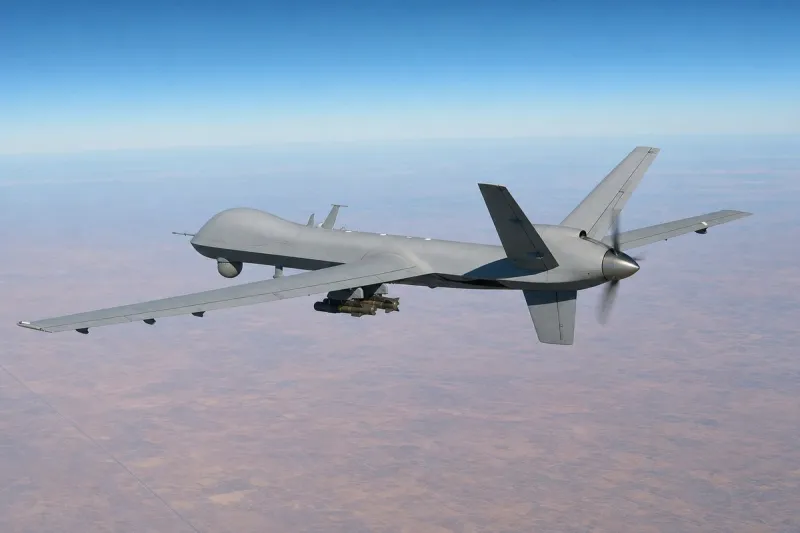
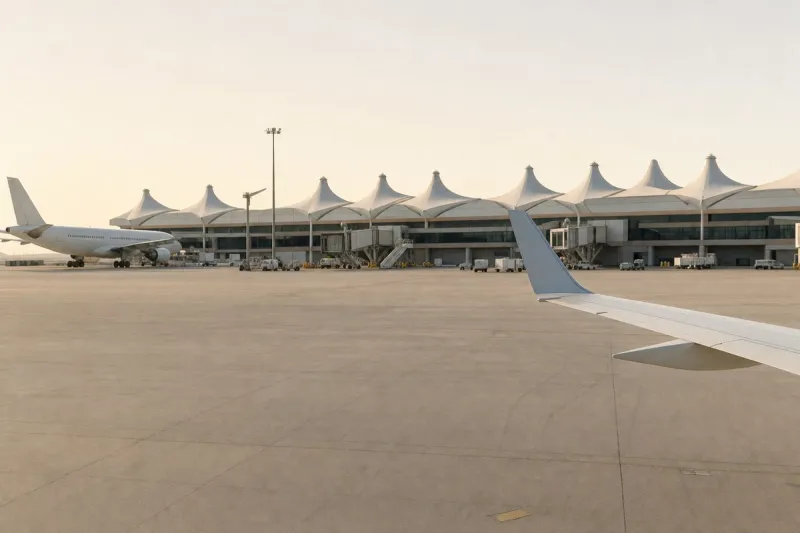
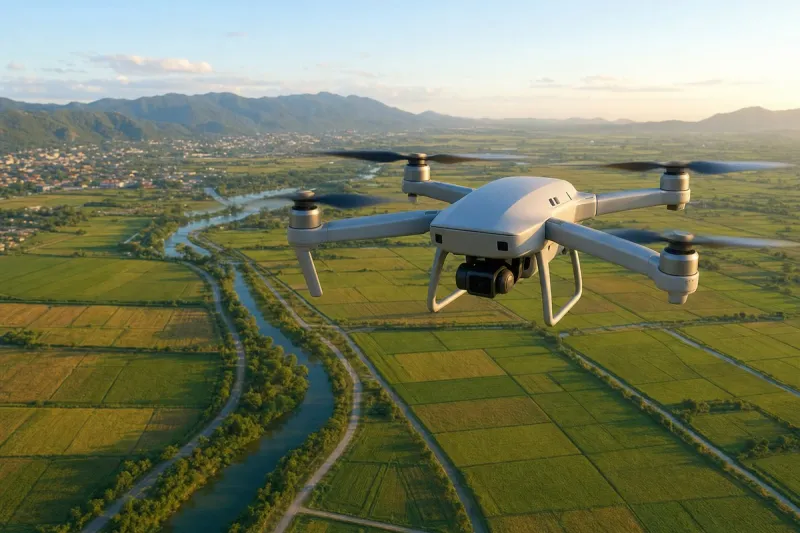
Flight operations at Amritsar Airport were suspended for approximately 90 minutes on Sunday night after drones were spotted over the airfield, forcing seven flights to divert. Airport Director Anirudh Kumar Sharma said the Air Traffic Control unit received a report from the Indian Air Force at around 9:45 pm indicating drone activity across the airfield.
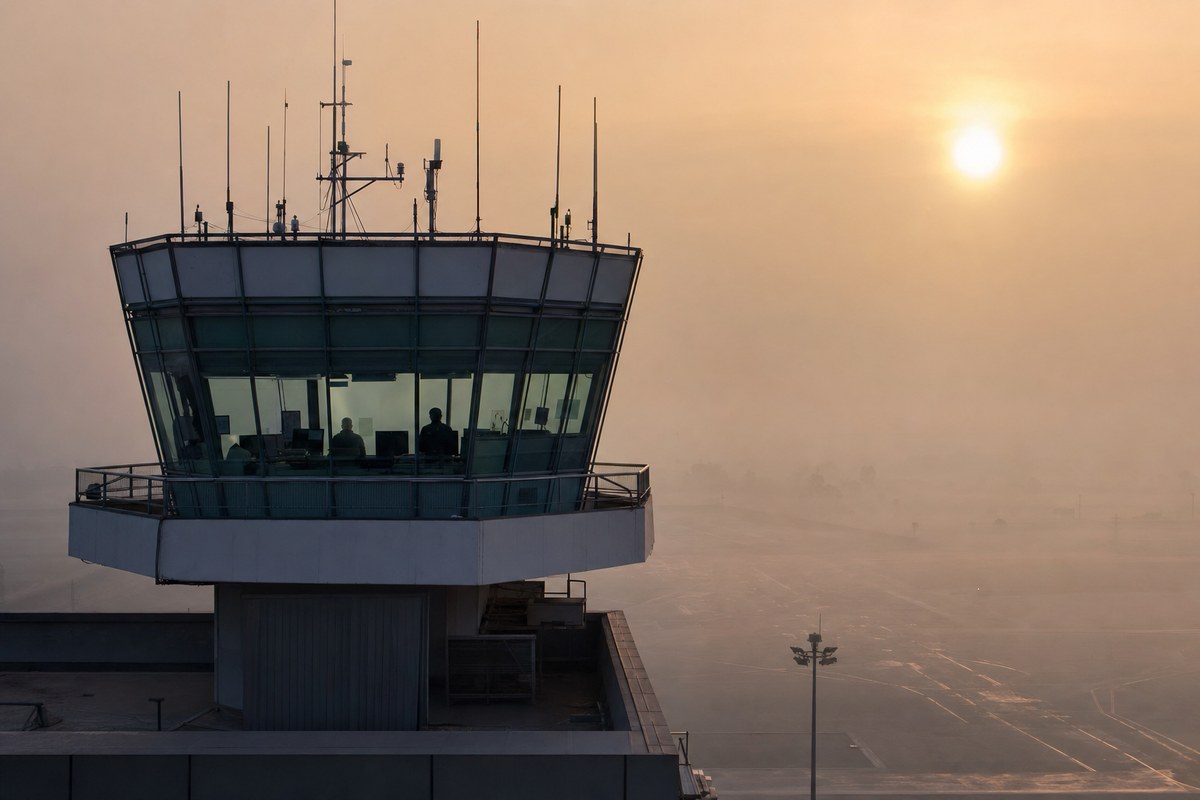
A Joint Action Committee was immediately activated and assembled in the control tower under the airport's standard operating procedure for drone sightings. After assessing that the drone activity could disrupt scheduled landings, the committee decided to close the airfield, and operations were suspended at approximately 9:50 pm. Several aircraft already holding overhead at the time had to be diverted: two flights were sent to Chandigarh and five to Delhi.
The Joint Action Committee reviewed the situation at around 11:00 pm and, finding no further drone activity, declared the situation under control. Normal operations resumed at 11:15 pm. Of the seven diverted flights, five eventually returned to Amritsar. One Air India flight that had been diverted to Delhi was cancelled, and a Malaysia Airlines flight was expected to arrive the following day. Police are investigating the drone incident.
How it unfolded
Normal operations resumed at Amritsar Airport.
Committee reviewed the situation, found no further drone activity, and declared it under control.
Joint Action Committee assembled in the control tower and closed the airfield; operations suspended.
ATC received a report from the Indian Air Force indicating drone activity across the airfield.
Industry impact & what to watch
Unauthorized drone activity near active runways forces controllers to choose between accepting collision risk and halting arrivals outright, and Amritsar's response followed the latter path: a scripted committee decision rather than an improvised one. The seven diversions to Chandigarh and Delhi show how quickly a single sighting cascades into displaced aircraft, crew and passenger disruption at other airports even when the affected field reopens within two hours.
This kind of event tests how well an airport's standing joint-agency protocol works under real conditions — how fast a report from a military or security source reaches the tower, how quickly a committee can convene, and how conservatively it defines "clear" before resuming landings. Amritsar's roughly 90-minute closure, bookended by a military tip-off and a committee stand-down call, suggests the mechanism functioned as designed rather than as an ad hoc response.
What remains open is the source and intent behind the drones, now a matter for the police investigation. The disposition of the cancelled Air India flight and the delayed Malaysia Airlines arrival will show how far the disruption's costs extended beyond the airfield's own reopening.