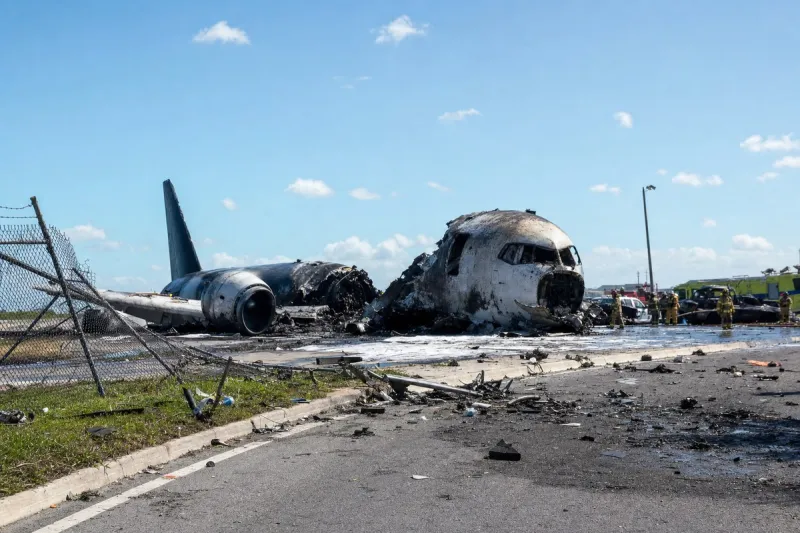
Amazon Prime Air Boeing 767 Overruns Miami Runway, Killing at Least 5; 317-Minute Ground Delay Disrupts Thousands of Flights
Why It MattersThe closure shows how a single runway-departure incident can cascade into a multi-day capacity crunch when redundancy is limited and safety systems require full recertification before reopening.
What happened
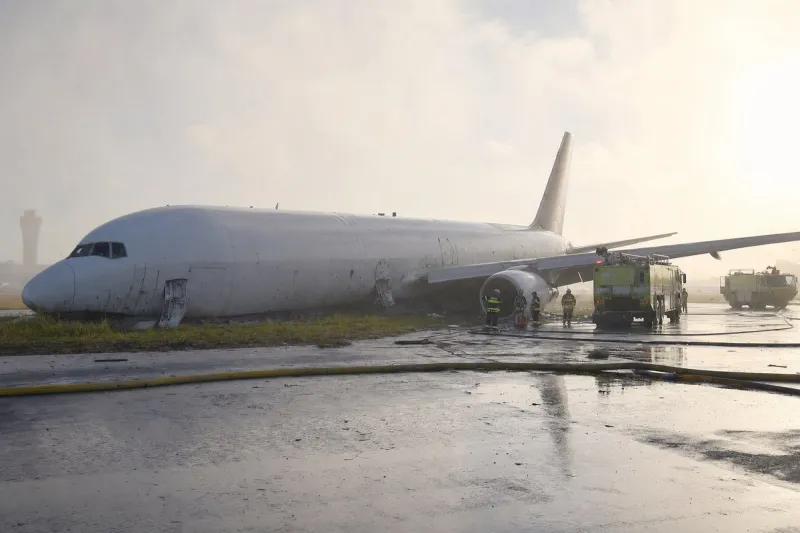
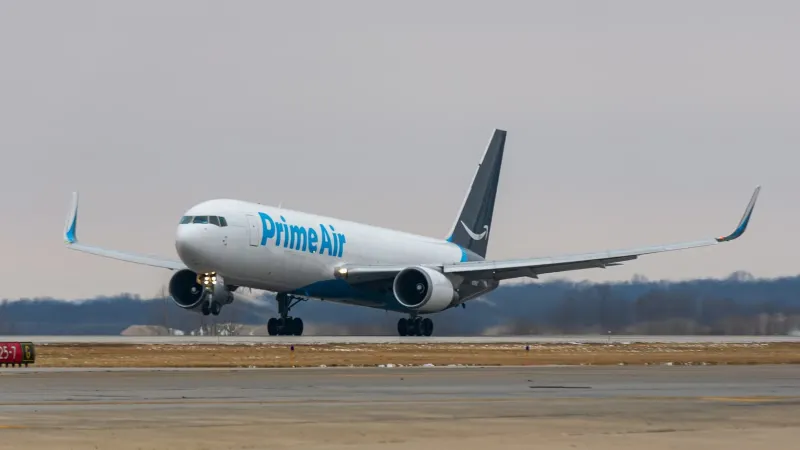
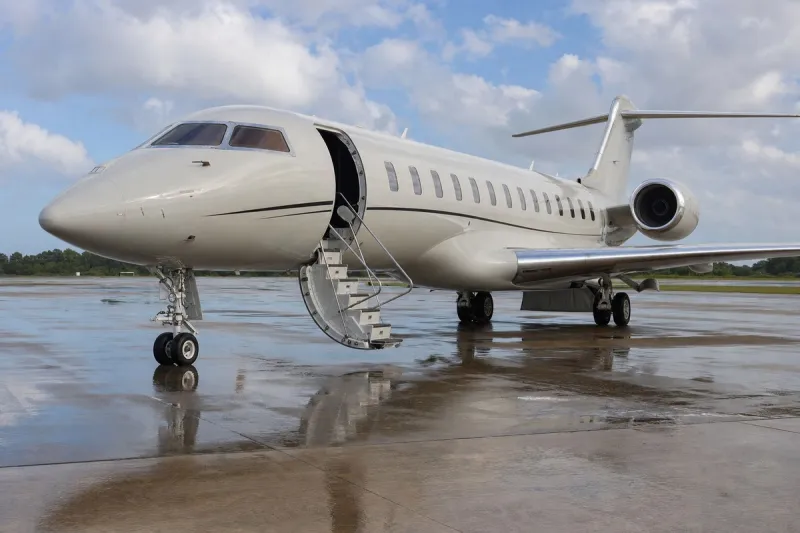
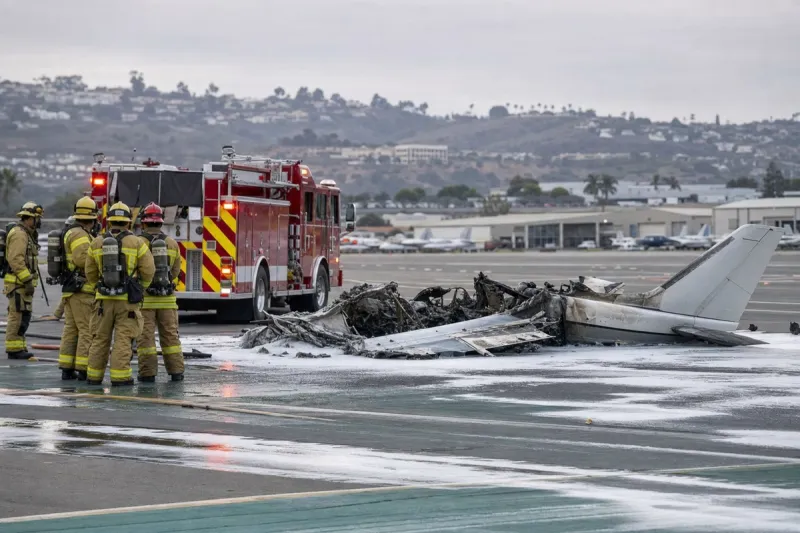
An Amazon Prime Air cargo flight overran a runway at Miami International Airport (MIA) on Sunday, September 6, 2026, killing at least five people and injuring five others. Flight 7598, a 32-year-old Boeing 767-300 freighter operated by 21 Air on behalf of Amazon, was on final approach to runway 30 at approximately 1:58 PM Eastern Time when it overshot the runway at a speed of nearly 130 miles per hour, according to flight-tracking data from Flightradar24. The aircraft left the usable portion of the runway, crashed into several vehicles parked at the northwest end of the airport, and burst into flames, prompting more than 60 emergency units to respond.
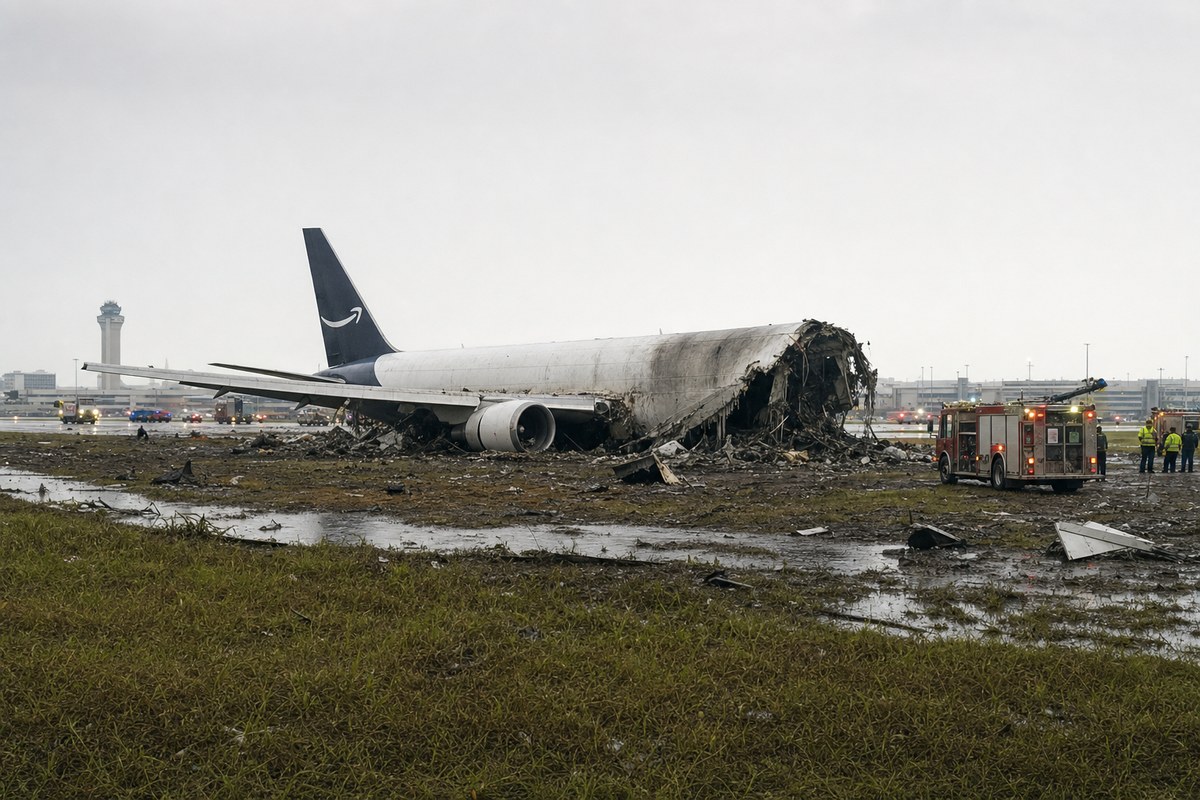
A review of air traffic control audio by CNN showed the pilots did not declare an emergency before landing. Inspection crews found no aircraft parts or debris on the runway, but the plane damaged navigational equipment upon leaving the pavement, a factor cited as a key reason two of MIA's four runways remained closed into the following days while instrument landing systems required inspection and recertification. MIA does not have an Engineered Materials Arresting System, a soft concrete bed installed at more than 120 U.S. airports designed to stop overrunning aircraft before they reach airport boundaries. The NTSB arrived at MIA on Monday, September 7, to begin its formal investigation, and whether the absence of that system contributed to the outcome is among the questions it will examine.
The crash triggered an immediate full ground stop, closing all four of MIA's runways simultaneously. One runway reopened around 4:15 PM Sunday, and a second about 30 minutes later, leaving the airport at half its normal runway capacity. More than 450 flights were delayed or cancelled on Sunday night alone. On Monday, September 7, the FAA recorded a 317-minute average ground delay at MIA. FlightAware recorded 129 domestic flights delayed and 65 cancelled at MIA on Monday, with more than 230 delayed and more than 70 cancelled as of Monday afternoon; nationally, 2,559 delays and 170 cancellations were recorded across the United States that day. Other significantly affected airports on September 7-8 included Boston Logan (208 delays, 44-minute average ground delay, due to runway construction), Los Angeles International (154 delays), San Diego International (148 delays, 49-minute average ground delay), Atlanta Hartsfield-Jackson (142 delays, convective weather), and San Francisco International (118 delays, ongoing runway construction).
As of Tuesday, September 8, disruption at MIA was continuing with two runways still closed, and the airport advised passengers to check directly with their airline before traveling. American Airlines, MIA's largest carrier, issued travel waivers covering change fees for all passengers with flights to, from, or through MIA. U.S. Transportation Secretary Sean Duffy advised travelers to anticipate significant delays and potential cancellations. Amazon spokesperson Kelly Nantel said: "We're working closely with local authorities and officials to learn more and will cooperate fully with any investigation."
Industry impact & what to watch
This event shows how concentrated a hub airport's exposure can be when a single runway incident forces a full ground stop: MIA lost all four runways at once and, days later, was still operating on half its normal capacity. Runway-overrun risk is a known category in aviation safety, and airports mitigate it with tools such as arresting systems, but MIA's lack of one means the investigation will have to weigh that absence alongside approach speed, landing technique, and equipment condition before any cause is established.
Ground-delay programs illustrate how disruption at one large airport radiates outward through the national system rather than staying contained: the FAA logged 2,559 delays and 170 cancellations across the United States on September 7, even as other airports separately dealt with construction and weather. That overlap is a reminder that network-wide delay figures on any given day often reflect several unrelated causes compounding at once, not a single root event.
What happens next depends on how quickly the two closed runways clear inspection and recertification of their instrument landing systems, and on what the NTSB's investigation finds regarding the aircraft's approach and the airport's runway-safety infrastructure. Carrier waivers and the Transportation Secretary's public guidance signal that the disruption was still being actively managed as of the latest update, with the scope of recovery tied directly to the pace of that technical clearance.