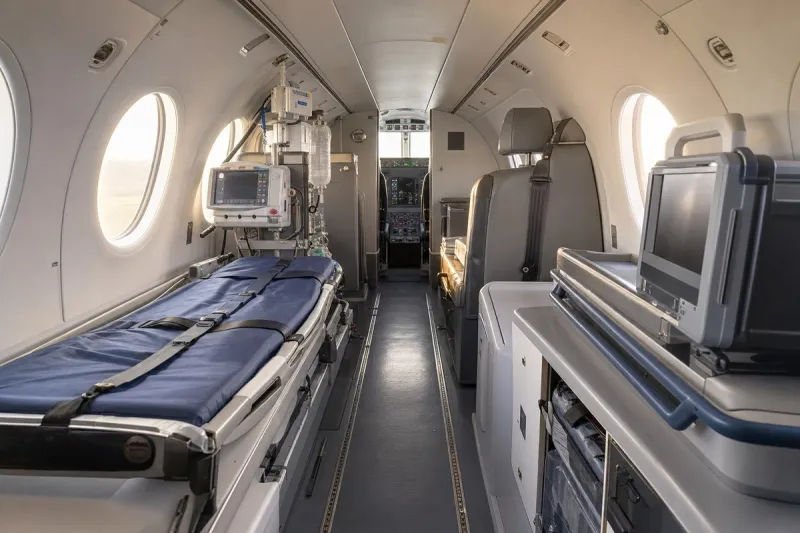
Trump Pressures Bombardier to Move Production to U.S. Amid Escalating U.S.-Canada Tariff War
Why It MattersCross-border tariff threats collide with an aerospace supply chain where a foreign-flagged manufacturer can still carry thousands of U.S. jobs, suppliers and FAA-certified products embedded in it.
What happened
President Donald Trump singled out Canadian business jet maker Bombardier in the escalating U.S.-Canada tariff dispute, posting on Truth Social: "If Bombardier wants to keep selling planes in the U.S., they should produce them in the U.S." The post landed just hours before Canada's retaliatory tariffs were due to take effect at 12:01 a.m. on the 8th, covering 15-50% tariffs on 700 U.S. products in response to U.S. tariffs on Canadian wines, cement, and ice hockey equipment.
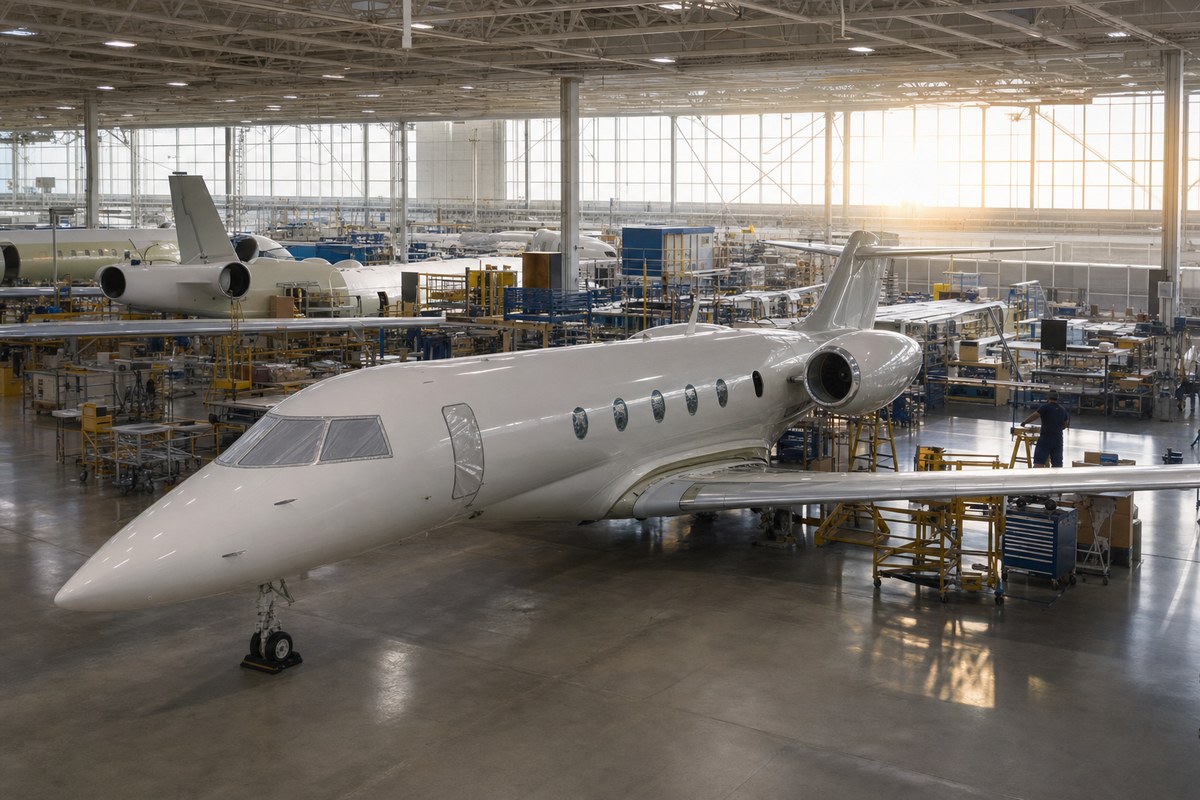
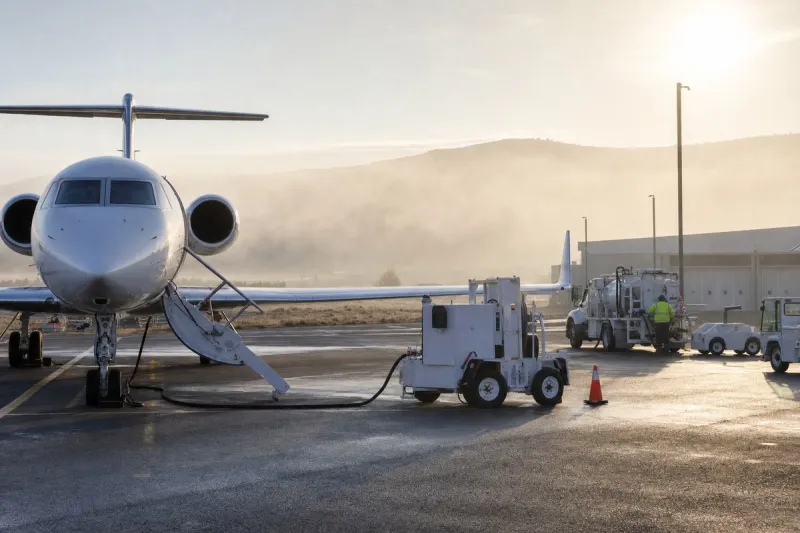
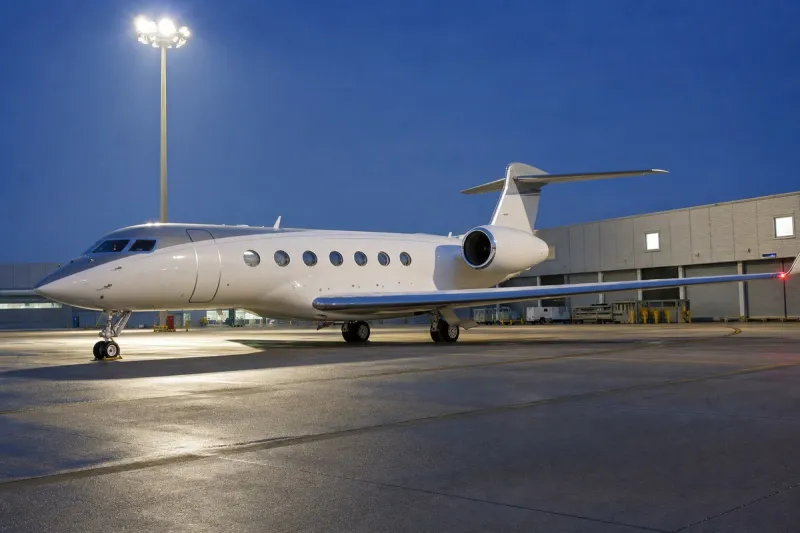
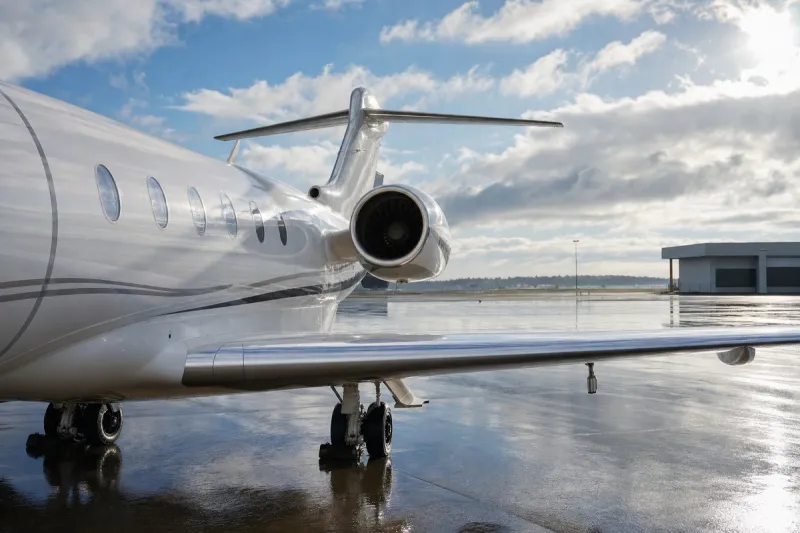
This was not the first time Bombardier had drawn Trump's attention. In January, Trump claimed Canada was unjustly delaying certification for Gulfstream jets, a direct rival to Bombardier in the premium business jet market, and threatened to revoke U.S. certification for Canadian aircraft including Bombardier's Global series while imposing 50% tariffs. Canada's government said the certification process was proceeding normally, and after Canada approved the Gulfstream models in February, the threats were not carried out.
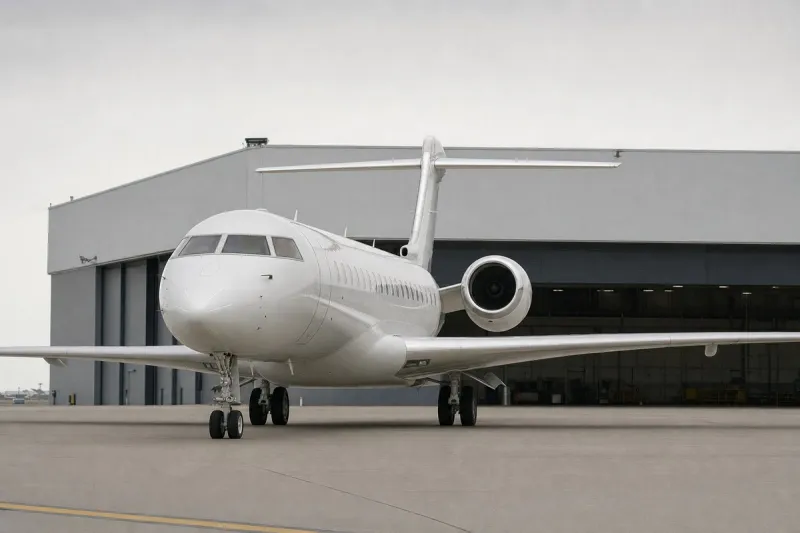
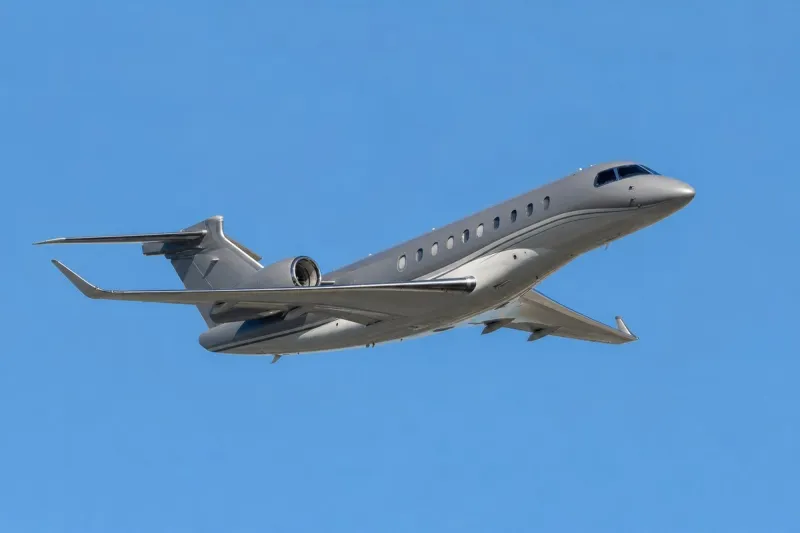
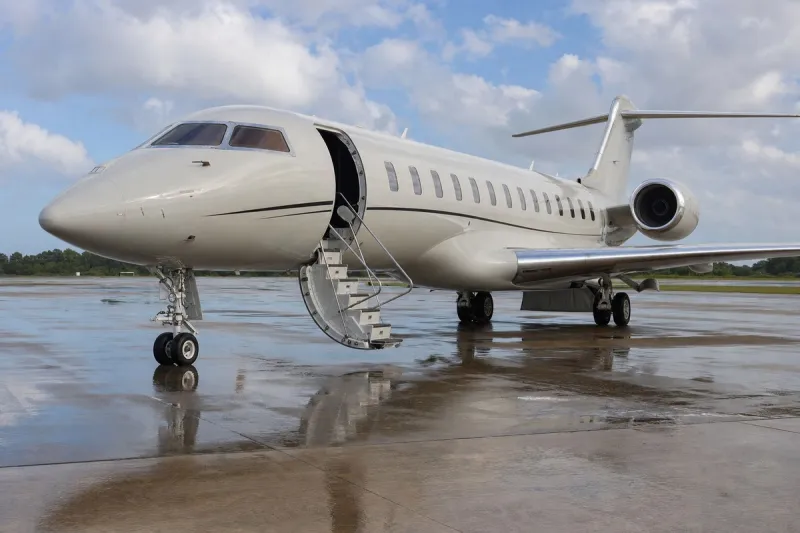
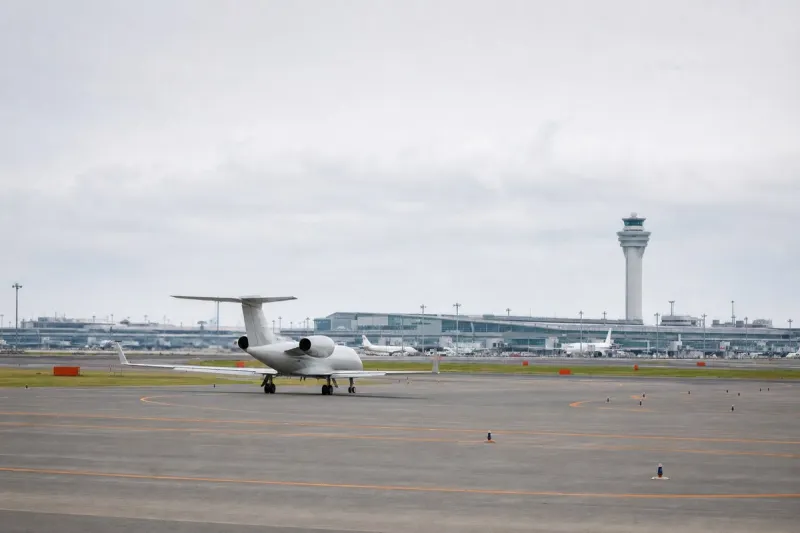
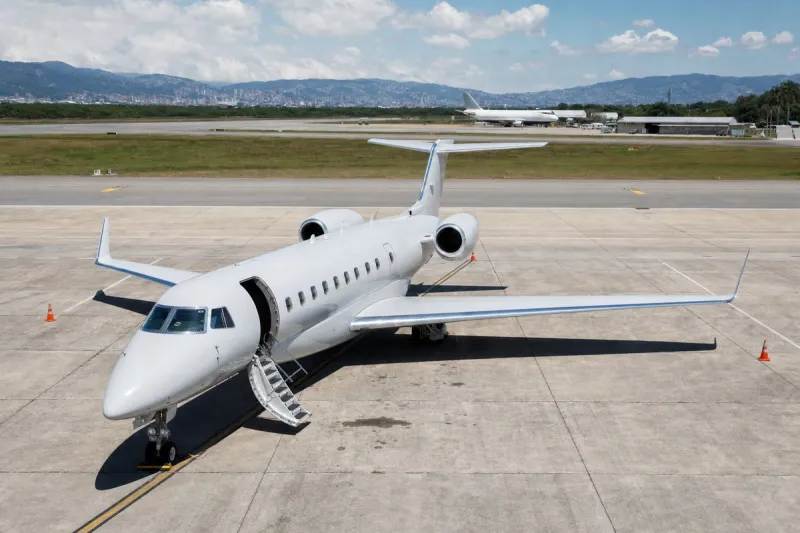
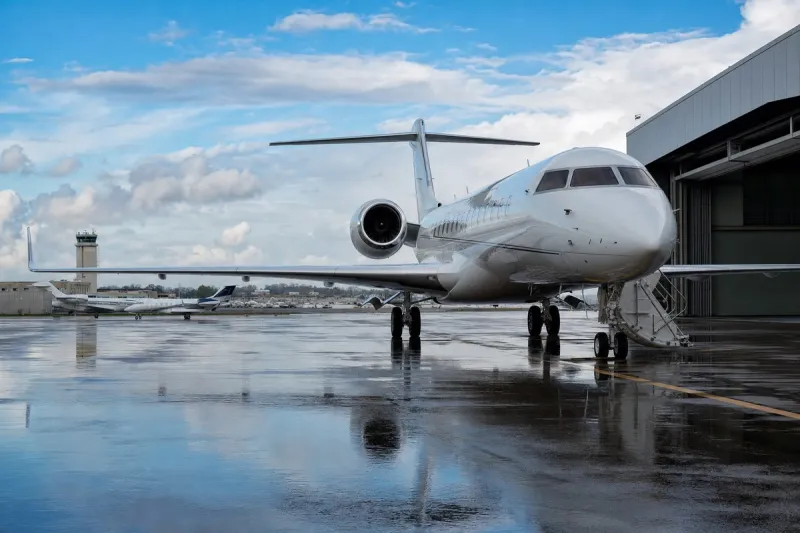
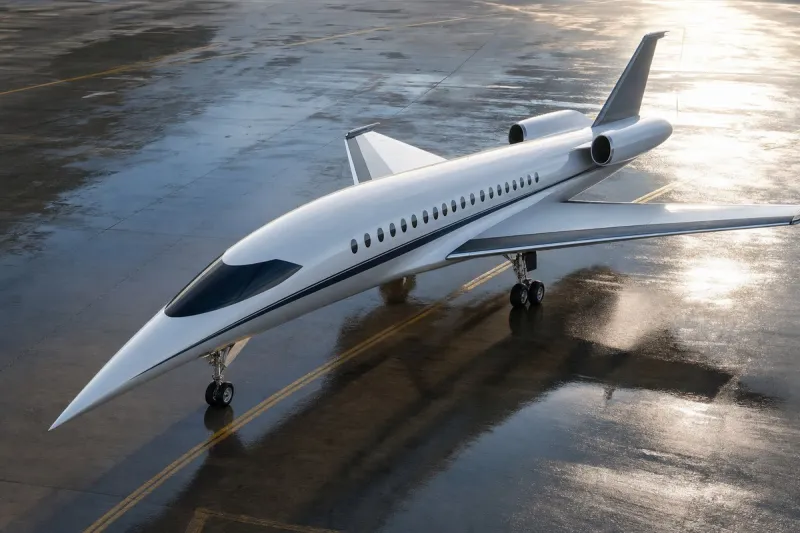
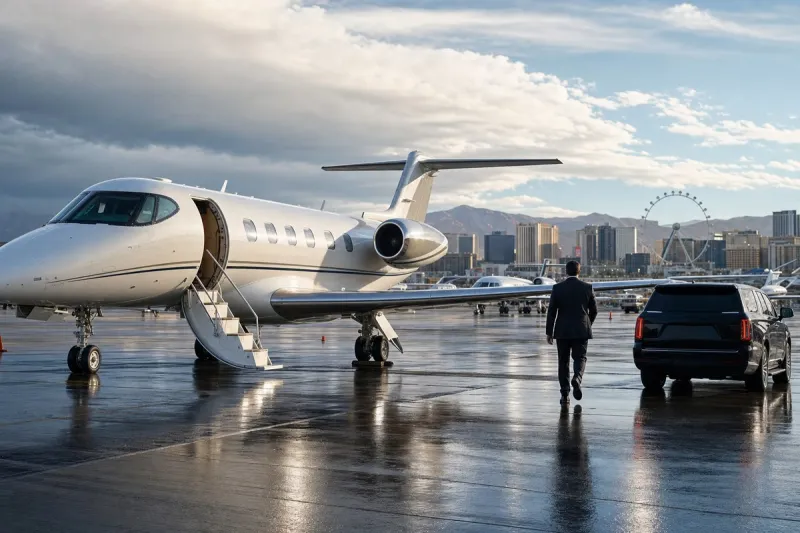
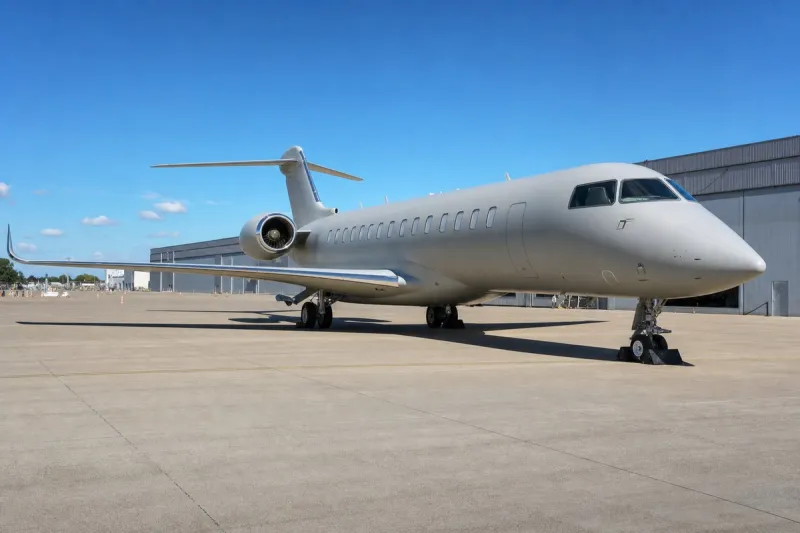
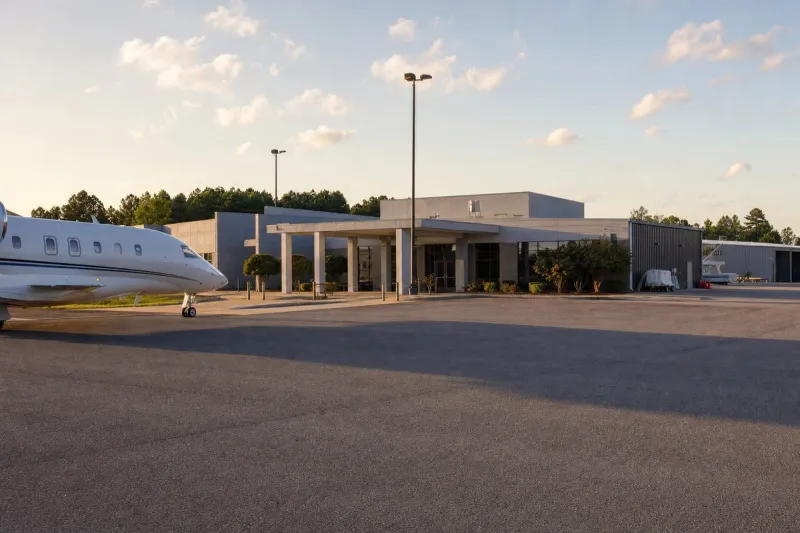
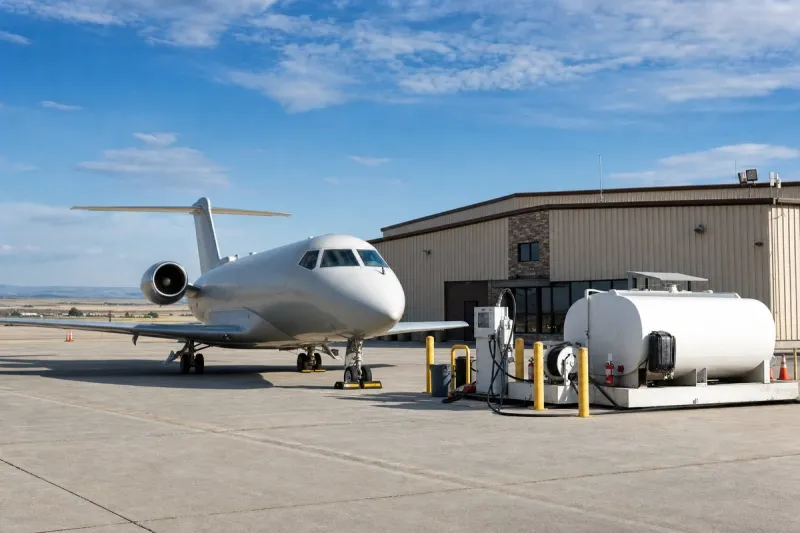
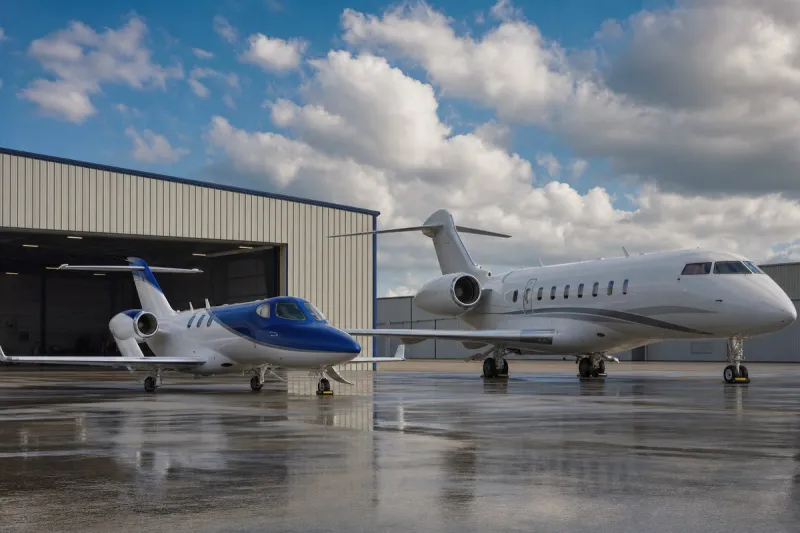
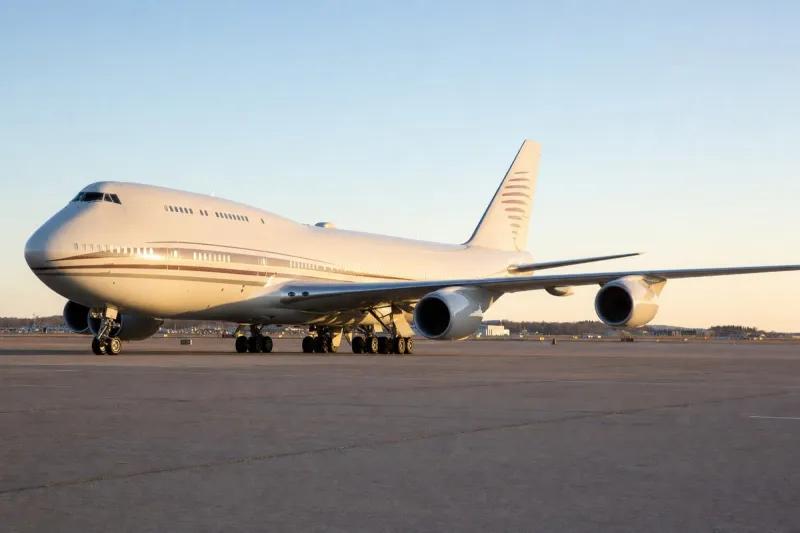
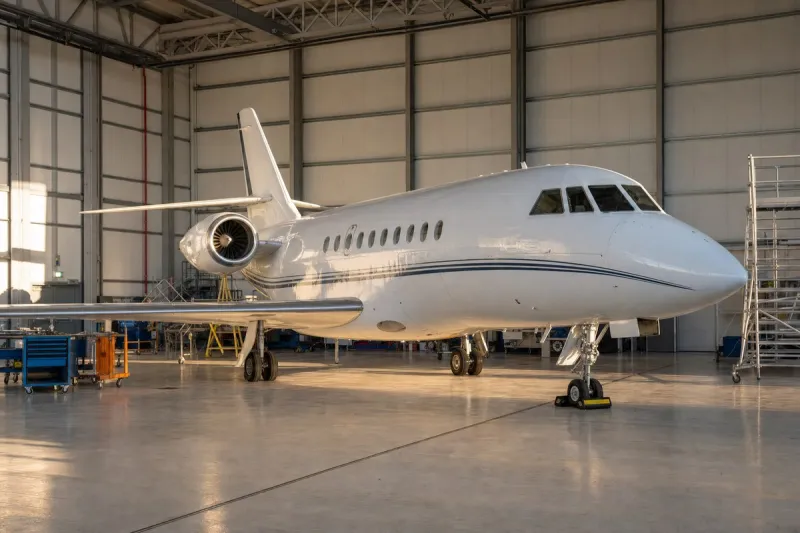
Bombardier, founded in 1942 and headquartered in Montreal, Quebec, focuses exclusively on high-end business jets, namely the midsize Challenger series and the long-range Global series. The Global 8000, with a top speed of Mach 0.95, is marketed as the fastest civilian aircraft since the Concorde. Bombardier delivered 157 aircraft last year and reported $9.55 billion in sales. Of roughly 5,100 Bombardier aircraft operating worldwide, nearly half are based in the U.S. The company employs around 3,500 people in the U.S. and works with 2,800 U.S. suppliers, operates a military aircraft modification facility and a large maintenance center in Wichita, Kansas, and produces wings for the new Global 8000 in Texas. Most Bombardier jets use engines from U.S. companies GE Aerospace and Honeywell. Aviation analyst Richard Aboulafia told Reuters that Bombardier customers are unlikely to cancel orders, saying he did not know how Trump could stop the sale of aircraft already certified by the U.S. Federal Aviation Administration.
Industry impact & what to watch
Trump's post is the second time in under a year that a single manufacturer has been named directly in a tariff standoff, and both episodes track the same trade dispute rather than any new grievance specific to Bombardier's aircraft. That repetition matters because business jet manufacturing is not neatly national even when a company's headquarters and identity are: Bombardier's U.S. footprint of employees, suppliers, a Kansas maintenance and modification site, and Texas wing production for the Global 8000 sits underneath a Canadian corporate shell, and its jets fly on U.S.-built GE Aerospace and Honeywell engines.
That structure is why an analyst could tell Reuters that customers are unlikely to cancel orders and that he did not see a mechanism for Trump to stop sales of aircraft the FAA has already certified — certification and delivery contracts do not move with a tariff announcement the way headline pricing might. The January episode ended the same way, with a certification threat withdrawn once Canada approved the disputed Gulfstream models.
What would change this reading is whether Washington attaches an actual tariff rate or a certification action to Bombardier specifically, rather than a social media demand. Until an agency order, a certification review, or a tariff schedule names the company, the story stays where it has stayed twice now: pressure applied and not enacted.