Qatar-Gifted Boeing 747-8 Presidential Aircraft to Make First Europe Trip as Trump Flies to Ireland on September 12
Why It MattersThe episode shows how a stopgap presidential aircraft, delivered outside the normal defensive-systems and program-timeline framework, forces operational workarounds while the intended replacement schedule keeps slipping.
What happened
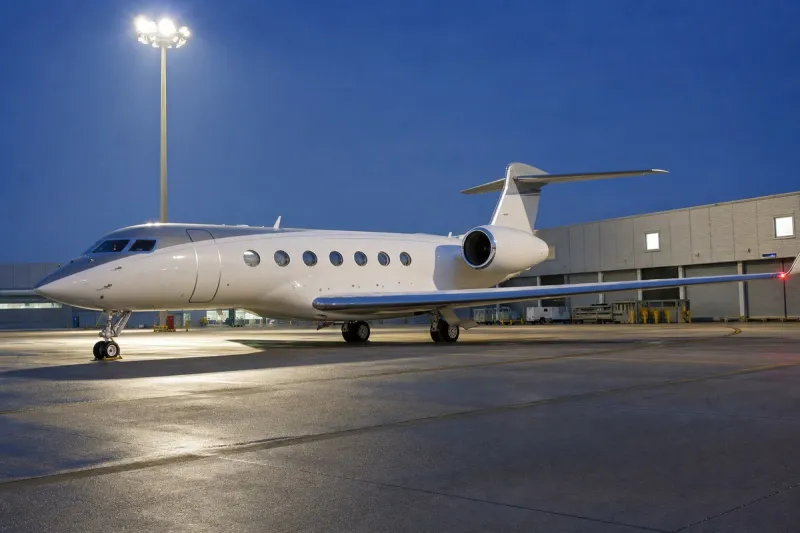
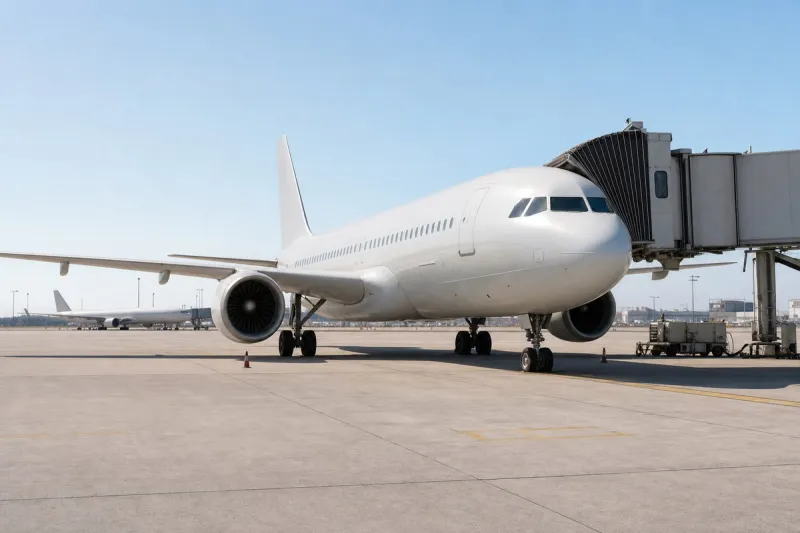
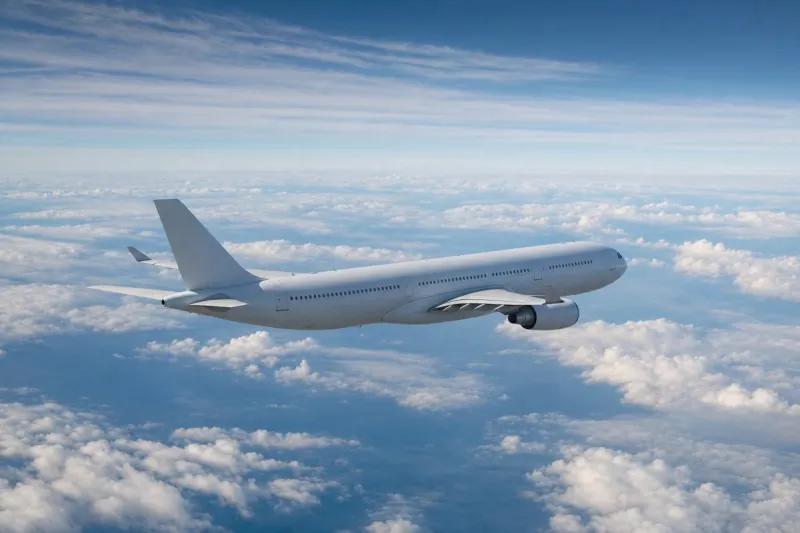
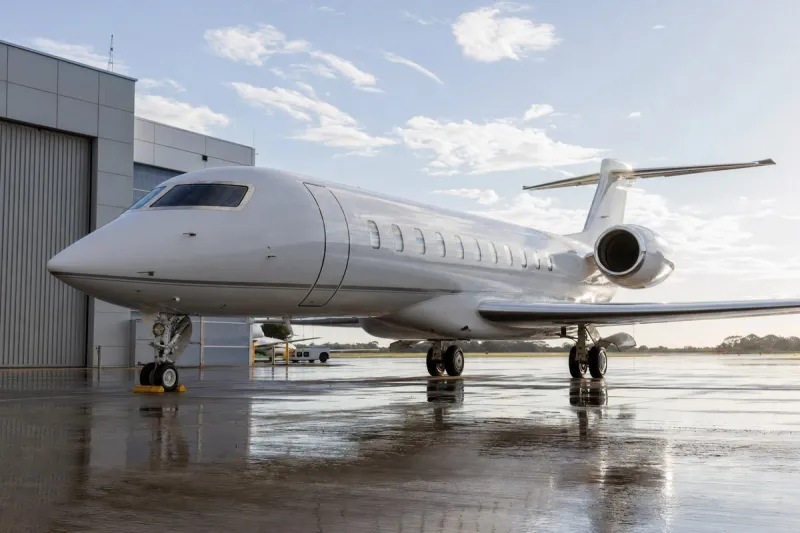
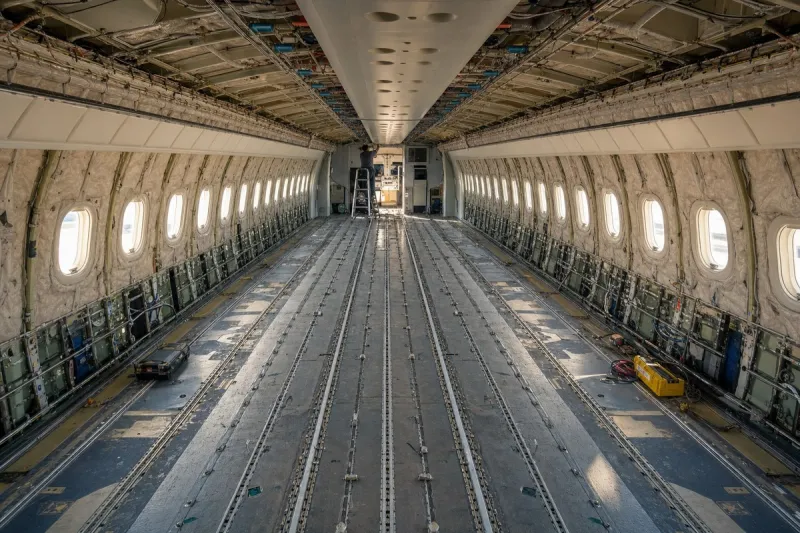
President Donald Trump is scheduled to fly to Ireland on September 12 aboard the Qatar-gifted Boeing 747-8 interim presidential aircraft, marking the jet's first flight outside North America since July. The Air Force designates the aircraft the VC-25B Bridge aircraft. It was originally a Boeing 747-8 BBJ, serial number 37075, delivered to the Qatar Amiri Flight in April 2012, carrying registrations A7-HJA, A7-HBJ and P4-HBJ, and configured as a private transport for former Qatari Prime Minister Hamad bin Jassim bin Jaber Al Thani with seating for 89 passengers, sycamore and wacapou joinery, and a Calder artwork in the cabin.
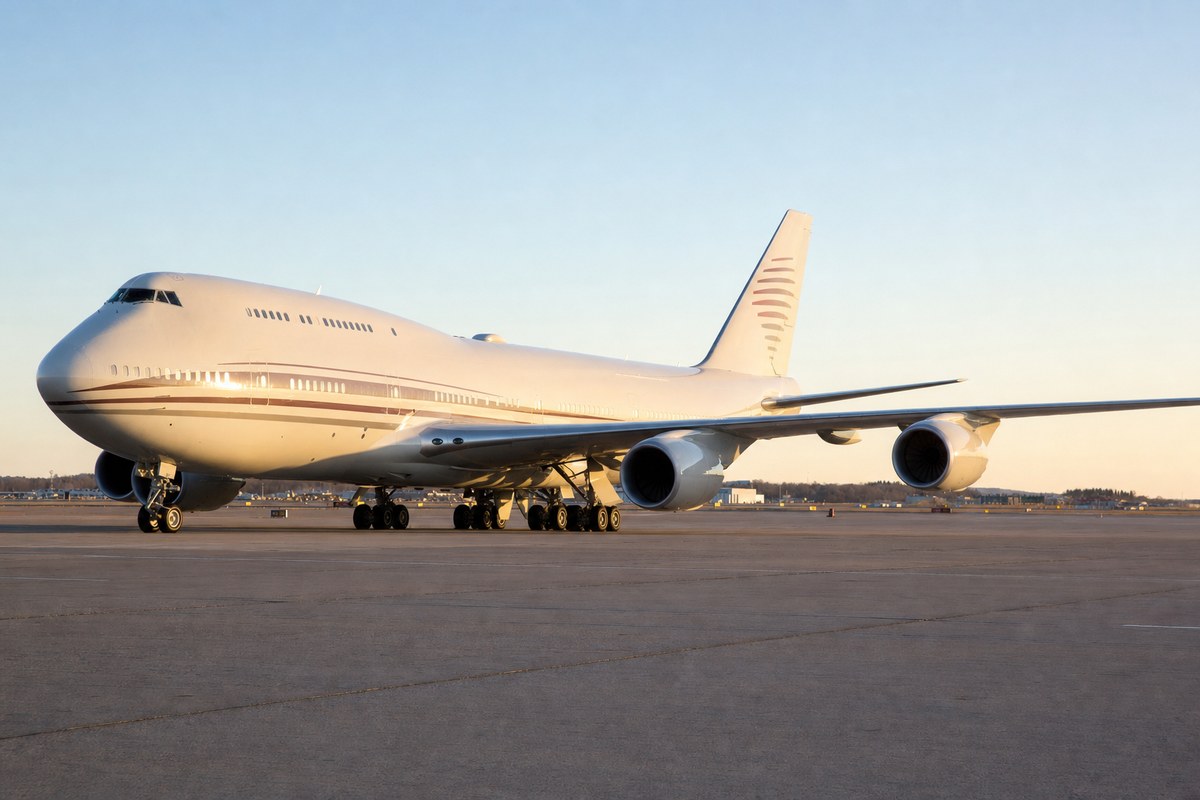
Defense Secretary Pete Hegseth formally accepted the aircraft for the Air Force on May 21, 2025. It was registered as N7478D and flown to Greenville, Texas, for modification work. The aircraft lacks the defensive systems fitted to the two VC-25A jets, tail numbers 28000 and 29000, that have served as Air Force One since 1990 and 1991 — including AN/AAQ-24 directional infrared countermeasure turrets, AN/ALQ-204 infrared jammers, missile launch warning sensors and nuclear EMP hardening. Officials have also acknowledged the Bridge aircraft lacks an emergency lower-level exit and a backup power system.
On July 8 in Ankara, US intelligence detected what officials characterized as a credible plot to fire a missile at Air Force One from the ground near the airport. Trump did not board the Bridge aircraft; he was moved in an airport catering cart onto a C-32A, the militarized Boeing 757 normally used by the vice president, while the Qatar-gifted 747-8 flew ahead to RAF Mildenhall, England, carrying the traveling press with window shades pulled down as a decoy.
In Ireland, Trump is scheduled to attend the Irish Open at his Doonbeg golf course and to meet President Catherine Connolly and Taoiseach Micheal Martin. Trump has stated the aircraft would enter a hangar for upgrades after the trip, taking about 60 days beginning in October; no confirmed scope or firm start date has been published. The two true VC-25B replacements, under a Boeing fixed-price contract worth approximately $3.9 billion signed in 2018, were originally due by the end of 2024. Delivery is now set for mid-2028 and mid-2029, and Boeing has absorbed roughly $3.13 billion in cumulative losses on the program. The Bridge aircraft is expected to transfer to the Donald J. Trump Presidential Library Foundation by January 1, 2029.
Industry impact & what to watch
The Ankara episode illustrates a structural risk of bridging a head-of-state fleet with an aircraft that was never built to the mission's defensive specification: a routing decision made in real time, under threat information, substituted a lower-profile aircraft for the flagship one. That kind of substitution capability — a backup airframe able to absorb the primary role at short notice — is normally engineered in from the start on presidential transport rather than improvised.
The broader pattern is a program that slipped from a fixed-price contract meant to control cost and schedule into a multi-year delay, with Boeing carrying losses well beyond the original contract value while the government relies on an interim jet lacking countermeasures, an emergency exit and backup power. Fixed-price defense contracts are supposed to transfer schedule risk to the contractor; the losses show that risk did not translate into an earlier delivery.
What comes into view next is the hangar upgrade itself: whether the roughly 60-day window holds, whether it starts in October as stated or slips past the November midterms as reporting has indicated, and what defensive or safety systems the upgrade actually adds. The mid-2028 and mid-2029 delivery dates for the two permanent VC-25B aircraft remain the milestones that would settle how long the Bridge aircraft, and its operational limitations, stay in service.