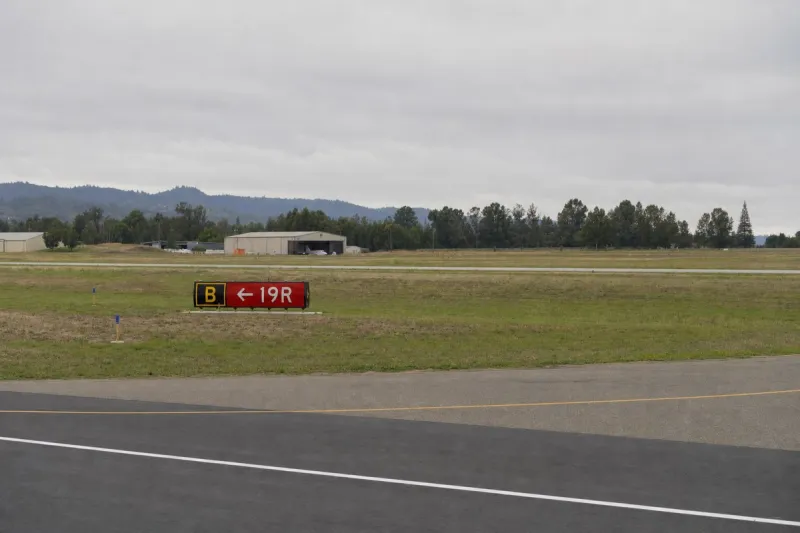
Modesto Jet Center Acquires 26,510 Sq Ft Hangar at KMOD
Why It MattersThe move shows FBOs expanding hangar capacity to capture corporate flight departments seeking bases with both facilities and integrated ground and maintenance support nearby.
What happened
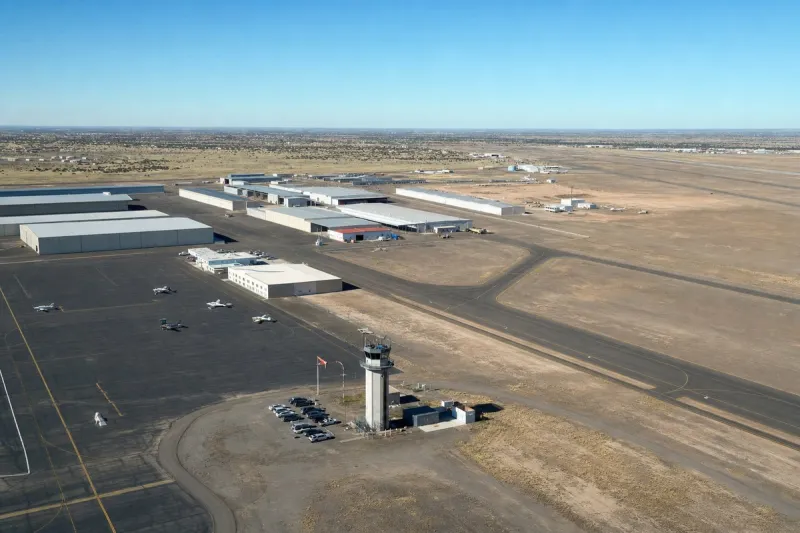
Modesto Jet Center has acquired a 26,510 square foot aircraft hangar at Modesto City County Airport (KMOD) in Modesto, California, expanding the FBO's capacity for corporate and general aviation operators.
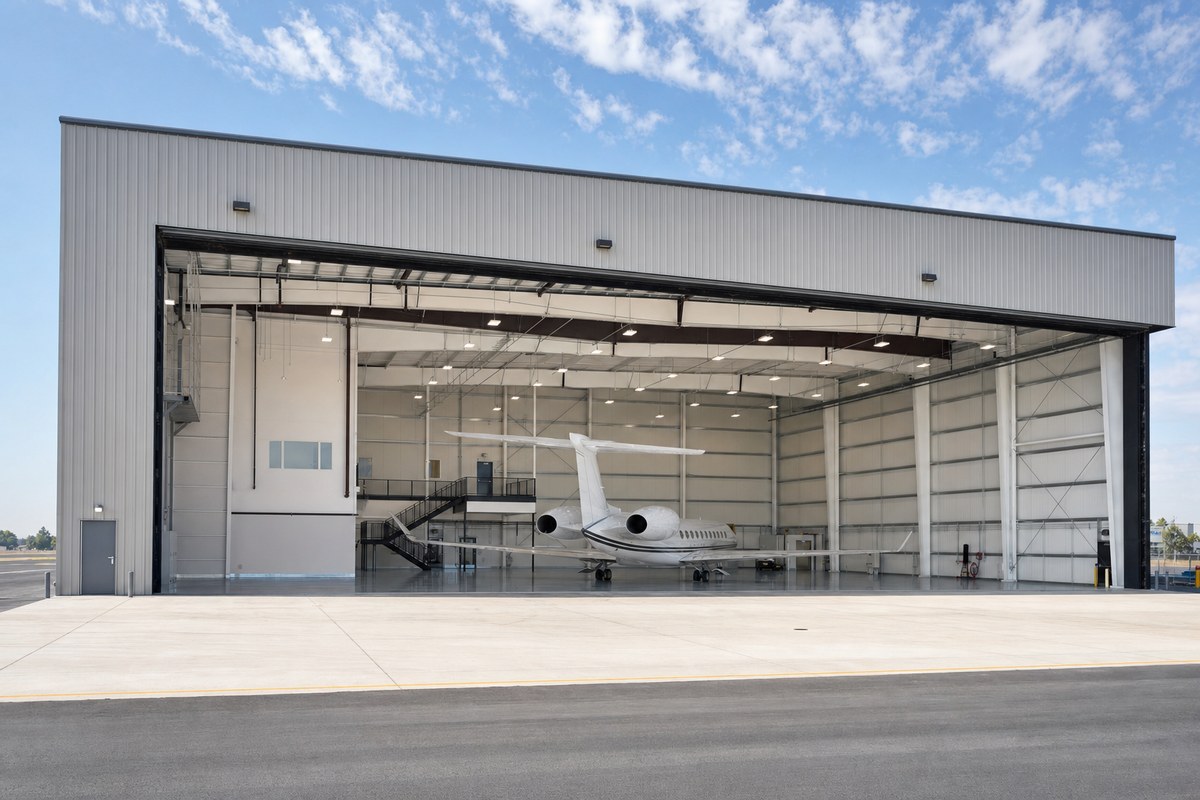
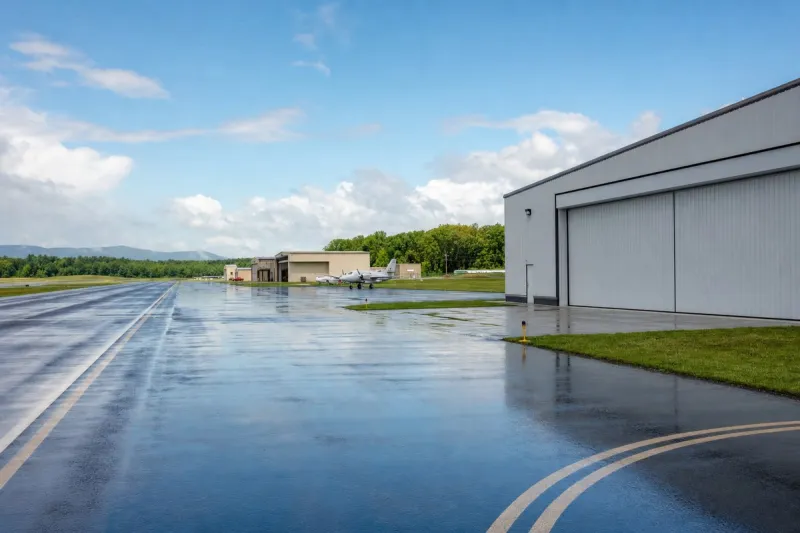
The insulated facility has doors 26 feet high, sized to accommodate aircraft as large as a Gulfstream G650. Interior amenities include executive offices, two full bathrooms with showers, additional upstairs office and storage areas, private gated vehicle access, and dedicated parking. Greg Holbrook, general manager of Modesto Jet Center, said "this is more than simply hangar space," describing it as "an opportunity for a corporate flight department or aviation operator to establish a highly functional base with the infrastructure and support needed to operate efficiently."
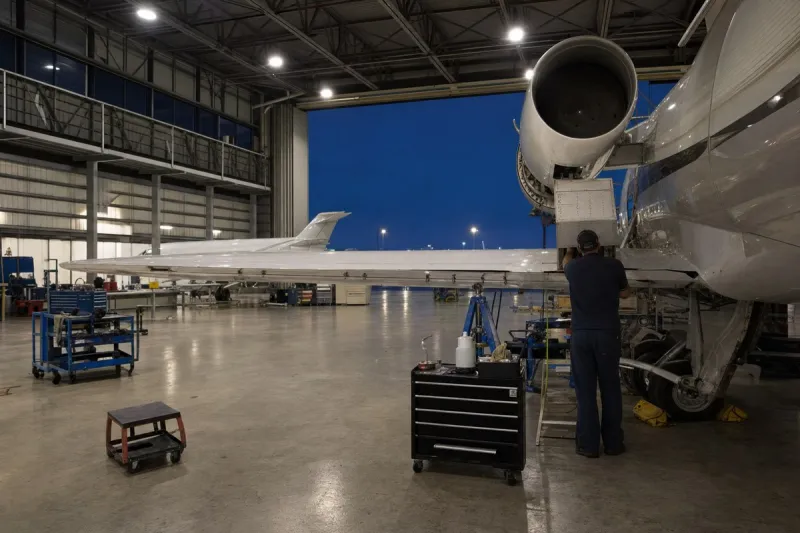
KMOD is a towered airport with a primary runway measuring 5,904 feet by 150 feet, providing access to Northern California's business markets. Tenants at the new hangar will have access to Modesto Jet Center's 24/7 FBO services, including fueling, line services, aircraft detailing, maintenance, and avionics support.
Industry impact & what to watch
Regional FBOs adding hangar footprint sized for large-cabin jets reflects how corporate flight departments choose a base: proximity to business markets matters less than whether the facility can physically house their aircraft and bundle maintenance, fueling and line service under one roof.
In general aviation, hangar capacity constrains which operators an airport can attract regardless of runway length or airspace access — a facility built around a Gulfstream G650 envelope signals intent to court larger flight departments rather than only light-jet or piston traffic.
Whether Modesto Jet Center secures a flight department or management company as an anchor tenant, and how quickly the space fills, will indicate whether Northern California's secondary markets can pull corporate aviation activity away from larger regional hubs.