Indonesia prepares three alternative airports as six close due to Mount Anak Krakatau ash
Why It MattersVolcanic ash events show how quickly aviation authorities must reroute traffic through secondary airports and mandate refunds, testing how flexible regional airport networks and airline compensation policies are under sudden safety-driven closures.
What happened
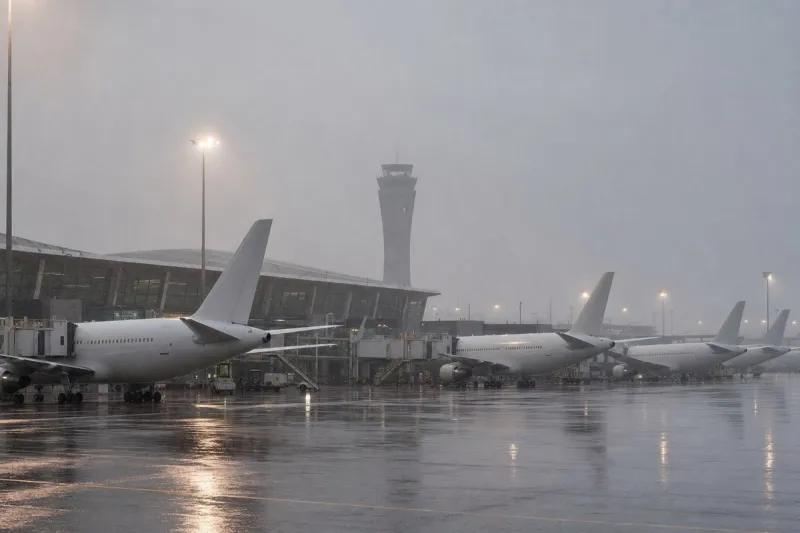
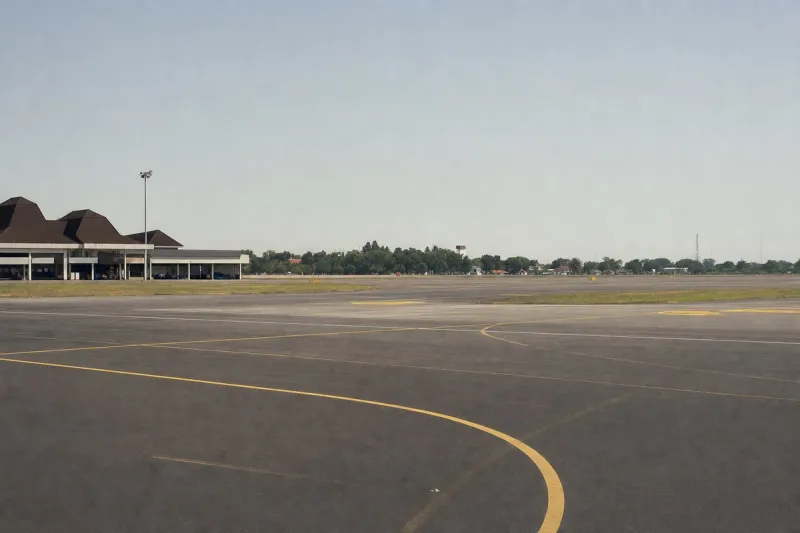
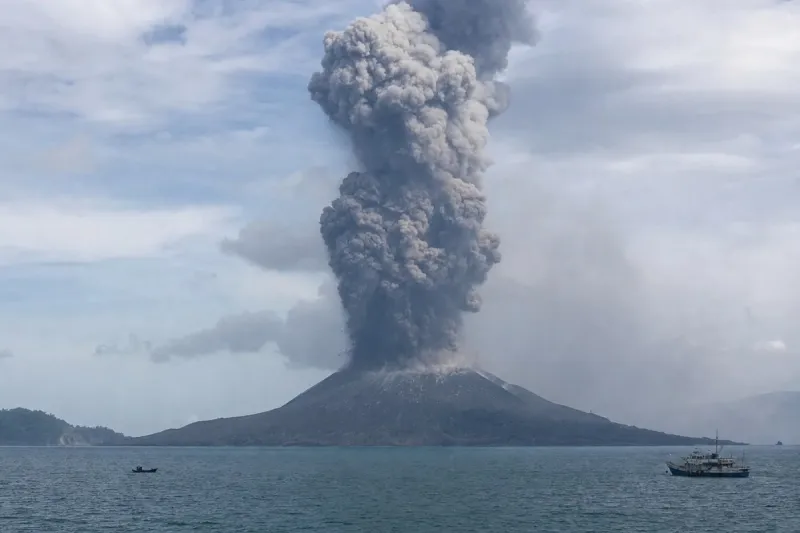
Volcanic ash from the eruption of Mount Anak Krakatau forced Indonesian authorities to temporarily close six airports on Sunday, September 6, 2026. Transportation Minister Dudy Purwagandhi said Kertajati Airport in Majalengka, Ahmad Yani Airport in Semarang, and Juanda Airport in Surabaya have been designated as alternative landing sites, particularly for passengers traveling to Jakarta, and the Transportation Ministry has authorized airlines to divert flights to these three airports subject to operational and safety conditions.
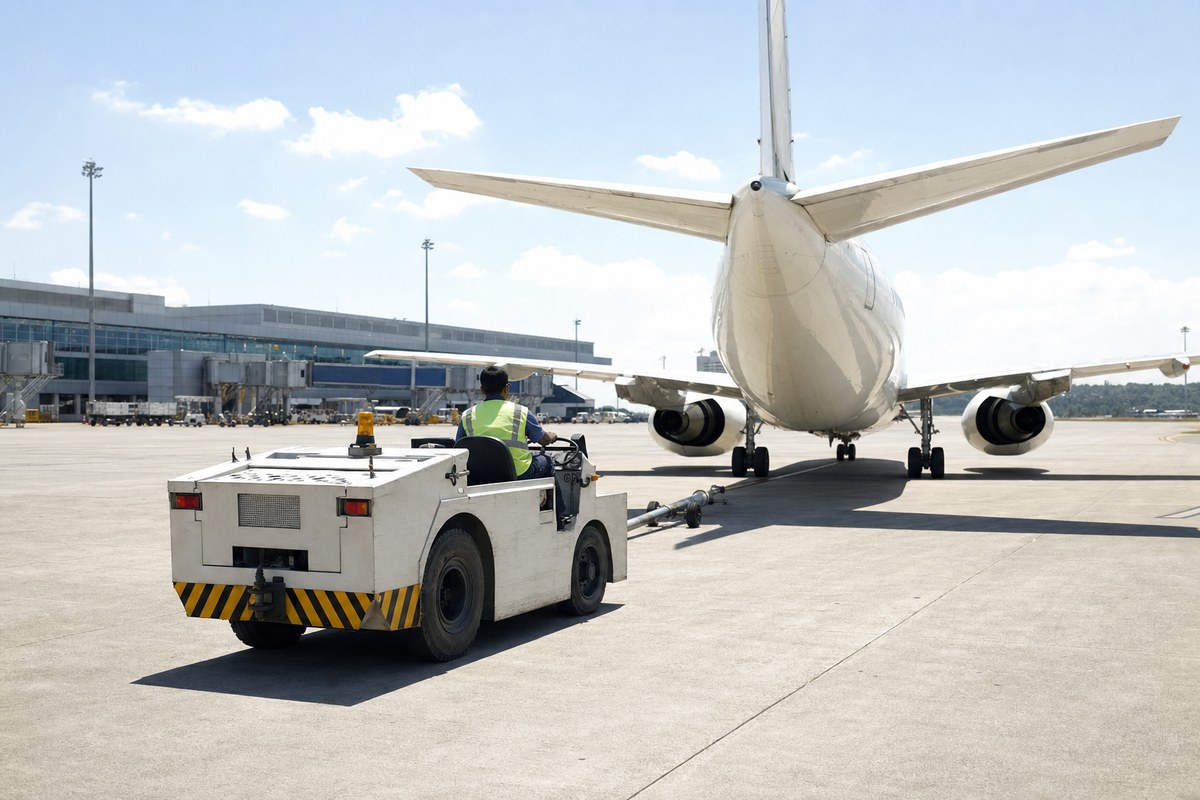
The ministry initially closed five airports: Radin Inten II in Lampung, Soekarno-Hatta in Tangerang, Halim Perdanakusuma in Jakarta, Pondok Cabe, and Budiarto in Tangerang. After further testing at noon on Sunday, Husein Sastranegara Airport in Bandung was also found to be affected by volcanic ash and was temporarily closed, bringing the total to six. At Juanda Airport, 42 flights were canceled due to the eruption, according to airport management.
Director General of Air Transportation Lukman F. Laisa announced that passengers whose flights were canceled because of the airport closures are entitled to full refunds. Laisa said the policy is a public service measure to ensure passengers do not suffer financial losses from safety-related cancellations.
Industry impact & what to watch
Ash-cloud closures follow a familiar operational sequence: authorities test air quality at affected fields, close what fails inspection, and route traffic through airports outside the plume. Designating Kertajati, Ahmad Yani and Juanda as receiving airports shows how a cluster of major fields around one metropolitan area — Jakarta's Soekarno-Hatta and Halim among them — can be taken offline together while regional airports absorb diverted domestic and international traffic.
The refund mandate from the Director General of Air Transportation sets a clear cost allocation for this event: airlines bear the passenger-side financial impact of a safety-driven closure rather than treating it as a normal irregular-operations disruption. That distinction matters for how carriers manage compensation exposure when a natural hazard, rather than a mechanical or scheduling issue, triggers the cancellations.
What happens next depends on further ash testing at the closed airports, including Husein Sastranegara, which was added to the closure list only after a second inspection at noon. Reopening will likely follow the same airport-by-airport testing pattern that expanded the closures from five to six.